
Meisje met geit — History & Facts
Can paint confess what words never could? In Meisje met geit, a mesmerizing tension between innocence and obsession unfolds, inviting viewers to delve into unspoken emotions and silent narratives. Look to the center where a young girl cradles a goat, her delicate hands emphasizing the bond they share. The soft textures of her dress contrast with the goat’s coarse fur, creating a compelling visual dialogue. Notice how the gentle interplay of light casts a warm glow on her face, illuminating her wide-eyed gaze that hints at both affection and a deeper longing.
The muted palette of earthy tones adds a sense of intimacy, drawing you closer to the intimate world captured on the canvas. Explore the subtle details: the slight tilt of the girl’s head, the way her lips part as if about to speak, yet silence reigns. The goat, with its inquisitive stare, serves as a mirror to her own inner turmoil—an embodiment of the wildness she might yearn for but cannot fully grasp. This juxtaposition of youth and untamed spirit evokes a sense of obsession that lingers just beneath the surface, suggesting the complexities that often accompany attachment. Pieter Dupont created this artwork in 1895 during a period marked by a growing interest in capturing the authentic essence of rural life.
Living in the Netherlands, Dupont's focus was on the everyday, the simple yet profound connections between humans and animals. The burgeoning movement towards realism in art served as a backdrop for his exploration of themes like affection, obsession, and the transient nature of youth, positioning this piece within a broader artistic dialogue of its time.
More Artworks by Pieter Dupont
Browse all →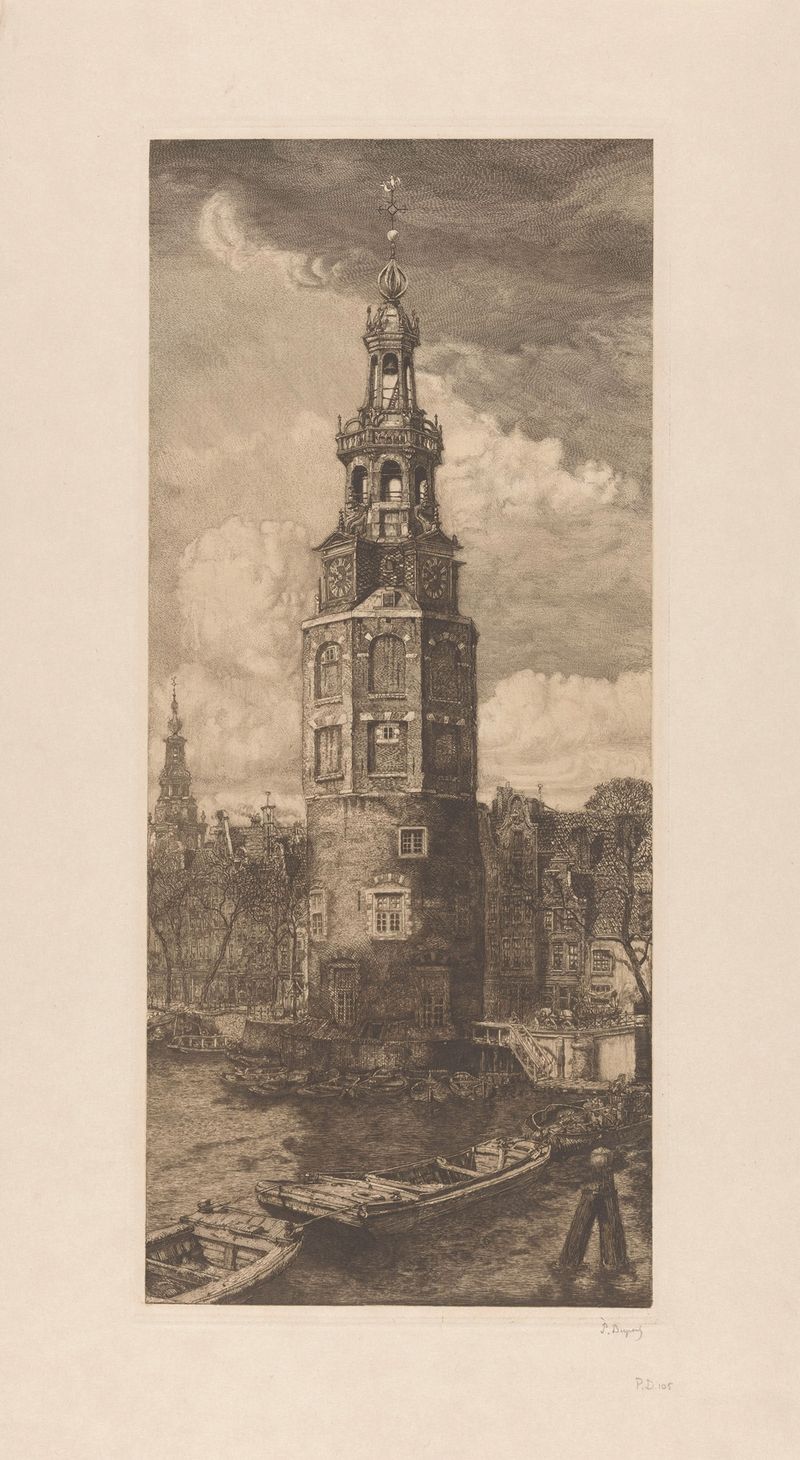
Montelbaanstoren aan de Oudeschans in Amsterdam
Pieter Dupont
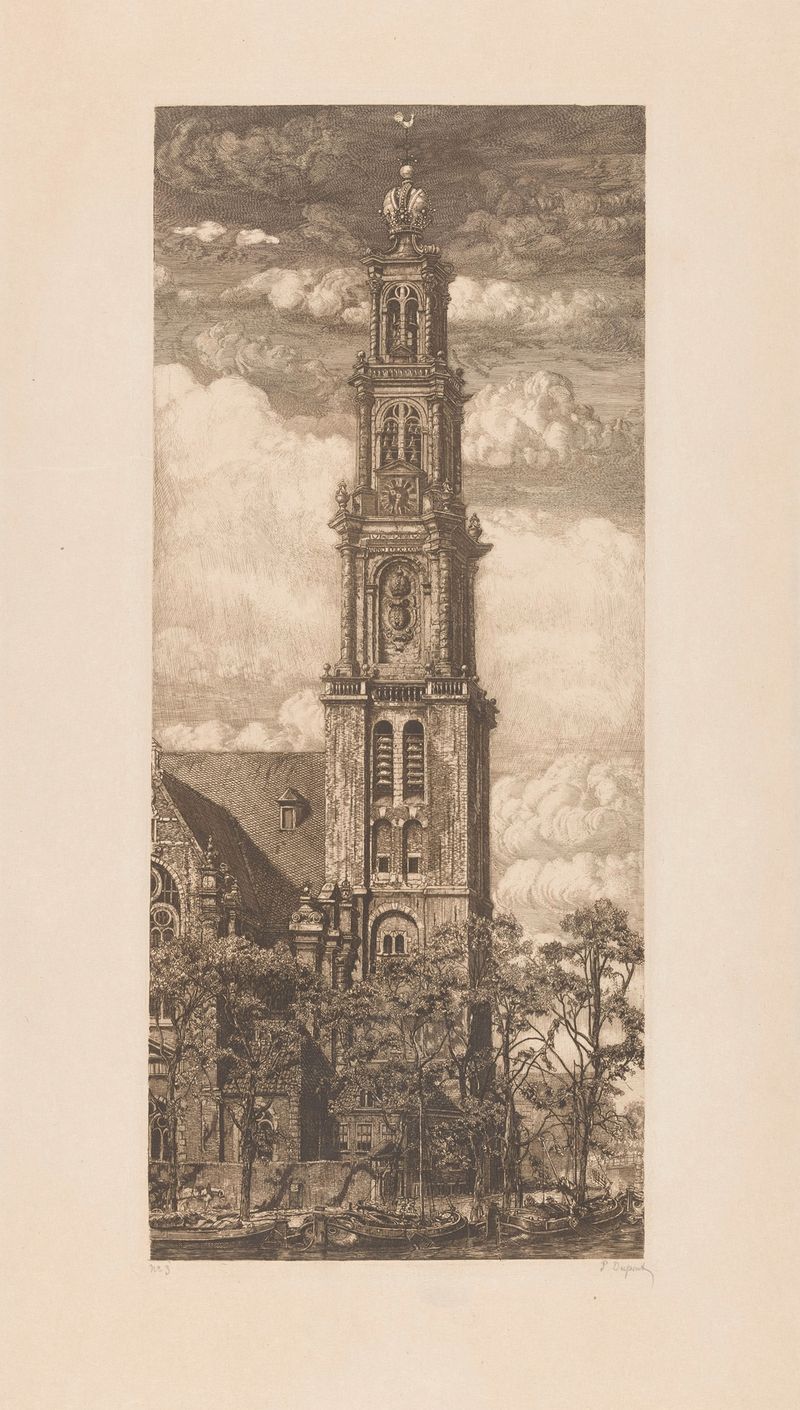
Westertoren in Amsterdam
Pieter Dupont
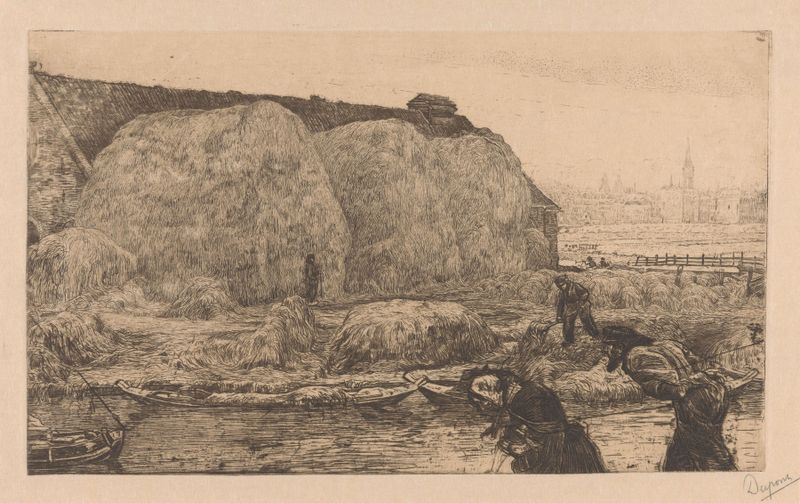
Boerderij met hooischelven aan het Jaagpad in Amsterdam
Pieter Dupont
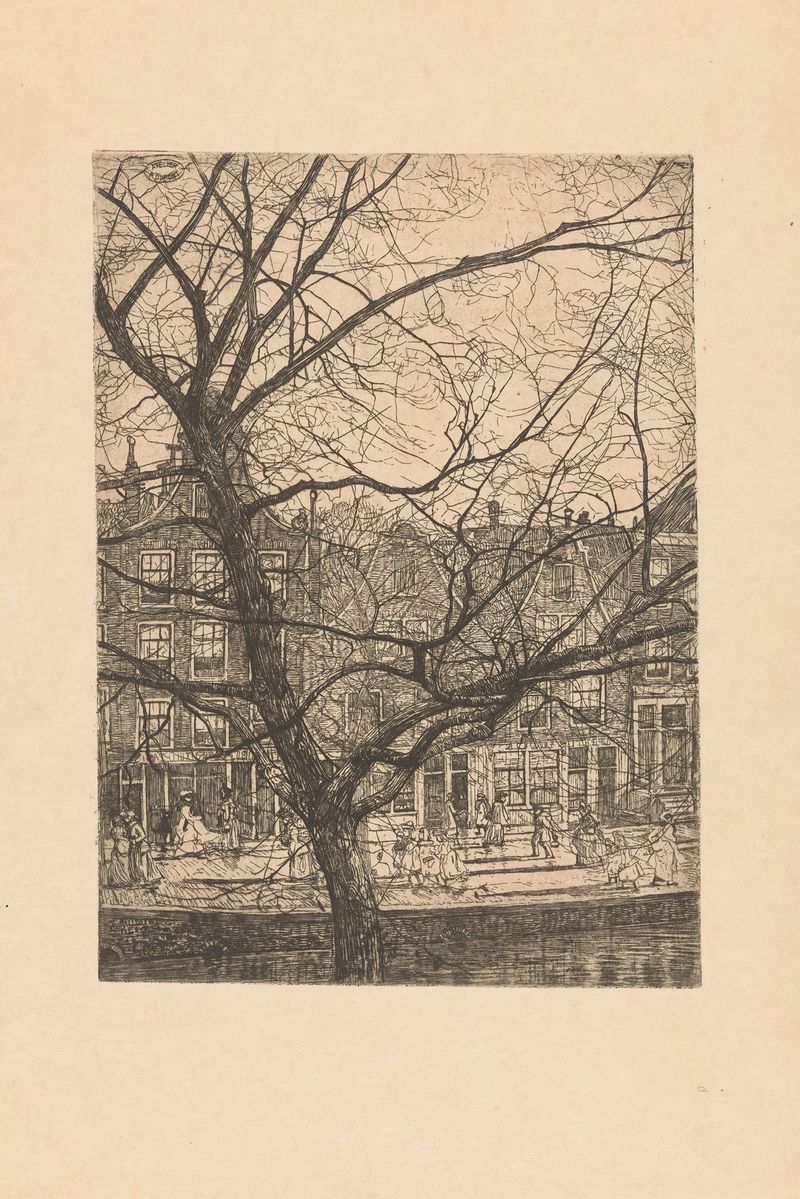
Grachtenhuizen met halsgevels in Amsterdam
Pieter Dupont
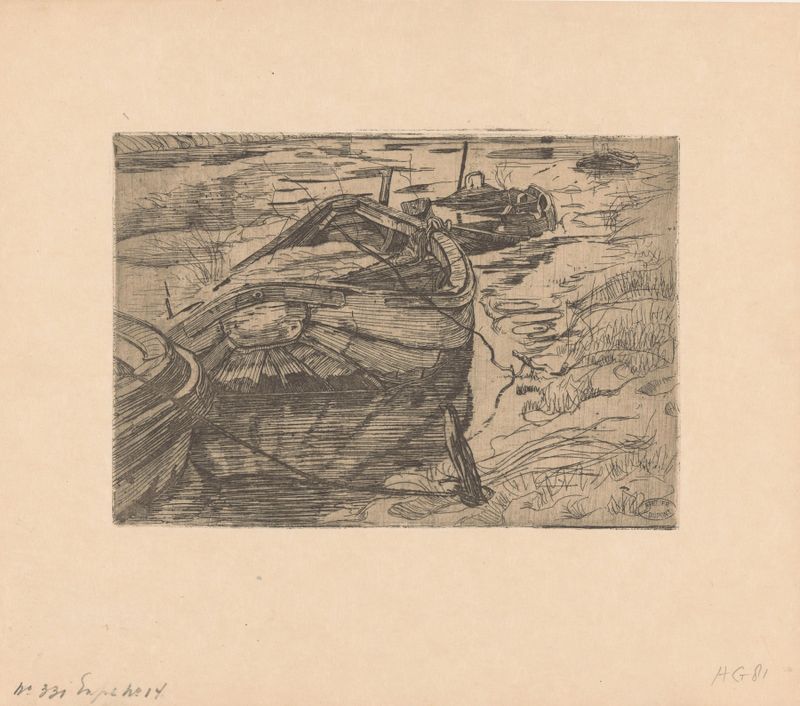
Afgemeerde roeiboten in een sloot
Pieter Dupont
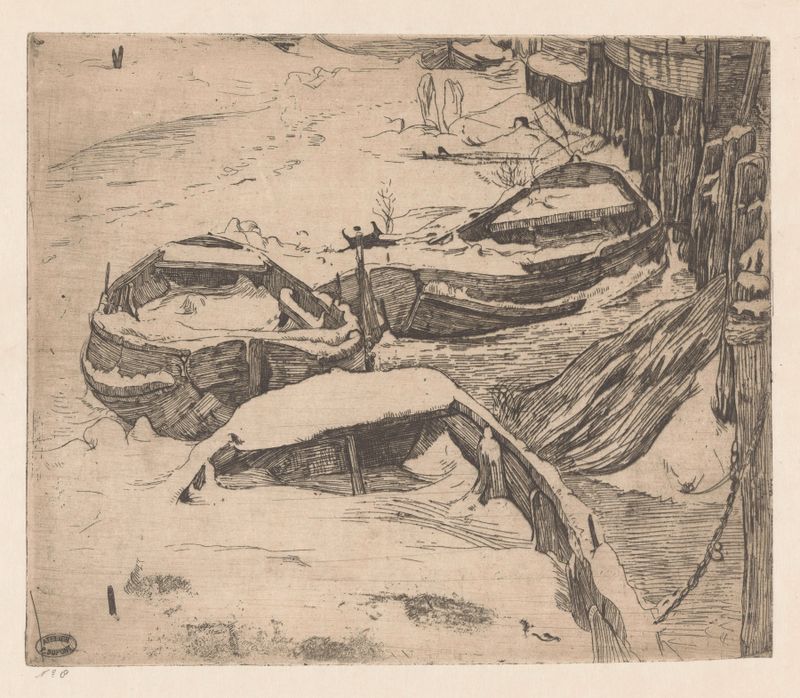
Drie besneeuwde roeiboten bij een wal
Pieter Dupont
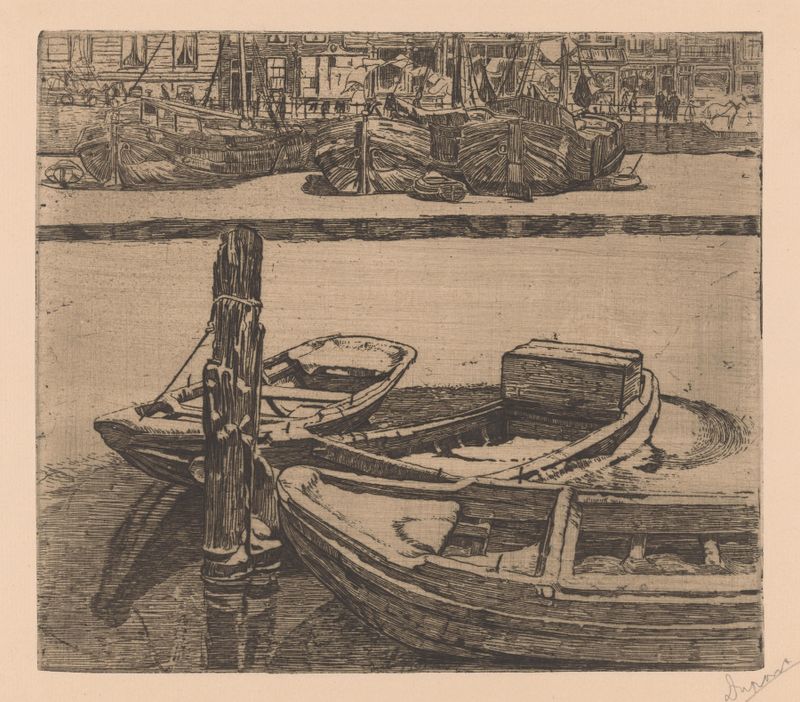
Schepen in het Damrak in Amsterdam
Pieter Dupont
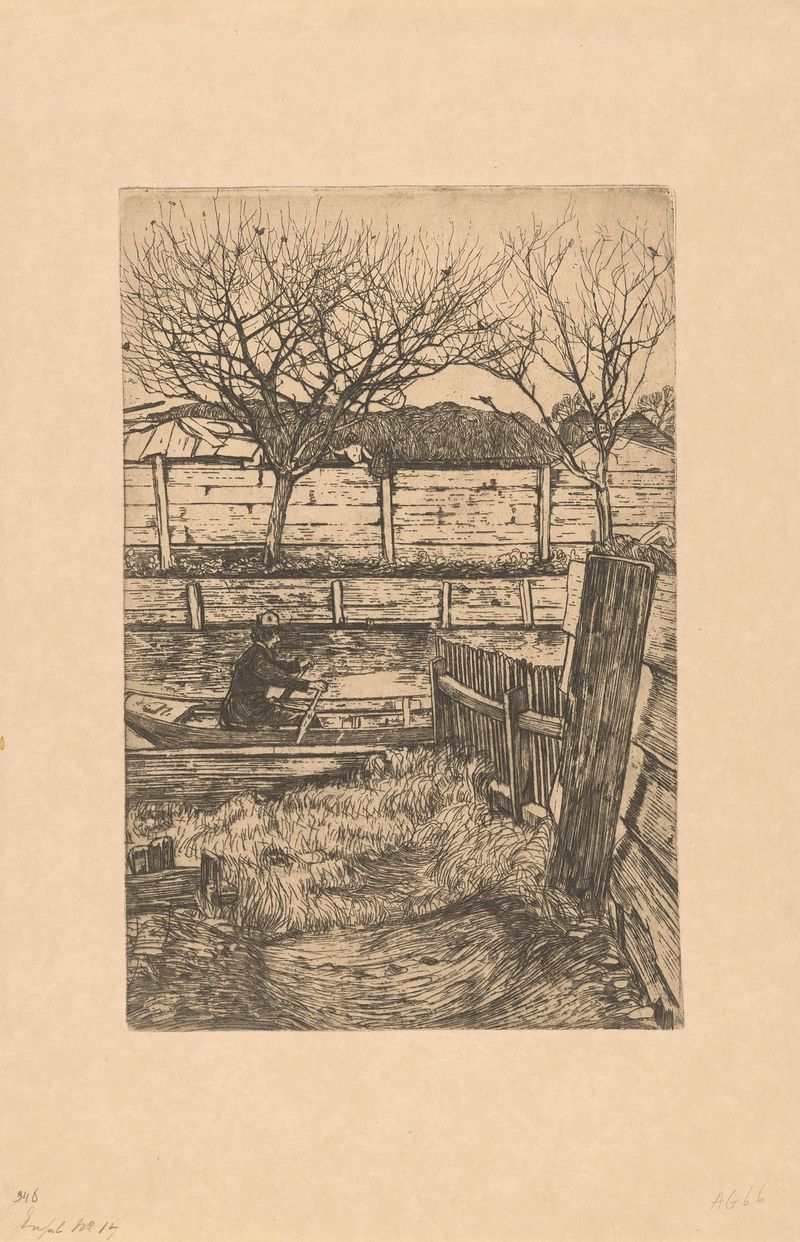
Man in een roeiboot, waarschijnlijk bij de Slatuinen in Amsterdam
Pieter Dupont
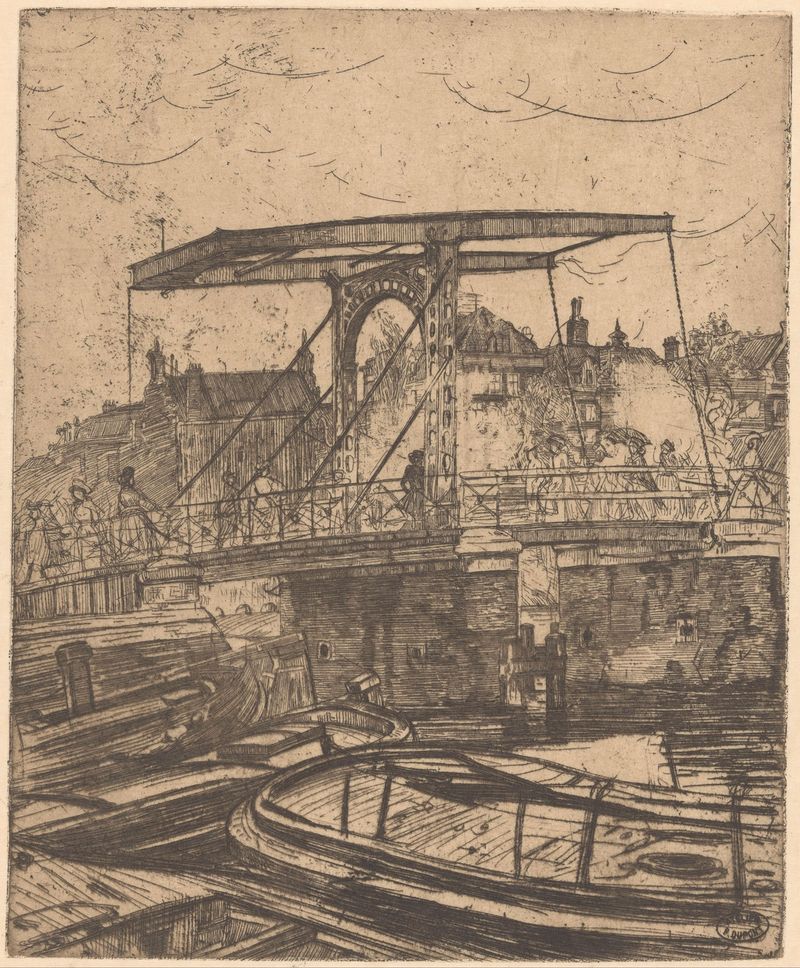
Magere Brug in Amsterdam
Pieter Dupont
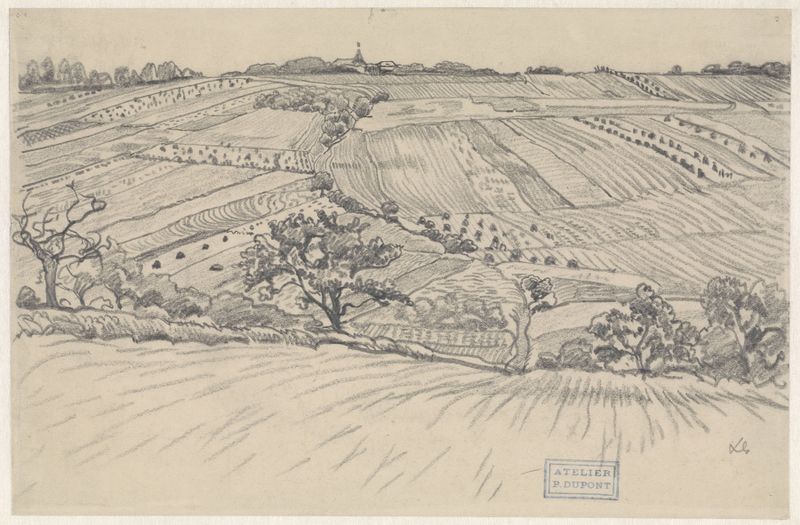
Heuvelachtig landschap met korenvelden
Pieter Dupont
More Portrait Art
Browse all →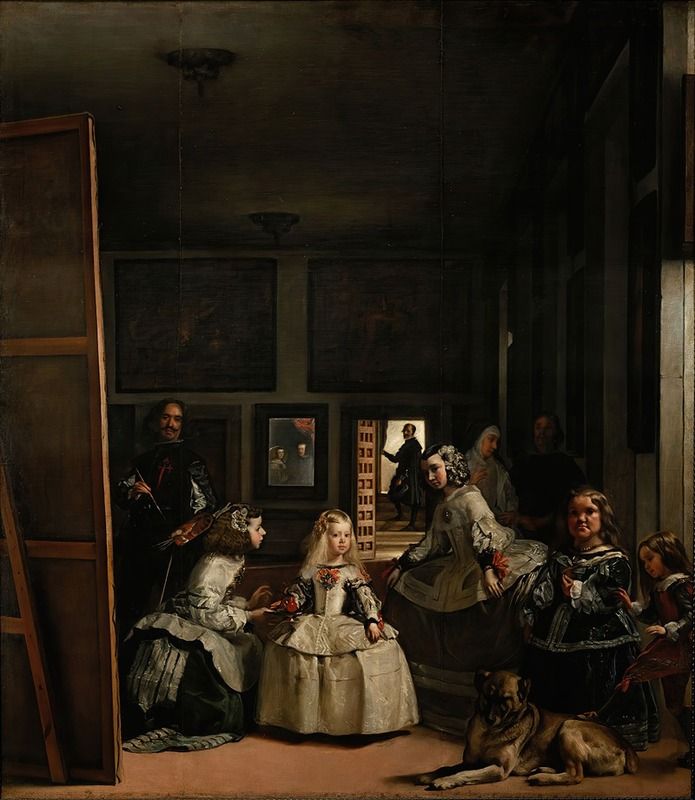
Las meninas
Diego Velázquez

Self-portrait with a Bandaged Ear and Pipe
Unidentified artist
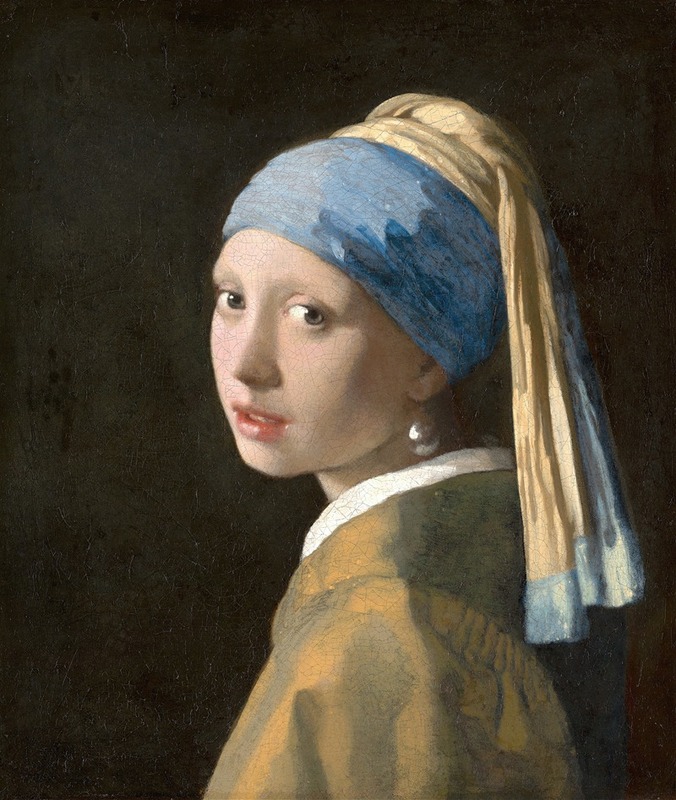
Girl with a Pearl Earring
Johannes Vermeer

The Sampling Officials of the Amsterdam Drapers’ Guild, Known as ‘The Syndics’
Rembrandt van Rijn

The Hundred Guilder Print: the man seen on the back in the lower left corner
Rembrandt van Rijn

Portrait of Dr Gachet
Vincent van Gogh