
Melancholie — History & Facts
Can beauty exist without sorrow? Melancholie invites us into a world where joy and despair intertwine, revealing the profound transformation of the human spirit as it grapples with the weight of existence. Look to the center of the composition, where a figure draped in somber attire gazes pensively into the distance. Notice the delicate, muted palette, with soft greys and blues that meld together, evoking a sense of calm sadness. The hazy background contrasts with the detailed texture of the figure’s clothing, drawing attention to the exquisite craftsmanship.
Light plays across the contours of the figure’s face, illuminating eyes filled with contemplation, while shadows whisper stories of unfulfilled dreams and quiet agony. As you delve deeper, consider the symbolism within the composition: the melancholic figure is surrounded by a barren landscape, suggesting a journey through loss. The intertwining vines at the edges hint at nature's resilience, echoing the theme of transformation—how beauty often emerges from sorrow. The slight tilt of the figure's head and the positioning of the hands suggest a yearning for connection, balancing between despair and hope. In 1539, Hans Sebald Beham painted Melancholie during a period of artistic innovation in Northern Europe, marked by the rise of the Northern Renaissance.
Amidst social and religious upheaval, Beham's work captured the complexities of human emotion, influenced by the philosophical debates of his time. His exploration of themes like melancholy would resonate deeply within the evolving landscape of art, challenging viewers to reflect on the duality of beauty and sorrow.
More Artworks by Hans Sebald Beham
Browse all →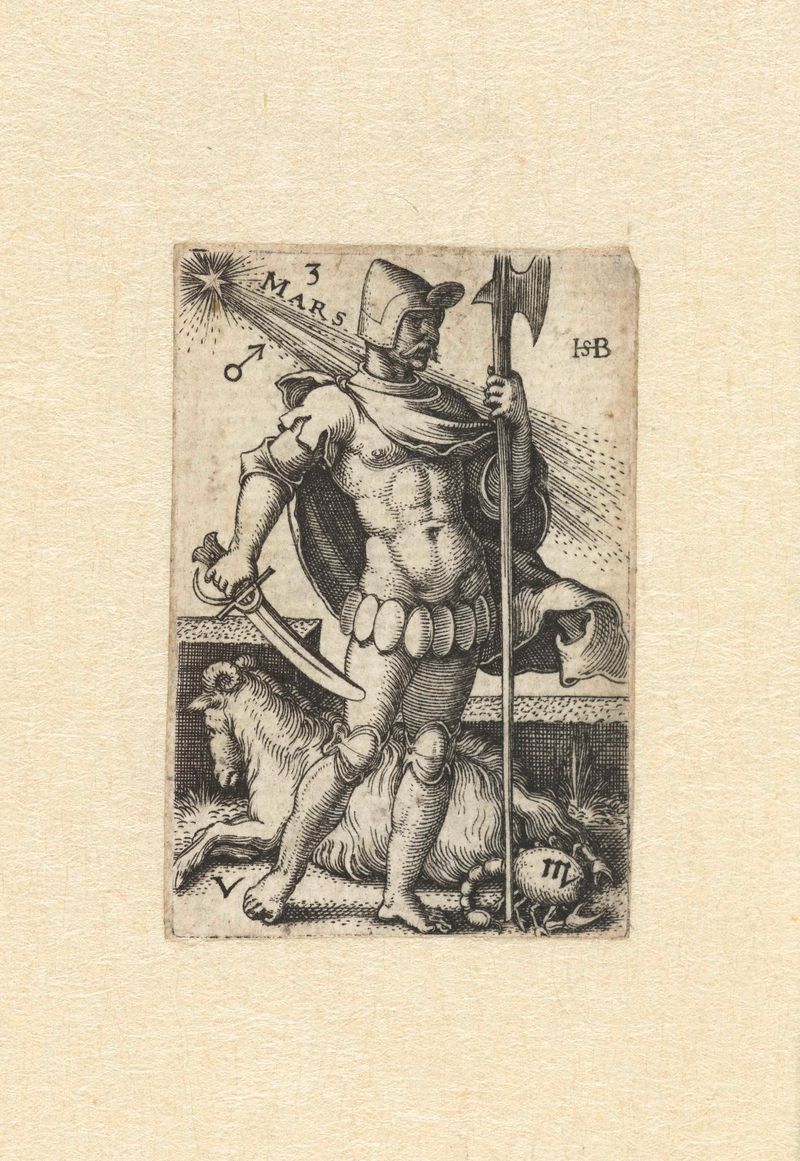
Mars met sterrenbeelden Ram en Schorpioen
Hans Sebald Beham

Achilles in gevecht met Hector
Hans Sebald Beham
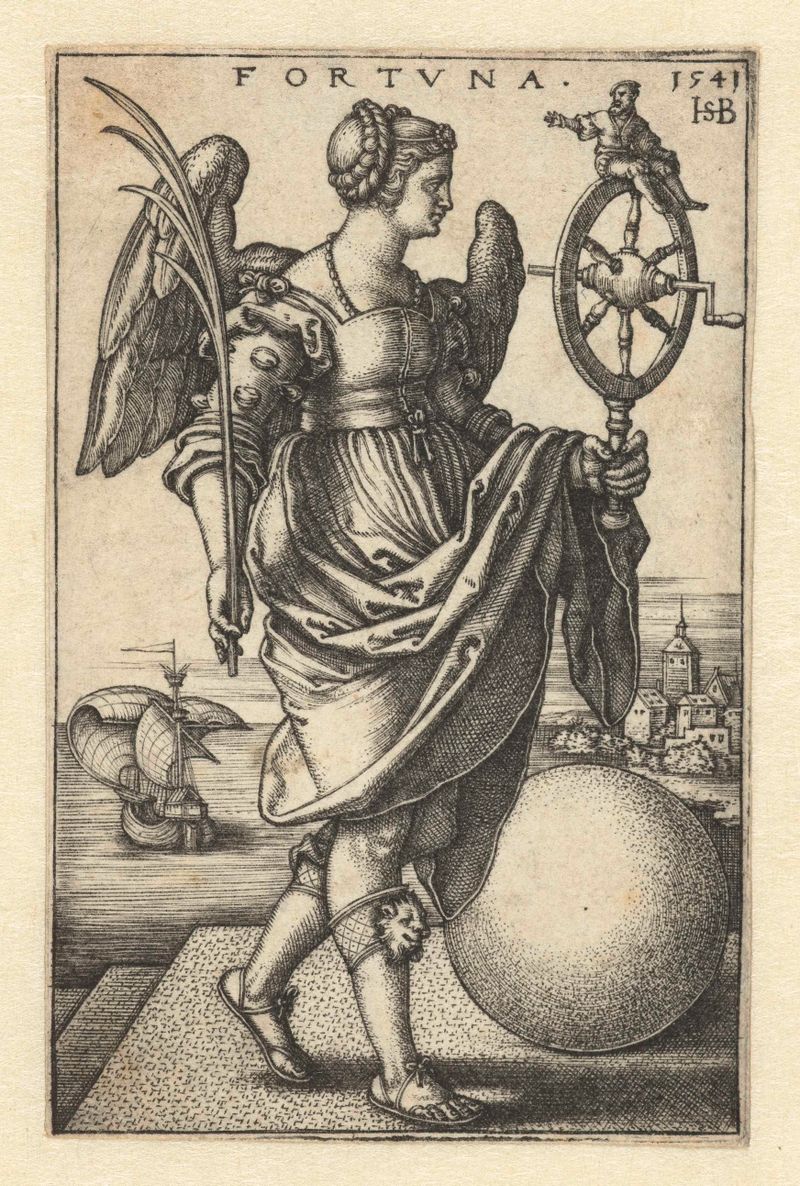
Fortuna
Hans Sebald Beham

Hercules worstelt met Antaeus
Hans Sebald Beham

Twee muzikanten met schalmey en doedelzak
Hans Sebald Beham

Voorzichtigheid (Prudentia)
Hans Sebald Beham

Hercules in gevecht met de Trojanen
Hans Sebald Beham
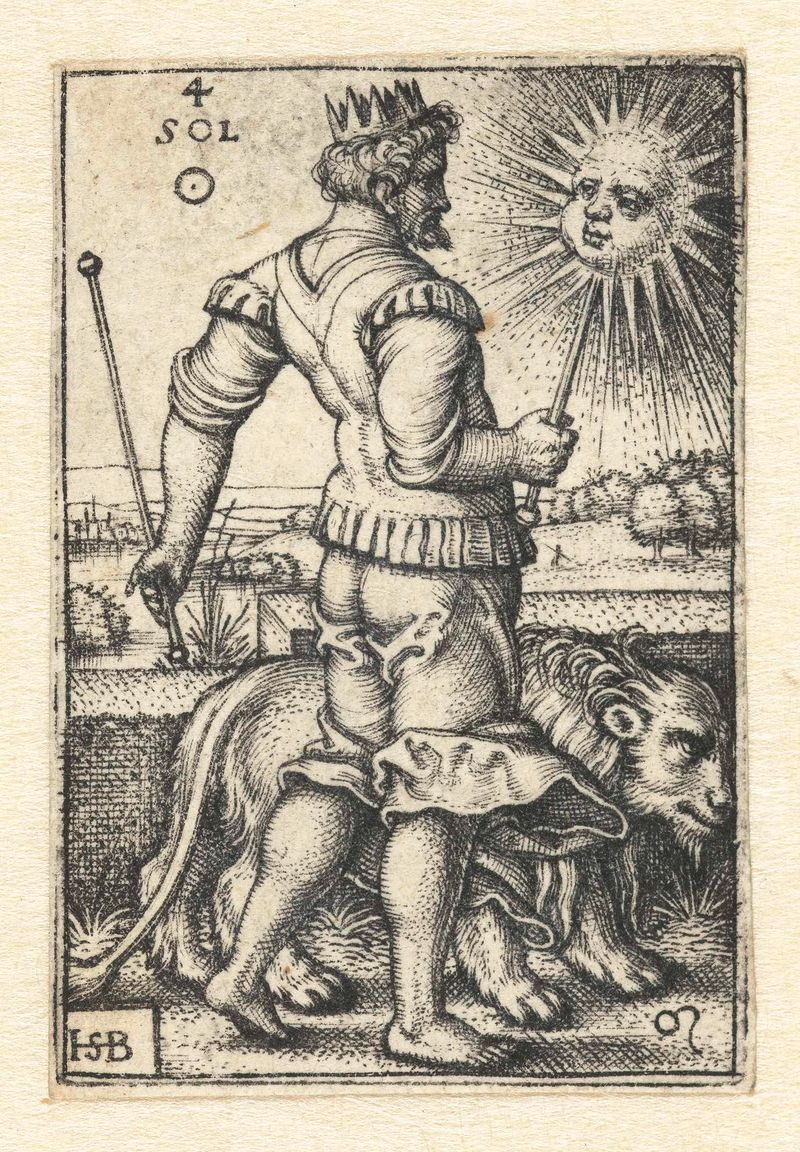
Apollo (Sol) met sterrenbeeld Leeuw
Hans Sebald Beham
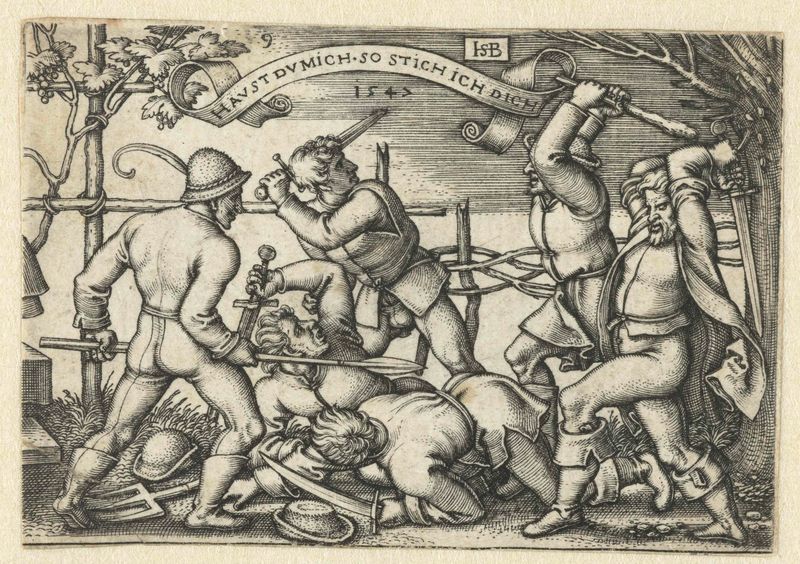
Vechtende boeren met zwaarden
Hans Sebald Beham
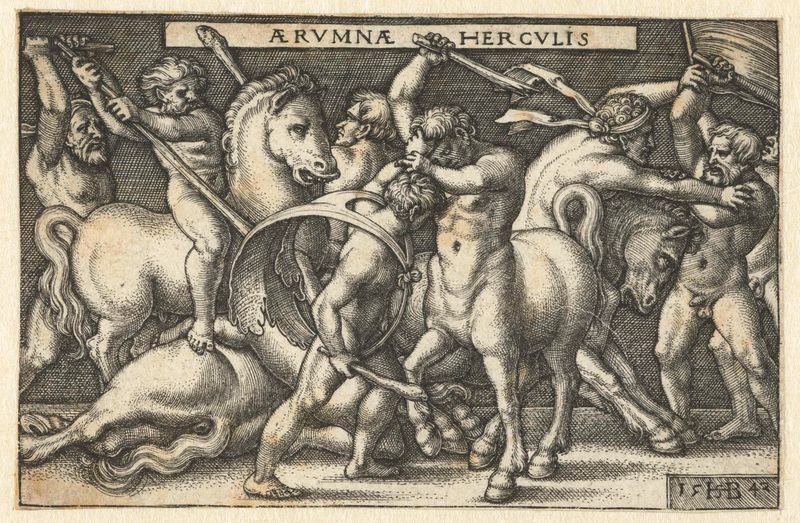
Hercules in gevecht met centaurs
Hans Sebald Beham





