
Melancholie — History & Facts
Who listens when art speaks of silence? In Melancholie, an unsettling hush pervades the space, inviting us to peer into the depths of introspection and obsession. Focus on the figure at the center, shrouded in a cloak of shadow, embodying the weight of sorrow. Notice how the muted palette of earthy tones evokes a sense of stillness, while the softness of the drapery contrasts sharply with the starkness of the surrounding objects—an hourglass, a book, and a skull—each a memento mori whispering the fleeting nature of existence. The composition draws you inward, leading your gaze to that sorrowful face, which bears the echoes of unfulfilled dreams and lost hopes. Within this somber tableau, one can sense the tension between contemplation and despair.
The hourglass suggests time slipping away, while the book, open yet unread, hints at forgotten knowledge and untapped potential. The juxtaposition of the tranquil surroundings with the turmoil etched into the figure's features deepens the emotional resonance, reflecting a struggle between the urge to create and the weight of inner turmoil. This obsession with silence becomes a haunting refrain, a manifestation of the artist's own struggles against fate and expectation. Hans Sebald Beham painted Melancholie in 1539 during a period marked by the Mannerist movement, where artists began to explore more intricate and emotional subjects.
Living in Nuremberg at the time, he was influenced by the socio-political climate of the Reformation, which challenged traditional values and invited a more personal interpretation of life and art. This piece captures not only his personal battles but speaks to the broader human condition, forever echoing in the hearts of its viewers.
More Artworks by Hans Sebald Beham
Browse all →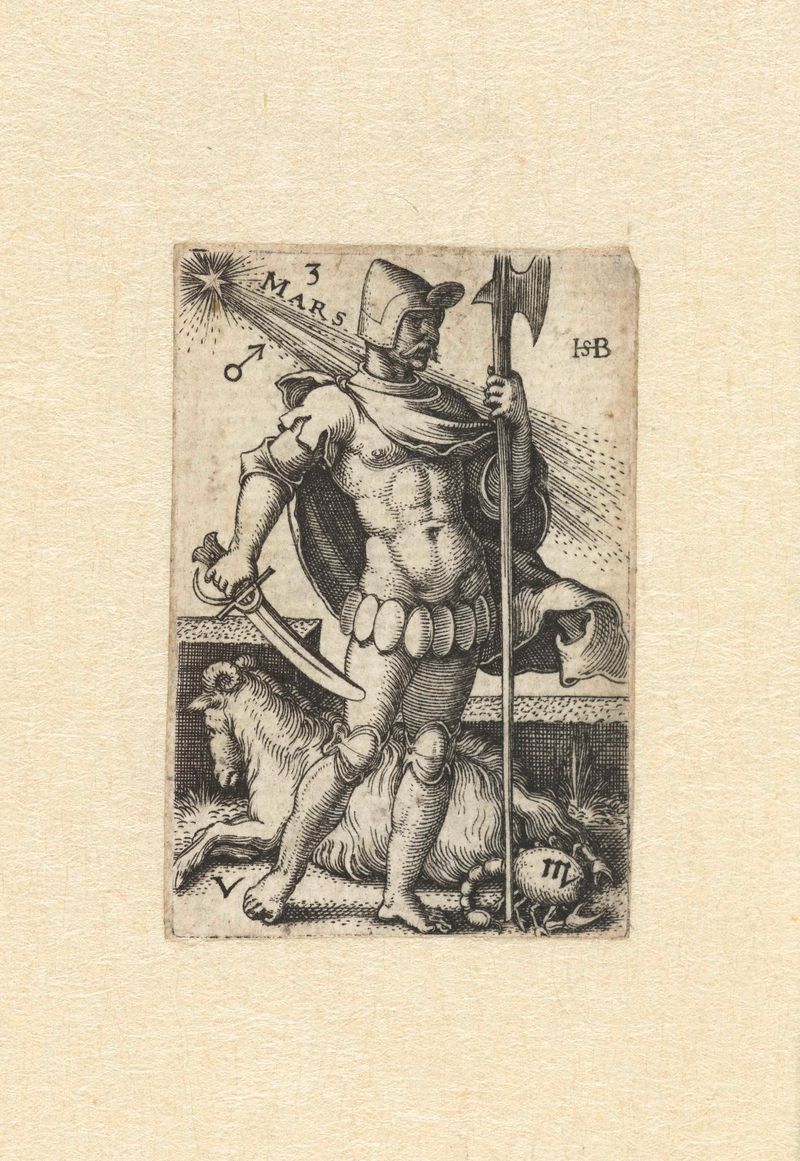
Mars met sterrenbeelden Ram en Schorpioen
Hans Sebald Beham

Achilles in gevecht met Hector
Hans Sebald Beham
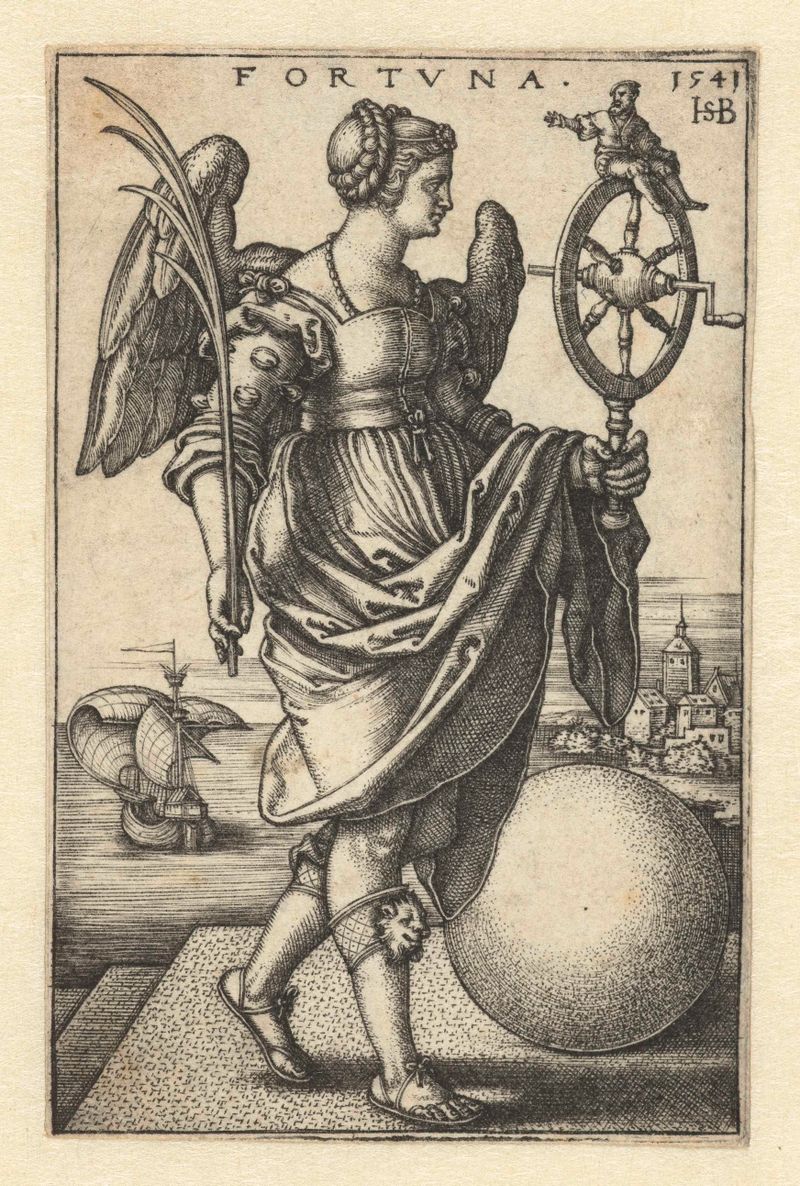
Fortuna
Hans Sebald Beham

Hercules worstelt met Antaeus
Hans Sebald Beham

Twee muzikanten met schalmey en doedelzak
Hans Sebald Beham

Voorzichtigheid (Prudentia)
Hans Sebald Beham

Hercules in gevecht met de Trojanen
Hans Sebald Beham
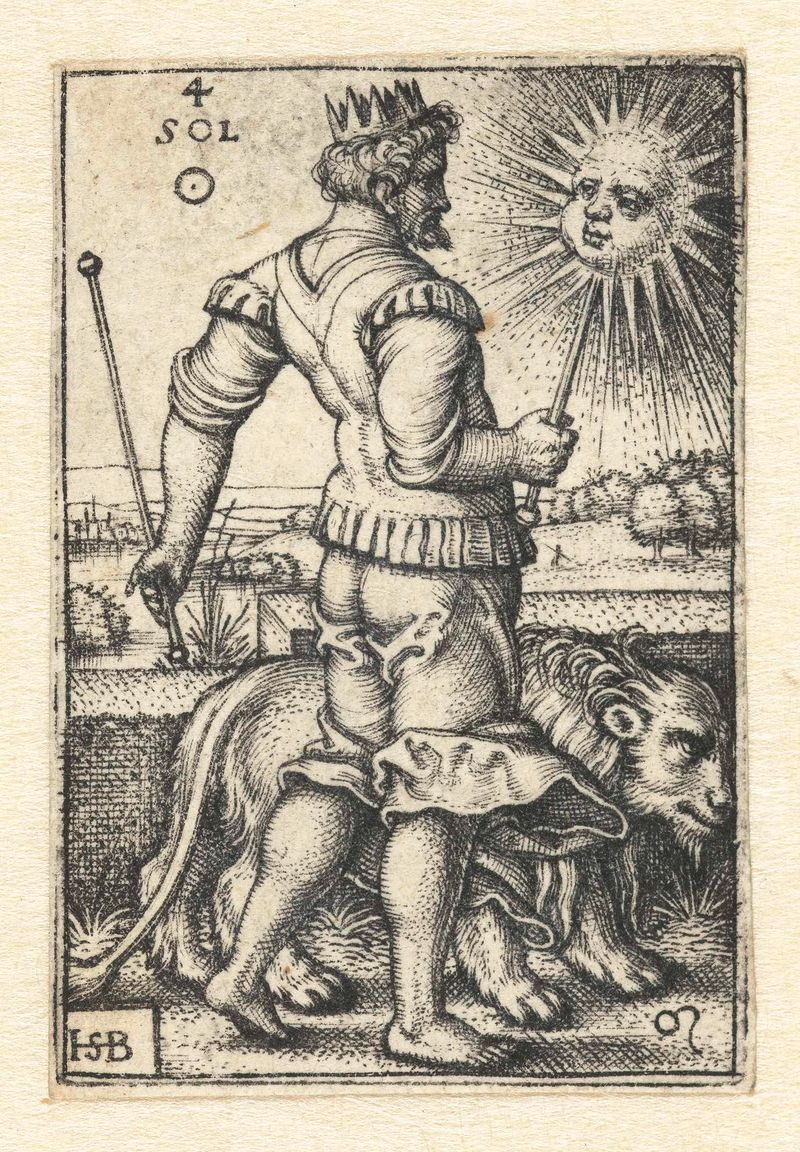
Apollo (Sol) met sterrenbeeld Leeuw
Hans Sebald Beham
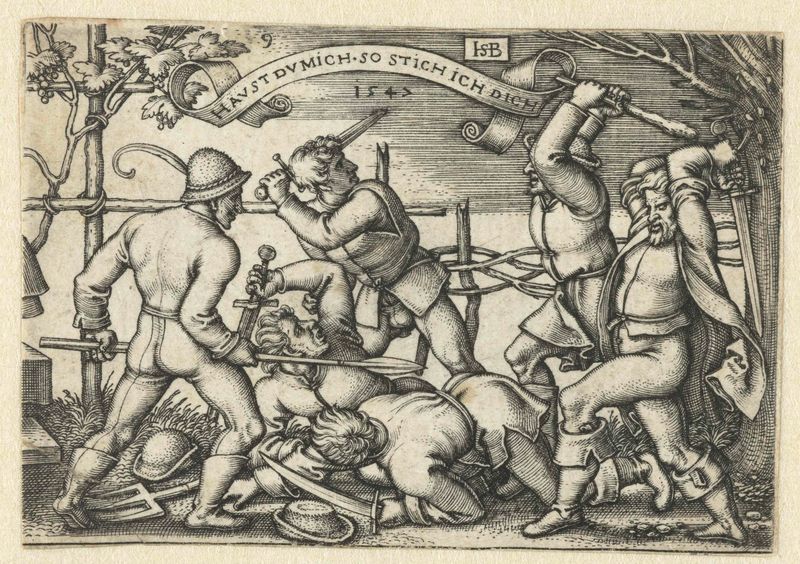
Vechtende boeren met zwaarden
Hans Sebald Beham
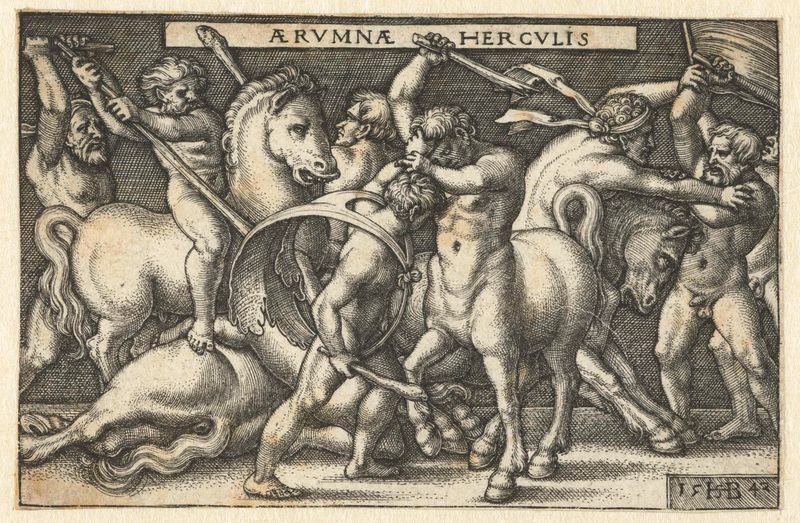
Hercules in gevecht met centaurs
Hans Sebald Beham





