Mexican Countryside — History & Facts
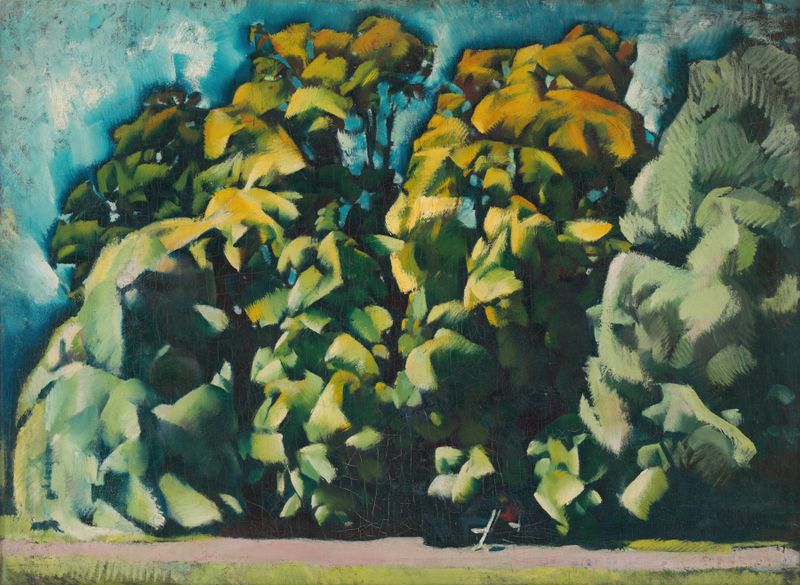
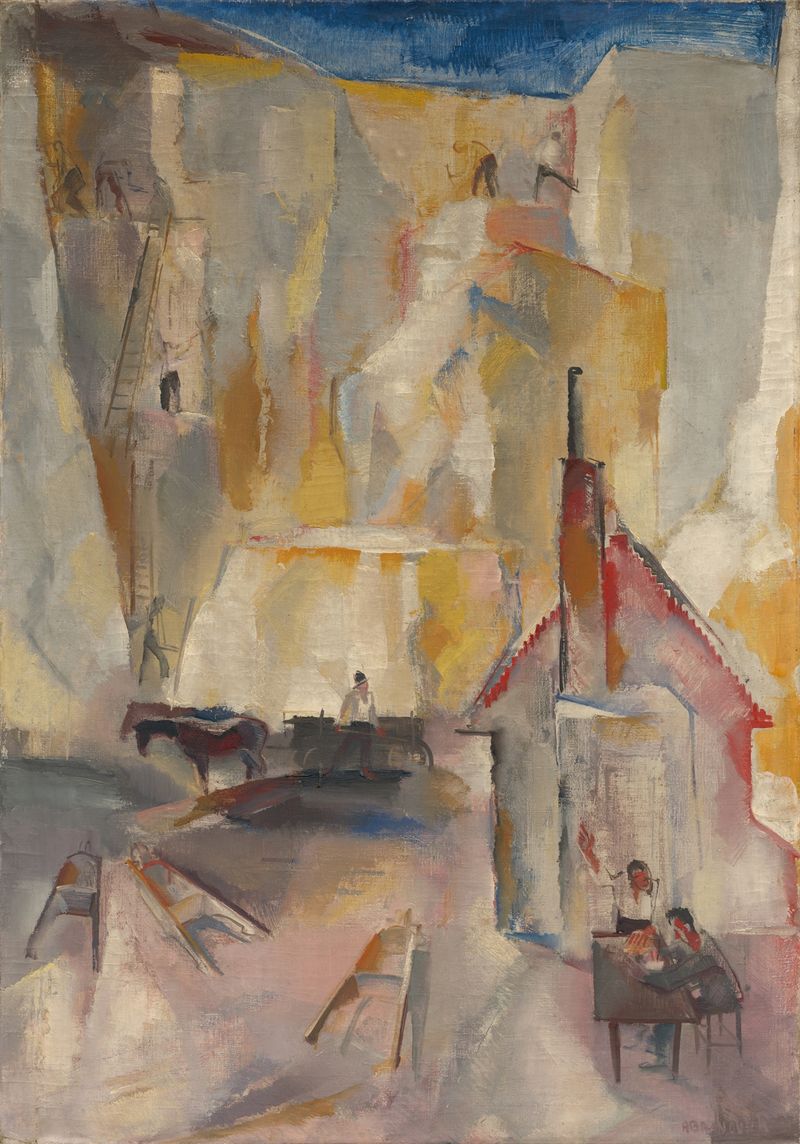
Could beauty survive in a century of chaos? In a world rife with turmoil, this question lingers like a delicate whisper amid the clamor of modernity. Look to the horizon, where rolling hills meet a sky that dances between hues of azure and gold, evoking a dreamlike quality. The brushstrokes capture an idyllic landscape, alive with swaying grasses and vibrant wildflowers, suggesting a serene escape from the chaos beyond. Notice how the sunlight bathes the scene, creating a warm glow that envelops the viewer, inviting them to linger in this moment of tranquility. Yet, beneath this picturesque façade lies an emotional tension.
The juxtaposition of vivid colors against the looming shadows hints at the fragility of this beauty. Are the fields merely a refuge from the surrounding discord, or do they represent a fading ideal, tethered to memories of a simpler time? Each detail—a solitary tree, the distant mountains—suggests both solace and longing, drawing us deeper into the artist's vision. In 1935, Vilmos Aba-Novák painted this piece during a period of personal and artistic exploration in Hungary. The interwar years were marked by political unrest and social upheaval, influencing many artists’ work.
As he sought to capture the essence of rural life amidst burgeoning modernist movements, this piece stands as a testament to the resilience of beauty, even in tumultuous times.