In The Hills Of Buda — History & Facts
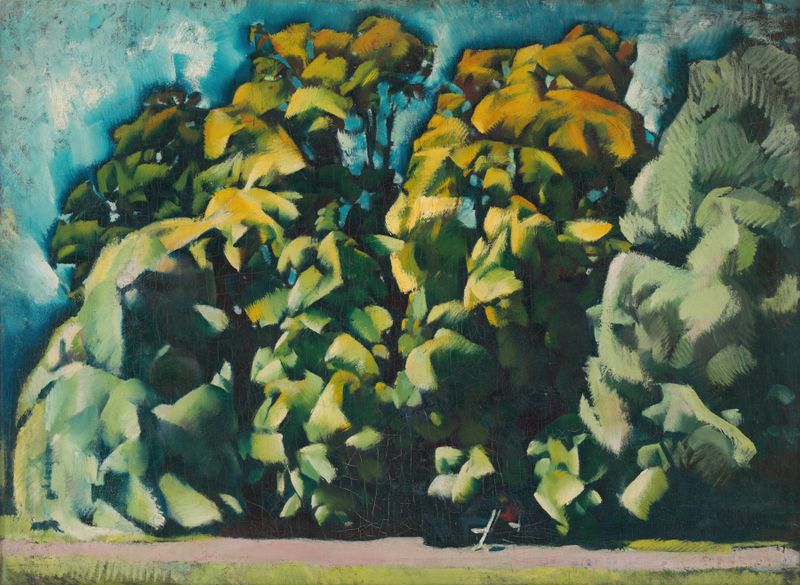
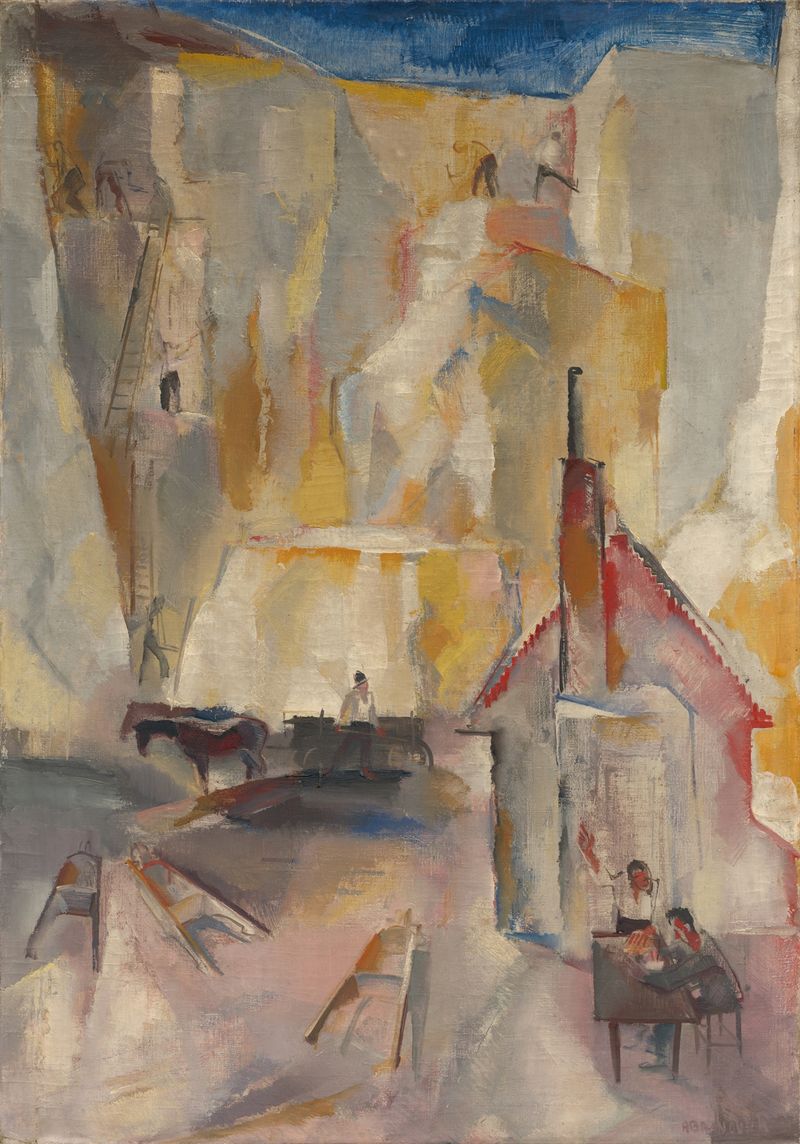
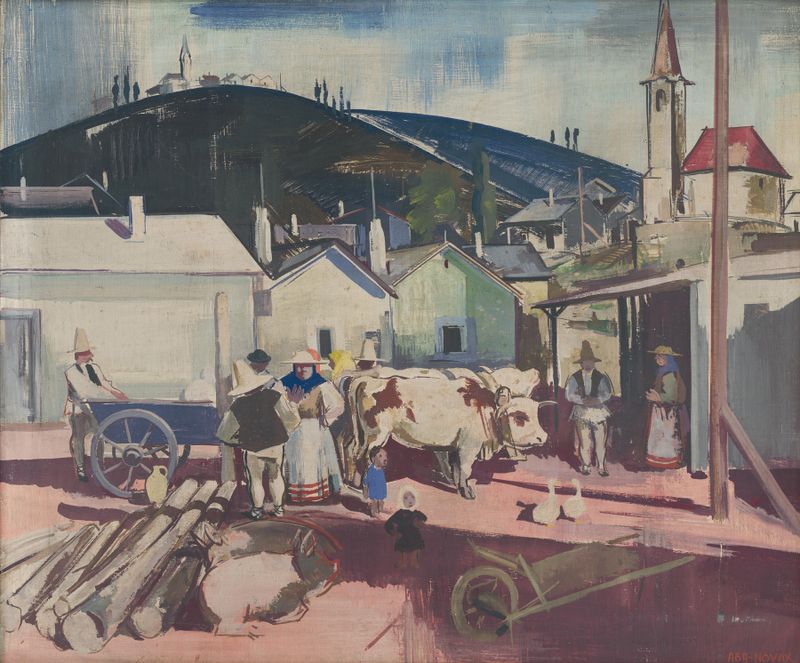
Could beauty survive in a century of chaos? In the heart of tumultuous times, the vibrant strokes of color weave a tapestry of resilience and hope, speaking to an unyielding spirit that transcends adversity. Focus on the lush, undulating hills, where shades of green and gold dance harmoniously, inviting your gaze. The artist employs a vivid palette, accentuating the interplay of light and shadow that breathes life into the landscape. Notice how the gentle brushwork softens the contours of the earth, blurring the lines between reality and dream, while a clear blue sky looms overhead, further elevating the sense of tranquility. Yet, beyond the surface beauty lies a poignant juxtaposition—a serene landscape set against the backdrop of historical upheaval.
The warm colors suggest a sense of comfort and familiarity, while the absence of human figures evokes a haunting loneliness, as if nature itself mourns the chaotic events of the era. This emotional tension reflects a longing for peace in a world rife with uncertainty, prompting viewers to contemplate the fragility of beauty amidst turmoil. Created during the early 20th century, this piece captures Vilmos Aba-Novák’s exploration of Hungarian landscapes while working in Budapest. At the time, the region was undergoing significant political and social changes, which deeply influenced artists like him.
His commitment to exploring color and form signaled a departure from the constraints of earlier movements, as he sought to find solace in the natural world even as chaos encroached upon daily life.