Park — History & Facts
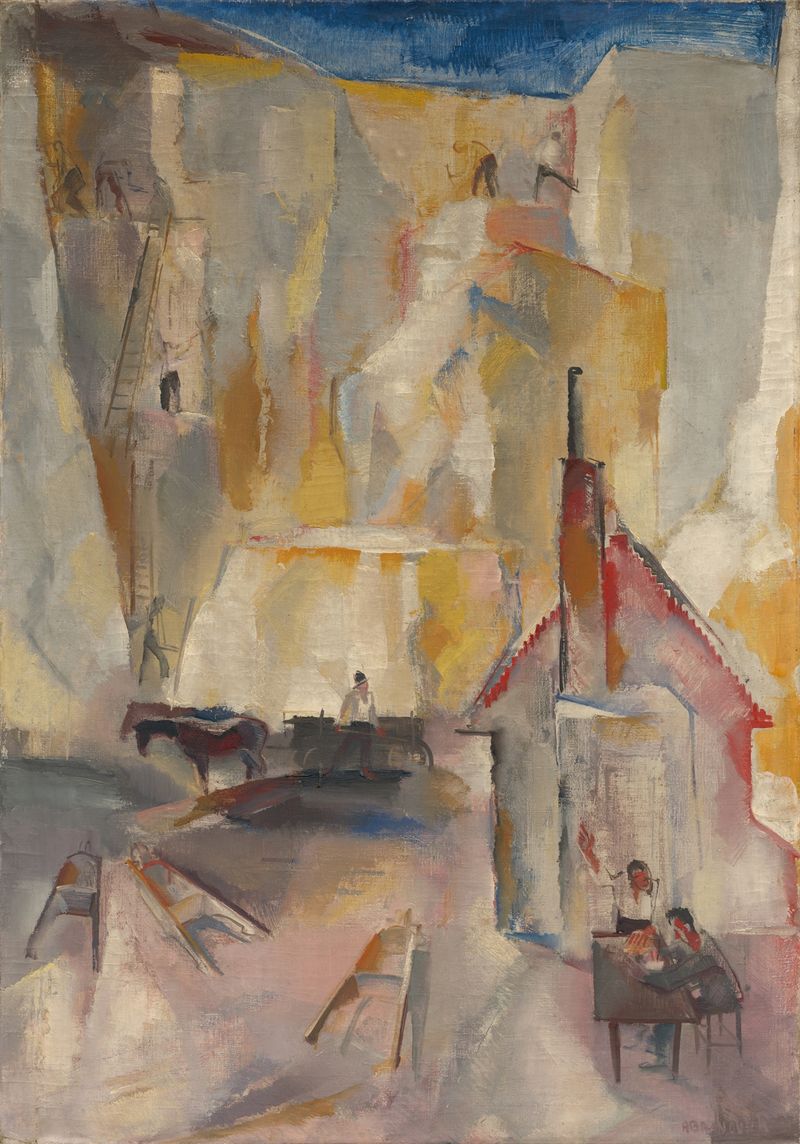
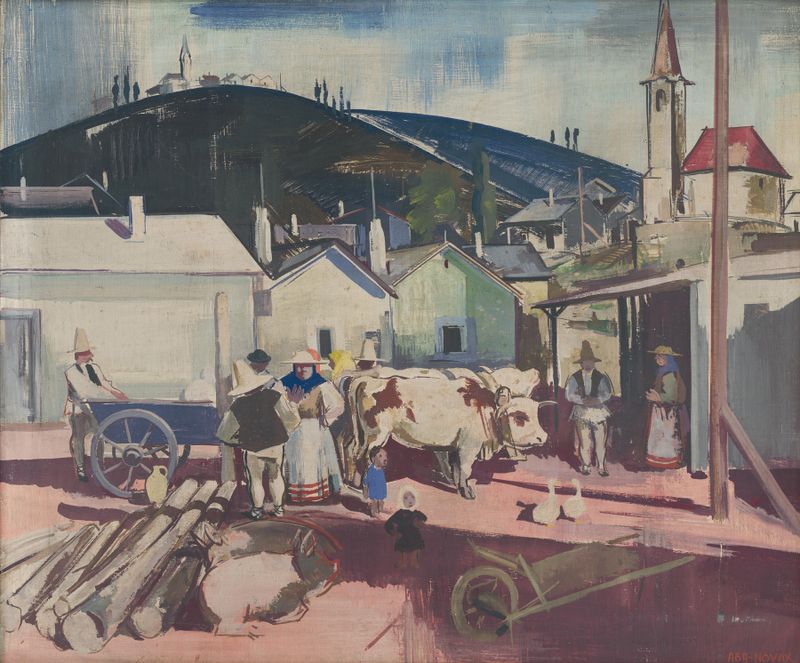
In a world swirling with uncertainties, the act of creation becomes a profound negotiation with fate. How does one capture the essence of destiny within the confines of a frame? Focus on the gentle curves of the landscape. Notice how the vibrant greens of the park stretch across the canvas, embracing the earth and inviting the viewer to wander through its organic paths.
The interplay of light and shadow imbues the scene with a sense of movement, as if time itself pauses in this tranquil moment. The brushstrokes are both precise and fluid, masterfully orchestrating a symphony of color that beckons the viewer to explore the depth of this serene sanctuary. Hidden beneath the surface are layers of emotional tension. The interplay between light and dark could symbolize choices and their inevitable consequences, reflecting the dual nature of existence.
The figures scattered throughout the park might represent different pathways in life, each lost in contemplation or connection, yet unknowingly bound by the invisible threads of fate. Such subtle details invite introspection, as they echo the universal struggle with destiny. Painted in 1921, this work emerged during a time of social and artistic upheaval in Hungary. Vilmos Aba-Novák was grappling with the aftermath of World War I, as a new cultural identity began to take shape.
Amidst the shifting landscape of modernity, he sought to capture the essence of everyday life, grounding his work in the familiar yet revealing the profound beauty inherent in simplicity.