
Mühle in Bernau — History & Facts
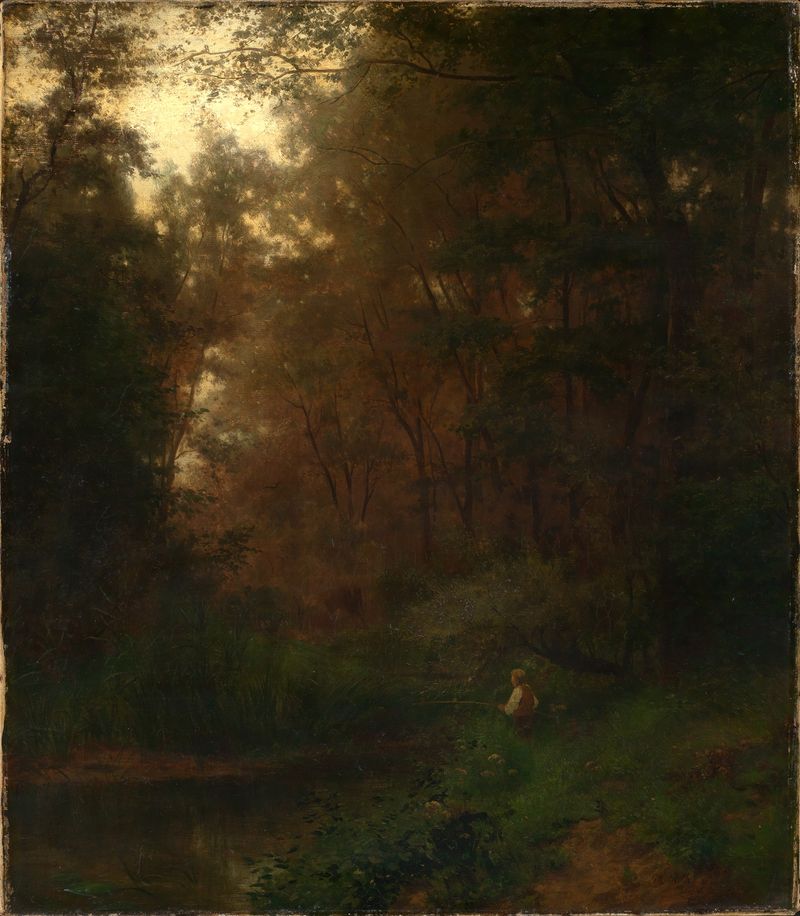
Could a single brushstroke hold eternity? In Mühle in Bernau, the canvas unfolds a serene yet profound narrative, inviting viewers to contemplate the divine in the ordinary. Focus first on the tranquil water flowing beneath the mill, where soft blues and greens harmonize with dappled sunlight. Notice how the light dances on the surface, reflecting not just the landscape but the essence of time itself. The mill stands grounded in the foreground, its rustic structure etched with delicate brushwork that conveys both stability and the passage of life.
Each detail is meticulously crafted, guiding the eye from the gentle ripples of the stream to the surrounding trees, cloaked in lush greens and golden hues of sunlight. Hidden within the harmony of color lies a tension between man and nature. The mill, a symbol of industriousness, coexists with the tranquility of the flowing water, hinting at the delicate balance between progress and the serene beauty of the natural world. The juxtaposition of the steadfast mill and the ephemeral light reflects the artist’s meditation on divinity — how human creation interweaves with the divine beauty of the landscape, revealing a moment suspended in time. In 1862, Röth created this piece during a transformative period in the art world, where Romanticism was giving way to new explorations in Impressionism.
Working in Bernau, he sought to capture the essence of his surroundings, mirroring both personal and collective yearnings for nature’s beauty amidst the burgeoning industrial age. His approach reveals an artist deeply engaged with the spiritual dimensions of nature while navigating the changing tides of artistic expression.
More Artworks by Philipp Röth
Browse all →
Wiesenlandschaft mit trinkender Herde
Philipp Röth
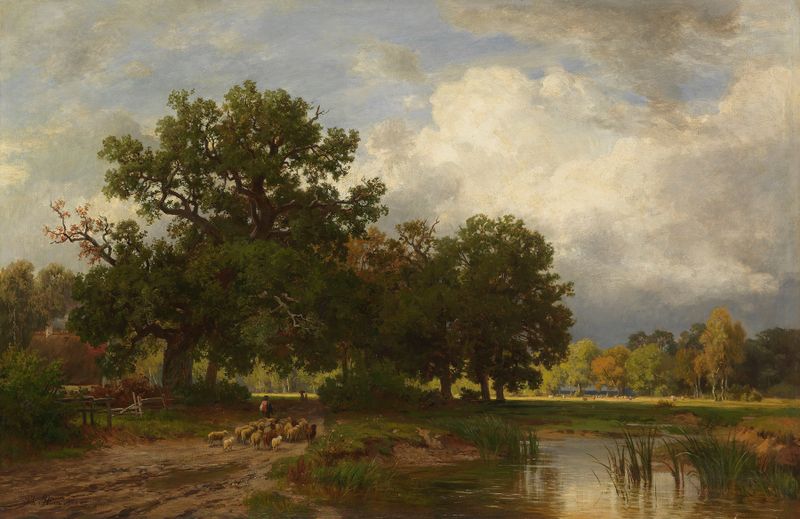
Sommerliche Landschaft mit Schafherde
Philipp Röth
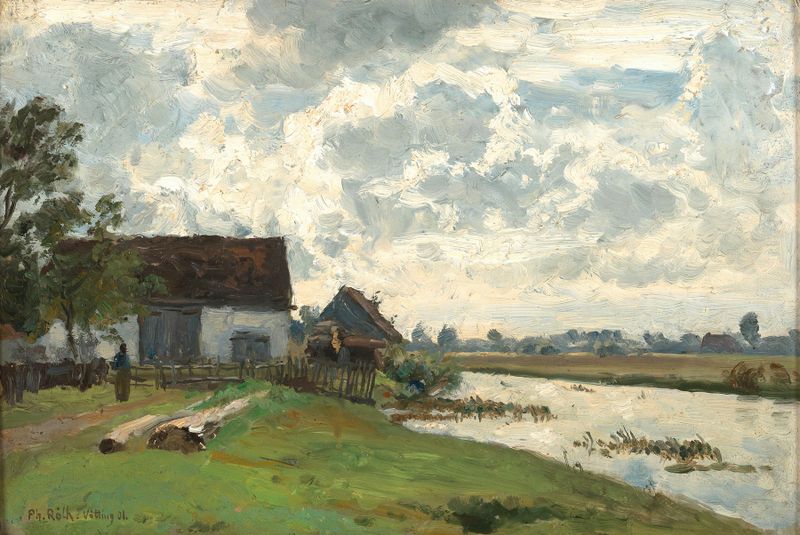
A River Landscape in Vötting
Philipp Röth
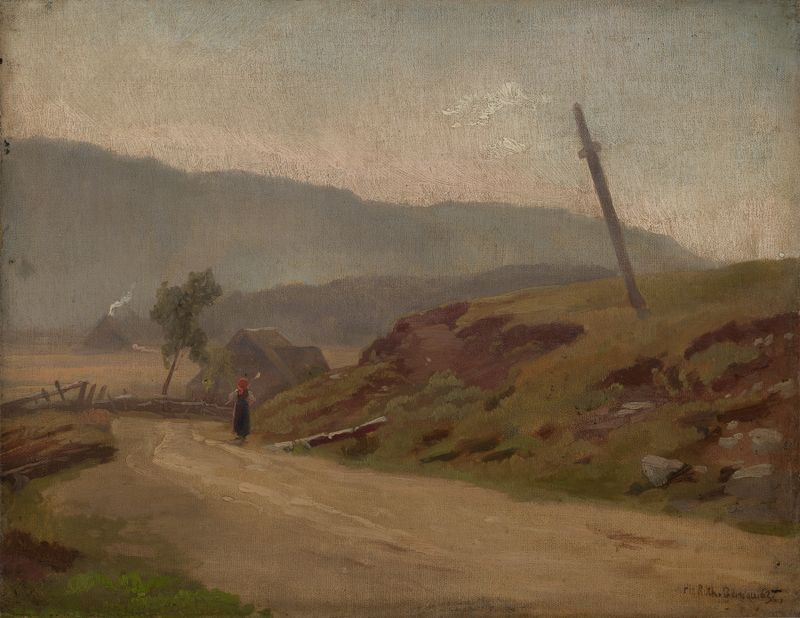
Straße im Bernauer Tal
Philipp Röth
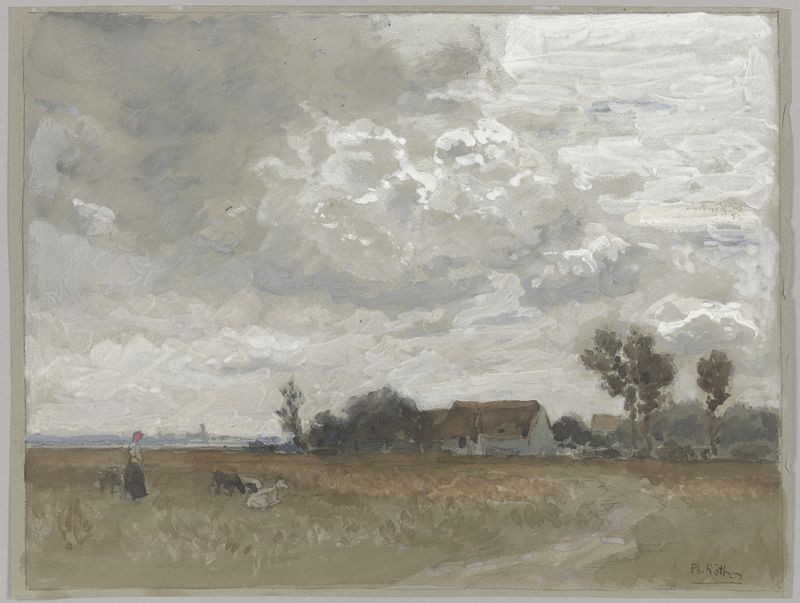
Frau mit Ziegen bei einem Gehöft
Philipp Röth
Dorfwiese mit Bauernhäusern unter Bäumen
Philipp Röth
Wasserfall in Bernau
Philipp Röth
Mutter mit Kind auf einer Wiese sitzend
Philipp Röth
Weiher Bei Bernried
Philipp Röth
Der Angler
Philipp Röth





