
Weiher Bei Bernried — History & Facts
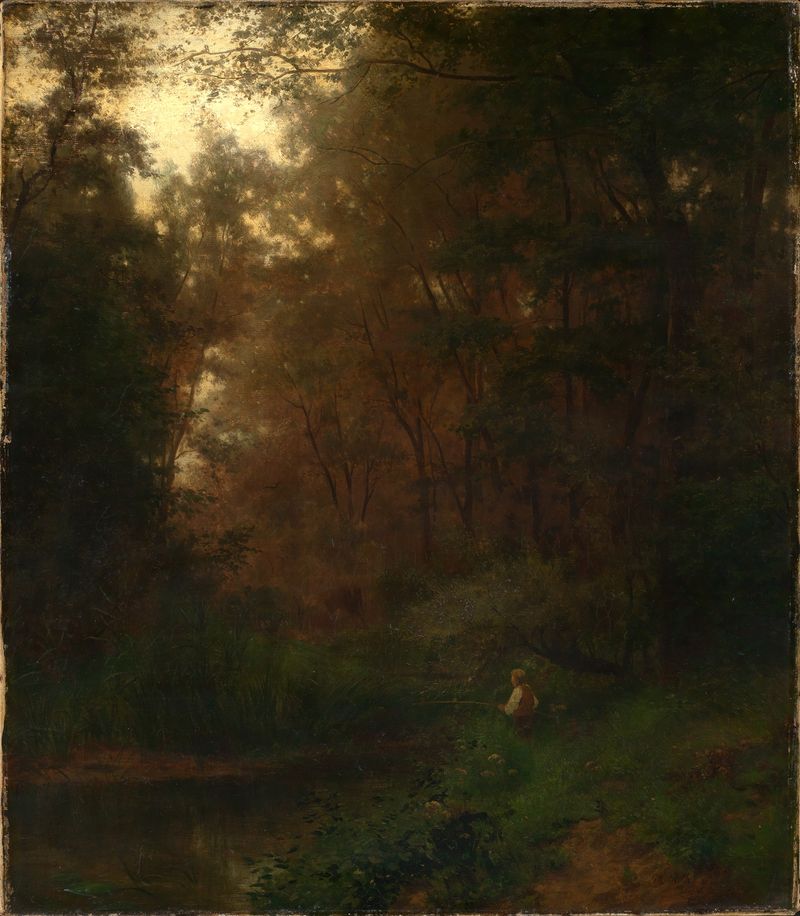
Can beauty exist without sorrow? In the tranquil embrace of nature, Weiher Bei Bernried evokes a poignant stillness, merging lush landscapes with a whisper of melancholy. Look to the left at the serene lake, its surface mirroring the soft, muted colors of the sky. Notice how the gentle brushstrokes create a sense of movement in the grasses along the shore, swaying lightly as if conversing with the breeze. The palette—a delicate blend of greens, browns, and distant blues—evokes not just a scene but a feeling, wrapping the viewer in a tender embrace while hinting at an underlying sadness. The juxtaposition of vibrancy and stillness is palpable here.
The verdant foliage, alive with life, contrasts sharply with the reflective surface of the water, suggesting the coexistence of joy and sorrow. Each detail—the light dappling through leaves, the shadowy undertones of the lake—reveals the artist's exploration of nostalgia, where beauty is intertwined with a sense of longing, an echo of what once was. In 1878, Philipp Röth painted this landscape during a period marked by the rise of the Impressionist movement in Europe, influenced by his surroundings in Bavaria. He was navigating a transition in his artistic style that sought to capture not only the physical beauty of nature but also the emotional undercurrents it stirred within.
This work reflects a moment in his life where he embraced lyrical expression, aligning himself with a broader artistic dialogue that sought to capture both the ephemeral and the eternal.
More Artworks by Philipp Röth
Browse all →
Wiesenlandschaft mit trinkender Herde
Philipp Röth
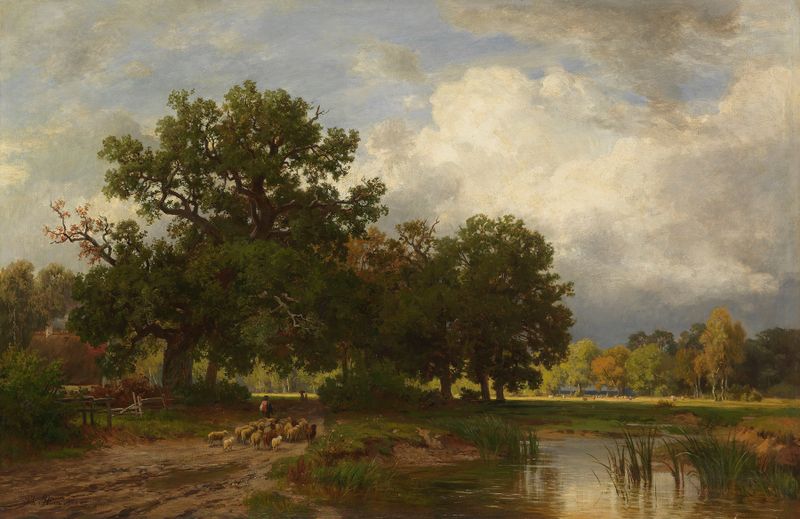
Sommerliche Landschaft mit Schafherde
Philipp Röth
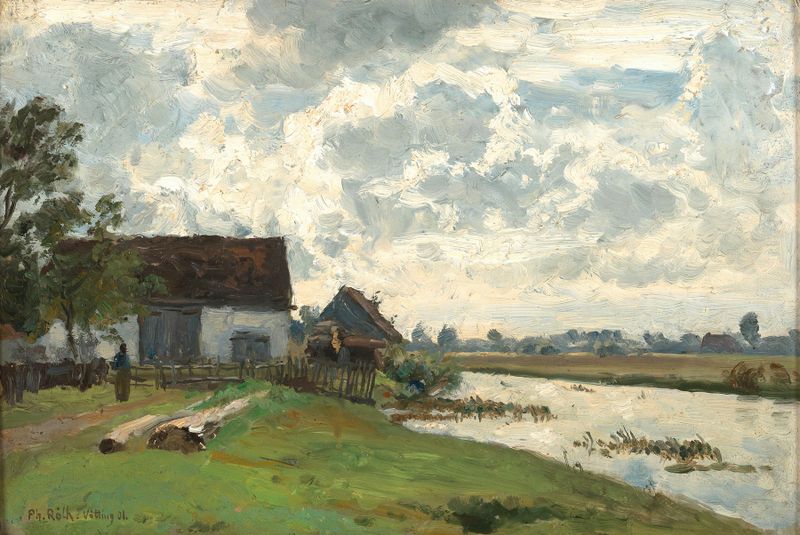
A River Landscape in Vötting
Philipp Röth
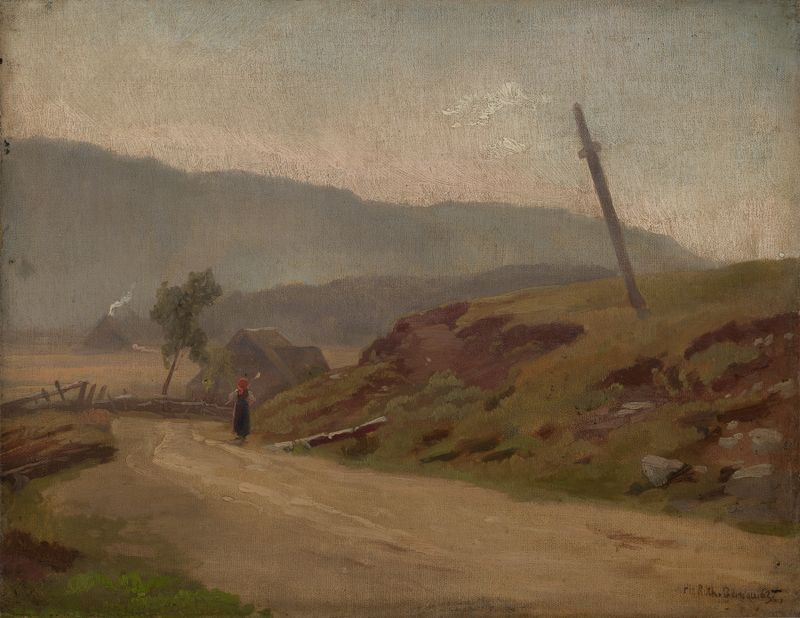
Straße im Bernauer Tal
Philipp Röth
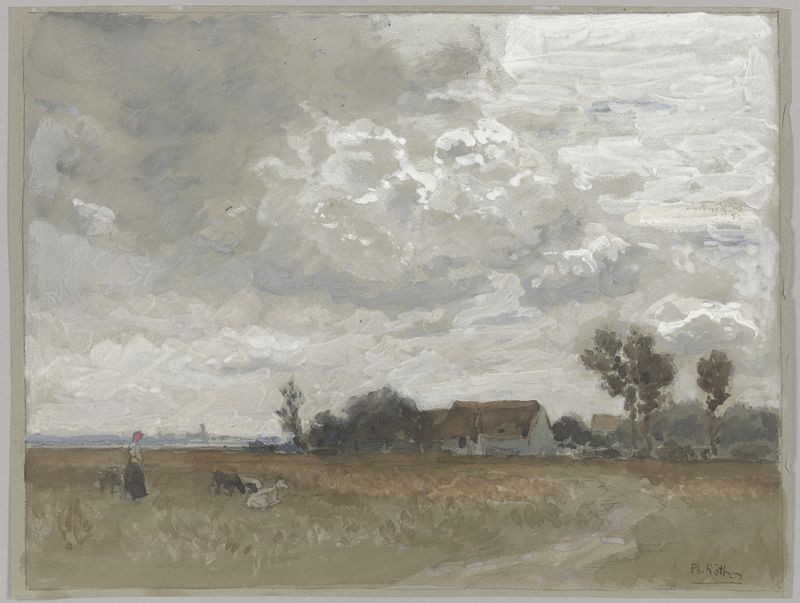
Frau mit Ziegen bei einem Gehöft
Philipp Röth
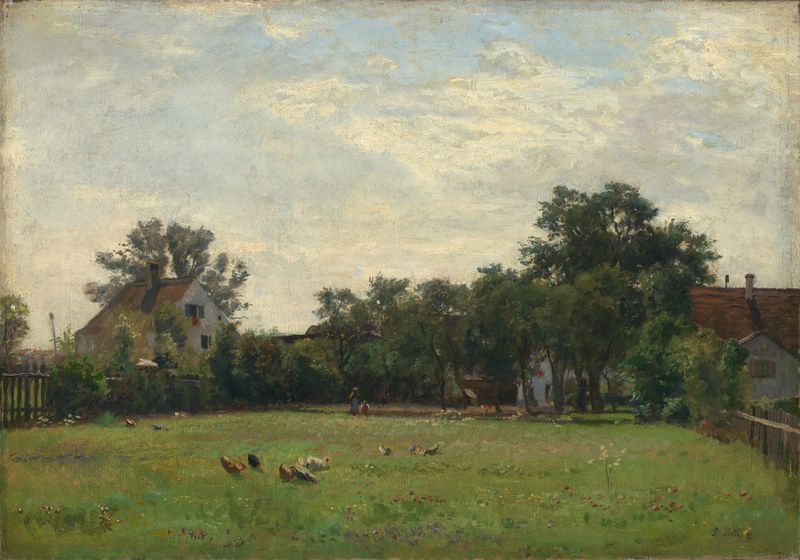
Dorfwiese mit Bauernhäusern unter Bäumen
Philipp Röth
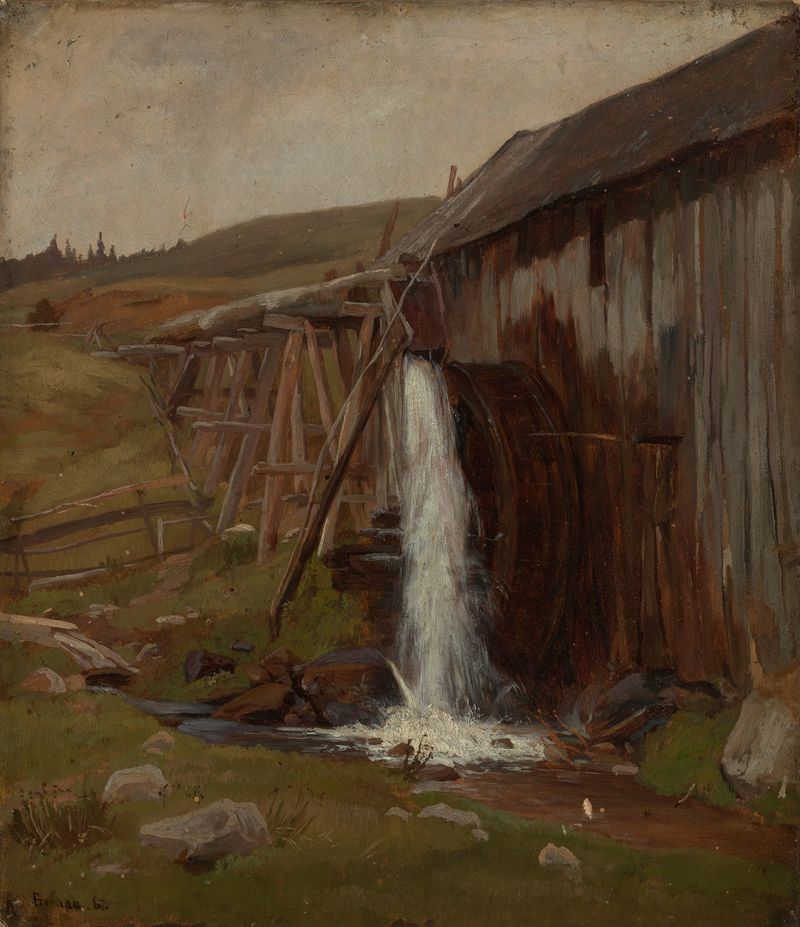
Mühle in Bernau
Philipp Röth
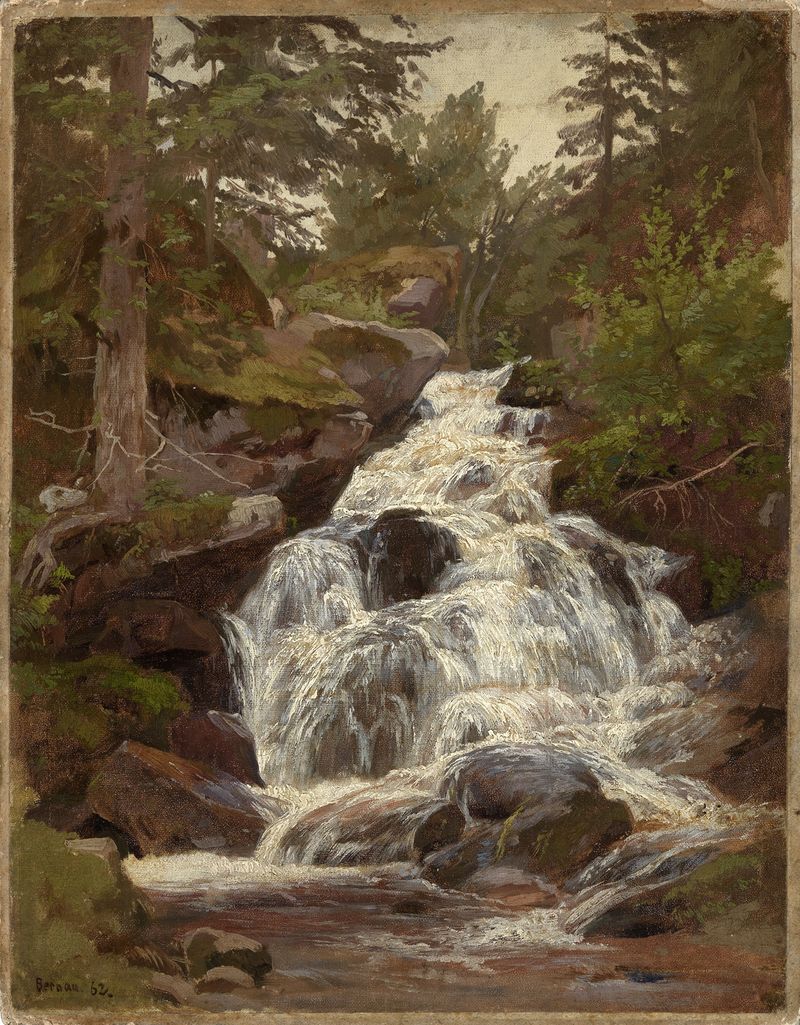
Wasserfall in Bernau
Philipp Röth
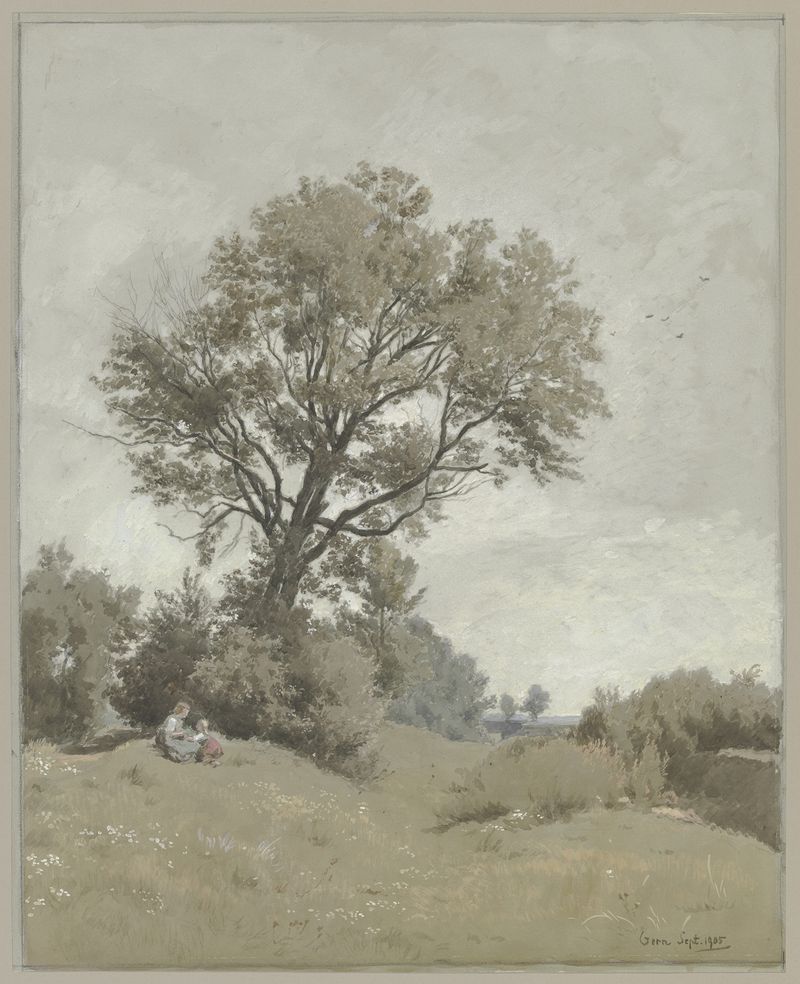
Mutter mit Kind auf einer Wiese sitzend
Philipp Röth
Der Angler
Philipp Röth





