
Mutter mit Kind auf einer Wiese sitzend — History & Facts
In the quiet embrace of nature, a profound melancholy lingers, inviting reflection on the fleeting moments of tenderness in life. Focus on the mother and child nestled on the verdant grass, their serene presence radiating warmth amidst a tapestry of soft greens and muted earth tones. Notice how the gentle brushstrokes depict the sunlight filtering through the leaves above, casting a dappled pattern across their figures. The careful interplay of light and shadow emphasizes their connection, while the surrounding wildflowers breathe life into the composition, guiding the eye toward the soft contours of their forms. Yet, beneath the calm surface lies a deeper emotional current.
The mother’s gaze is distant, hinting at unspoken worries or a longing for times past, while her child’s innocent play contrasts sharply with this undertone of melancholy. Each detail—the delicate fingers sifting through grass, the quiet curve of the mother’s mouth—serves as a poignant reminder of the dualities of life: joy intertwined with sorrow, presence shadowed by absence. In 1905, while creating this piece, the artist found himself at a crossroads. Emerging from the influences of the Romantic movement, he sought to capture the intimate connection between humanity and nature.
Life was transitioning; societal norms were evolving, and personal struggles colored his perspective. This painting reflects that intricate balance between the beauty of familial bonds and the weight of existential reflection, a sentiment that resonates through time.
More Artworks by Philipp Röth
Browse all →
Wiesenlandschaft mit trinkender Herde
Philipp Röth
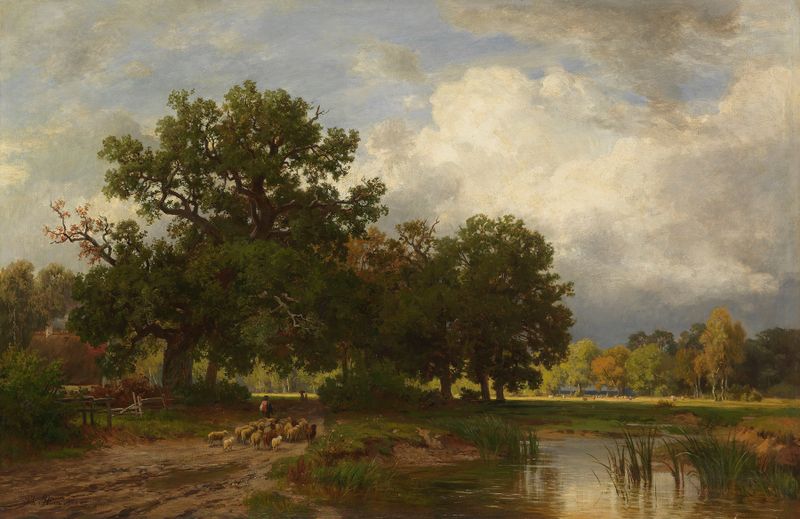
Sommerliche Landschaft mit Schafherde
Philipp Röth
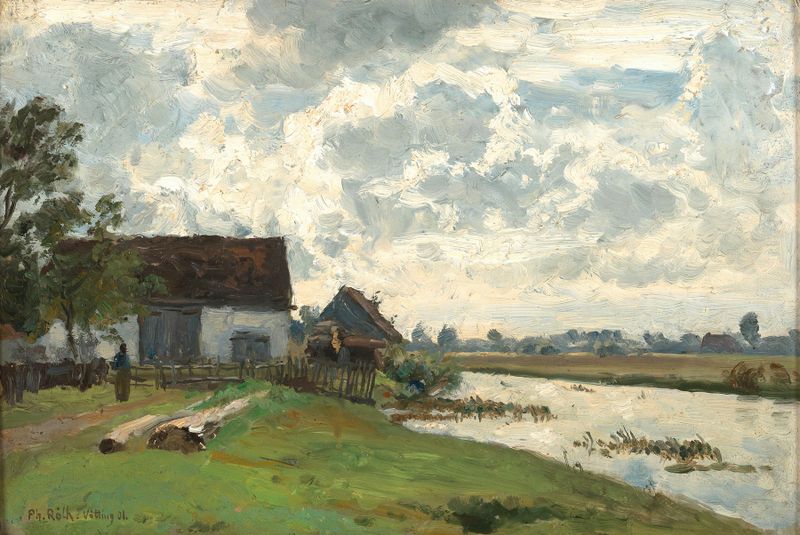
A River Landscape in Vötting
Philipp Röth
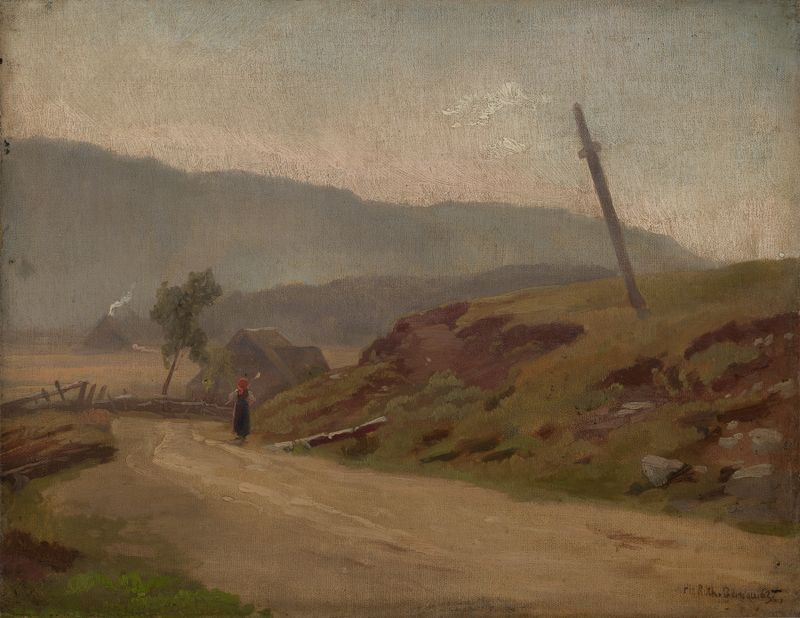
Straße im Bernauer Tal
Philipp Röth
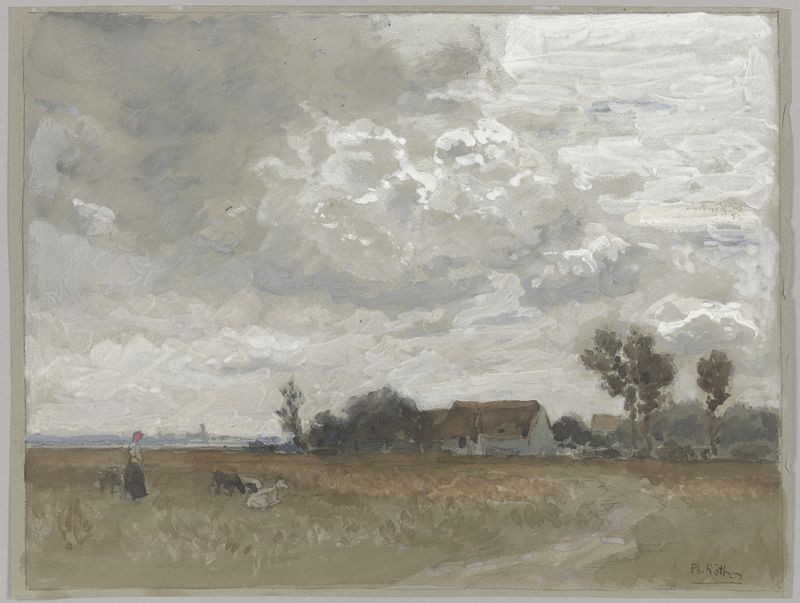
Frau mit Ziegen bei einem Gehöft
Philipp Röth
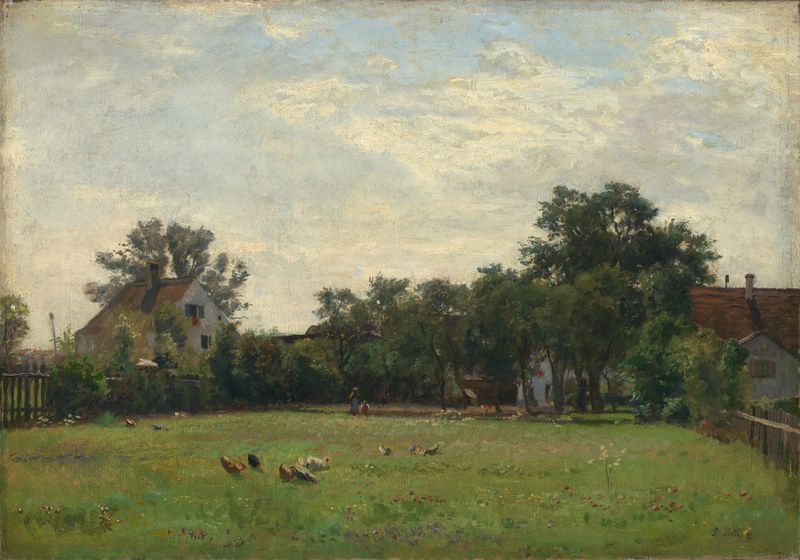
Dorfwiese mit Bauernhäusern unter Bäumen
Philipp Röth
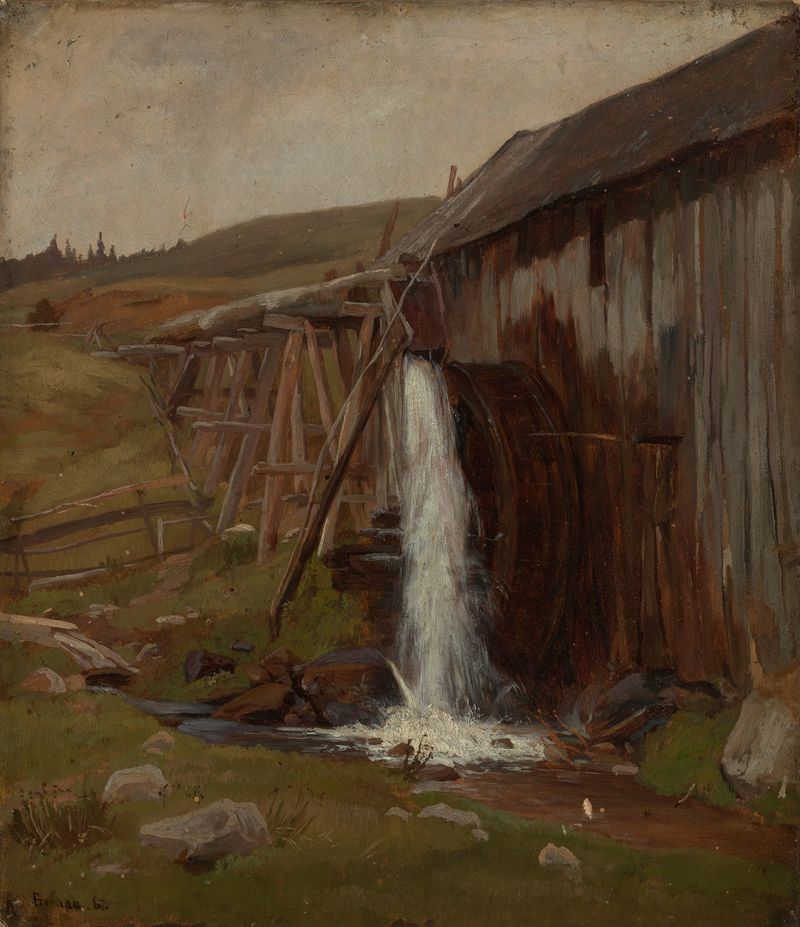
Mühle in Bernau
Philipp Röth
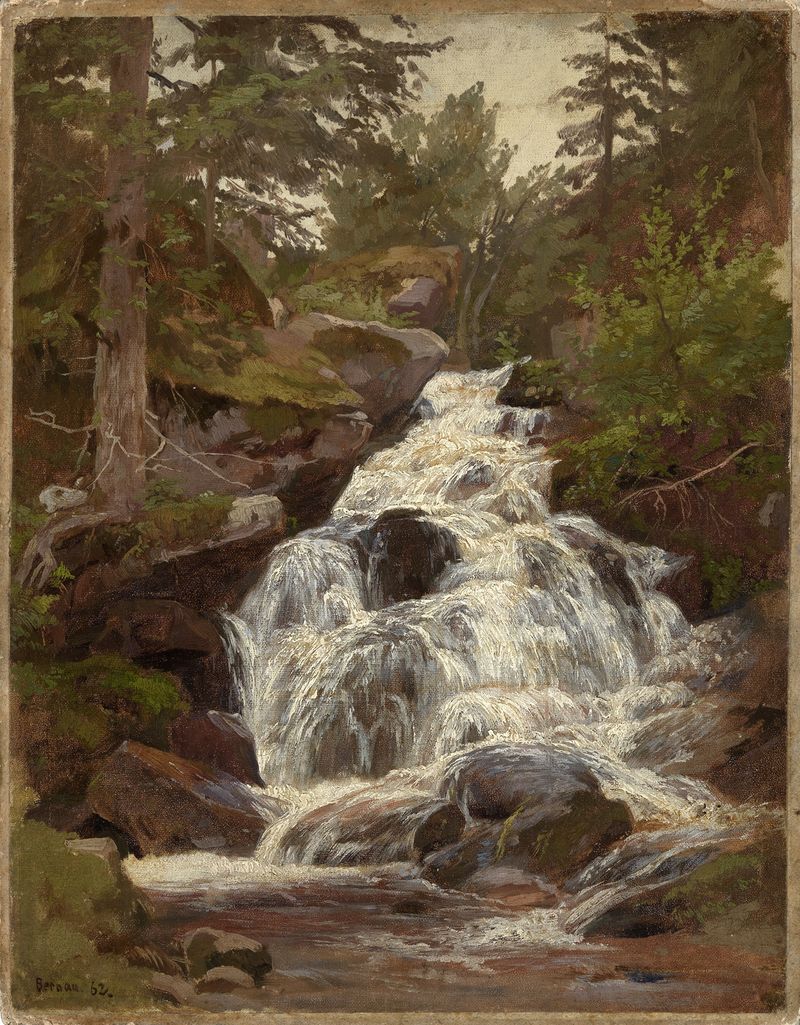
Wasserfall in Bernau
Philipp Röth
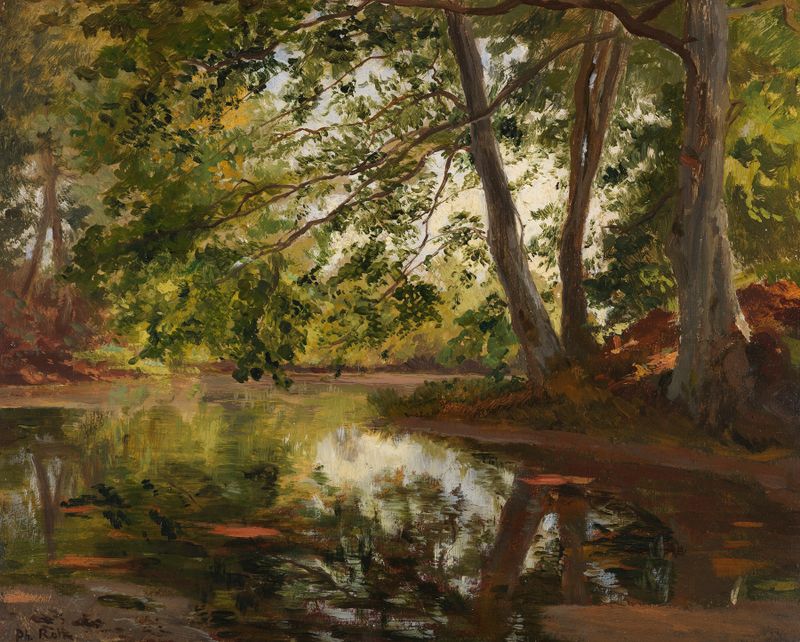
Weiher Bei Bernried
Philipp Röth
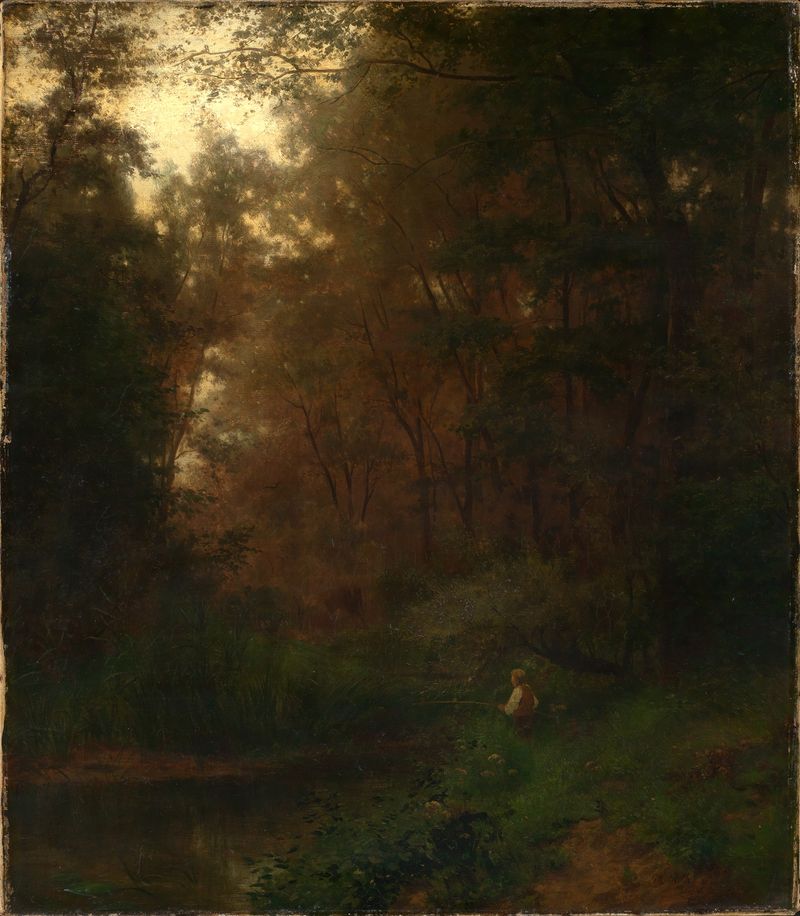
Der Angler
Philipp Röth





