Mid-Day Rest, Harvest — History & Facts
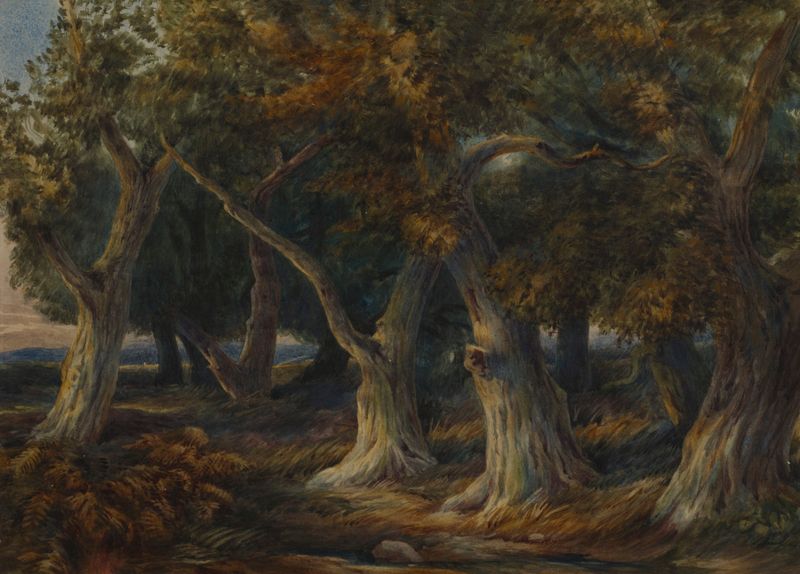
Did the painter know this moment would outlive them? In Mid-Day Rest, Harvest, beauty unfolds in a serene tableau, whispering secrets of labor and respite across time. Look to the left at the weary figures, resting amidst wheat sheaves; their bodies caught in a moment of shared silence. The soft, golden hues of the sun-kissed harvest contrast against their earthy attire, capturing the essence of rural life. Notice how the delicate brushstrokes create a gentle rhythm, inviting the viewer's eye to wander through the luminous landscape, while the dappled light plays across the scene, imbuing it with warmth and tranquility. There’s an intimate tension between toil and tranquility here.
The juxtaposition of the laborers’ exhaustion against the bountiful harvest evokes themes of sacrifice and reward. Each bow of their heads tells a story of resilience and community. The surrounding nature, lush yet subdued, mirrors their weariness while simultaneously celebrating the fruits of their efforts—an embodiment of the cycle of life and labor. William Frederick Witherington painted this piece at an unspecified time, likely during the early to mid-19th century in England.
At this juncture, he was influenced by the romantic ideals that celebrated pastoral life and the beauty of nature, a reflection of the changing social landscape as industrialization began to reshape society. This work captures a moment of harmony between humanity and the earth, presenting a poignant reminder of life's enduring rhythms amidst the chaos of progress.