
Midnight — History & Facts
Could beauty survive in a century of chaos? In the stillness of Midnight, a delicate balance of shadow and light reveals the whisper of destiny, suggesting that tranquility can exist even amidst turmoil. Look to the deep azure sky, where hints of cerulean intertwine with the dark velvet of night. The soft glow of the moonlight bathes the serene landscape, casting gentle reflections on the water below. Focus on the intricate brushwork that captures the rippling surface, each stroke inviting the viewer to linger in this moment of quietude.
The composition draws the eye toward the horizon, a vanishing point echoing the enigmatic allure of the scene, while the subtle gradations of color evoke an ethereal stillness. In this piece, the contrast between the expansive sky and the reflective water hints at a deeper dialogue between the infinite and the intimate. The night, often a harbinger of uncertainty, here becomes a sanctuary for contemplation, where one can ponder the fate of creation itself. Small details, such as the delicate wisps of clouds and the shimmering surface, suggest a harmony that transcends the chaos of the surrounding world. In 1891, when Midnight was painted, Jean Charles Cazin was immersed in a period of artistic exploration, embracing the principles of Impressionism while lending his touch to landscapes that spoke of deep emotion.
At this time, France was undergoing significant social and political changes, and artists sought refuge in nature, striving to capture fleeting moments of beauty amid the chaos of modern life.
More Artworks by Jean Charles Cazin
Browse all →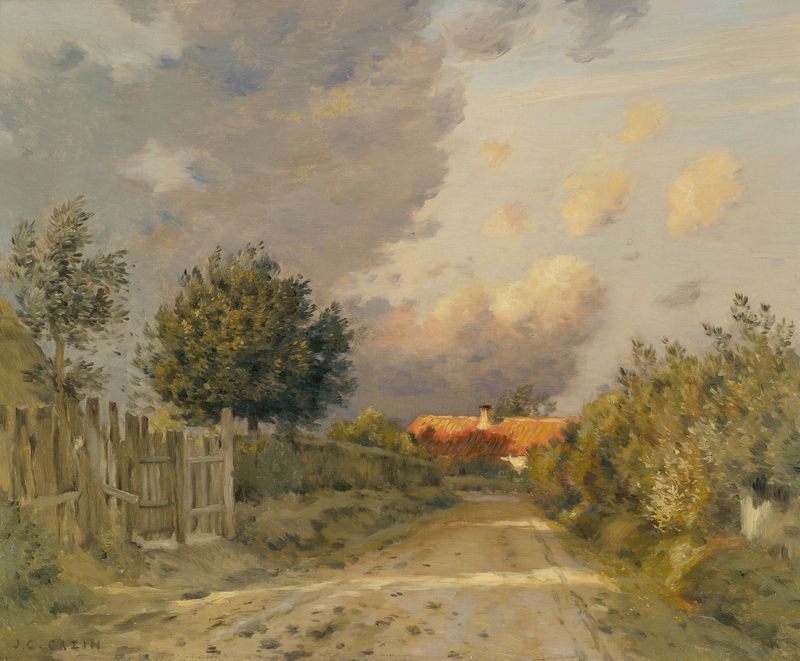
Early Evening In The French Countryside
Jean Charles Cazin
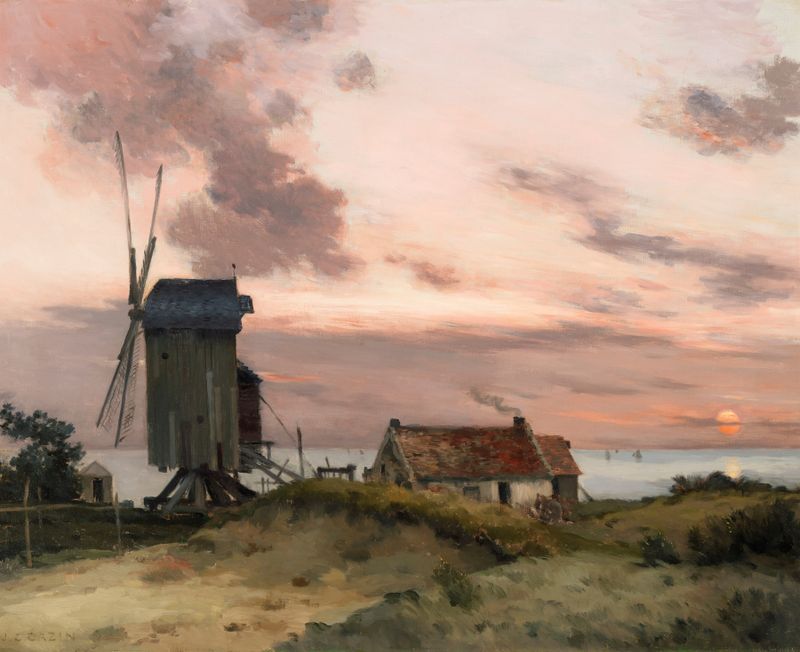
Windmill on a Beach
Jean Charles Cazin
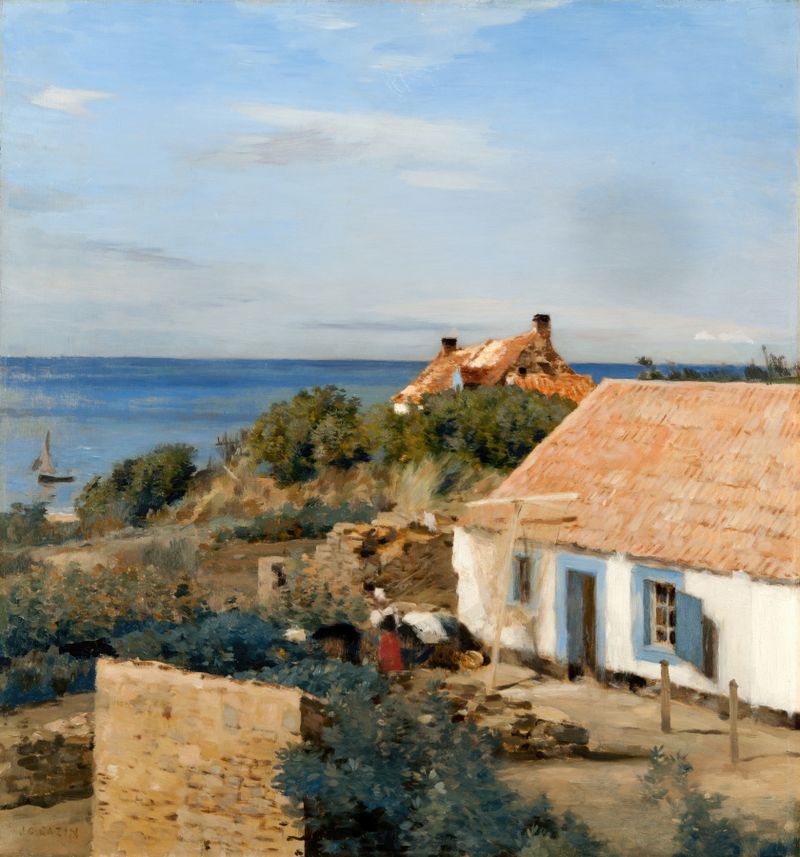
French Landscape
Jean Charles Cazin

Tobias and the Angel
Jean Charles Cazin

October Day
Jean Charles Cazin

Paysage au clair de lune
Jean Charles Cazin
Rest on the Flight into Egypt
Jean Charles Cazin
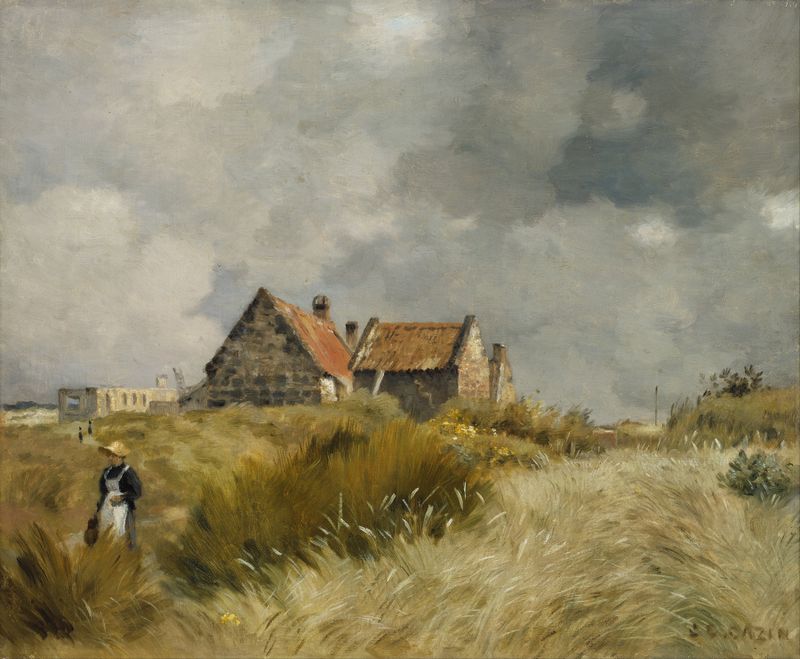
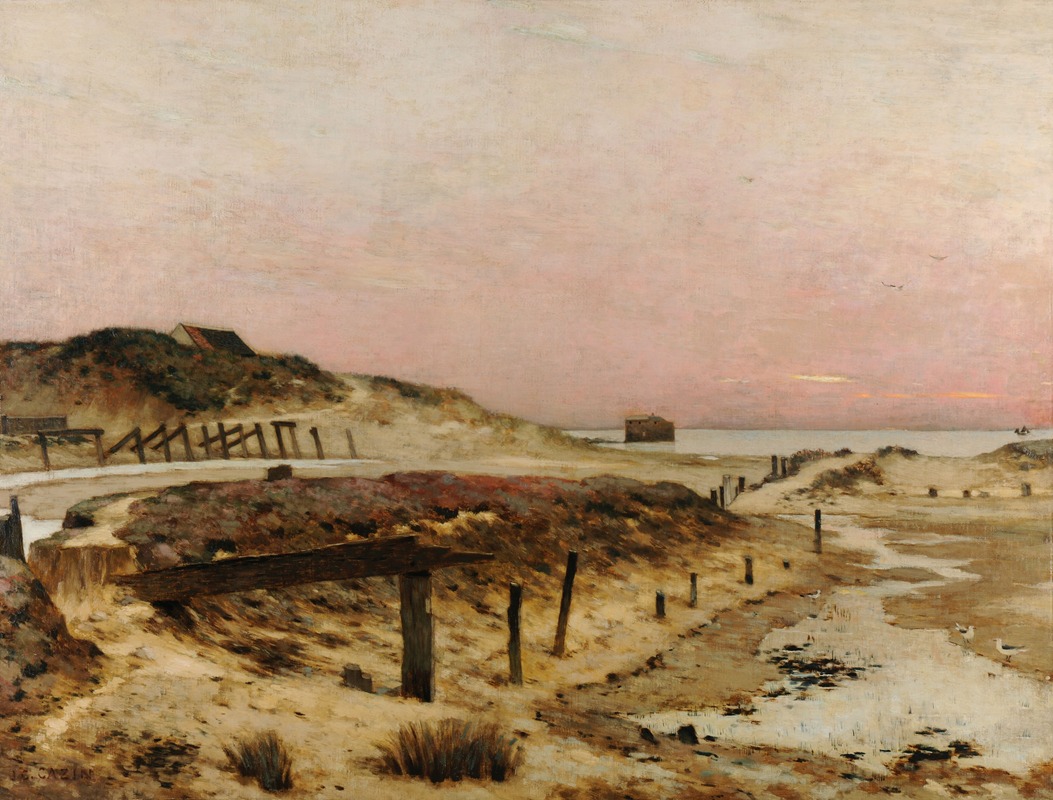
Cottage in the Dunes
Jean Charles Cazin

The Boatyard
Jean Charles Cazin

The Last Rays
Jean Charles Cazin





