
The Boatyard — History & Facts
When did color learn to lie? As if in a dream, hues dance across the canvas, luring us deeper into a world where shadows whisper secrets and light tempts the eye with its vibrant allure. Look closely at the tranquil water in the foreground; it's a mirror reflecting not just the sky, but an entire realm of possibility. The palette is a warm embrace of earthy tones melding with splashes of azure, drawing the viewer straight into the heart of the scene. Notice how the composition is anchored by the weathered boats, their shapes softened by the brushstrokes, creating a sense of intimacy in the chaos of the boatyard.
Each corner of the canvas is alive, yet it breathes a careful stillness, inviting contemplation. Delve into the contrasts — the peacefulness of the boats juxtaposed against the bustling activity of the workers in the background. Here lies the tension of obsession, a subtle commentary on labor and longing, where craftsmanship meets the relentless passage of time. The texture of the brushwork conveys not just the physicality of the boats, but the emotional weight of each stroke, as if the artist were channeling the very heartbeat of the yard itself. In the mid-1870s, Cazin was immersed in the French Impressionist movement, painting in the coastal region of Normandy.
His works from this time reflect a growing preoccupation with light and color, as he sought to capture the essence of everyday life in a rapidly modernizing world. This piece represents not only the physical space of the boatyard but an exploration of the artist's own relationship with nature and craft, revealing an unwavering dedication to his vision.
More Artworks by Jean Charles Cazin
Browse all →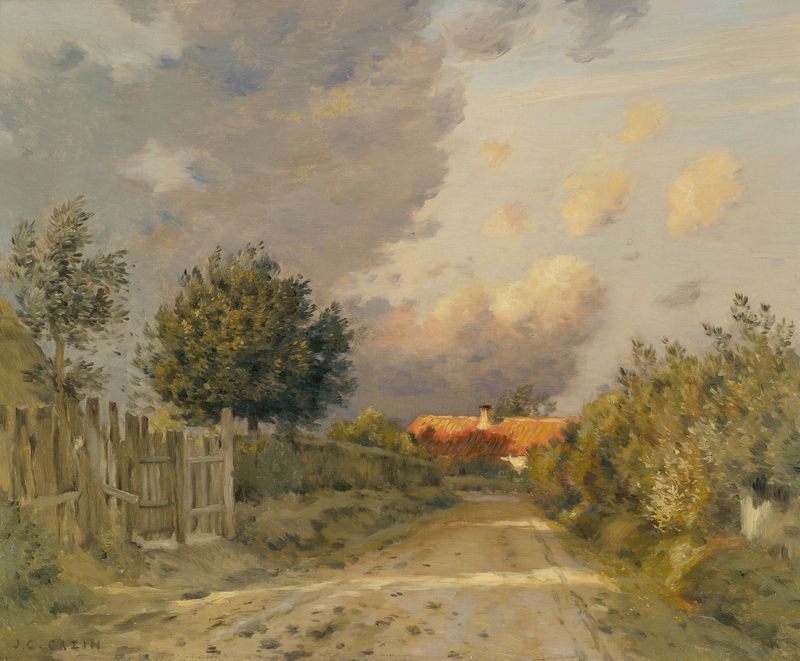
Early Evening In The French Countryside
Jean Charles Cazin
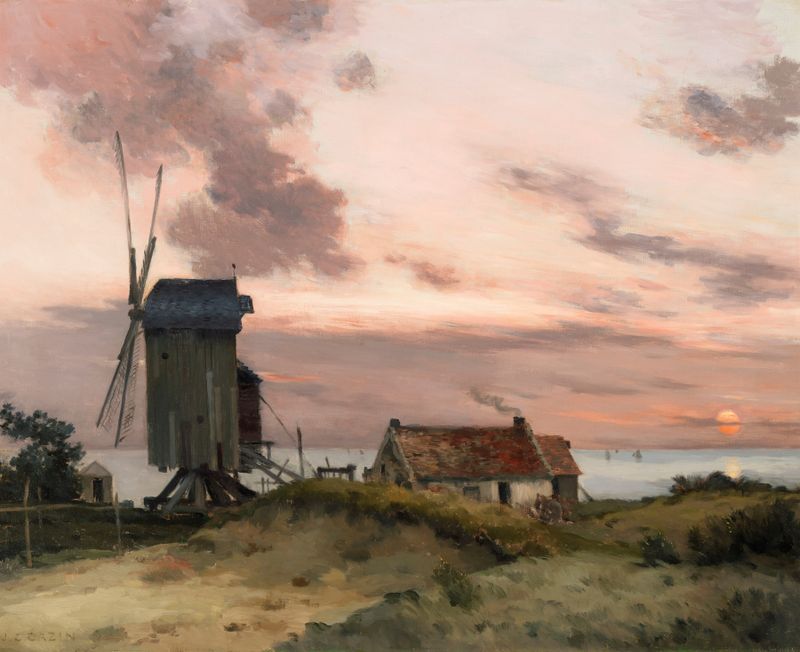
Windmill on a Beach
Jean Charles Cazin
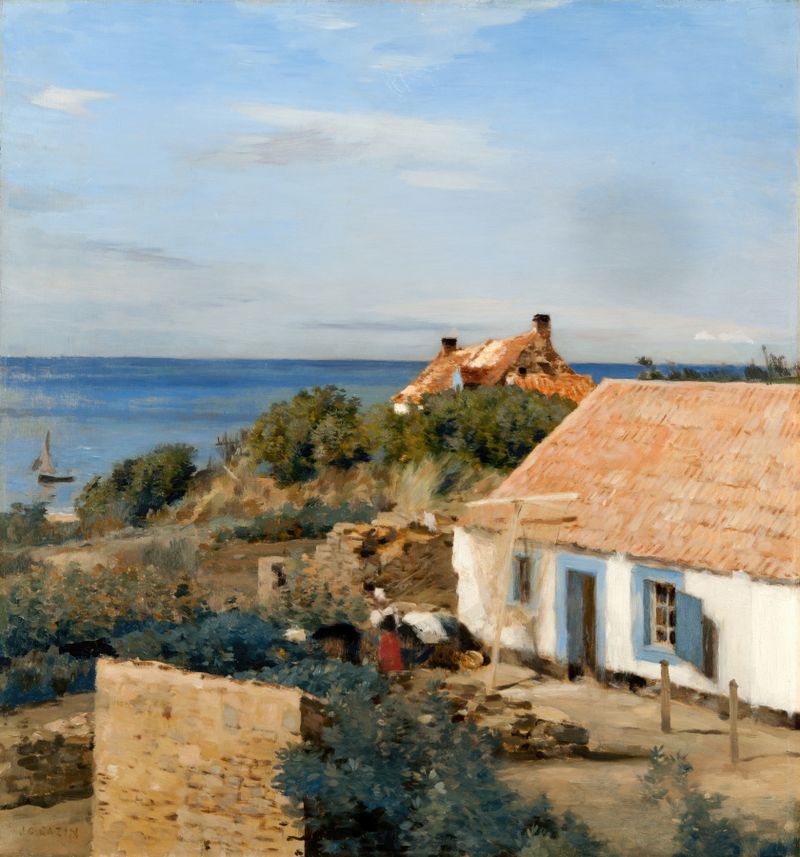
French Landscape
Jean Charles Cazin
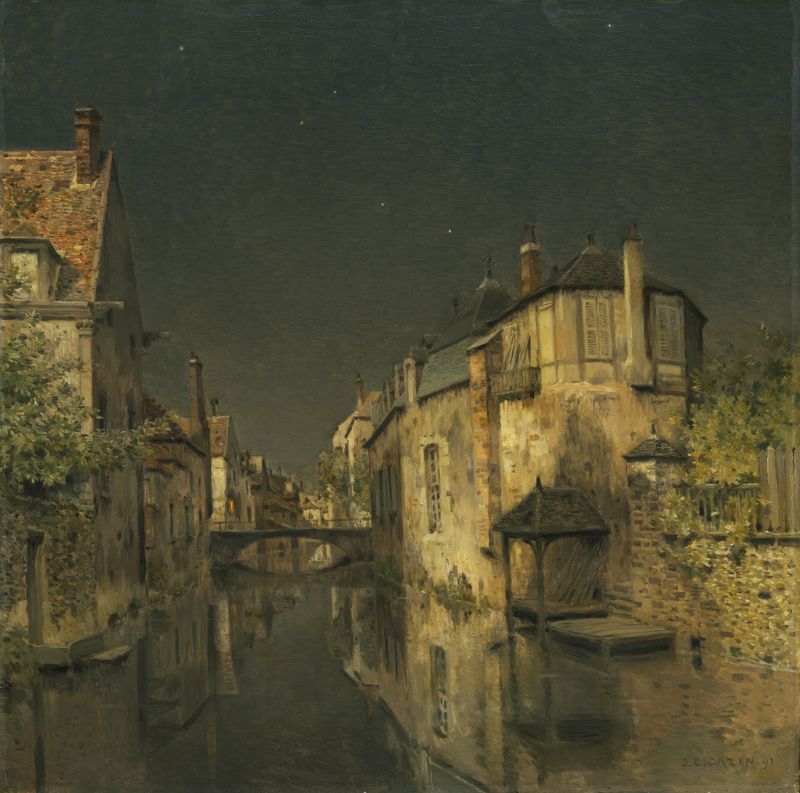
Midnight
Jean Charles Cazin

Tobias and the Angel
Jean Charles Cazin

October Day
Jean Charles Cazin

Paysage au clair de lune
Jean Charles Cazin
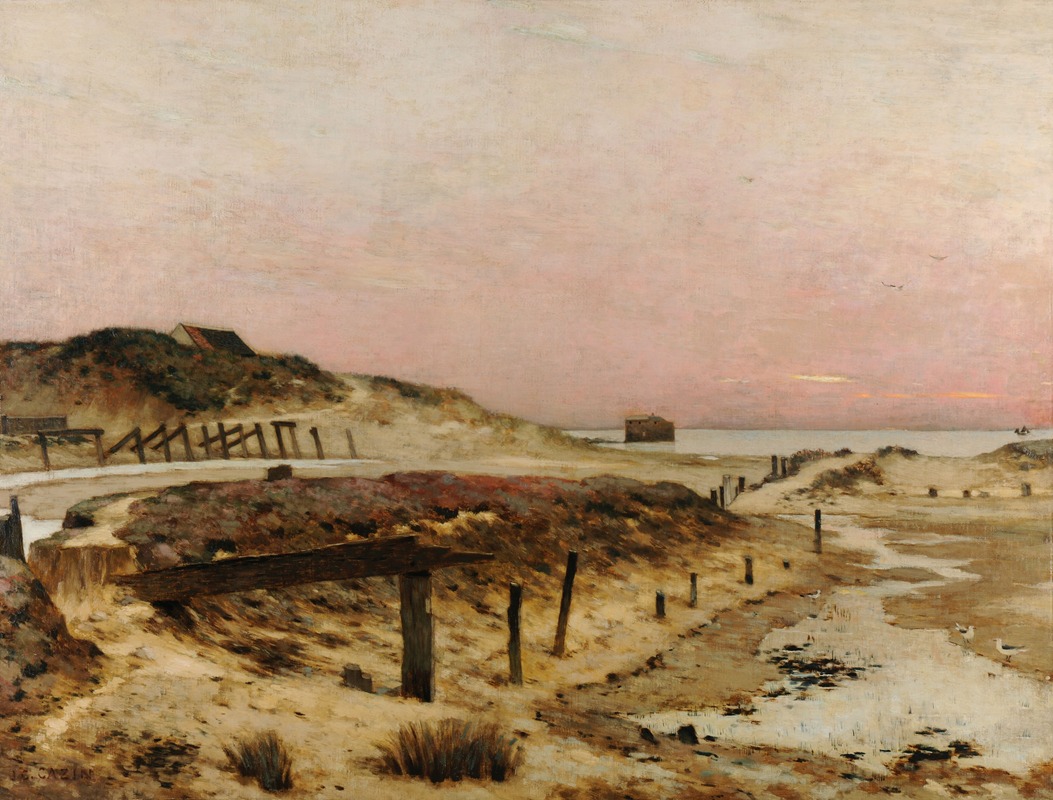
Rest on the Flight into Egypt
Jean Charles Cazin
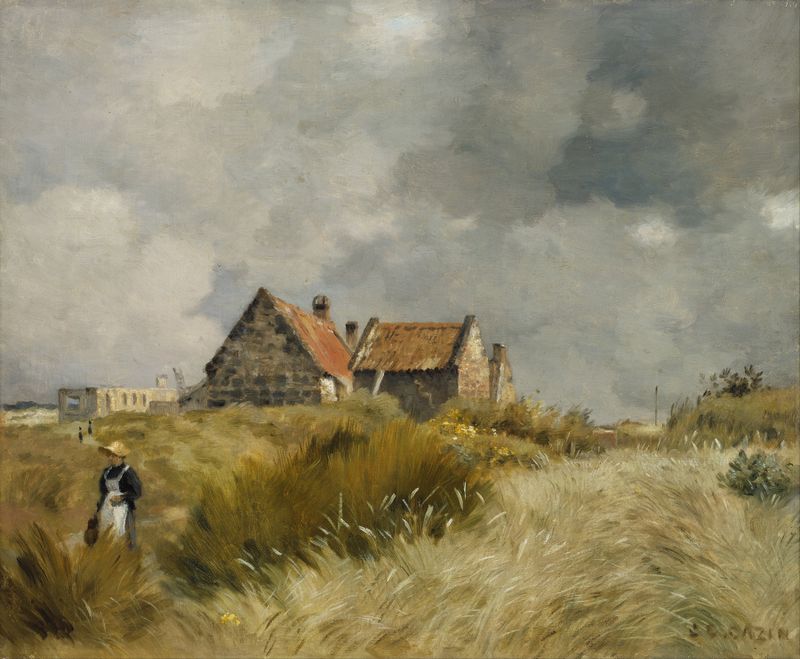
Cottage in the Dunes
Jean Charles Cazin

The Last Rays
Jean Charles Cazin





