
Mill — History & Facts
What if silence could speak through light? In Mill, Ferdynand Ruszczyc captures the divine essence of tranquility, where nature and architecture harmoniously coexist, whispering secrets of a bygone era. Look to the left at the sturdy mill, its weathered wooden beams bathed in a golden glow. The structure stands resolute against a backdrop of cascading trees, their leaves a rich tapestry of greens and browns. Notice how the light filters through the branches, creating dappled patterns on the ground, inviting your gaze to wander.
The soft, warm palette evokes a sense of nostalgia, while the winding river reflects the sky’s hues, bridging the earthly with the celestial. Delve deeper into the painting's quiet contrasts; the mill symbolizes human labor, yet it stands still, almost reverent in the face of nature’s grandeur. The interplay between light and shadow suggests a dance between the sacred and the mundane, where each element plays a vital role in this serene landscape. The luminous reflections on the water surface seem to echo a sense of divinity, hinting at the sacredness inherent in everyday life. Ruszczyc painted Mill in 1898 while living in Poland, a time when national identity was gaining prominence amidst political turbulence.
The artist was deeply influenced by the Symbolist movement, which sought to transcend reality through art. This work reflects his desire to convey deeper emotional truths, merging natural beauty with a sense of everlasting spirituality in a world on the brink of change.
More Artworks by Ferdynand Ruszczyc
Browse all →
Winter Tale
Ferdynand Ruszczyc

Trees against the sky
Ferdynand Ruszczyc
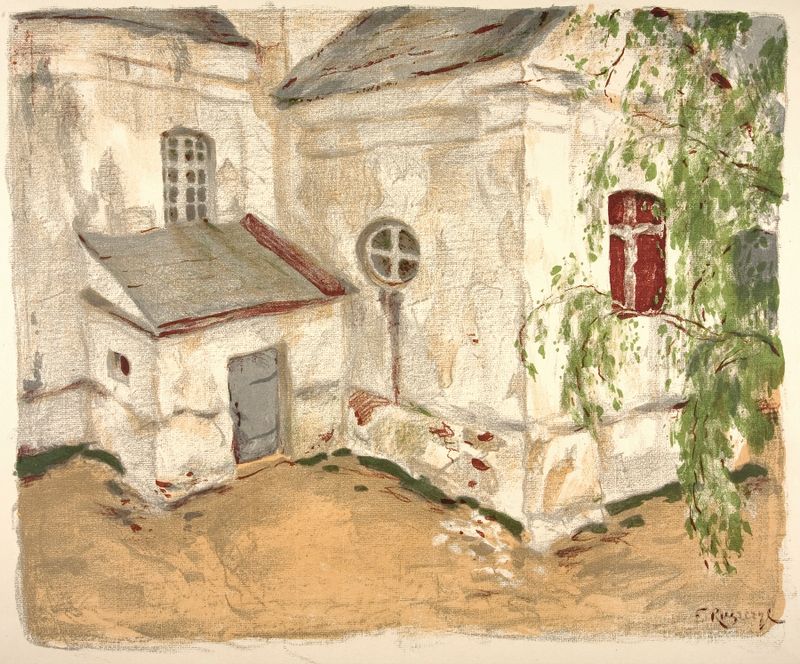
Church in Lithuania
Ferdynand Ruszczyc
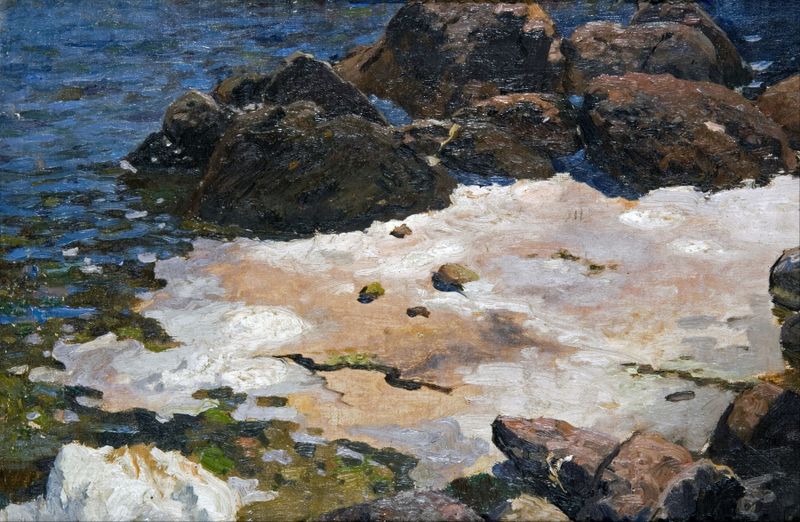
Krym, brzeg morza
Ferdynand Ruszczyc

Forest rivulet
Ferdynand Ruszczyc
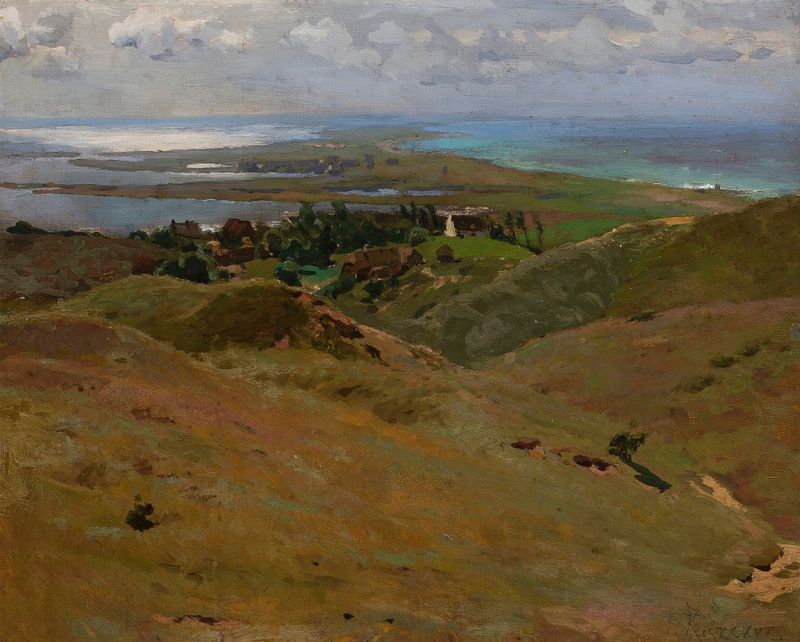
Landscape from Bornholm
Ferdynand Ruszczyc

Landscape – stream
Ferdynand Ruszczyc
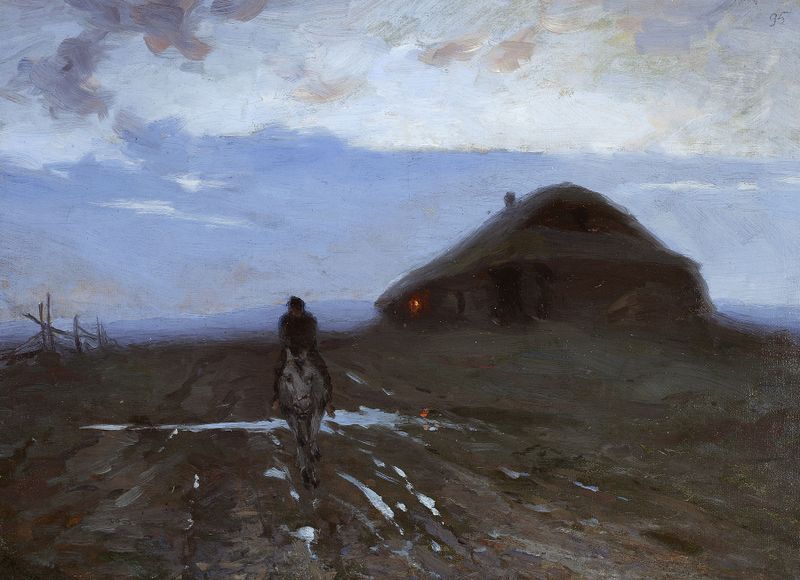
Wayside inn
Ferdynand Ruszczyc

Landscape study in Bohdanów
Ferdynand Ruszczyc

Landscape with Clouds
Ferdynand Ruszczyc





