
Winter Tale — History & Facts
Is this a mirror — or a memory? The essence of illusion permeates the canvas, inviting the viewer to ponder the boundaries between reality and imagination. Look to the lower right, where the crisp whites and muted blues of snow seem to dance beneath a delicate, dusky sky. The brushstrokes, light yet deliberate, create an enchanting interplay of texture and color, drawing our gaze to the ethereal trees that arch gracefully above. Notice how the scattered light filters through the bare branches, casting intricate shadows that pulse with life amidst the tranquil winter landscape. Delve deeper, and you’ll discover a tension between the serene beauty of nature and the lurking melancholy beneath.
The sparse, barren branches symbolize the passage of time and the quiet solitude of winter, while the faint hints of warmth in the sky reflect an unfulfilled yearning for the vibrancy of life. It’s as if the painting encapsulates a moment suspended in time, teetering on the edge of nostalgia and hope, where the viewer is left questioning what lies beyond the visible. In 1904, Ferdynand Ruszczyc painted Winter Tale during a period marked by a burgeoning interest in Symbolism and the emotional depth of landscapes. Living in Poland, he was deeply influenced by the natural beauty surrounding him and the tumultuous socio-political climate of his country.
This work reflects not only his mastery of technique but also his desire to evoke a profound connection between the viewer and the essence of the winter season.
More Artworks by Ferdynand Ruszczyc
Browse all →
Trees against the sky
Ferdynand Ruszczyc
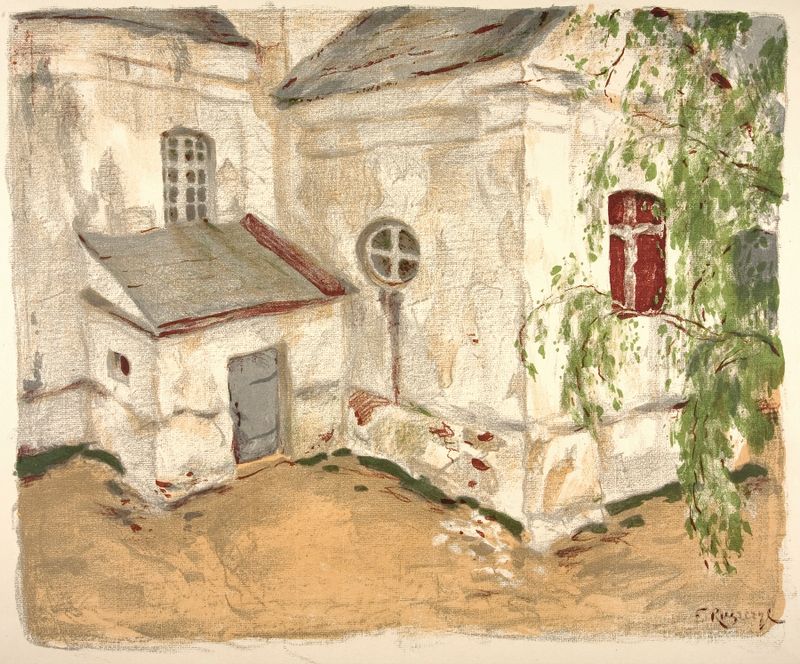
Church in Lithuania
Ferdynand Ruszczyc
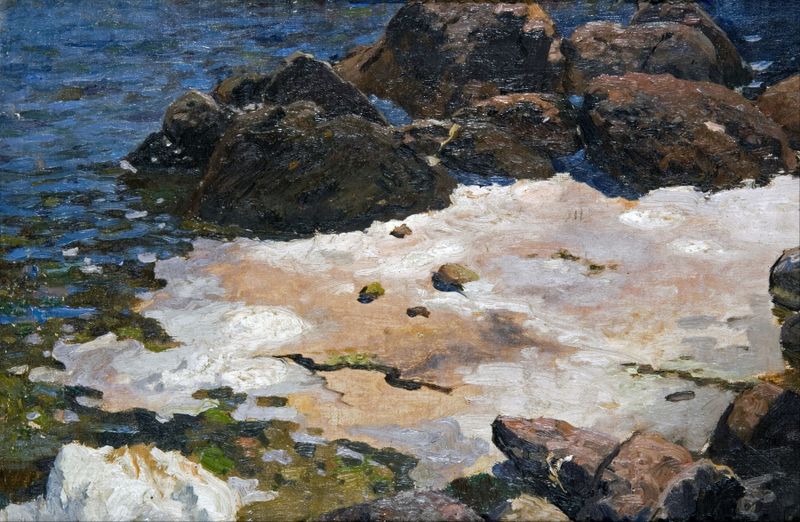
Krym, brzeg morza
Ferdynand Ruszczyc

Forest rivulet
Ferdynand Ruszczyc
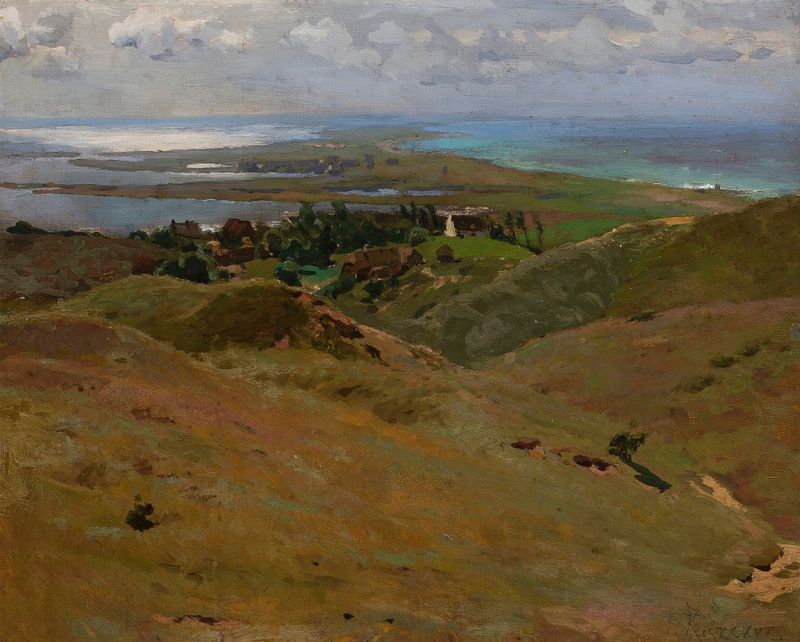
Landscape from Bornholm
Ferdynand Ruszczyc

Mill
Ferdynand Ruszczyc

Landscape – stream
Ferdynand Ruszczyc
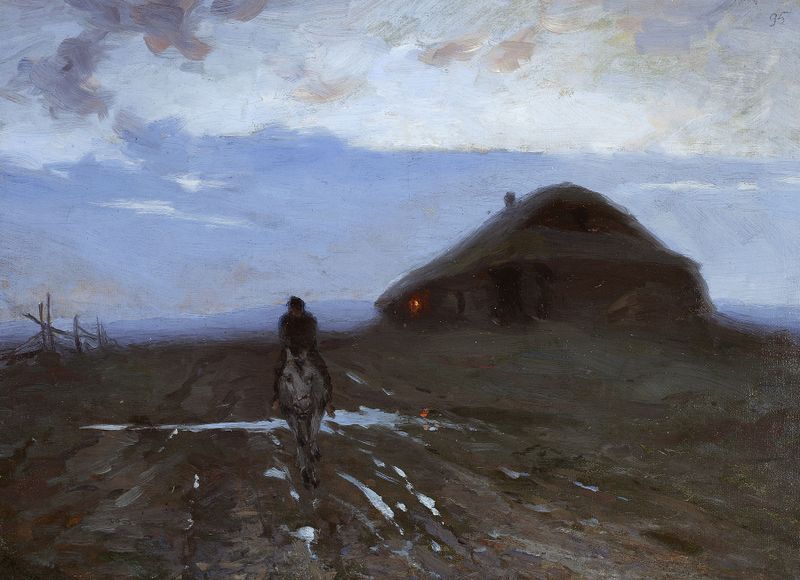
Wayside inn
Ferdynand Ruszczyc

Landscape study in Bohdanów
Ferdynand Ruszczyc

Landscape with Clouds
Ferdynand Ruszczyc





