Mill-Race — History & Facts
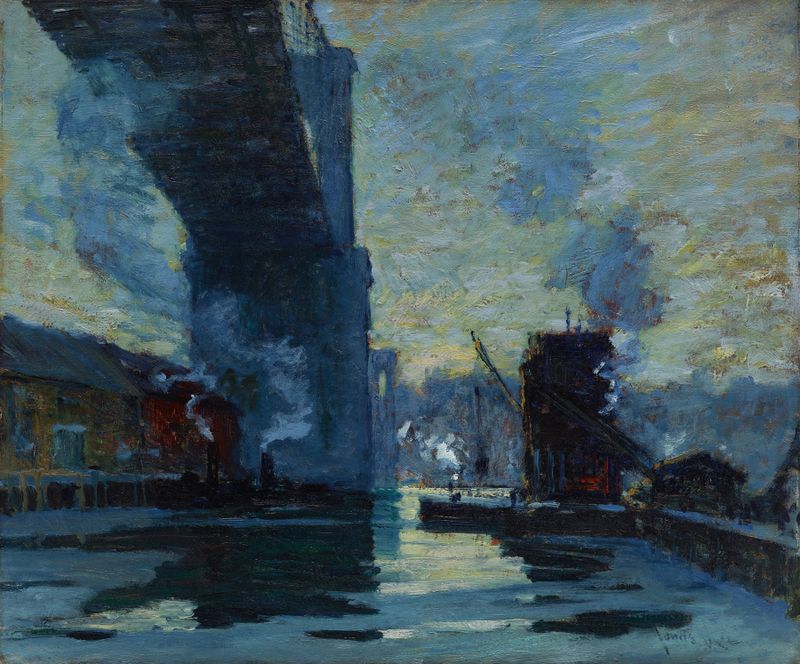
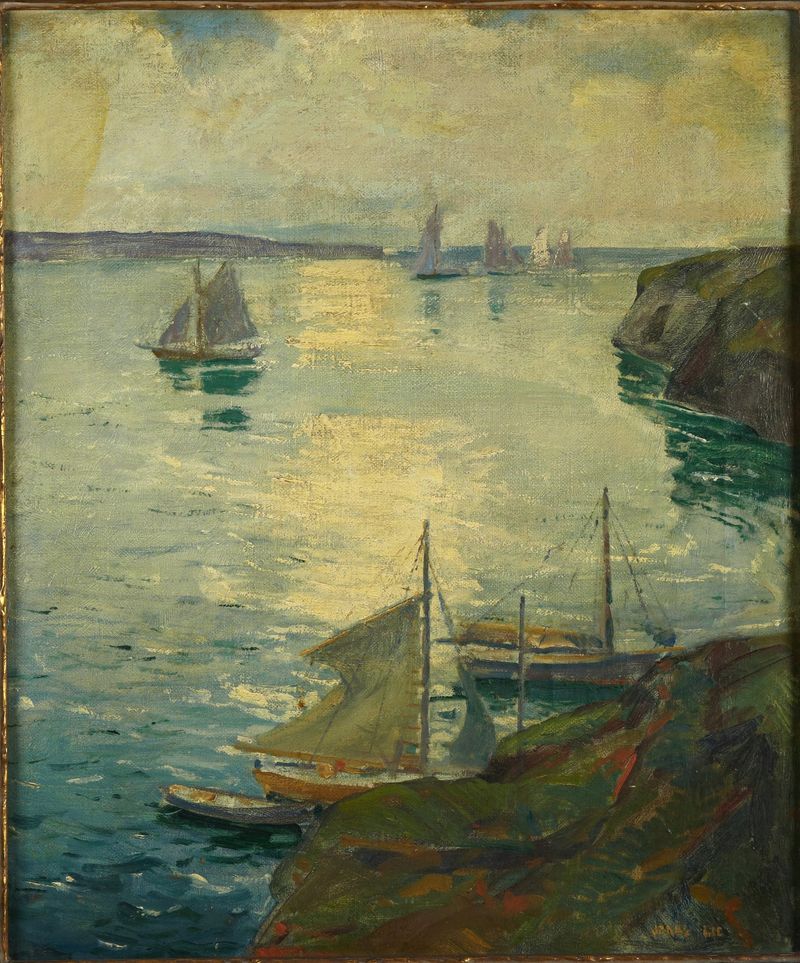
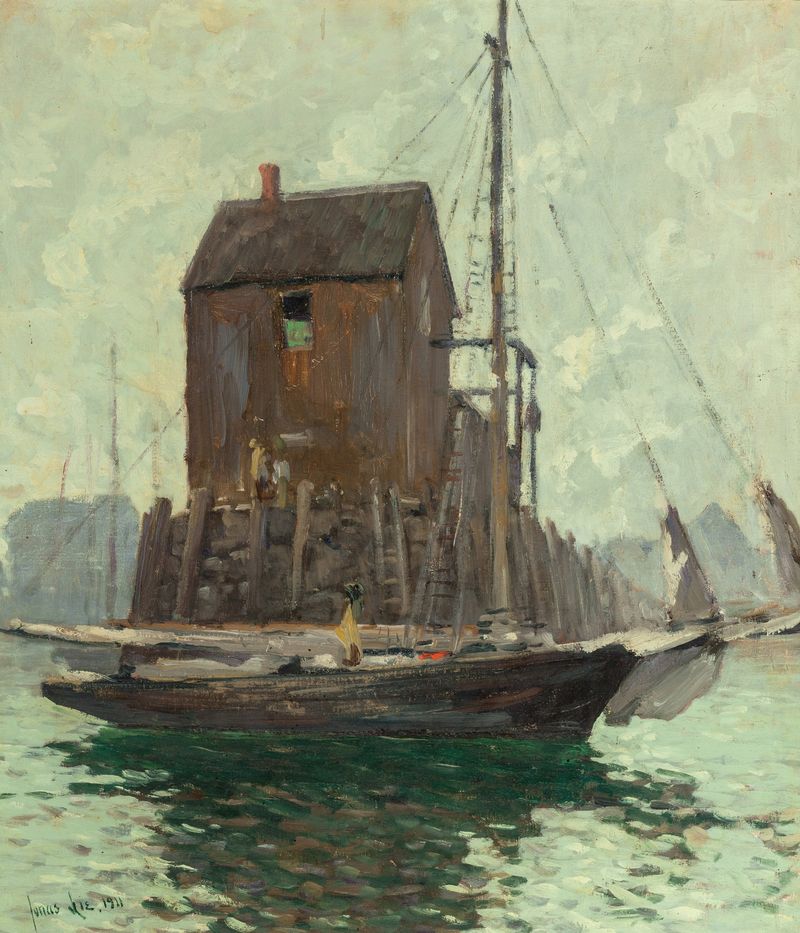
In the stillness of dawn, a world unfolds that teeters on the edge of existence, where vibrant hues dance with the encroaching void. The tranquil scene evokes a sense of both serenity and an underlying emptiness, speaking to the delicate balance between nature and the human spirit. Look to the left at the gentle curve of the river, its surface shimmering with the soft glow of morning light. The palette is rich yet subdued, with earthy browns and gentle greens that breathe life into the landscape.
Notice how the figures appear almost ethereal, their forms blending seamlessly with the backdrop—a reminder of humanity’s transient connection to nature. The brushstrokes are fluid, almost lyrical, drawing the eye along the winding waterway that leads into the horizon. Amid this picturesque setting, contrasts emerge: the vibrant life of the mill juxtaposed with the quiet void that surrounds it. The mill's structure stands sturdy, yet the surroundings seem to be fading, hinting at impermanence.
This juxtaposition speaks to the tension between progress and nostalgia, as the river carries away both time and memory, leaving behind only echoes of what once was—an invitation to reflect on loss and continuity. In 1903, the artist was immersed in the burgeoning American scene, creating works that celebrated the natural beauty of the Northern Coast. Lie was influenced by the Impressionist movement, seeking to capture fleeting moments of light and atmosphere. This work emerged during a period where industrialization was transforming landscapes and lives, reflecting both the allure and the encroaching despair of a changing world.