Low Tide — History & Facts
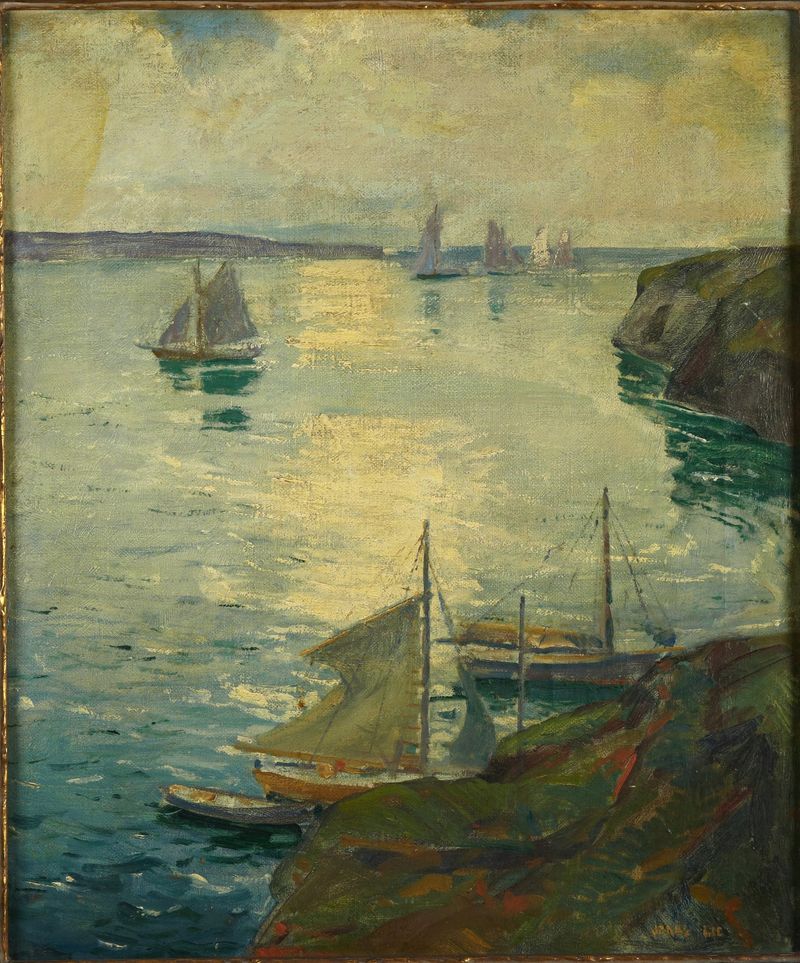
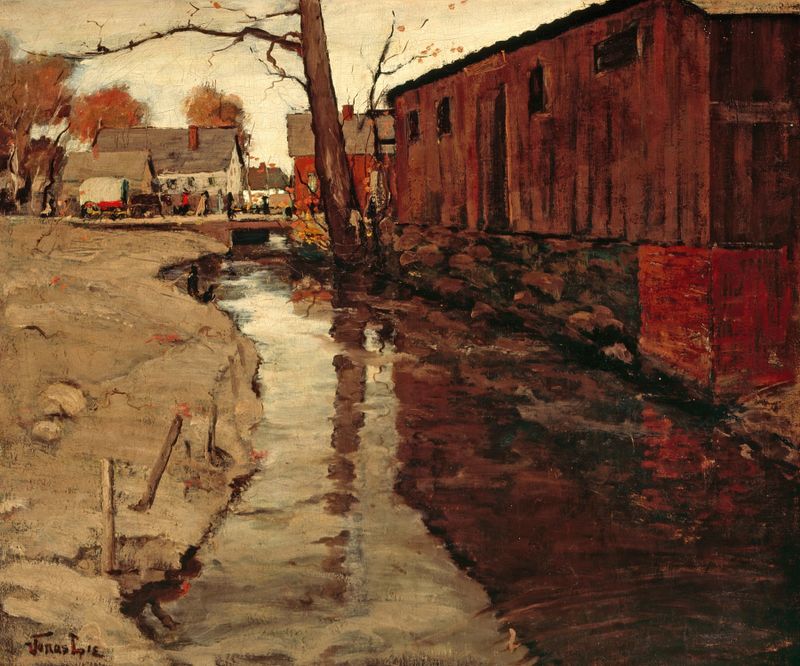
What secret hides in the quiet of the canvas? In Low Tide, movement undulates beneath the serene surface, inviting the viewer to linger in contemplation of nature's rhythms. Look to the left at the gentle curve of the shoreline, where soft waves lap at the exposed seabed. The artist’s fluid brushstrokes create a sense of ebb and flow, the colors—muted blues and earthy browns—mirroring the simplicity and tranquility of the coastal landscape. Here, light plays a crucial role; notice how it streams down, illuminating the sand and casting delicate shadows that stretch away from the rocks, suggesting the time of day and the promise of the tide’s inevitable return. Beneath this calm exterior lies an emotional tension, as the retreating water reveals what is often hidden beneath the surface.
The rugged rocks, exposed and vulnerable, evoke a sense of fragility, contrasting with the serenity that surrounds them. This dichotomy between tranquility and transience reflects the fleeting nature of life itself, reminding us that every moment is precious and impermanent. In 1911, while working on this piece, Jonas Lie was living in New York, immersed in the burgeoning American Impressionist movement. This era was marked by a shift toward embracing light and atmosphere in landscapes, and Lie captured this with an intuitive grasp of the natural world.
His work from this period demonstrates both a dedication to capturing the beauty of his surroundings and a deepening understanding of the emotional resonance that can be conveyed through color and form.