Milton’s Mulberry Tree, Christ’s College Gardens, Cambridge — History & Facts
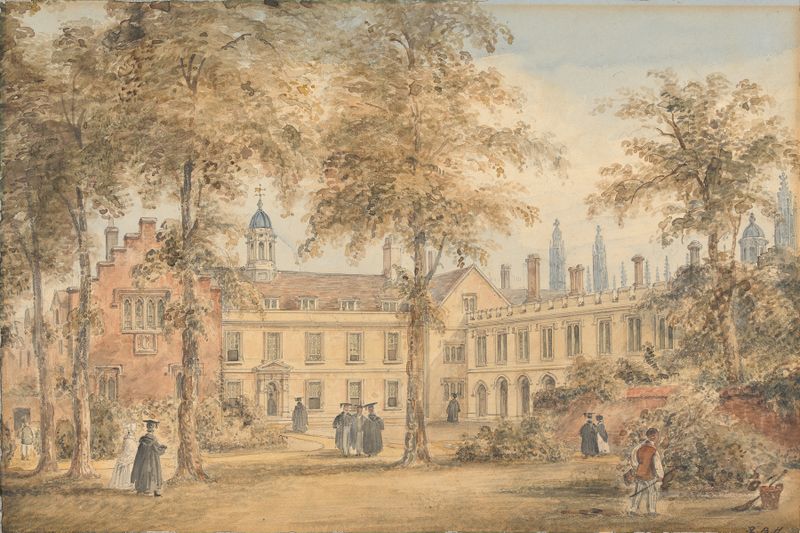
Beneath the sprawling branches of a venerable mulberry tree, sunlight filters through leaves, casting dappled shades on the soft grass below. A group of children frolic, their laughter mingling with the sweet scent of summer, as they chase each other in unrestrained joy. Nearby, a gentle breeze rustles the foliage, a whisper of innocence in this idyllic moment. Look to the left at the children, their faces illuminated with delight as they play beneath the tree's sheltering limbs.
Notice the vibrant greens and earthy browns that dominate the canvas, harmonizing to create a warm, inviting atmosphere. The artist’s brushwork captures both the texture of the bark and the softness of the grass, while the interplay of light and shadow hints at the fleeting nature of childhood. The mulberry tree stands as a timeless sentinel, symbolizing the life stages we all pass through, from innocence to experience. The laughter of the children contrasts sharply with the weighty presence of the tree, evoking a poignant awareness of how quickly these moments slip away.
Each joyful gesture carries a hint of nostalgia, reminding viewers of their own fleeting days of youth and the bittersweet passage of time. Richard Banks Harraden painted this scene during a period in which he sought to capture the essence of everyday life through simple yet profound imagery. His work emerged as part of the English Romantic movement, a time when artists were deeply interested in nature and the emotional landscape of personal experiences. Although the exact date of creation remains uncertain, it reflects an era celebrating innocence and the beauty of unadulterated joy, a theme that resonates through generations.