
Discover insights about this artwork
Minerva Combating Brute Force — History & Facts
In Minerva Combating Brute Force, the viewer sees a dramatic scene filled with vibrant colors. Minerva, the Roman goddess of wisdom, is depicted in a fierce battle against a muscular figure representing brute force. The background features a chaotic setting that enhances the tension of the struggle.
The use of light and shadow highlights the figures, drawing attention to their expressions and movements. The painting is executed in oil on canvas, a medium that allows for rich color and texture. The artist employs a realistic style, with detailed anatomical features that emphasize the strength of both Minerva and her opponent. The composition is dynamic, with diagonal lines that create a sense of movement and urgency.
This technical approach showcases Pils' skill in capturing the physicality of the figures. Isidore Pils was a prominent French painter known for his historical and allegorical works. Minerva Combating Brute Force reflects the academic style of the 19th century, focusing on themes of morality and virtue. An interesting fact about this painting is that it was part of a larger movement that sought to elevate the status of history painting in the art world.
Pils' work often emphasizes the conflict between reason and violence, making this piece particularly relevant.
More Artworks by Isidore Pils
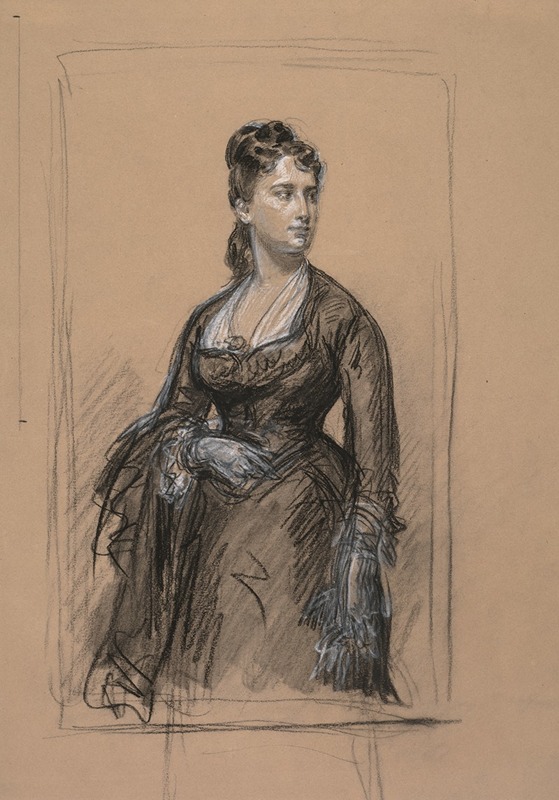
Portrait of a Woman
Isidore Pils
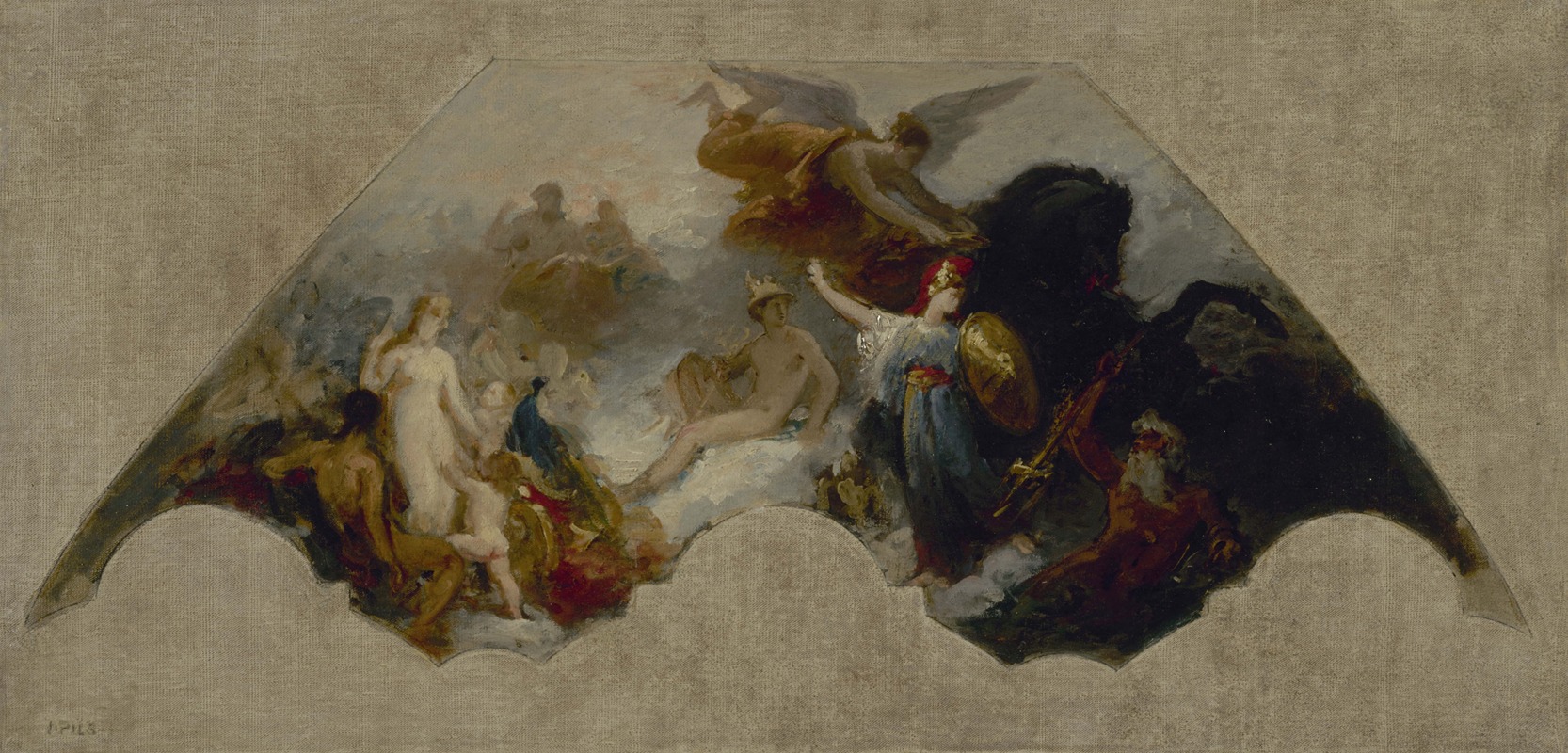
Minerve combattant la Force brutale devant l’Olympe réuni.
Isidore Pils
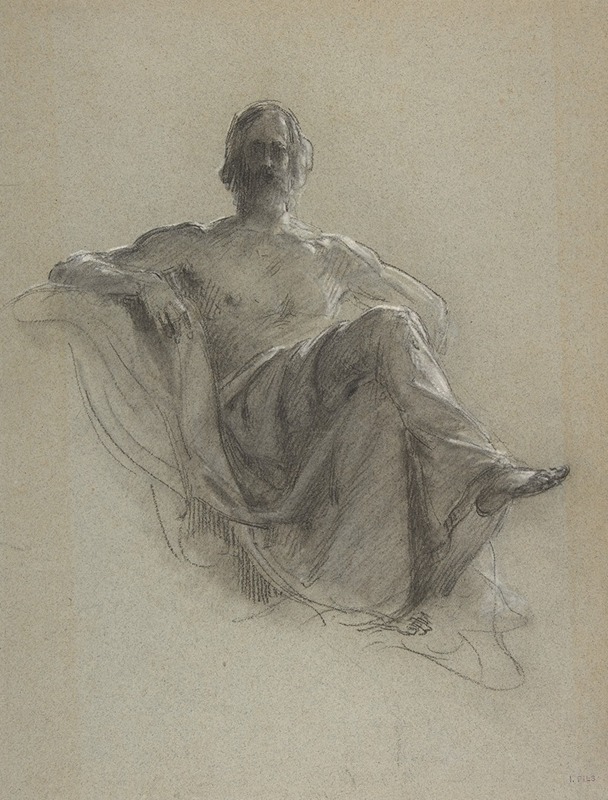
Seated Bearded Man, Nude to the Waist (Jupiter Seated)
Isidore Pils
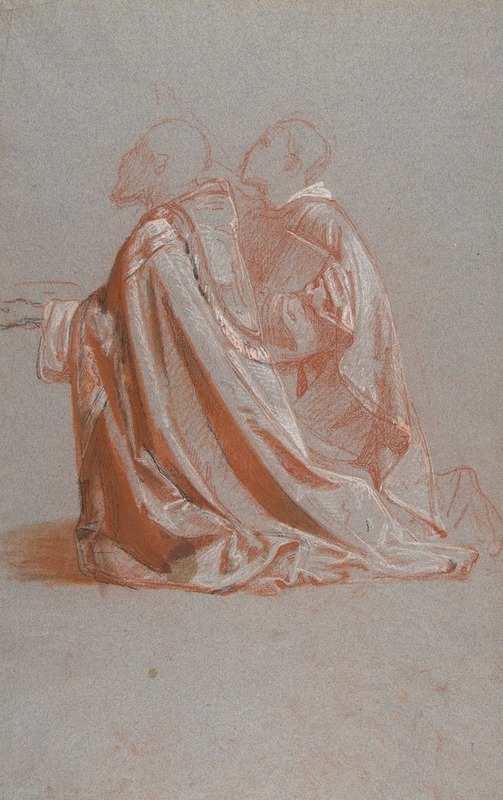
Two Bishops
Isidore Pils
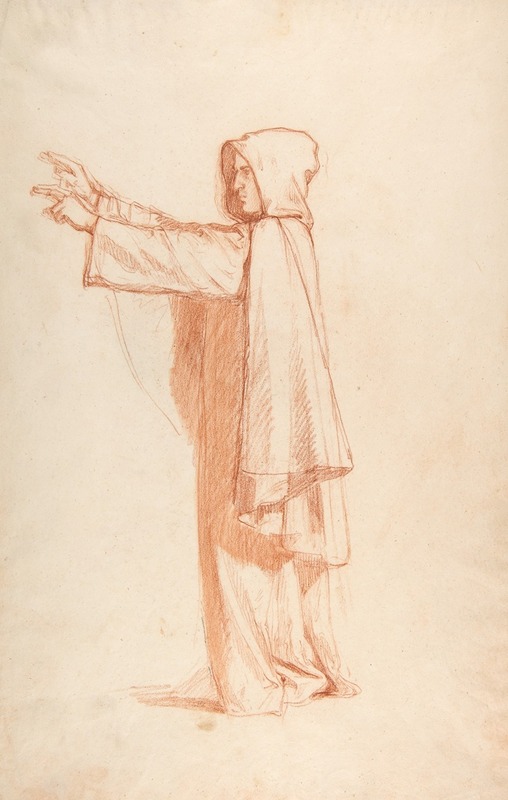
Monk
Isidore Pils
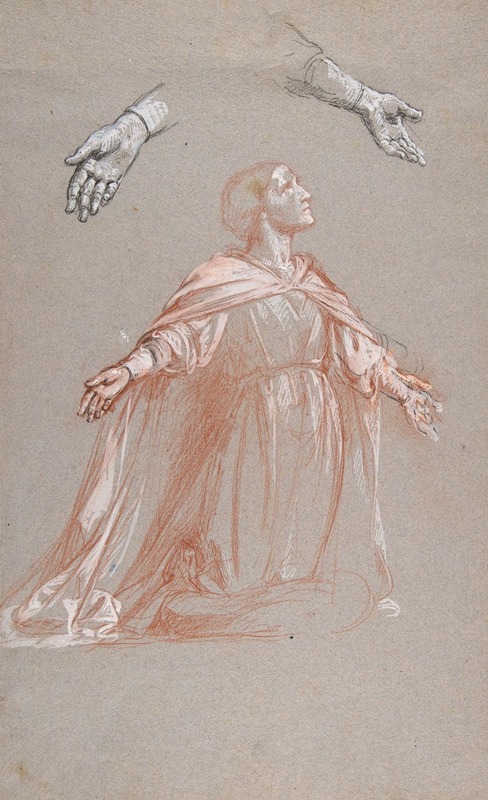
Sainte Clotilde
Isidore Pils
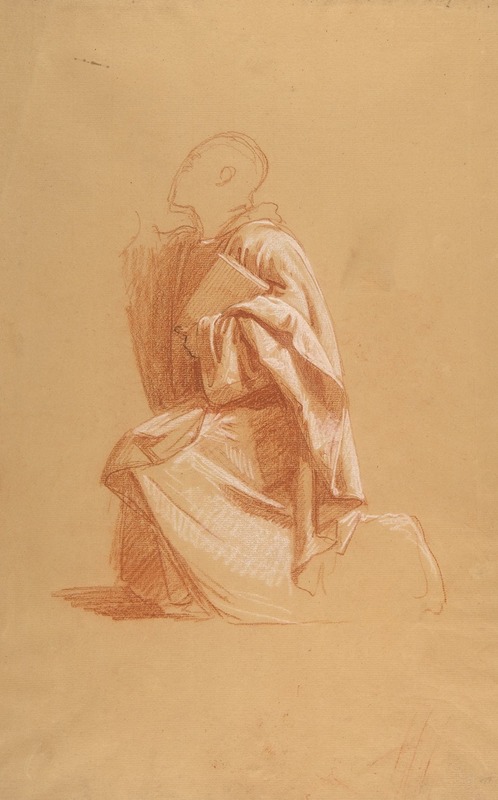
Cleric
Isidore Pils
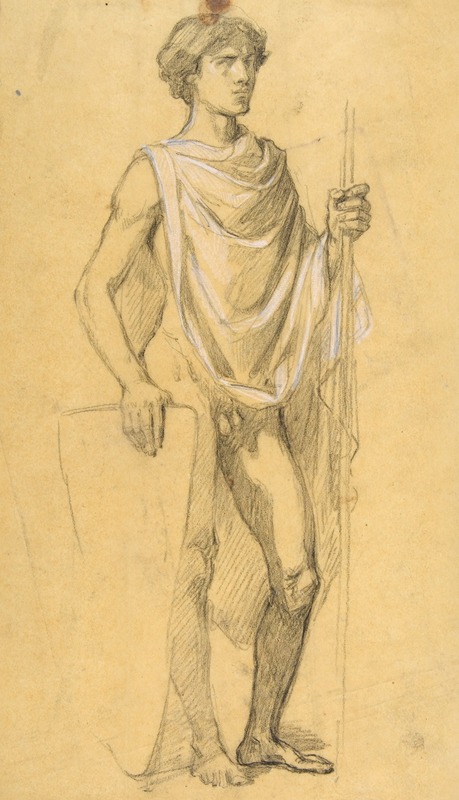
Soldier
Isidore Pils
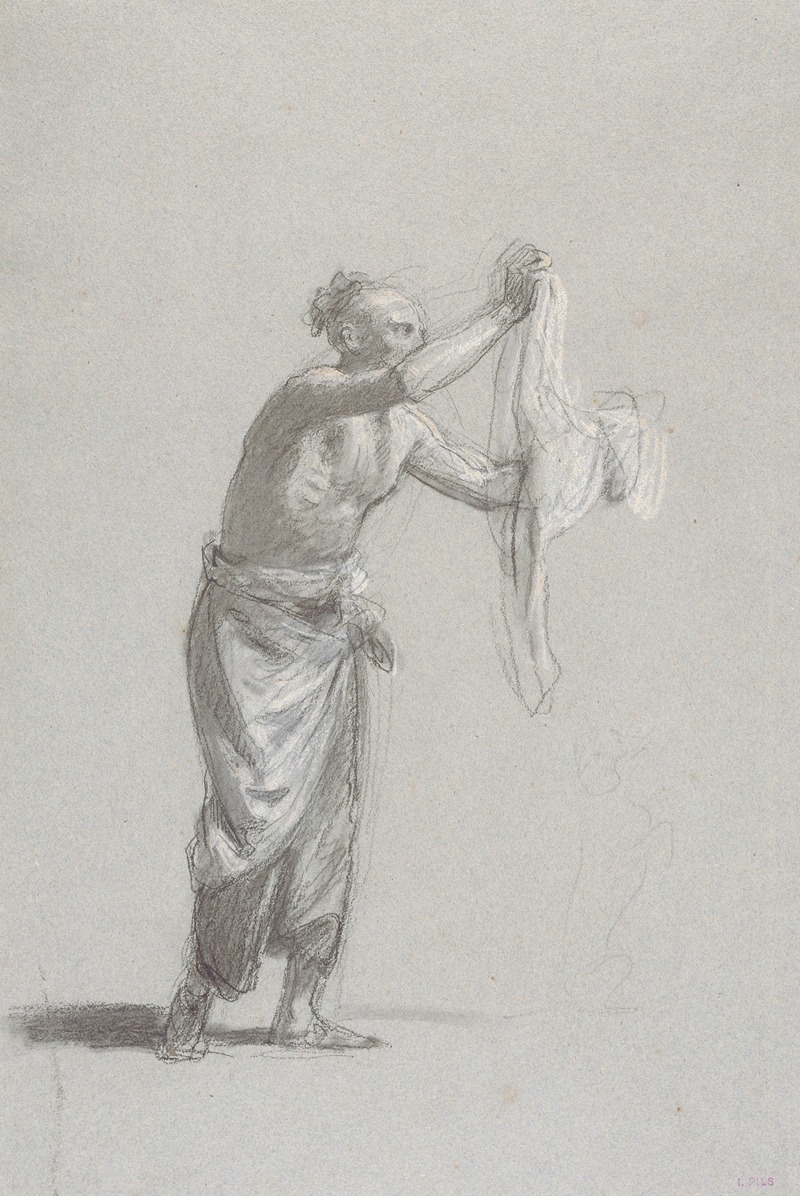
Arab with a Linen
Isidore Pils
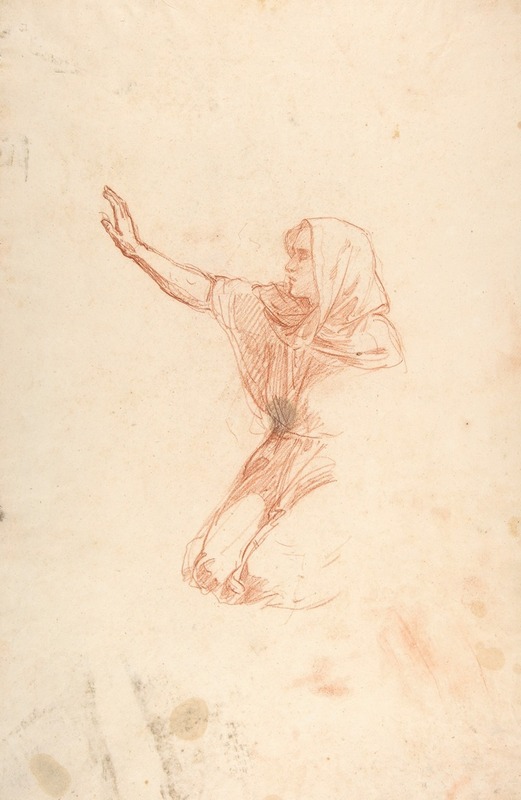
Kneeling Woman
Isidore Pils
More Allegory Art
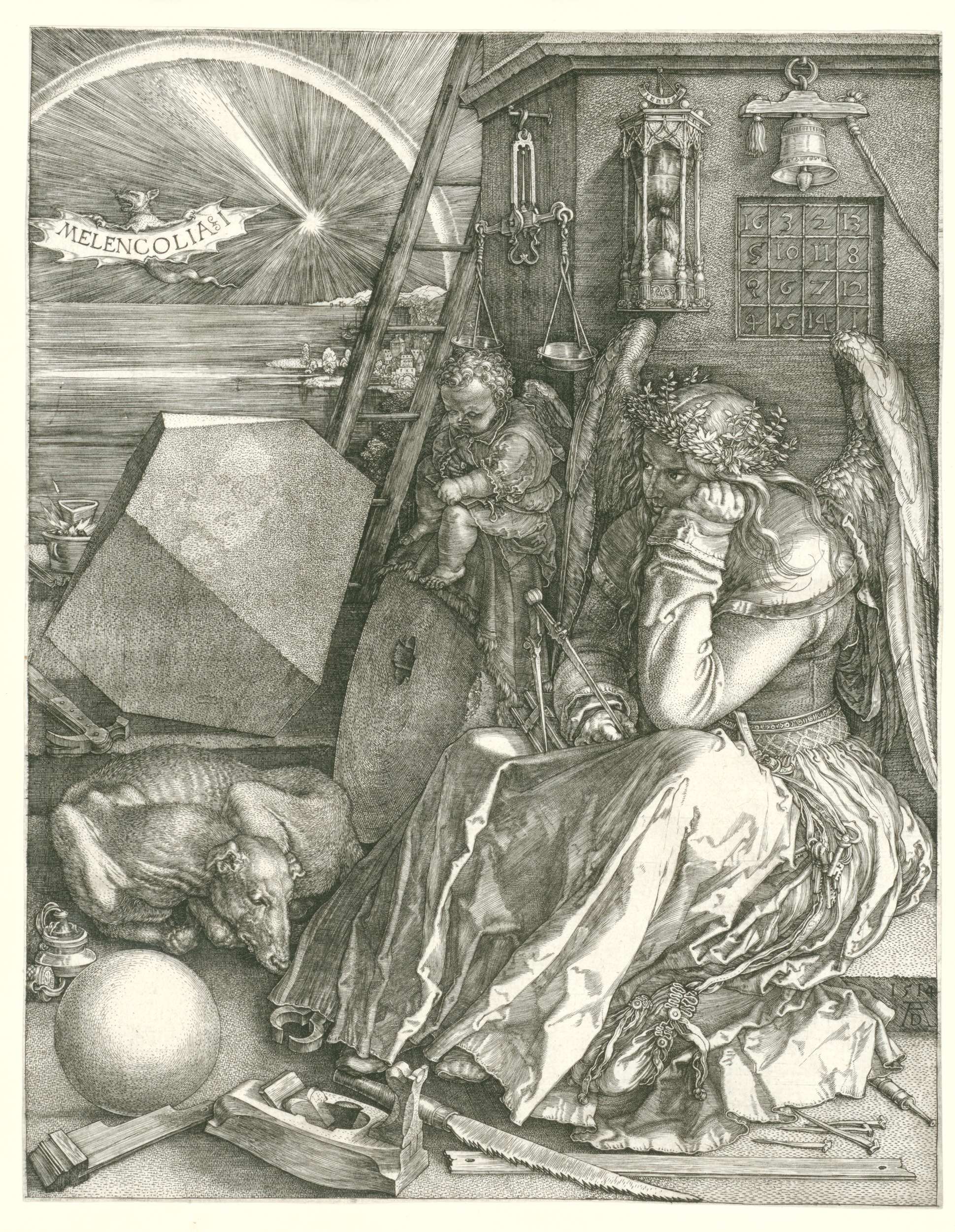
Melancholia
Albrecht Dürer
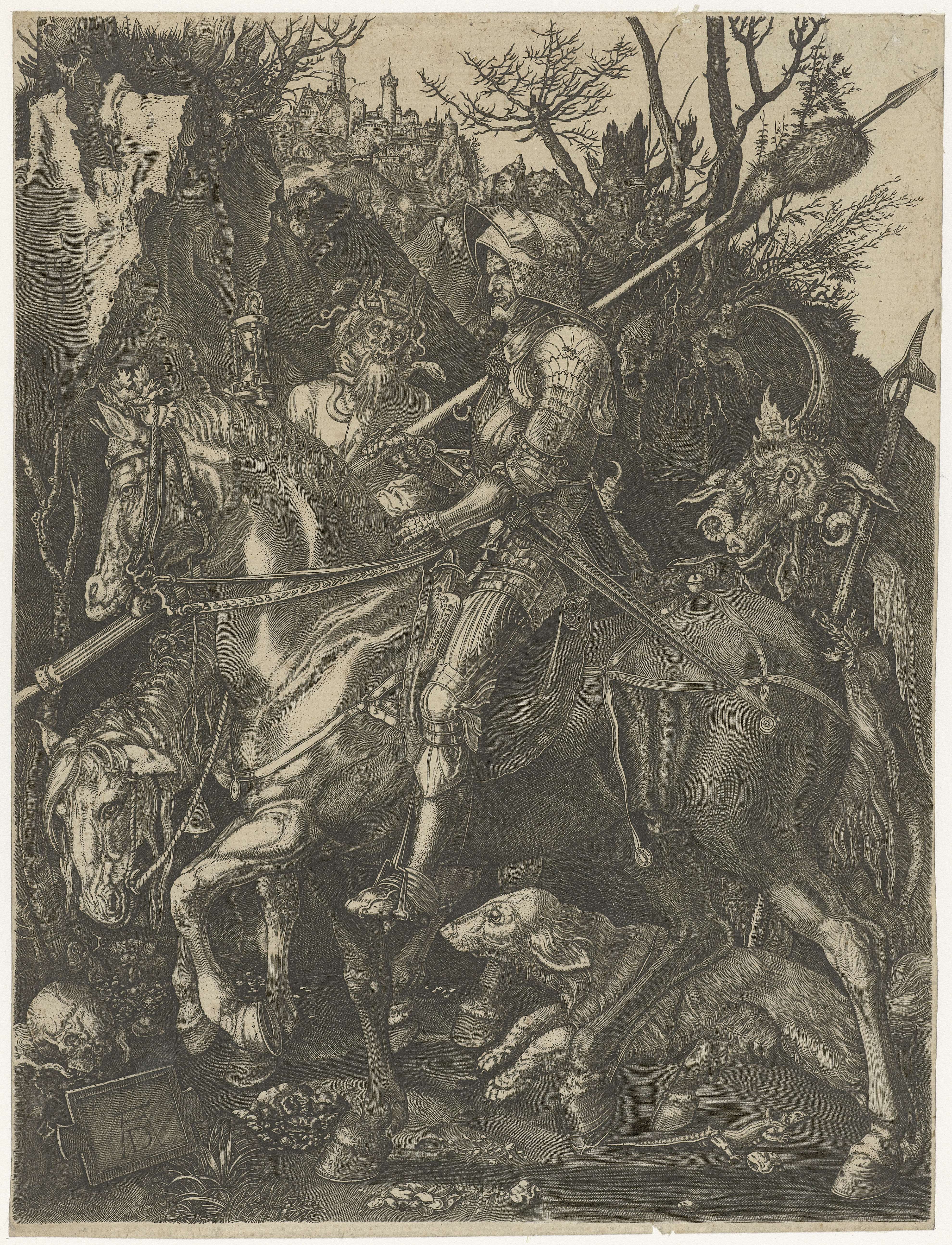
Ridder, Dood en Duivel
Unknown Artist
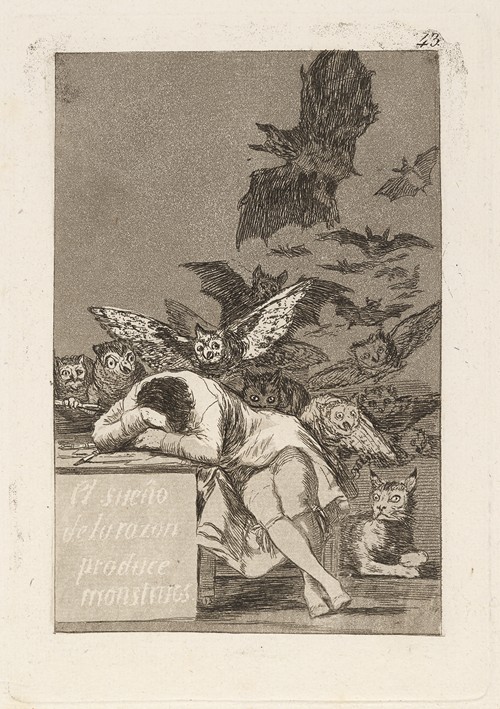
El sueño de la razon produce monstruos. (The sleep of reason produces monsters.)
Francisco de Goya
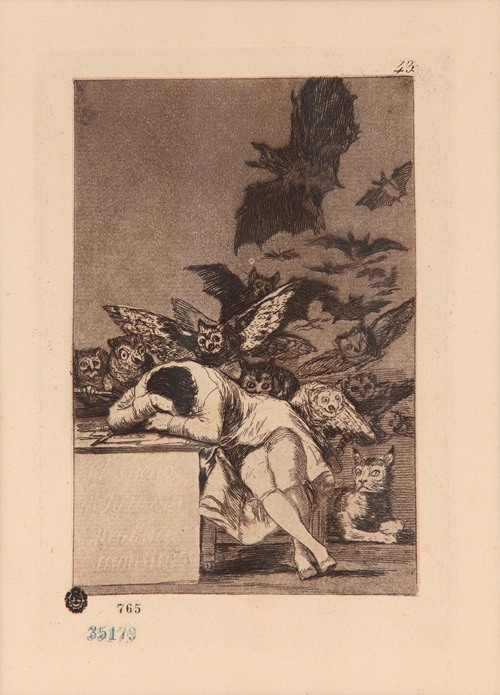
El sueño de la razon produce moustruos (Serie Caprichos)
Francisco de Goya
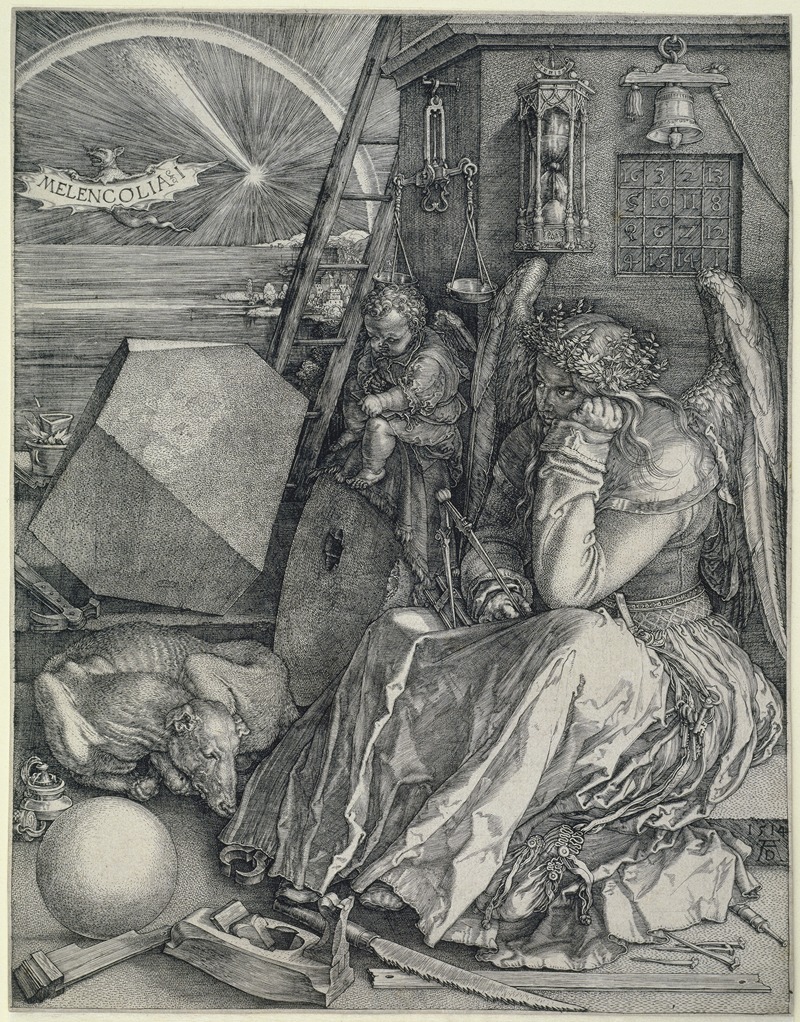
Melencolia I (The Melancholy)
Albrecht Dürer
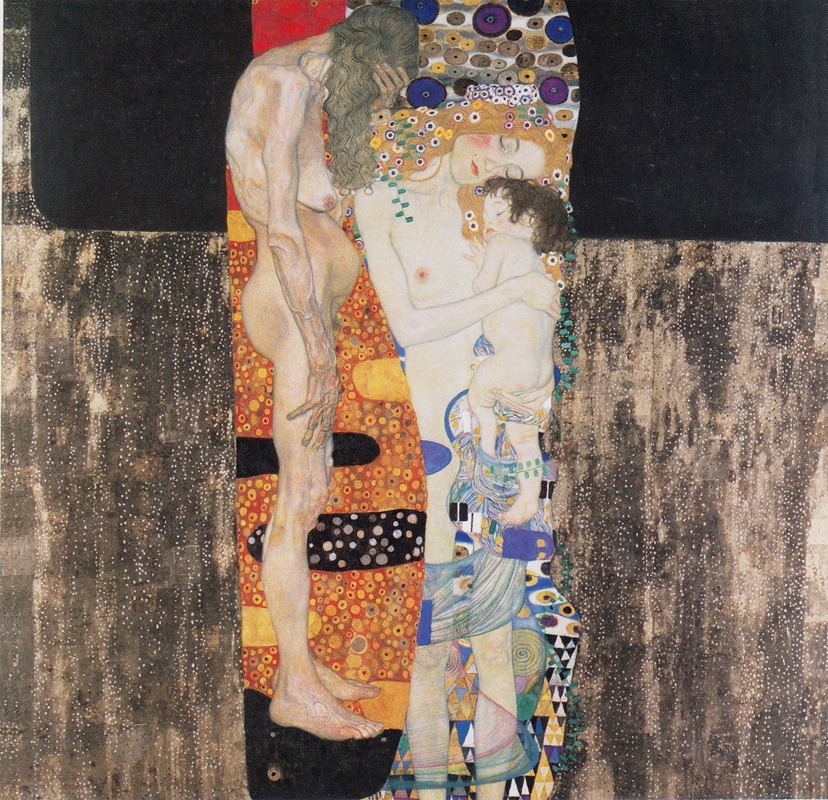
The Three Ages of the Woman
Gustav Klimt