
Miranda, Prospero, and Caliban: The Tempest — History & Facts
In Miranda, Prospero, and Caliban: The Tempest, George Romney presents a vivid scene filled with color and emotion. The painting features three main figures: Miranda, Prospero, and Caliban, each depicted with distinct expressions and attire. The background suggests a mystical landscape, enhancing the drama of the moment.
The use of soft, warm colors creates a sense of intimacy and connection among the characters. Romney's technique showcases his skill in oil on canvas, with attention to detail in the characters' clothing and facial expressions. The brushwork is fluid, allowing for a sense of movement and life within the scene. The composition is balanced, drawing the viewer's eye to the interaction between the figures.
The painting measures approximately 100 x 120 cm, making it a substantial work that commands attention. George Romney was a prominent British portrait painter of the late 18th century, known for his ability to capture the essence of his subjects. This work reflects his interest in literary themes, particularly those from Shakespeare. An interesting fact about this painting is that it was created during a time when Romanticism was gaining momentum, influencing how artists portrayed emotion and nature.
Romney's interpretation of The Tempest adds a unique perspective to the narrative of these iconic characters.
More Artworks by George Romney

Lady Hamilton as Tragedy
George Romney
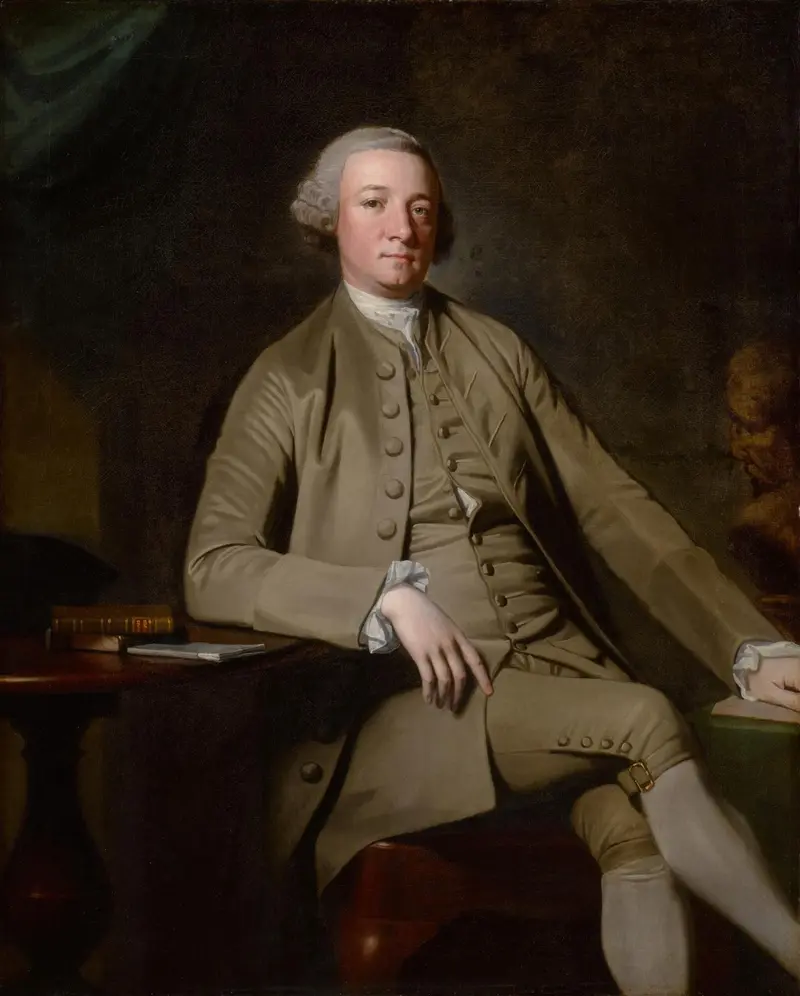
Portrait of a Gentleman, seated, probably William Suddel of Lancaster
George Romney
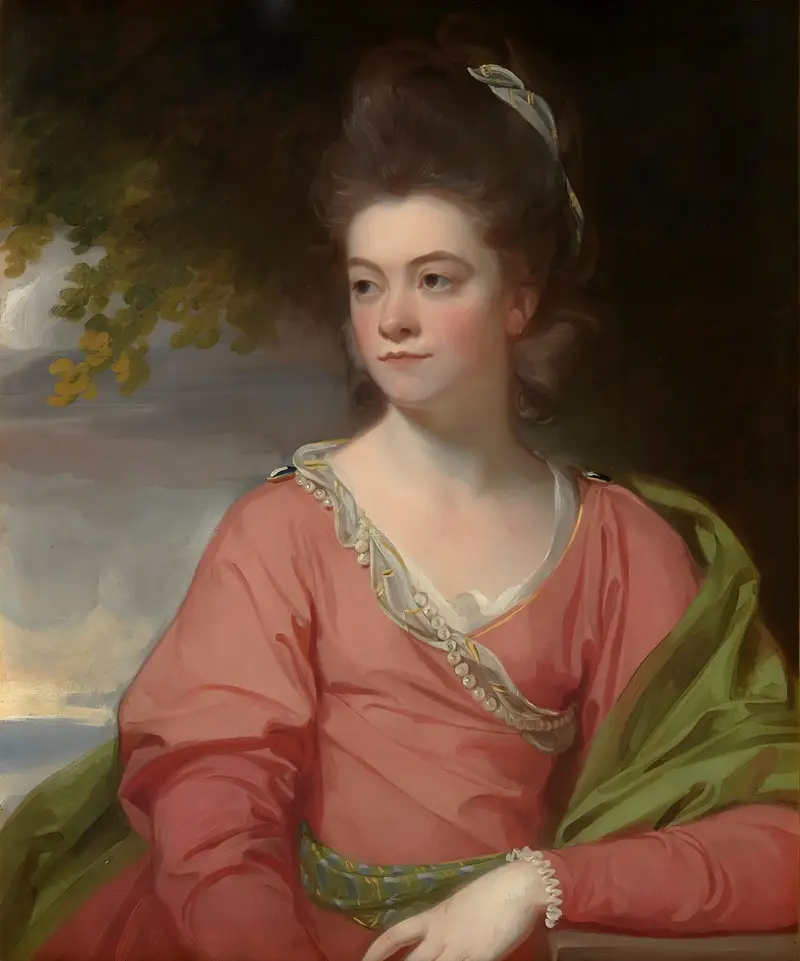
Portrait of a lady, traditionally identified as Miss Inchbold
George Romney
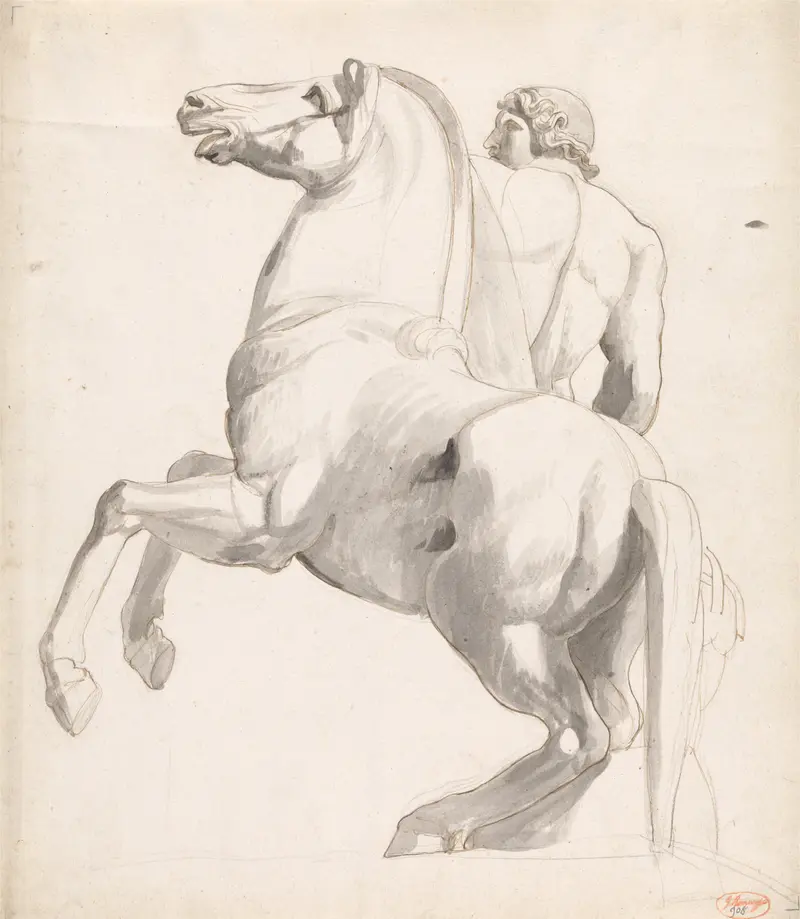
Horseman of Montecavallo
George Romney
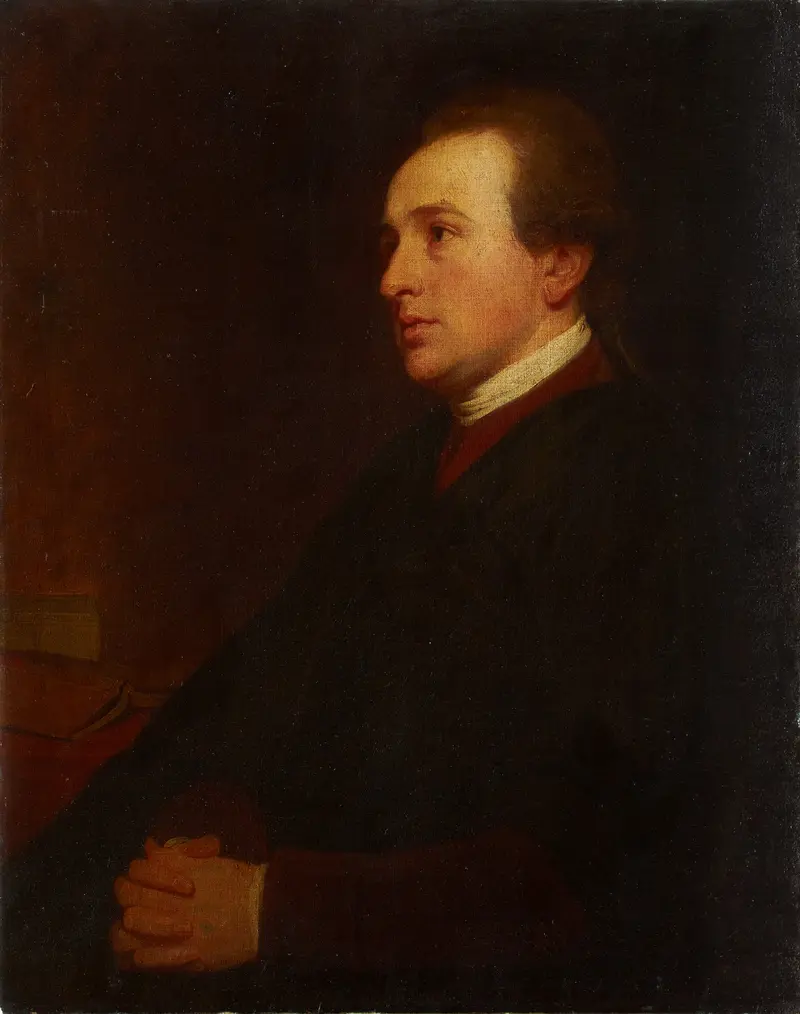
Portrait of a Young Man at his Desk
George Romney
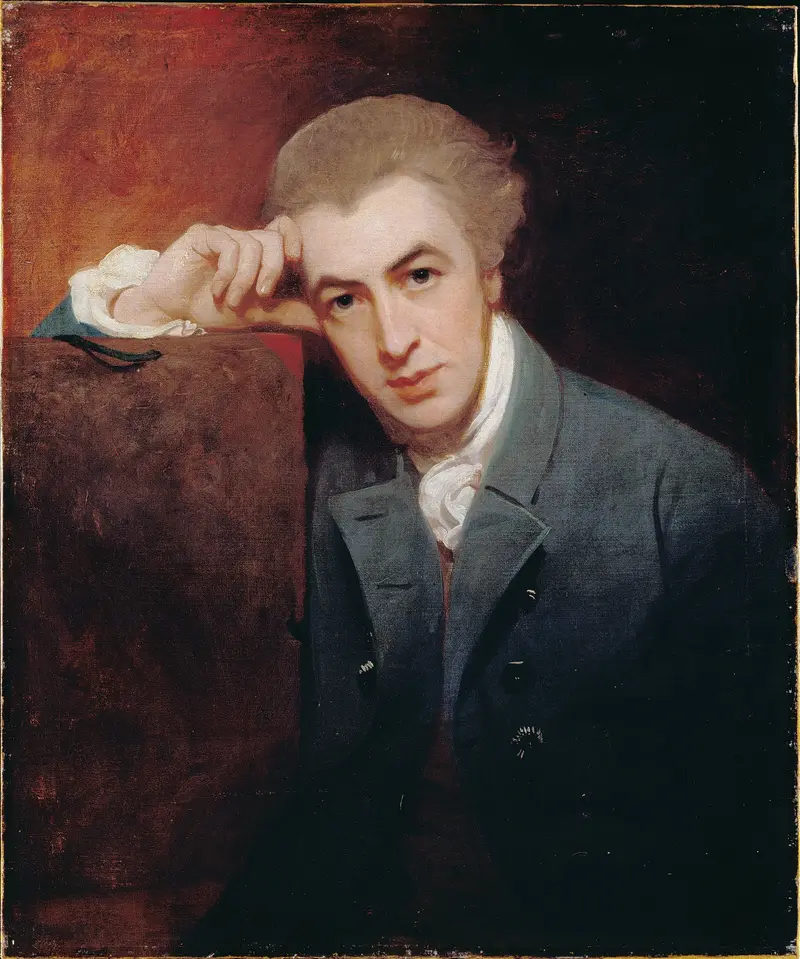
William Hayley
George Romney
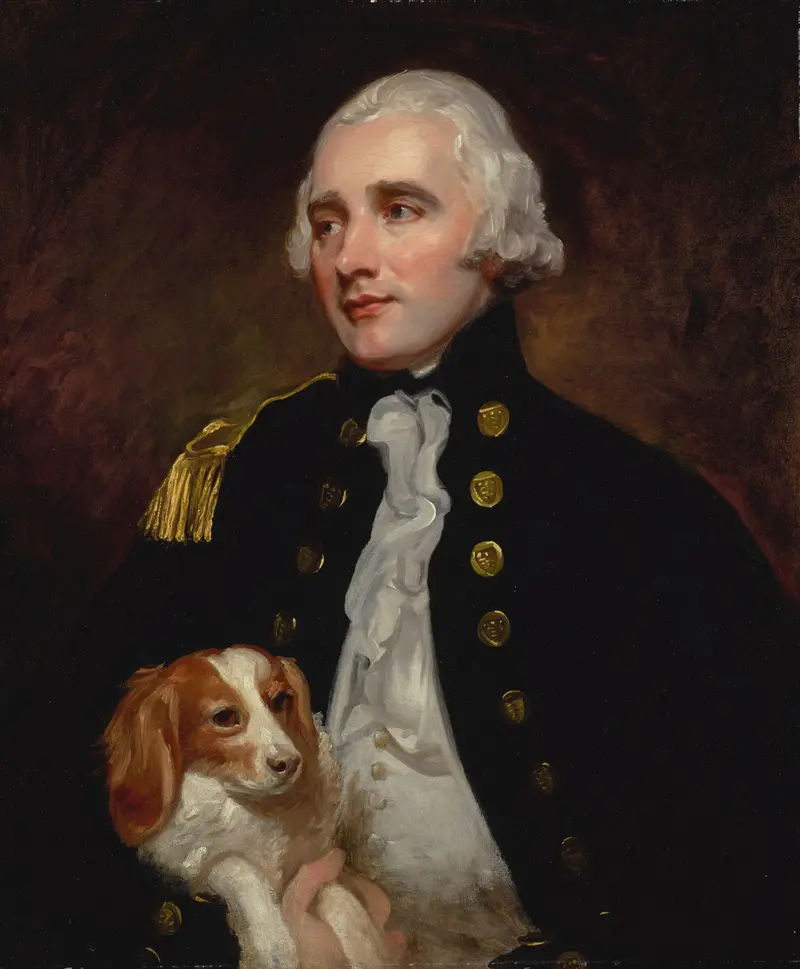
Portrait Of An Officer Of The Corps Of Engineers, Half-Length, Formerly Identified As Sir George Grey
George Romney
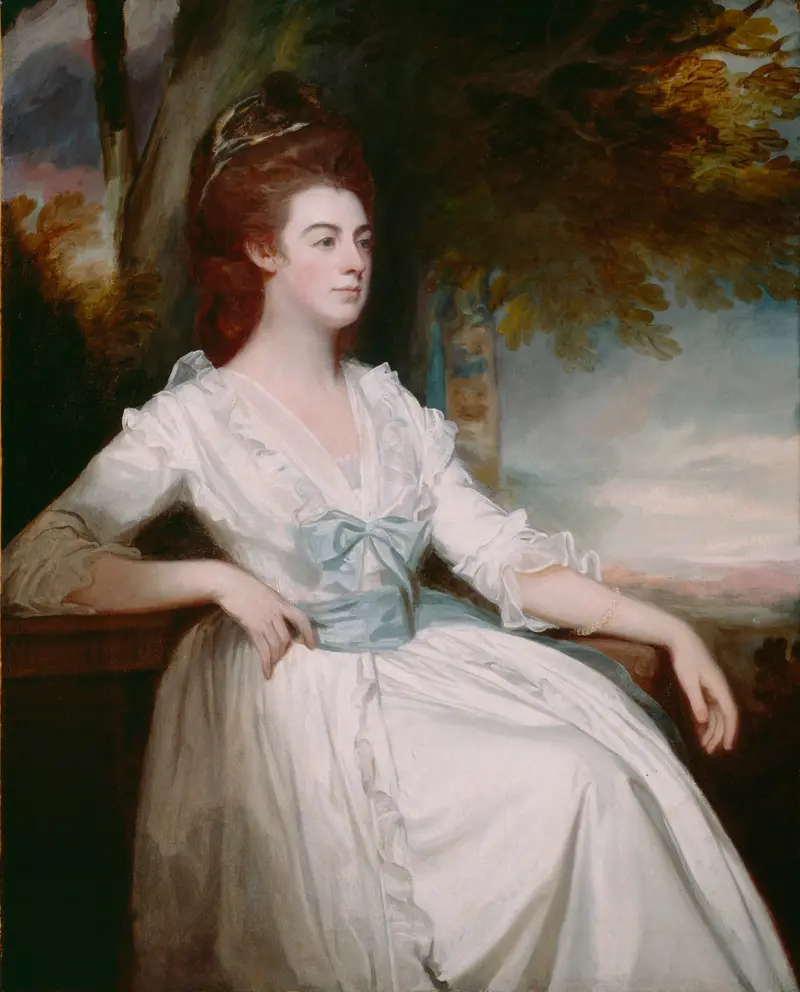
Miss Clavering
George Romney
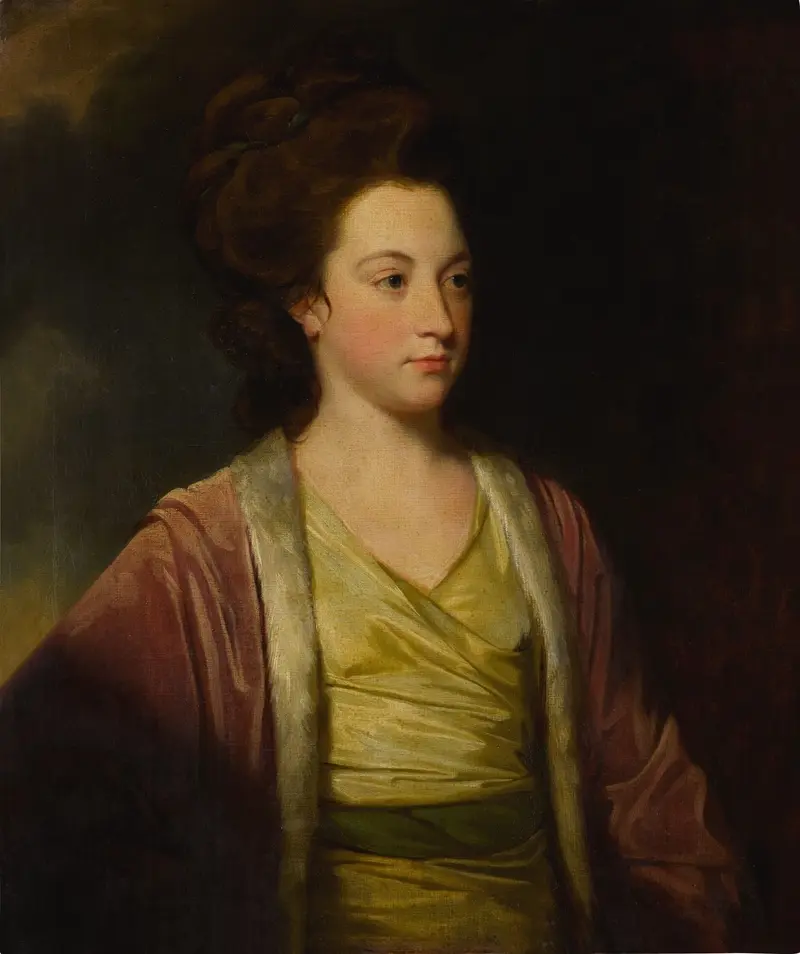
Portrait of Frances Alicia Bennet (b. 1749)
George Romney
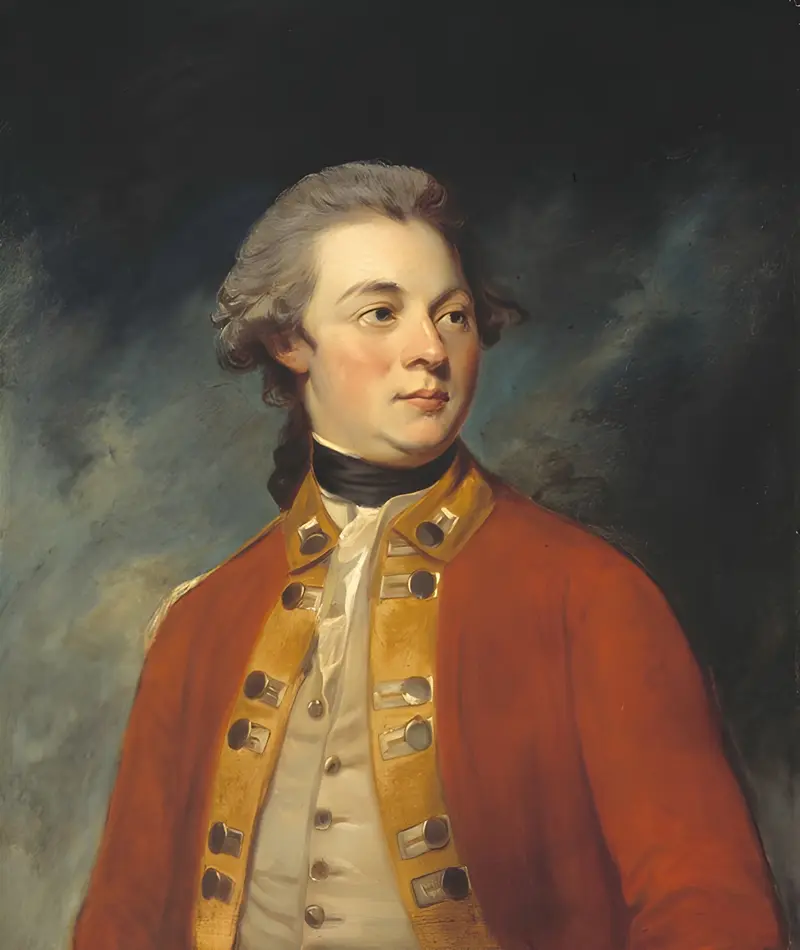
Portrait of Francis North, 4th Earl of Guilford (1761-1817)
George Romney





