
Mishima — History & Facts
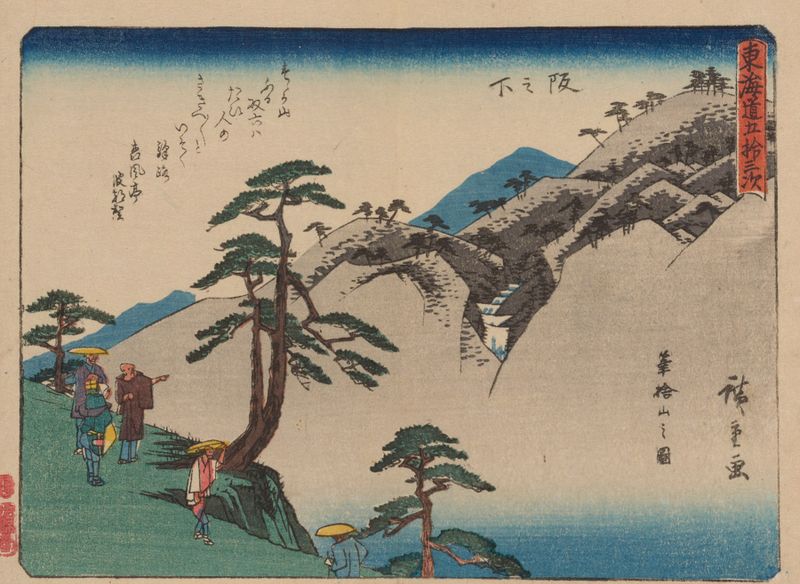
In Mishima, the fleeting moments of life intertwine with the permanence of art, capturing a deep sense of ecstasy amid transience. Look to the center of the composition, where the gentle curves of the river embrace the mountains, inviting the viewer into a world that feels both intimate and expansive. The vibrant hues of blue and green meld harmoniously, evoking serenity while the soft, sweeping lines guide the eye effortlessly across the landscape. Notice how the detailed depiction of the cherry blossoms punctuates the scene; they symbolize ephemeral beauty, accentuating the tension between nature's fleeting moments and the artist’s enduring brushstrokes. Delve deeper into the interplay of light and shadow, where the sun casts a warm glow on the water’s surface, reflecting both the physical realm and the ephemeral emotions harbored within.
The juxtaposition of the peaceful landscape against the subtle undercurrents of longing reveals a deep emotional resonance. Each stroke holds the weight of past memories, making the viewer ponder not only the beauty of the scene but the bittersweet nature of existence. During 1841-1842, Utagawa Hiroshige painted Mishima while living in Edo, a period marked by a burgeoning interest in landscapes as a genre in ukiyo-e. The artist sought to encapsulate the changing seasons and the fleeting beauty of life, reflecting the broader cultural shifts in Japan as it began to interact more with the West, leading to an enduring legacy of both tradition and innovation.
More Artworks by Utagawa Hiroshige
Browse all →
Sudden Shower over Shin Ohashi Bridge and Atake (Ohashi Atake no yudachi), from the series "One Hundred Famous Views of Edo (Meisho Edo hyakkei)"
Utagawa Hiroshige
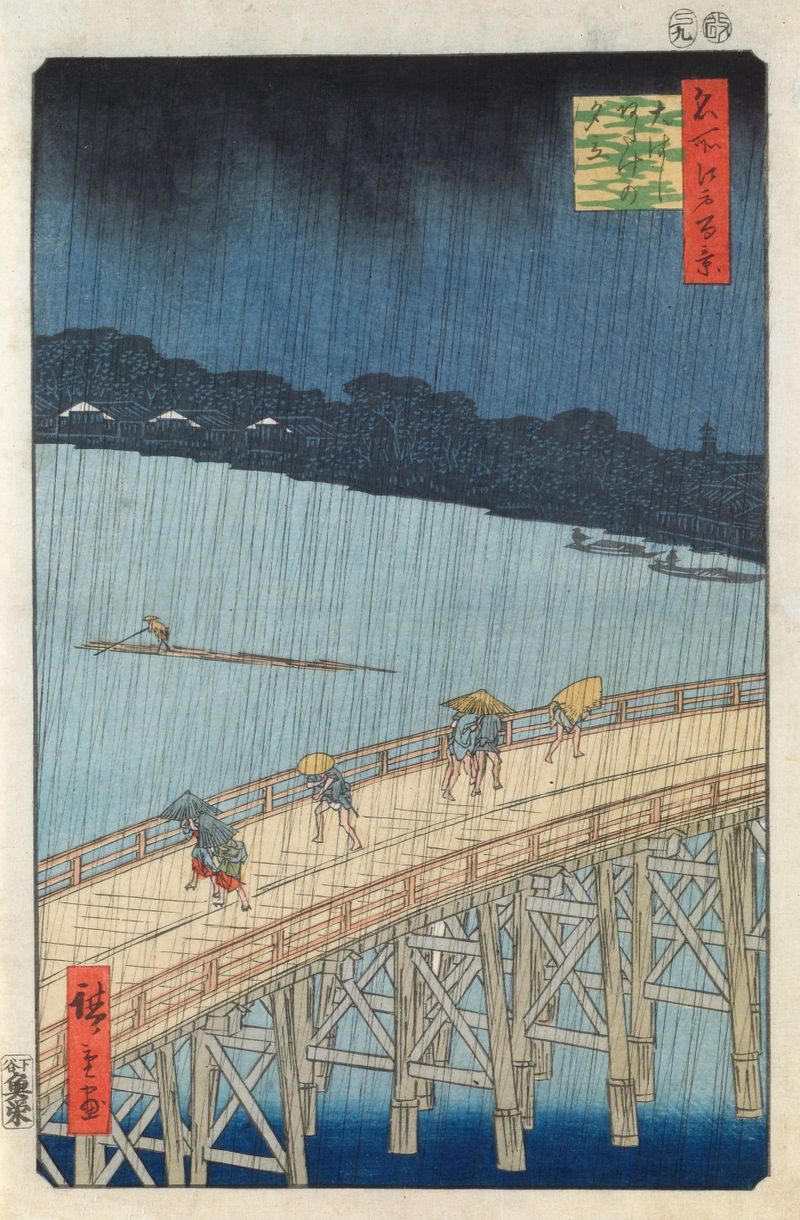
Sudden Shower Over Ohashi Bridge and Atake
Utagawa Hiroshige
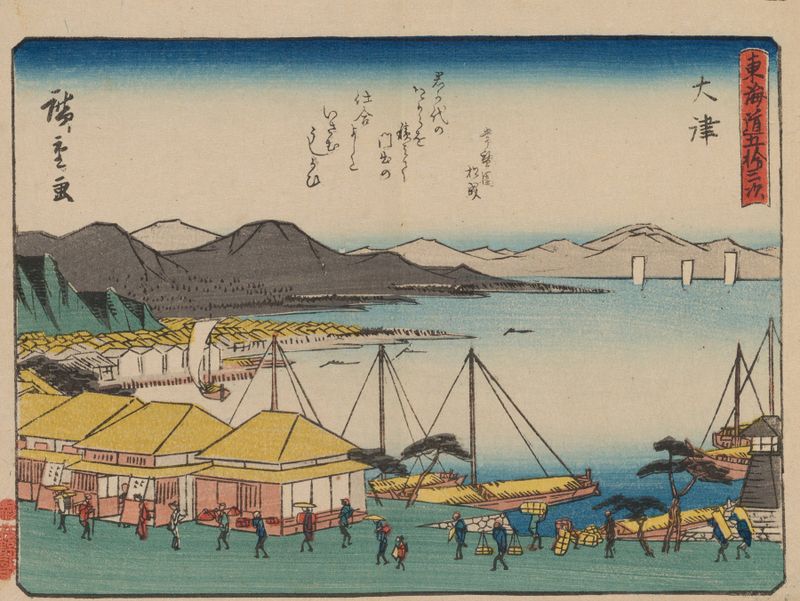
Tokaido gojusantsugi, Pl.54
Utagawa Hiroshige
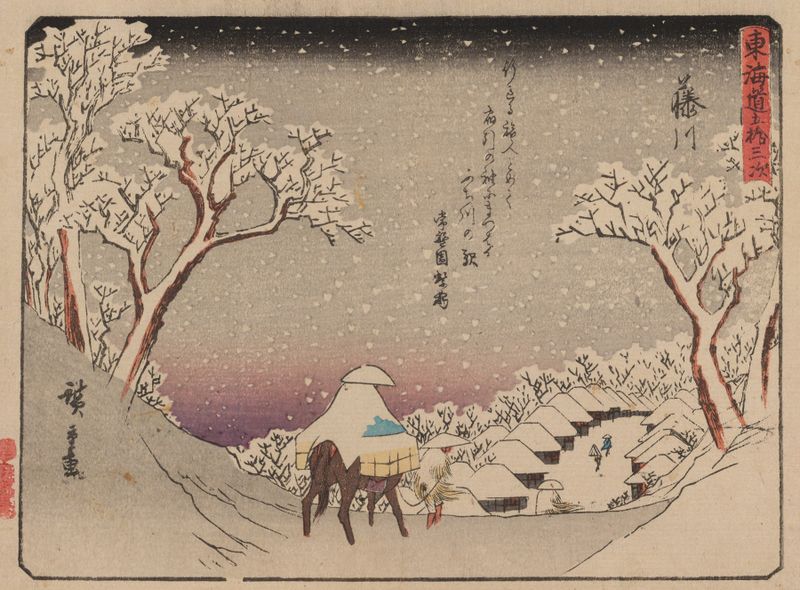
Tokaido gojusantsugi, Pl.38
Utagawa Hiroshige
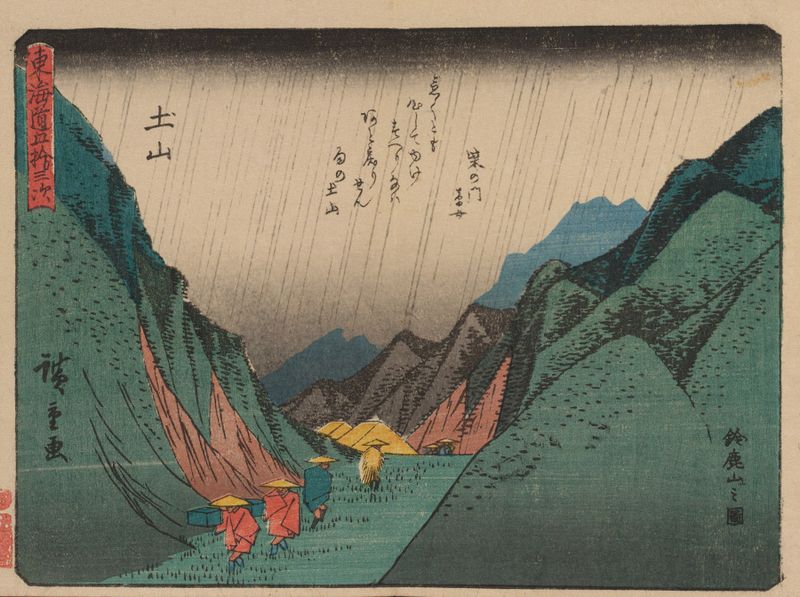
Tokaido gojusantsugi, Pl.50
Utagawa Hiroshige
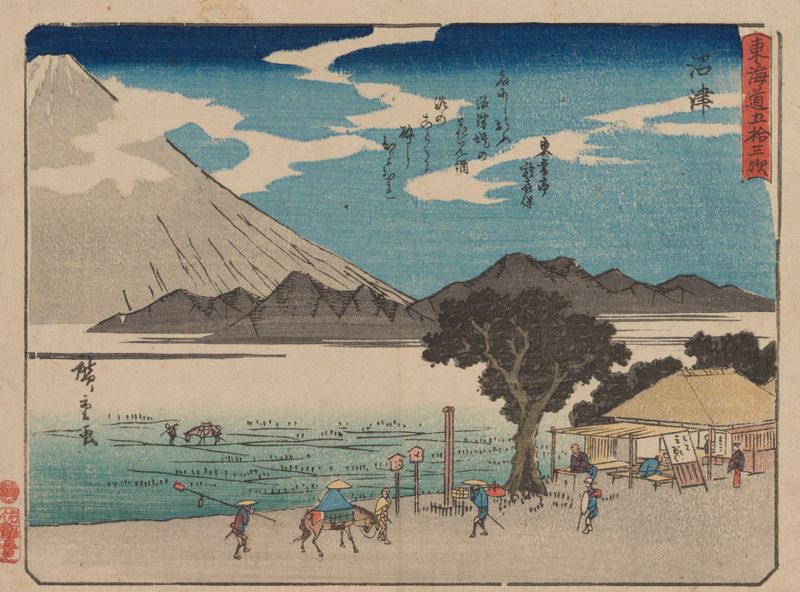
Tokaido gojusantsugi, Pl.13
Utagawa Hiroshige
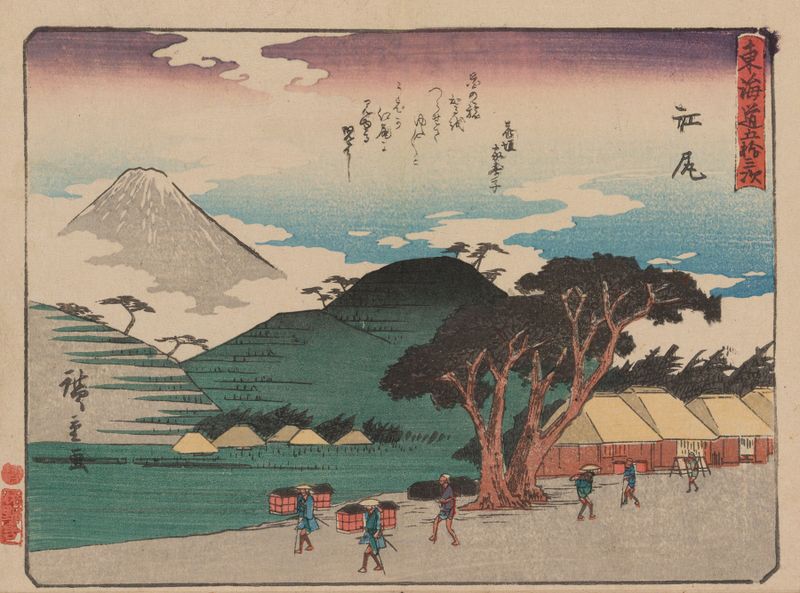
Tokaido gojusantsugi, Pl.19
Utagawa Hiroshige
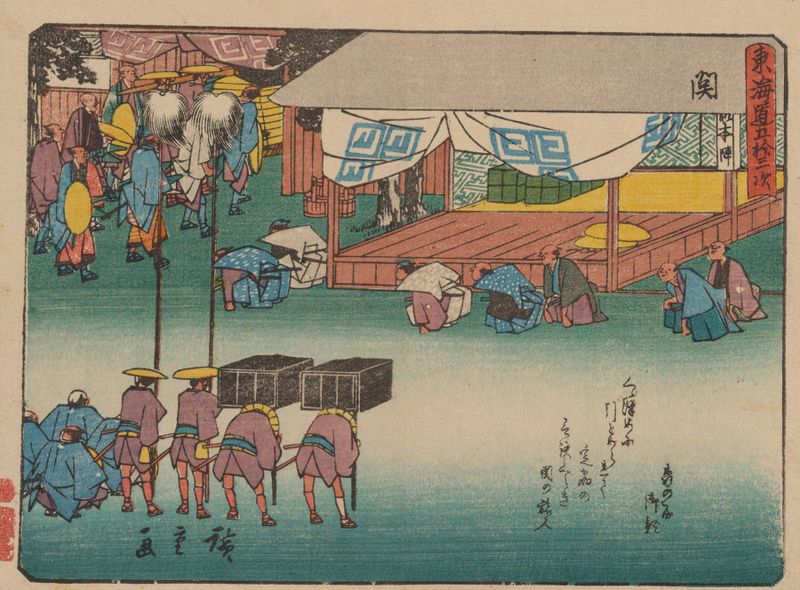
Tokaido gojusantsugi, Pl.48
Utagawa Hiroshige
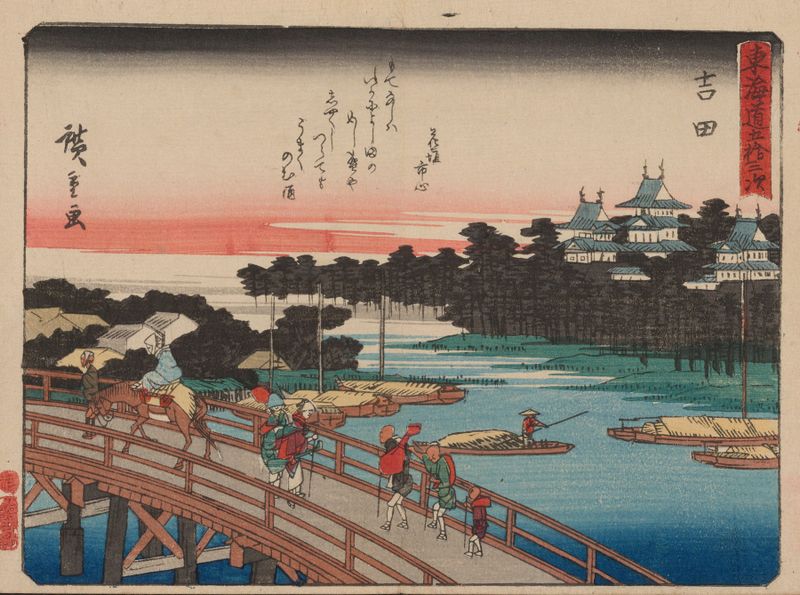
Tokaido gojusantsugi, Pl.35
Utagawa Hiroshige
Tokaido gojusantsugi, Pl.49
Utagawa Hiroshige





