
Mitsuke — History & Facts
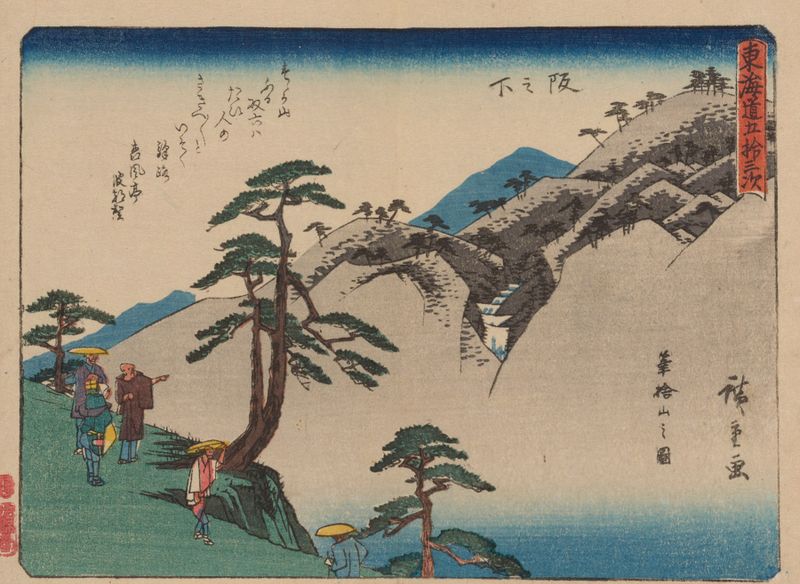
Who listens when art speaks of silence? In the delicate interplay of color and form, a world of rebirth unfolds, inviting us to pause and reflect. Look closely at the serene landscape, where the stillness of the water mirrors the quietude of life. The viewer’s gaze is drawn to the soft, pastel hues that wash over the scene—gentle blues and greens infused with subtle shades of pink and gold. Notice the fluid lines of the trees and the graceful curve of the river, each brushstroke articulating the tranquility of nature while simultaneously conveying an undercurrent of renewal.
The composition breathes life, an invitation to explore the harmonious relationship between land and water. Within this peaceful vista lie deeper meanings: the juxtaposition of the calm water and the vibrant foliage suggests a cycle of life and death, painting a picture of the seasons that come and go. The untouched beauty of the scenery hints at the potential for rebirth, a reminder that even in moments of silence, life continues to renew itself. The delicate balance between stillness and movement paints a narrative of fleeting time and enduring spirit—a tension that resonates within us, urging contemplation. Created between 1841 and 1842, this work reflects Utagawa Hiroshige's profound engagement with nature during the Edo period in Japan.
At this time, he was establishing his reputation as a master of ukiyo-e, focusing on landscapes that resonate with emotion and simplicity. Hiroshige's art emerged as a response to the changing world around him, capturing not only the beauty of the natural landscape but also the ephemerality of life itself, a theme that remains timeless and relevant.
More Artworks by Utagawa Hiroshige
Browse all →
Sudden Shower over Shin Ohashi Bridge and Atake (Ohashi Atake no yudachi), from the series "One Hundred Famous Views of Edo (Meisho Edo hyakkei)"
Utagawa Hiroshige
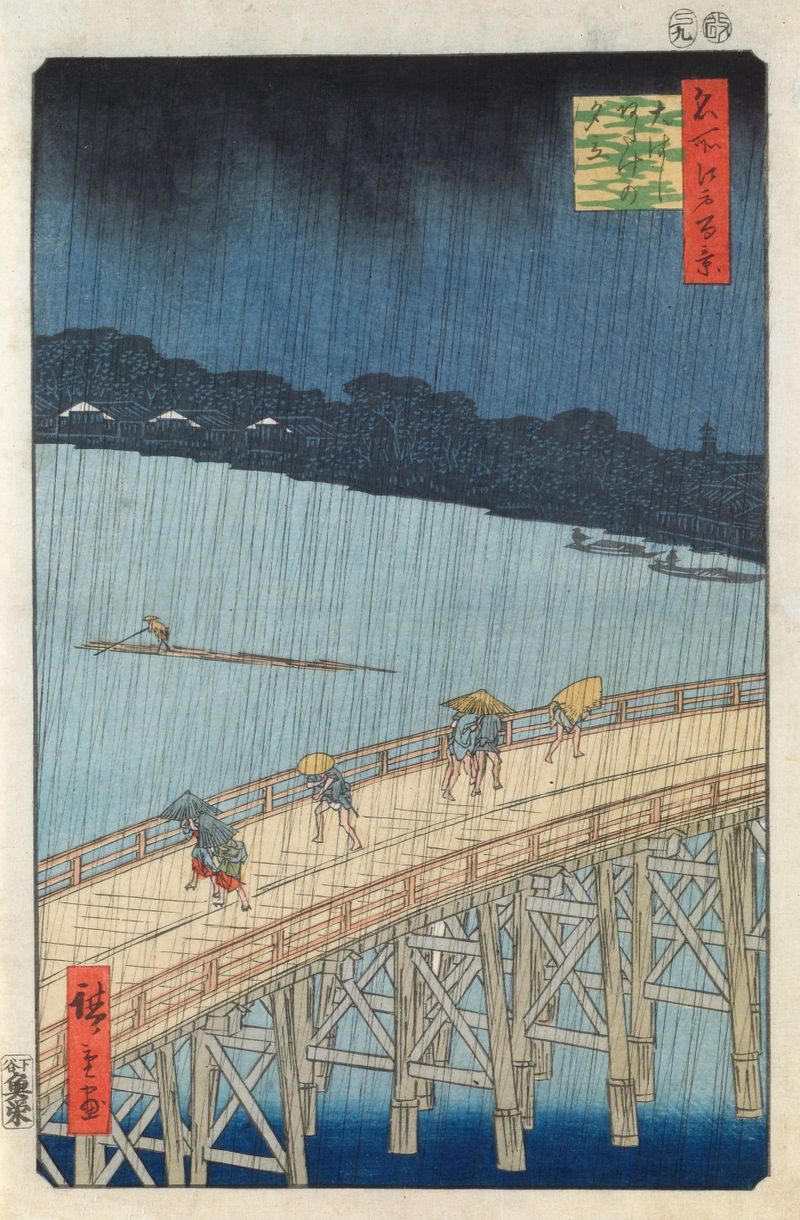
Sudden Shower Over Ohashi Bridge and Atake
Utagawa Hiroshige
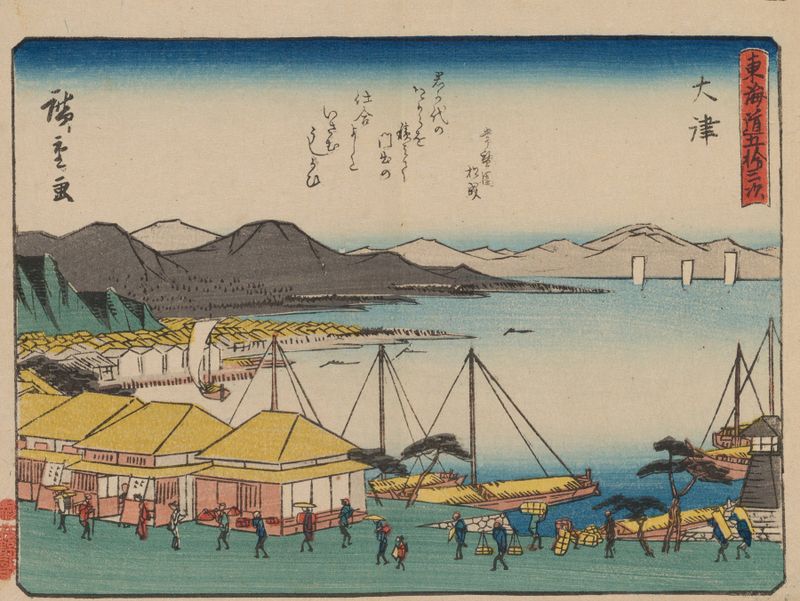
Tokaido gojusantsugi, Pl.54
Utagawa Hiroshige
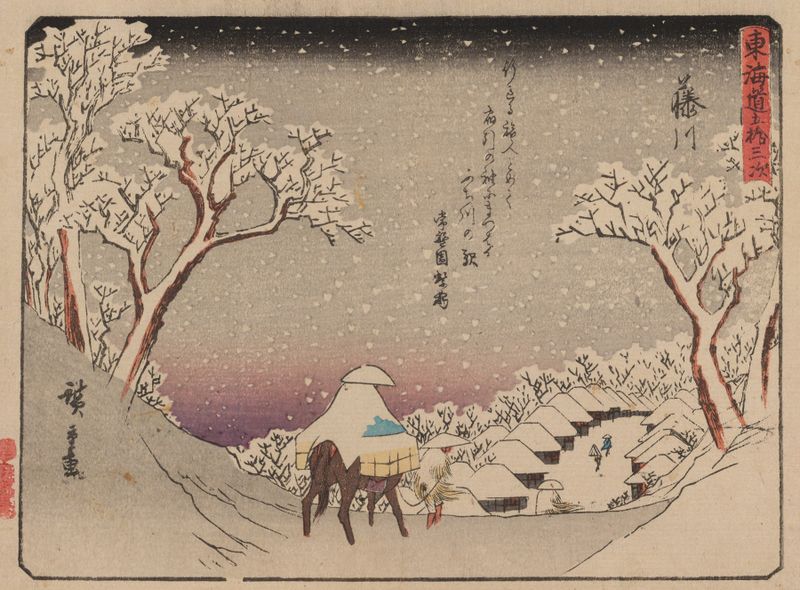
Tokaido gojusantsugi, Pl.38
Utagawa Hiroshige
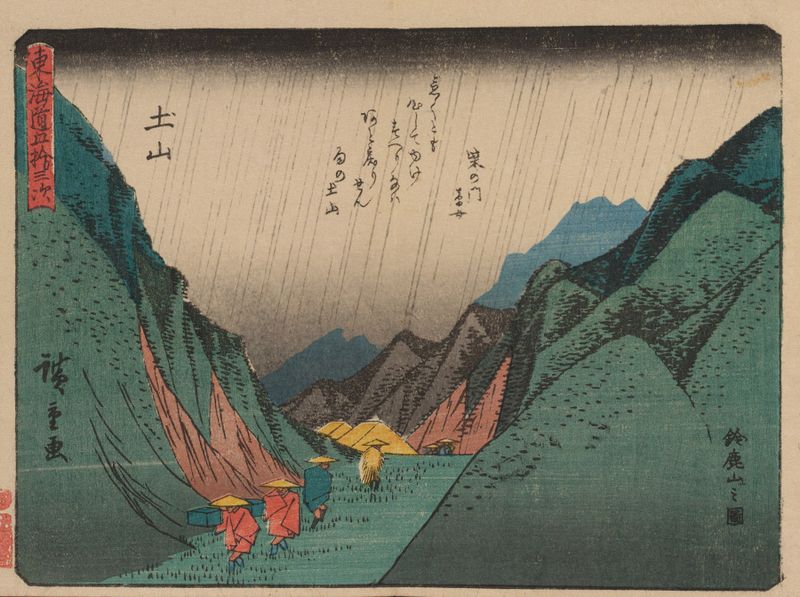
Tokaido gojusantsugi, Pl.50
Utagawa Hiroshige
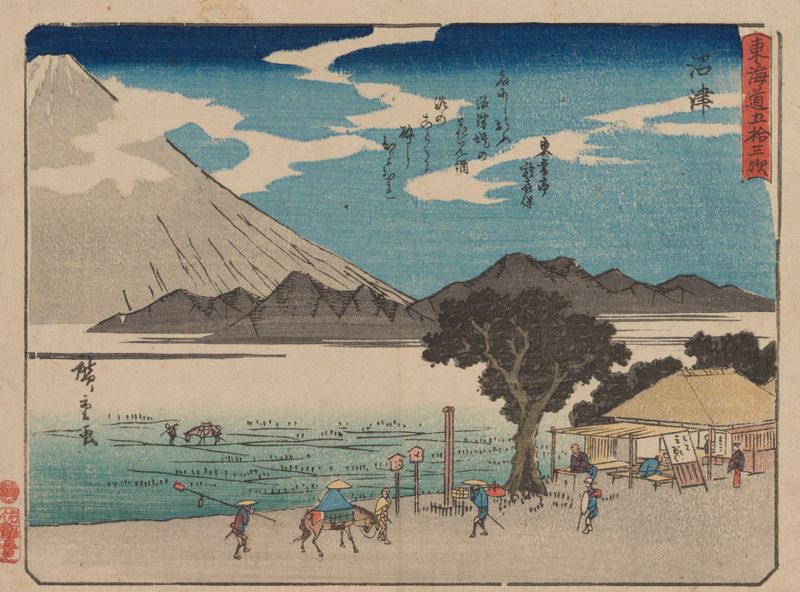
Tokaido gojusantsugi, Pl.13
Utagawa Hiroshige
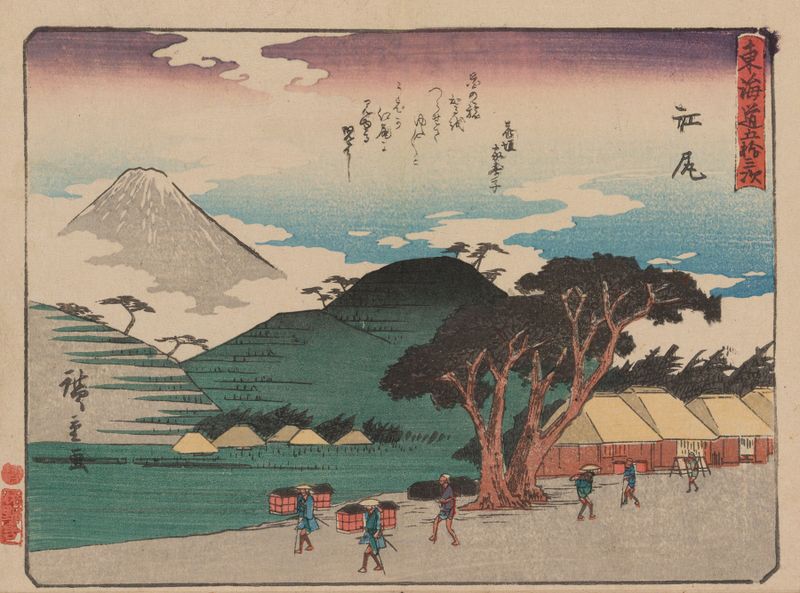
Tokaido gojusantsugi, Pl.19
Utagawa Hiroshige
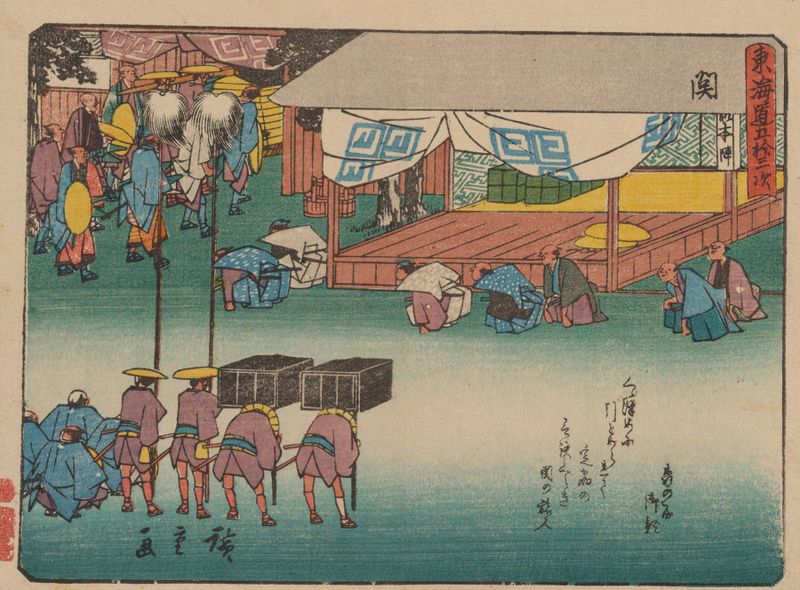
Tokaido gojusantsugi, Pl.48
Utagawa Hiroshige
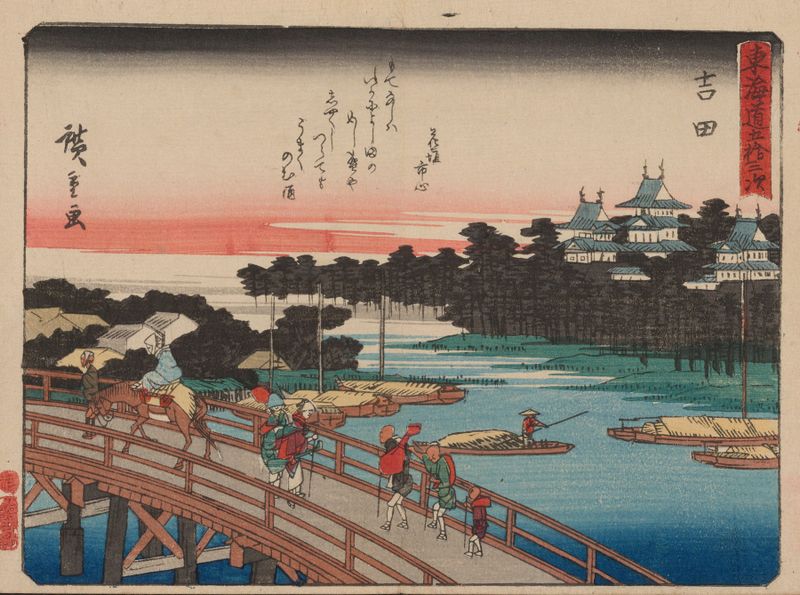
Tokaido gojusantsugi, Pl.35
Utagawa Hiroshige
Tokaido gojusantsugi, Pl.49
Utagawa Hiroshige





