
Miya — History & Facts
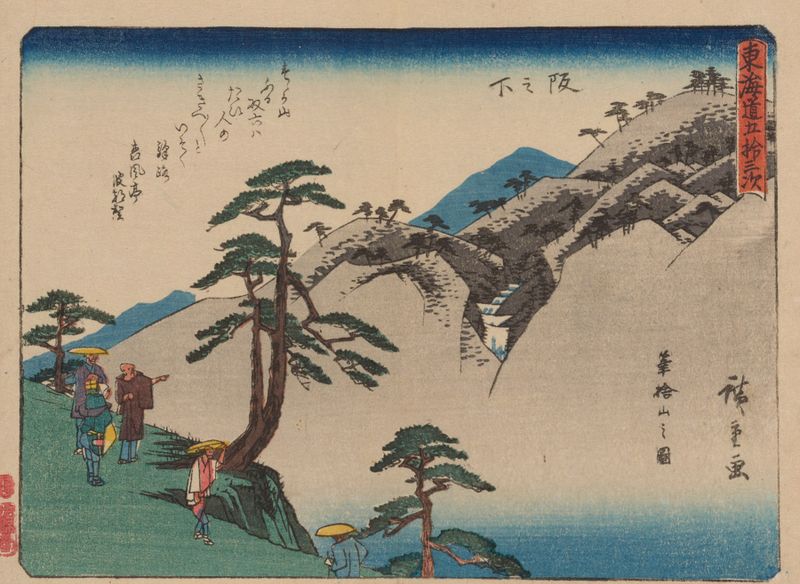
Who listens when art speaks of silence? In the delicate layers of Miya, the haunting stillness invites introspection, whispering tales of fleeting existence and the weight of time. Focus on the serene landscape, where mountains loom softly in the distance, their silhouettes a gentle reminder of the eternal, while the foreground bathes in a tranquil light. Notice how the artist crafts the clouds, wispy and ethereal, almost as if they are dissipating into nothingness. The muted palette of blues and greens envelops the viewer, creating a sense of calm, yet hinting at the transient nature of life itself. Within this peaceful scene, the juxtaposition of the solid earth against the ephemeral sky speaks to the duality of permanence and mortality.
Each brushstroke carries an echo of a life once lived, a moment caught in time yet destined to fade. The quiet presence of the landscape serves as a metaphor for the inevitability of loss, urging us to confront the beauty in what is fleeting. Created in 1855, during a period marked by the flourishing of ukiyo-e, Miya emerged from Utagawa Hiroshige's skilled hands in Edo, Japan. At this time, the artist was exploring new techniques and perspectives, influenced by both his personal experiences and the dynamic changes in Japanese society.
Hiroshige's work reflected both the serene beauty of nature and the transient aspects of life, capturing a moment in which art speaks profoundly of human existence.
More Artworks by Utagawa Hiroshige
Browse all →
Sudden Shower over Shin Ohashi Bridge and Atake (Ohashi Atake no yudachi), from the series "One Hundred Famous Views of Edo (Meisho Edo hyakkei)"
Utagawa Hiroshige
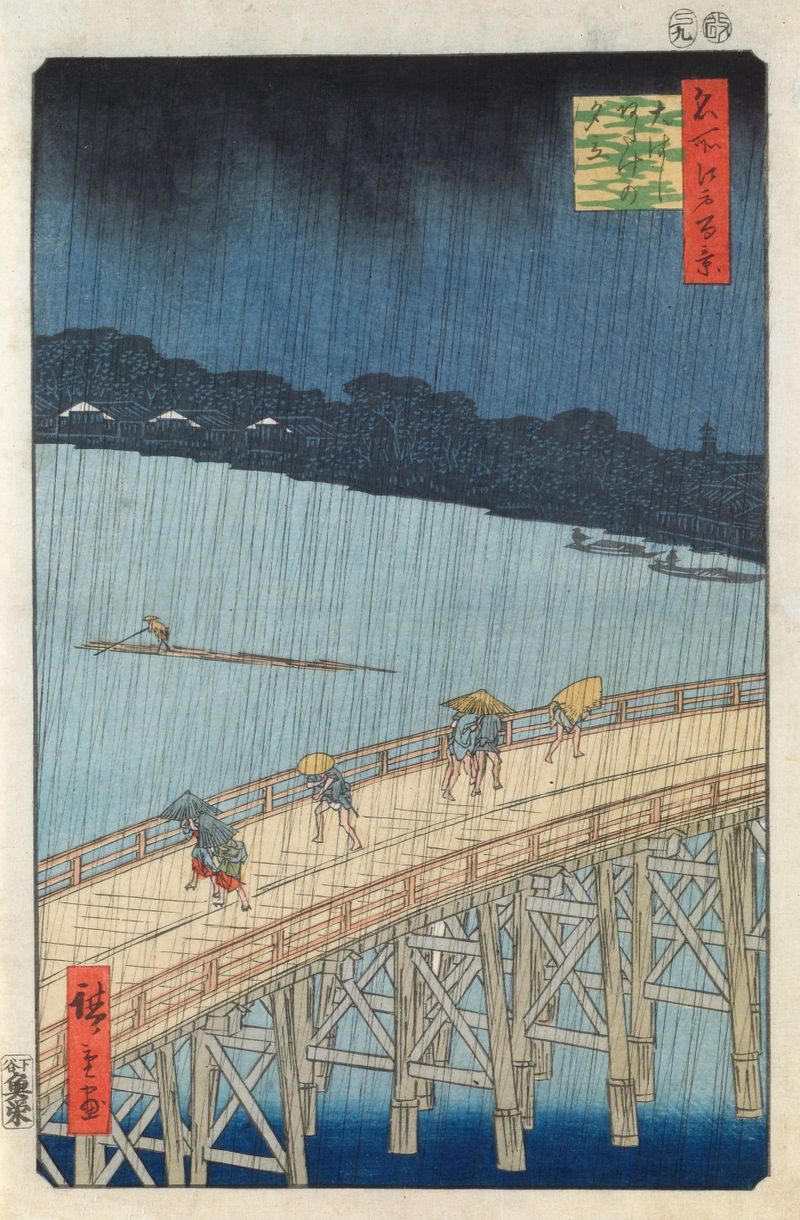
Sudden Shower Over Ohashi Bridge and Atake
Utagawa Hiroshige
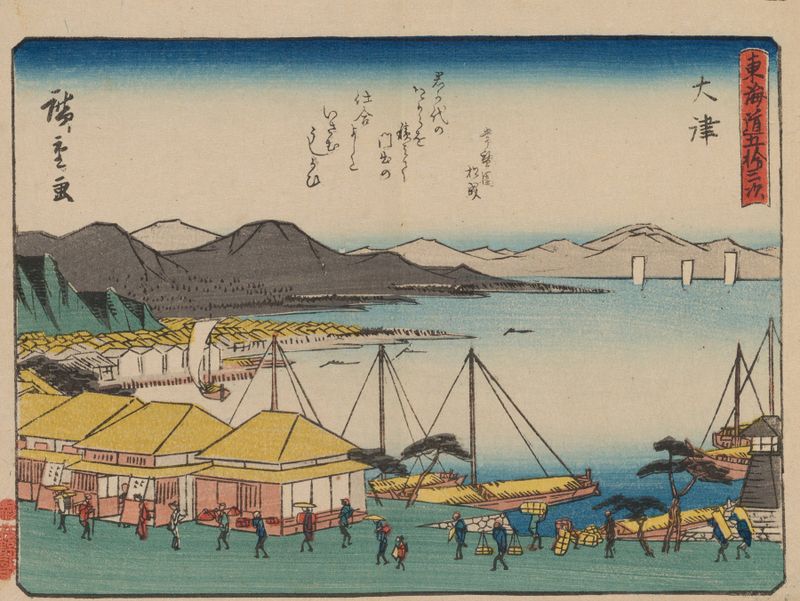
Tokaido gojusantsugi, Pl.54
Utagawa Hiroshige
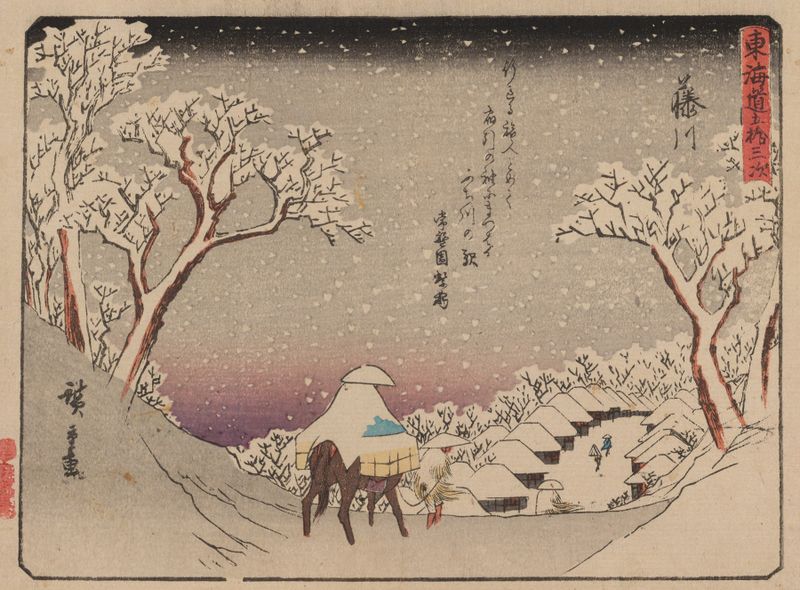
Tokaido gojusantsugi, Pl.38
Utagawa Hiroshige
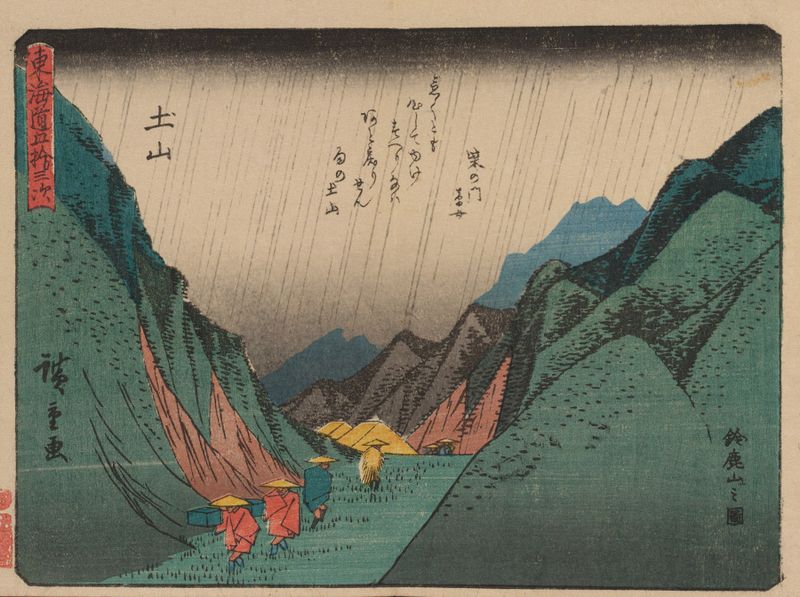
Tokaido gojusantsugi, Pl.50
Utagawa Hiroshige
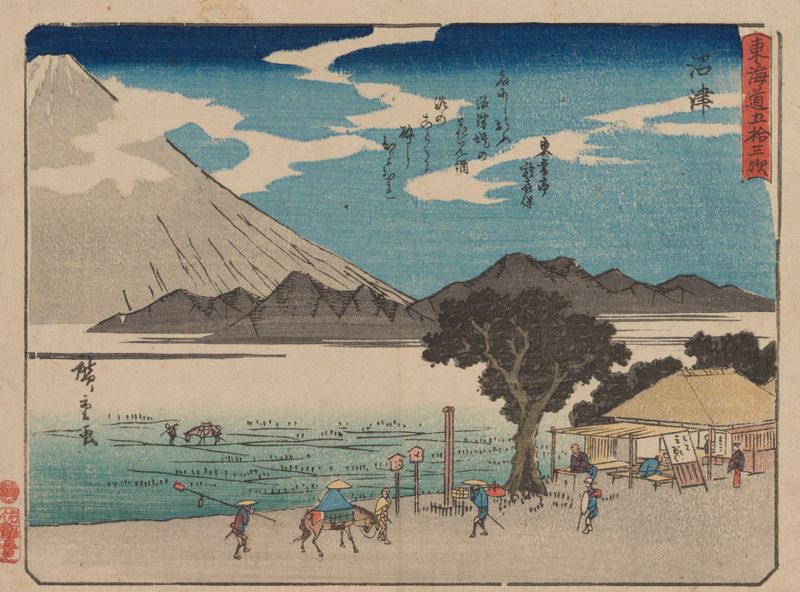
Tokaido gojusantsugi, Pl.13
Utagawa Hiroshige
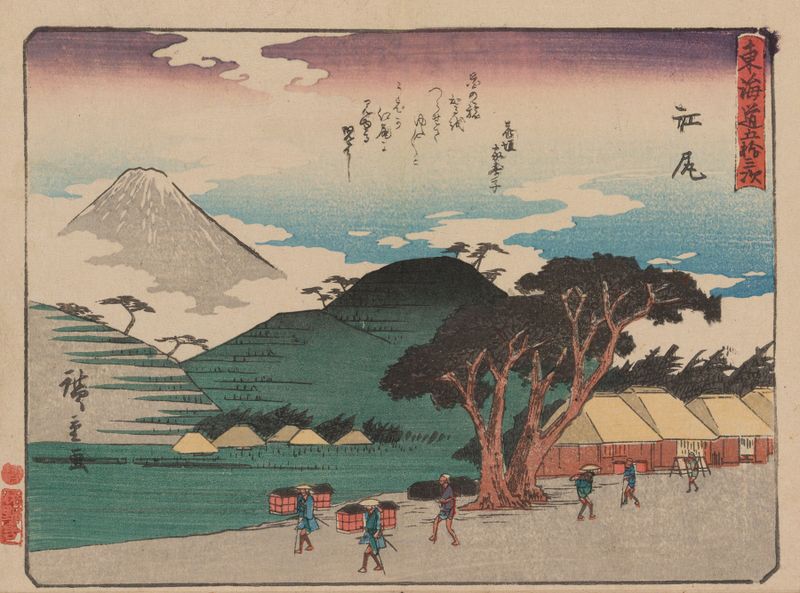
Tokaido gojusantsugi, Pl.19
Utagawa Hiroshige
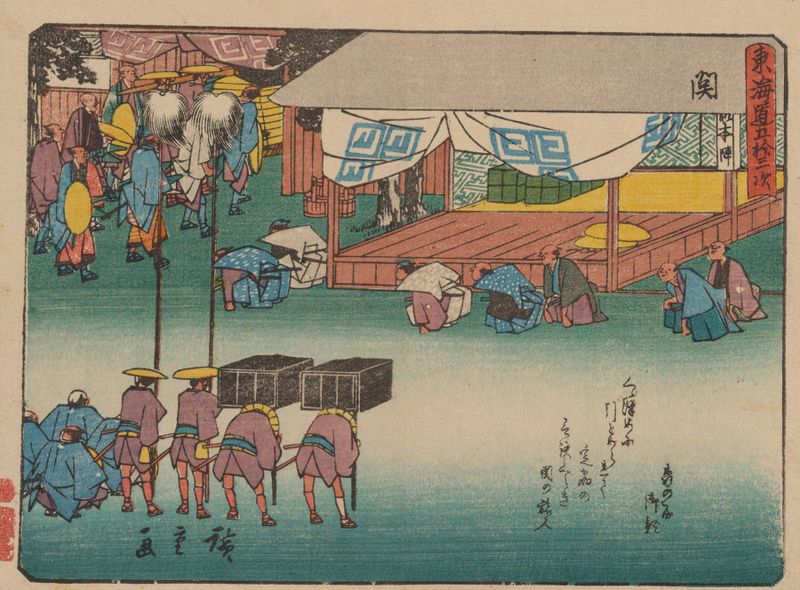
Tokaido gojusantsugi, Pl.48
Utagawa Hiroshige
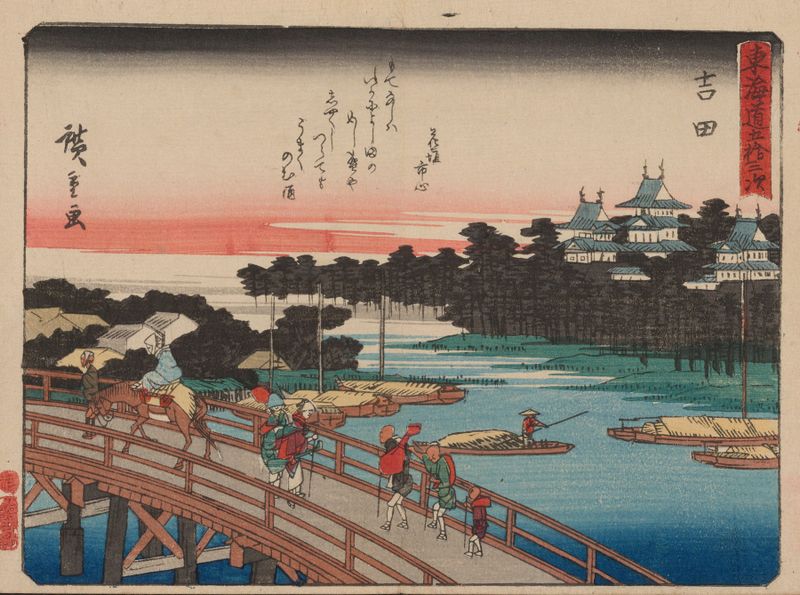
Tokaido gojusantsugi, Pl.35
Utagawa Hiroshige
Tokaido gojusantsugi, Pl.49
Utagawa Hiroshige





