
Model of a Lighthouse — History & Facts
What secret hides in the quiet of the canvas? Beneath the serene depiction of a lighthouse, an undercurrent of violence simmers, challenging our perception of safety and solitude. Look to the lighthouse at the center; its stout, solid form stands resolutely against a backdrop of turbulent seas. Notice the layered brushstrokes that create the illusion of powerful waves crashing violently against the rocky shore, threatening to engulf the steadfast structure. The palette, with its deep blues and grays, evokes a stormy atmosphere, while the soft, muted earth tones of the lighthouse suggest both warmth and rigidity. Yet, within this calm portrayal lies a deeper tension.
The lighthouse, a symbol of guidance, also serves as a sentinel against unseen dangers lurking in the waters. The juxtaposition of light and shadow hints at the duality of nature—while it may offer protection, it also harbors the potential for chaos. The viewer cannot ignore the lurking violence of the tempest, reminding us that safety can be an illusion amidst nature's ferocity. Created in 1840, this model was likely produced by an unknown artist seeking to capture the burgeoning recognition of lighthouses as beacons of hope along treacherous coastlines.
At this time, maritime navigation was becoming increasingly important, as industries and trade flourished. The artwork reflects a society grappling with the balance of progress and the inherent dangers of the sea, encapsulating both the aspirations and anxieties of its era.
More Artworks by Unknown Artist
Browse all →
Ridder, Dood en Duivel
Unknown Artist
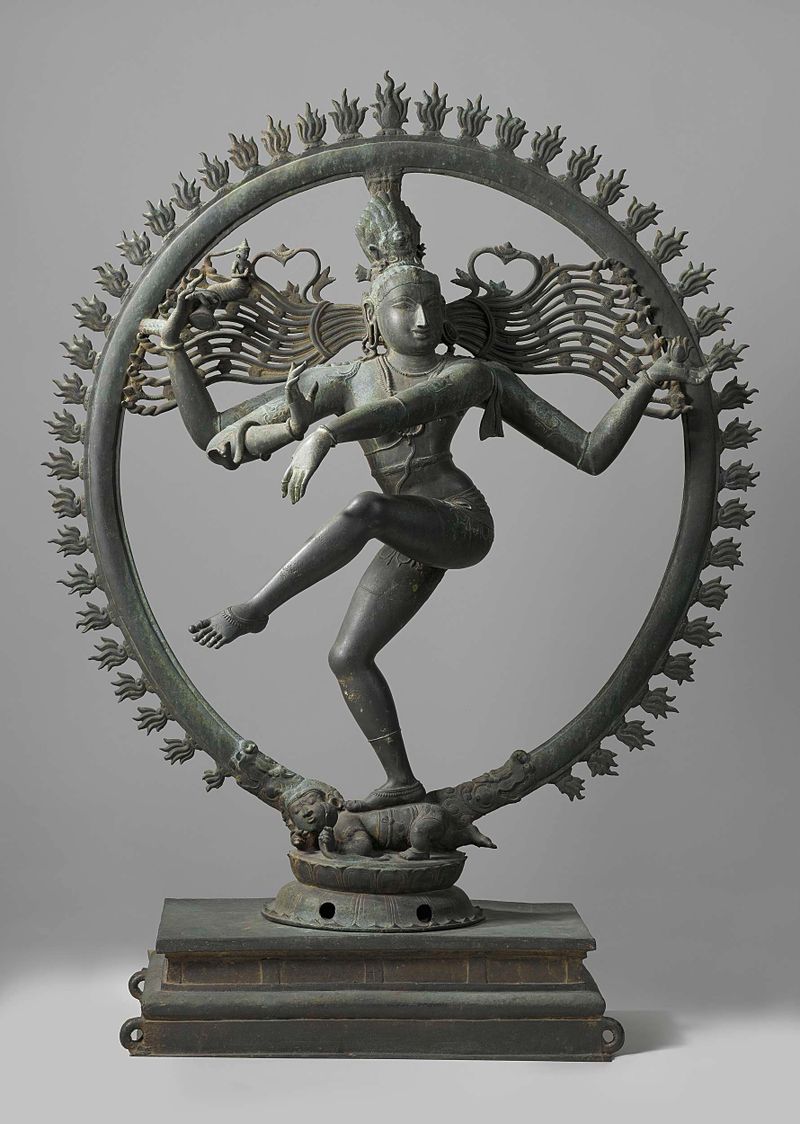
Shiva Nataraja
Unknown Artist
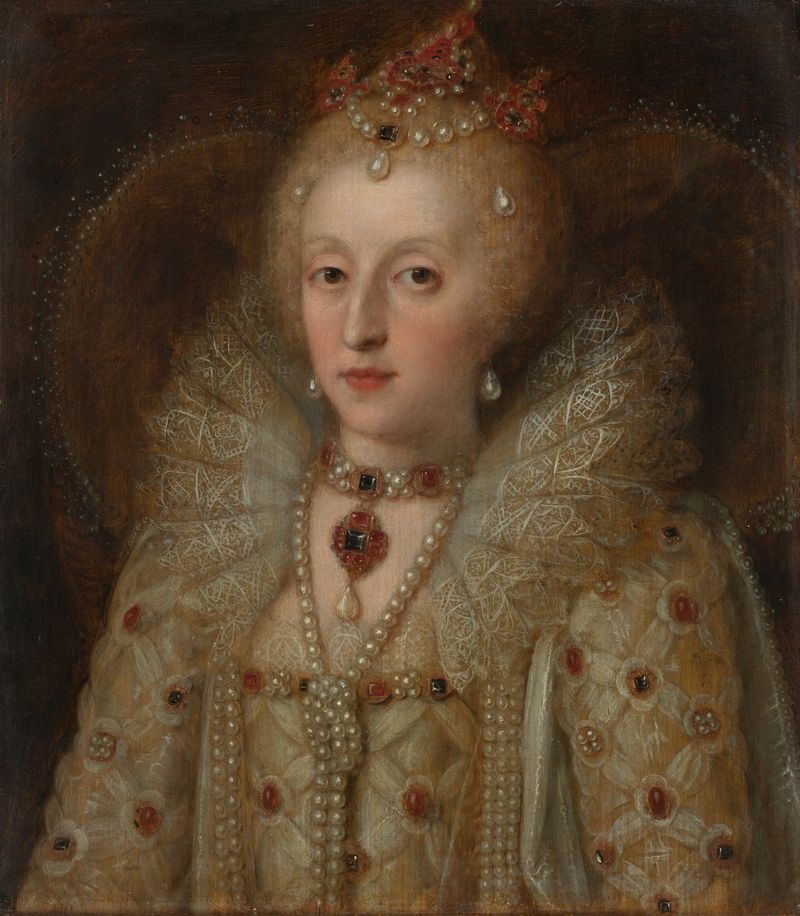
Portrait of Elizabeth I, Queen of England
Unknown Artist
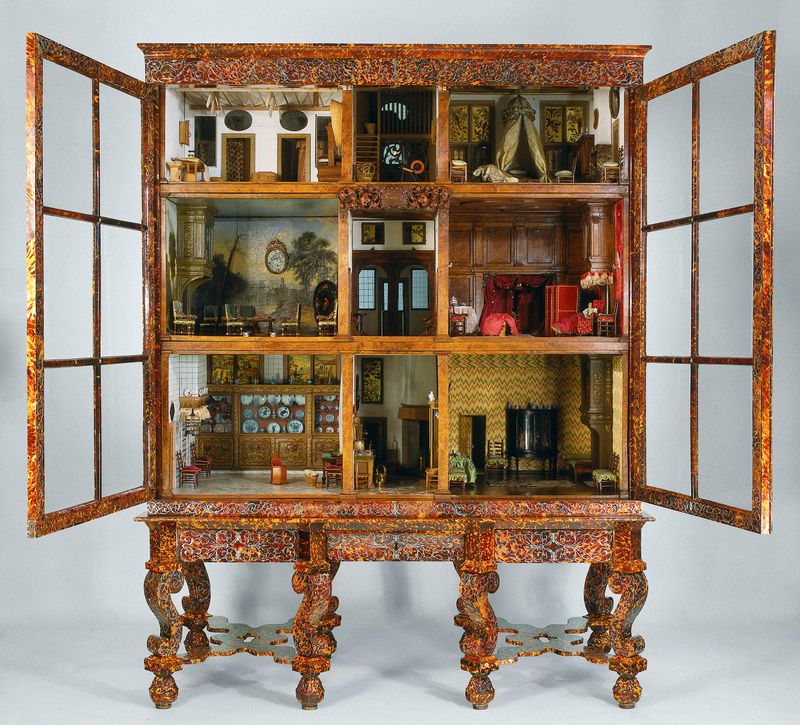
Dolls’ house of Petronella Oortman
Unknown Artist
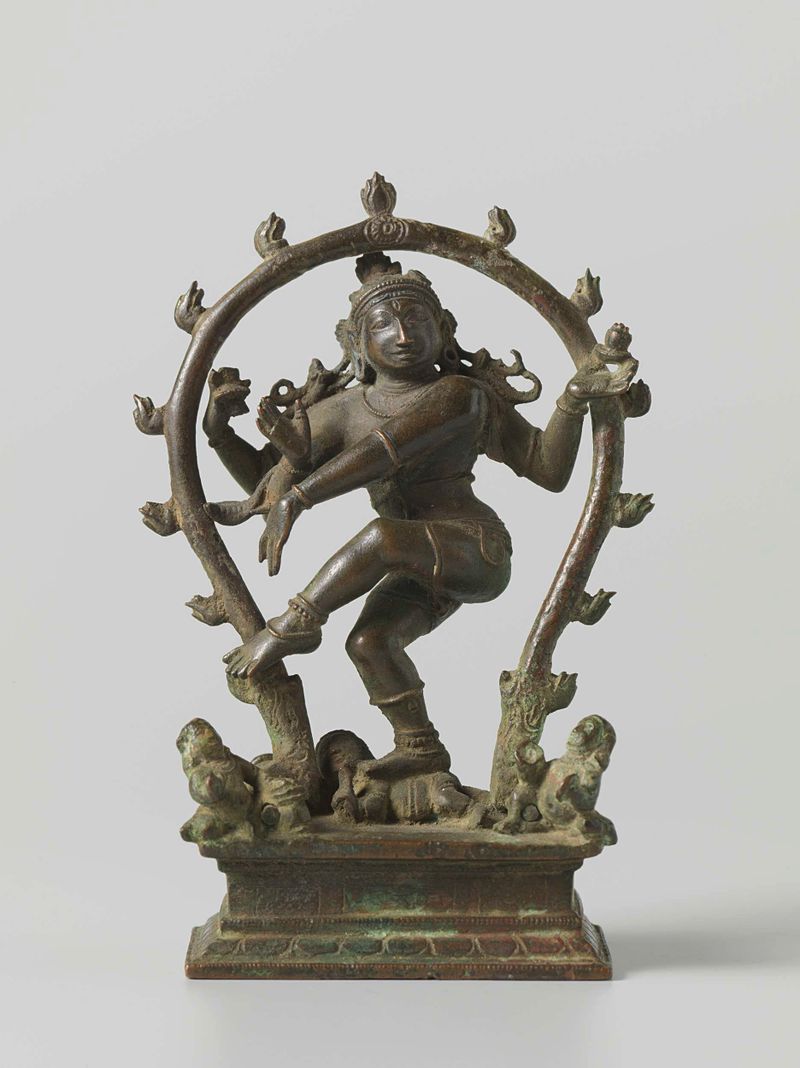
Shiva Nataraja
Unknown Artist

The Tale of Genji
Unknown Artist

The Tale of Genji
Unknown Artist

Cong
Unknown Artist
The bodhisattva Maitreya
Unknown Artist

Teabowl with a 'hare's fur' glaze
Unknown Artist





