
Modrokamenský zámok — History & Facts
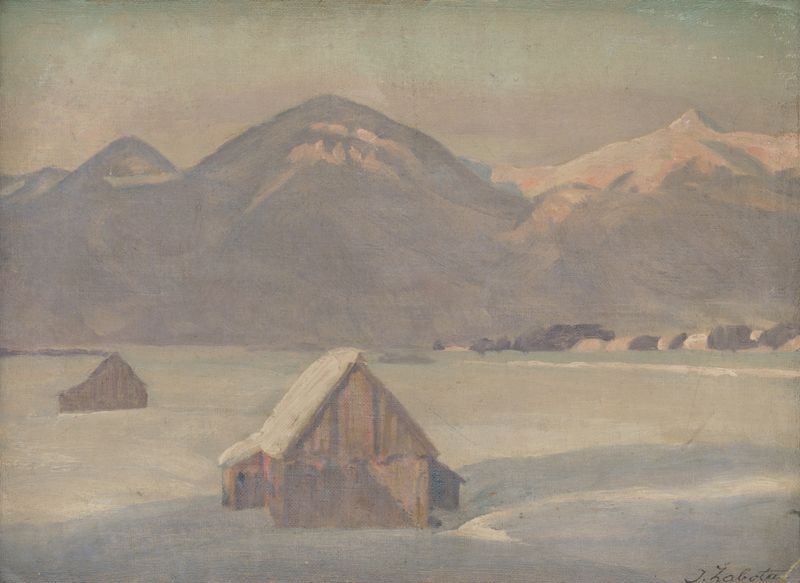
This reflection mirrors the intricate layers of innocence woven into the fabric of existence, inviting deeper contemplation. In Modrokamenský zámok, one finds a poignant exploration of the duality of beauty and sorrow. Look to the center of the canvas, where the majestic architecture stands tall against a stormy sky. The artist employs an almost ethereal palette—blues and golds clash with darkening hues, emphasizing the castle's grandeur while hinting at its hidden vulnerabilities.
Notice how the jagged edges of the structure contrast with the fluid strokes of the surrounding landscape, drawing the eye towards both the solidity of the fortress and the ephemeral nature of the clouds encroaching upon it. Within this composition lies a tension between the serene and the ominous. The castle, a symbol of strength, evokes memories of childhood innocence, yet it is shadowed by the threat of storms, underscoring the fragility of such purity. Each stroke carries emotional weight, as the brilliant touch of gold suggests a fleeting happiness, while the darker tones whisper of an impending loss, reminding viewers that innocence is often a transient state, vulnerable to the harsher realities of life. Created in 1925, this work reflects Ivan Žabota’s introspection during a time marked by social upheaval and artistic exploration in Central Europe.
The post-World War I era sparked a myriad of artistic movements, with artists seeking new means of expression. In this environment, Žabota crafted Modrokamenský zámok as a personal allegory of innocence caught in the crosswinds of change, capturing the essence of a world longing for beauty amid the chaos.
More Artworks by Ivan Žabota
Browse all →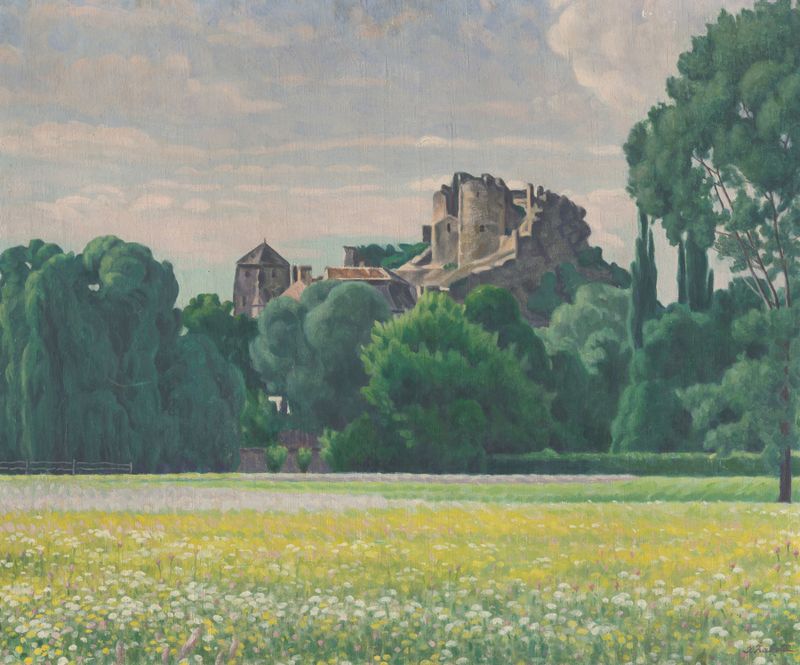
More Architecture Art
Browse all →
The statue of Liberty
Frédéric Auguste Bartholdi

View of Houses in Delft, Known as ‘The Little Street’
Johannes Vermeer

View of Houses in Delft, Known as ‘The Little Street’
Johannes Vermeer

The Cathedral in Rouen. The portal, Grey Weather
Claude Monet

The yellow house
Vincent van Gogh

The Church in Auvers-sur-Oise, View from the Chevet
Vincent van Gogh