
Mole Head, Algiers — History & Facts
In the stillness of a moment captured on canvas, silence speaks volumes, inviting us to listen closely. Look to the center where a solitary figure stands, surveying the distant horizon. The earthy tones of ochre and green intertwine, creating a sense of tranquility that envelops the viewer. Notice how the sweeping sky, painted with textured strokes of blue and white, contrasts against the rugged landscape below.
The deliberate brushwork invites you to trace the curves of the land, leading your eyes toward the vast expanse, echoing the figure's contemplation. Within this serene composition lies a deeper tension: the juxtaposition of solitude against the vastness of nature. The figure's stillness contrasts sharply with the restless sky, suggesting an internal struggle between desire and acceptance. Furthermore, the subtle interplay of light and shadow hints at the passage of time, amplifying the silence that hangs in the air.
It is a moment of reflection, where the viewer is drawn to ponder their own journey amid the vastness of existence. In 1816, the artist found himself in the pivotal years of his career, creating Mole Head, Algiers while residing in England. During this era, artistic movements were shifting, with Romanticism beginning to challenge neoclassical ideals. This work reflects not only Pocock's personal experiences but also the broader transition in the art world, embracing more emotive and nature-focused themes.
It served as a meditation on the interplay of humanity and the natural world, encapsulating profound truths amid a rapidly changing landscape.
More Artworks by Nicholas Pocock
Browse all →
British Men-of-War in a Fresh Breeze
Nicholas Pocock

View of Barbados
Nicholas Pocock
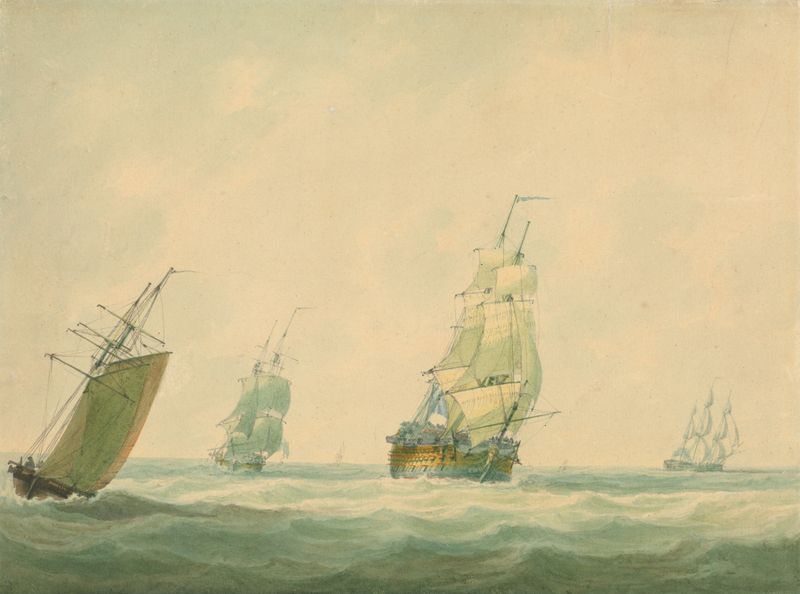
A Two-Decker and other Shipping Offshore
Nicholas Pocock
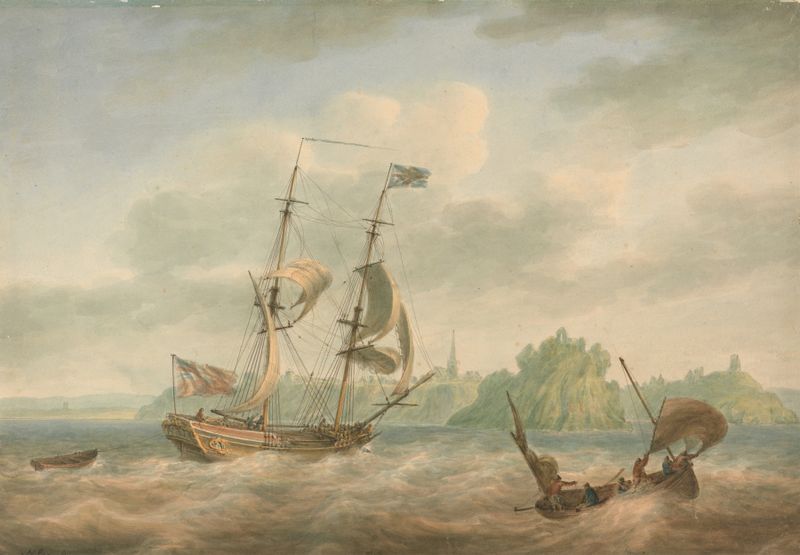
An Admiralty Yacht Running Inshore at Tenby
Nicholas Pocock
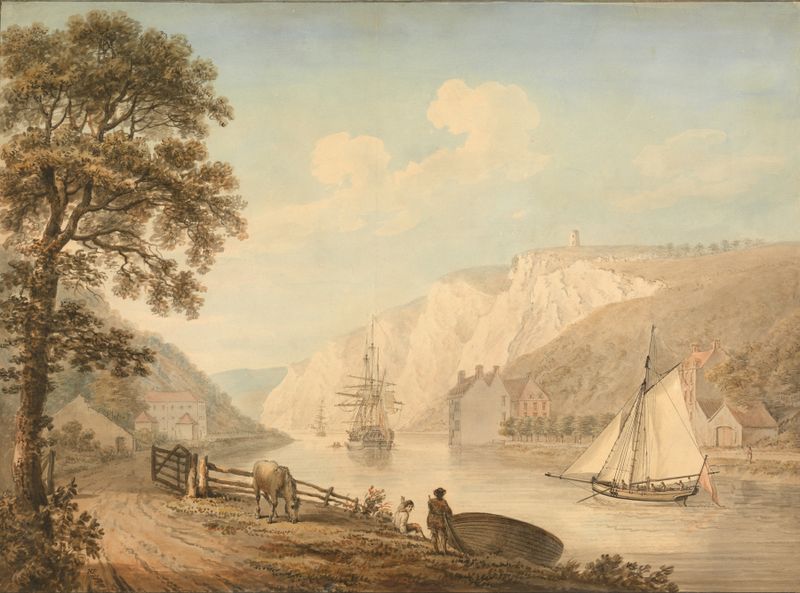
The River Avon with Passing Vessels
Nicholas Pocock
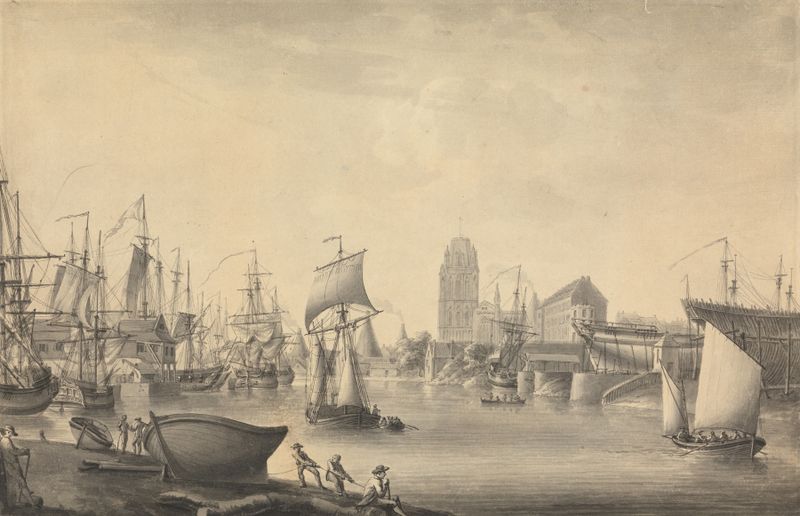
Bristol
Nicholas Pocock
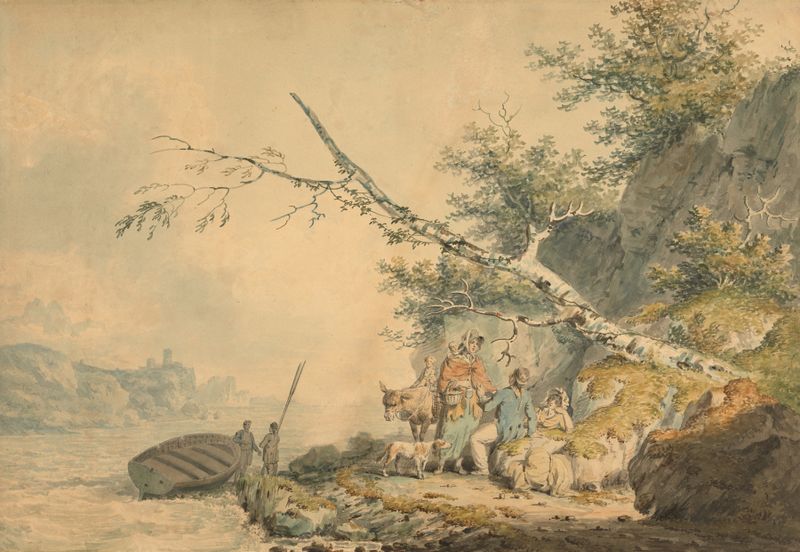
The Sailor’s Departure
Nicholas Pocock
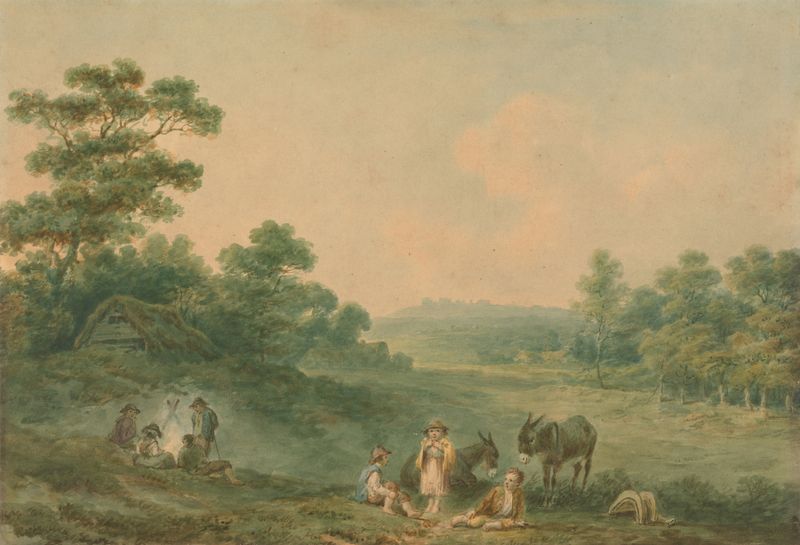
Landscape with Gypsies
Nicholas Pocock
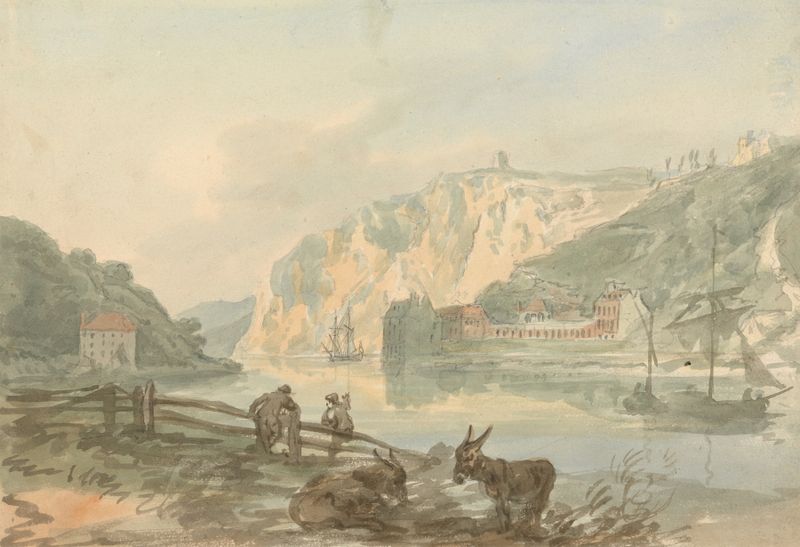
Hotwells from Rownham Ferry
Nicholas Pocock
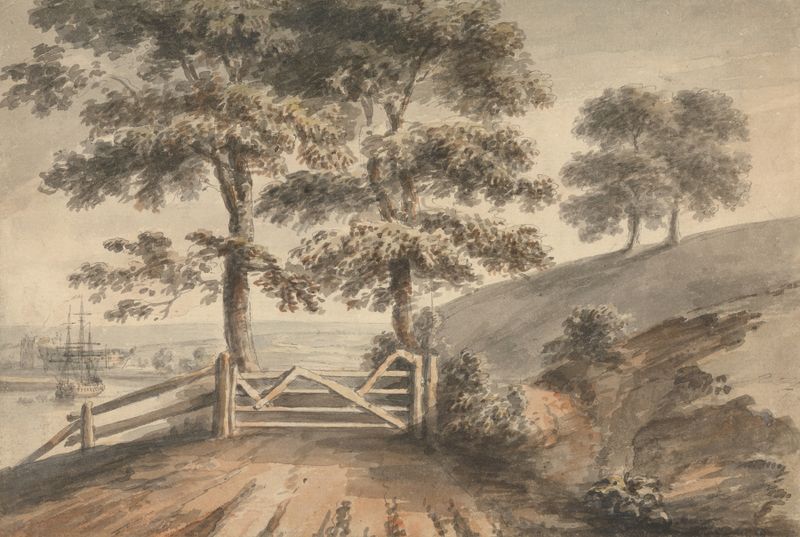
View from Ashton Meadows, Bristol
Nicholas Pocock





