
Moli at Palermo — History & Facts
What secret hides in the quiet of the canvas? In Moli at Palermo, movement is not merely depicted but felt, as if the brushstrokes whisper of life just beyond the frame. Look to the left at the figure of Moli, poised gracefully against the backdrop of a soft, pastel landscape. The artist employs delicate strokes to create the illusion of fabric flowing gently around her, inviting the viewer to imagine the subtle sway of her movements. Notice how the crispness of Moli's silhouette stands in contrast to the blurred, warm hues of the surroundings, as sunlight dances across the canvas, illuminating her presence and drawing the eye toward her.
The gentle gradients of color create a harmonious atmosphere, encapsulating a moment suspended in time. Yet, beneath this serene exterior lies an emotional tension. The juxtaposition between the vitality of Moli and the tranquil scenery speaks to the complexity of human experience — the inner turmoil often felt amidst calm external circumstances. Each layer of paint seems to capture the essence of fleeting thoughts and unexpressed emotions, while Moli’s slightly averted gaze hints at a narrative obscured from the viewer.
This interplay of stillness and movement invites contemplation about what lies beneath the surface, transforming the observer into an active participant in the scene. At the time Moli at Palermo was created, Miner Kilbourne Kellogg was deeply engaged with the themes of landscape and human form. Active in the mid-19th century, Kellogg was influenced by the Romantic movement, which celebrated nature and emotion. The technical prowess exhibited in this work reflects his dedication to a style that bridged realism with a sense of ethereality, capturing moments that resonate with both beauty and introspection.
More Artworks by Miner Kilbourne Kellogg
Browse all →
General Andrew Jackson
Miner Kilbourne Kellogg
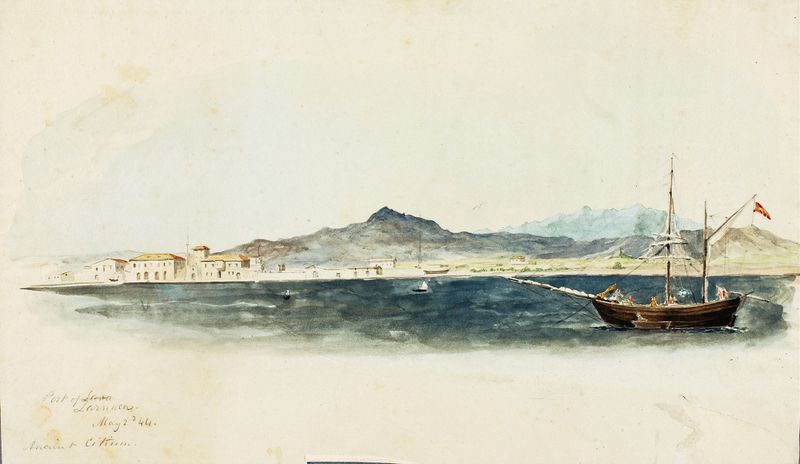
Port of Larnaca
Miner Kilbourne Kellogg
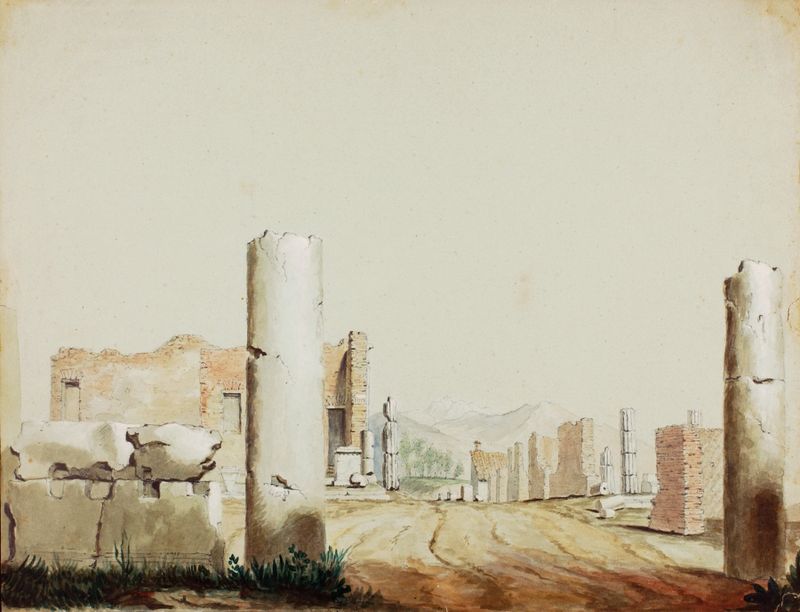
Pompeii, Italy
Miner Kilbourne Kellogg
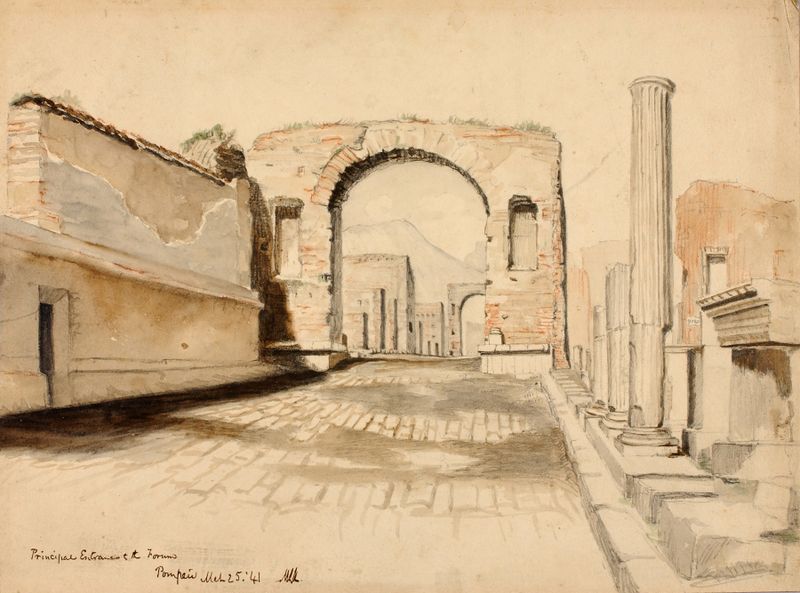
Principal Entrance To The Forum, Pompeii
Miner Kilbourne Kellogg

Tomb of Virgil, Naples
Miner Kilbourne Kellogg

Ancient And Modern Egypt
Miner Kilbourne Kellogg

Adalia, Asia Minor
Miner Kilbourne Kellogg

Fire Island Lighthouse
Miner Kilbourne Kellogg

Saltwood Castle
Miner Kilbourne Kellogg

Glacier And Falls
Miner Kilbourne Kellogg





