
Mondaufgang — History & Facts
What secret hides in the quiet of the canvas? A stillness envelops the viewer, inviting contemplation and introspection amidst the serene landscape painted with masterful restraint. Look to the horizon where the moon rises, a luminous orb that bathes the gently rolling hills in a soft, ethereal glow. Notice how the muted palette of blues and greens melds harmoniously, allowing the moonlight to become the focal point, drawing your gaze upward. The delicate brushwork conveys a sense of tranquility, while the subtle variations in texture suggest a gentle breeze rustling through the foliage. Deeper insight reveals the contrast between light and shadow, illustrating the duality of night and day, peace and unrest.
The stillness in the foreground, with its calm water and serene landscapes, juxtaposes the vibrant energy often associated with moonlit nights. This duality speaks to the human experience, inviting viewers to reflect on their own moments of quietude amidst life's complexities. In 1855, the artist painted this work during a period of personal exploration and introspection in Austria, a time when the Romantic movement was peaking. Stifter was known for his affinity with nature and the emotional resonance it could evoke.
Amid shifting societal norms and artistic revolutions, Mondaufgang stands as a testament to his belief in the transformative power of serene landscapes and the tranquility they can inspire.
More Artworks by Adalbert Stifter
Browse all →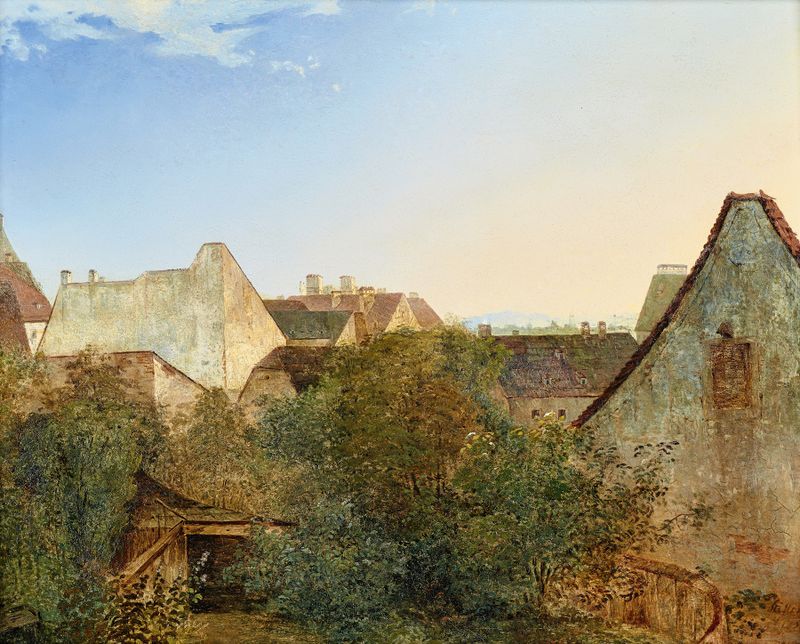
Blick über Wiener Vorstadthäuser (Beatrixgasse)
Adalbert Stifter
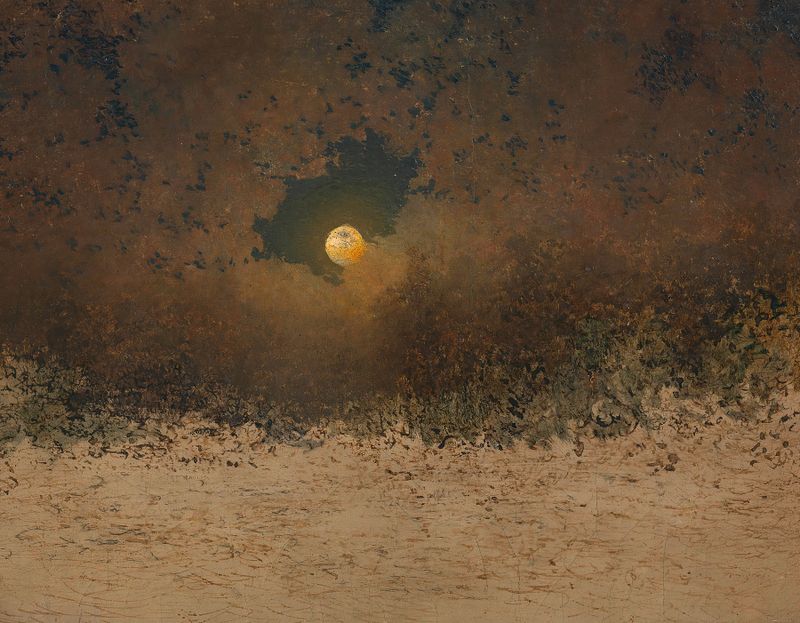
Mondlandschaft mit bewölktem Himmel
Adalbert Stifter
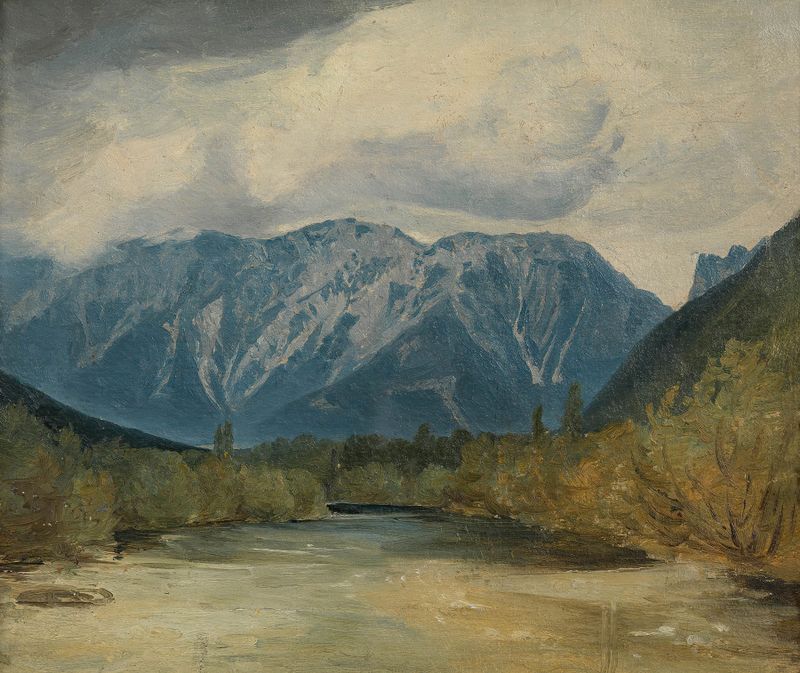
Die Rax in Niederösterreich
Adalbert Stifter
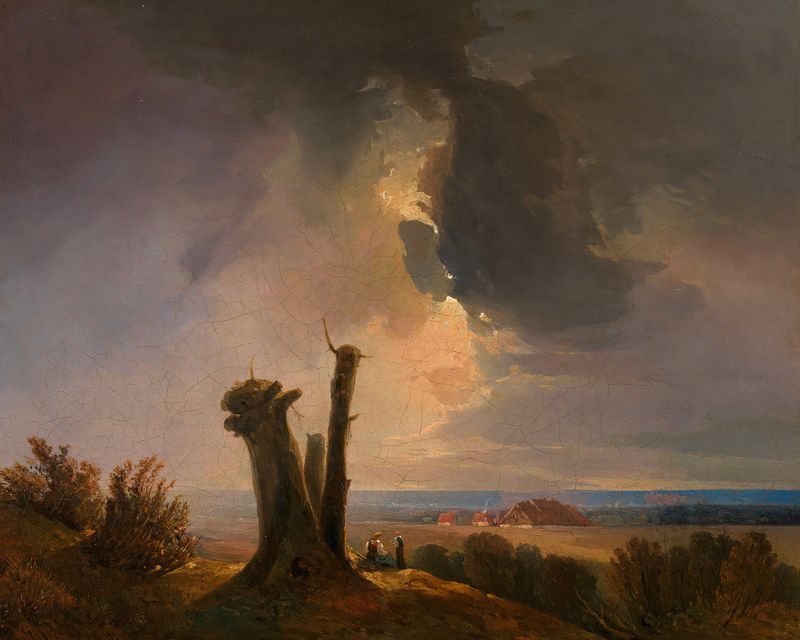
Westungarische Landschaft – Blick vom Leithagebirge
Adalbert Stifter
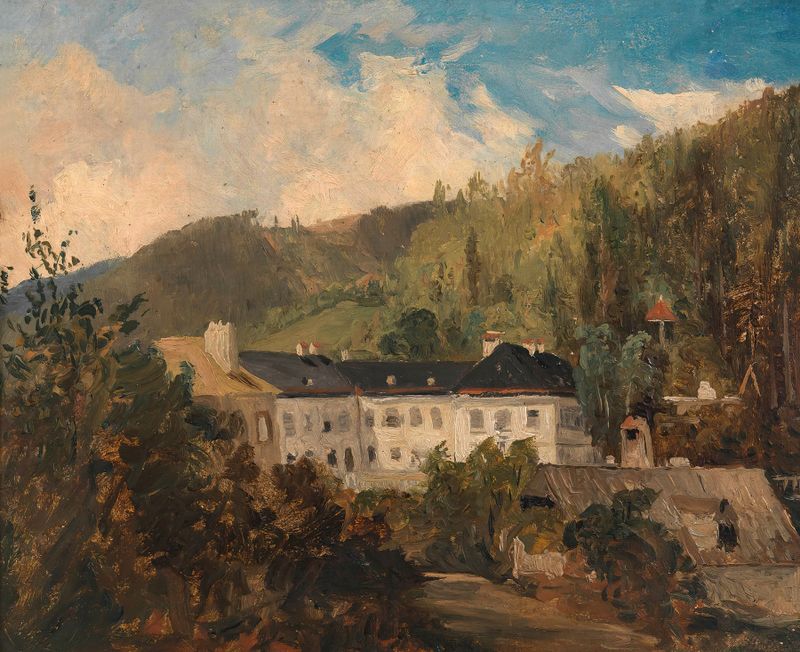
Motiv aus Neuwaldegg
Adalbert Stifter
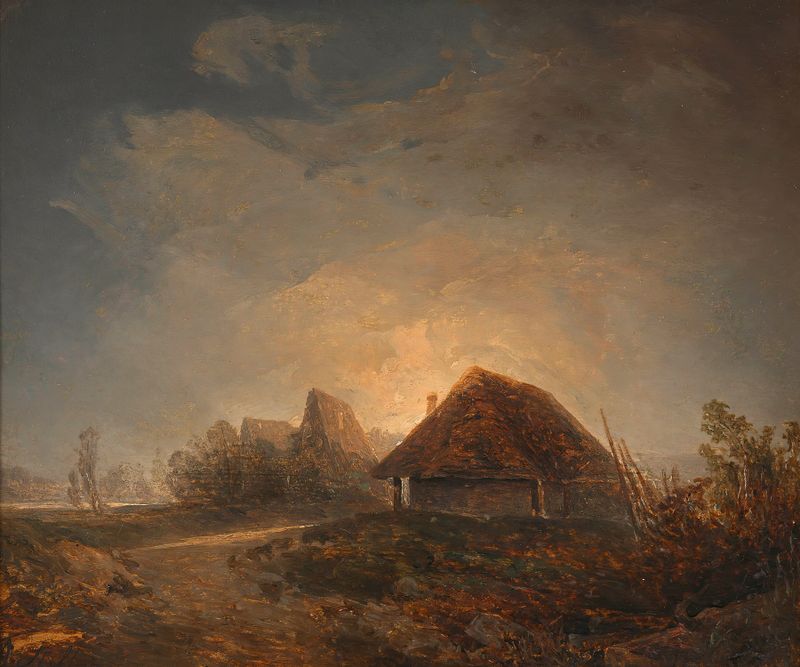
Westungarische Landschaft mit Hütten und aufgehendem Mond
Adalbert Stifter
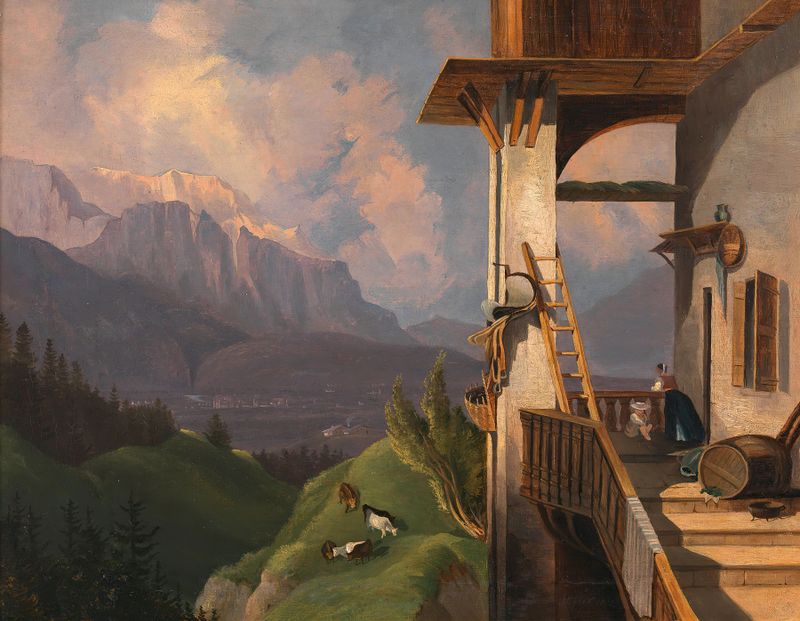
Innsbruck mit der Nordkette
Adalbert Stifter
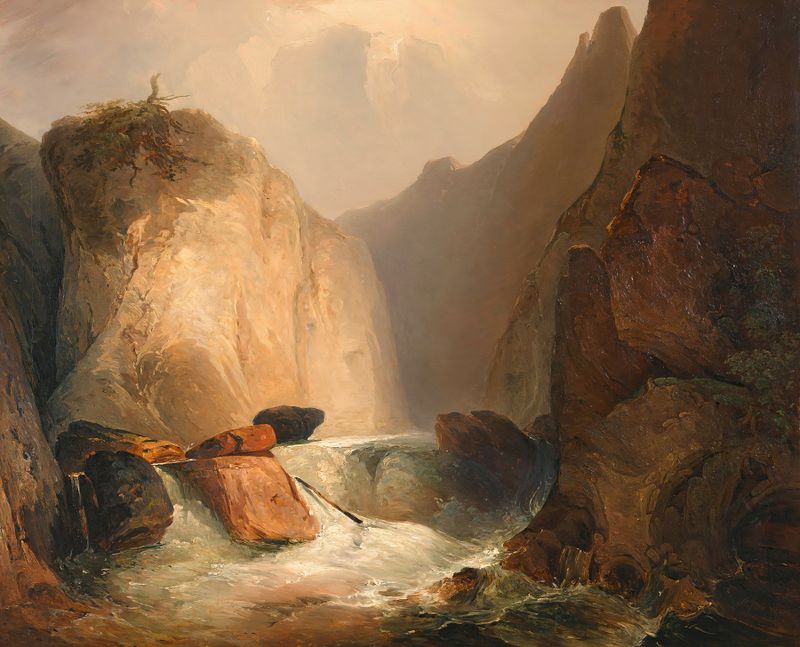
Felspartie – Moldauenge bei Hohenfurt
Adalbert Stifter
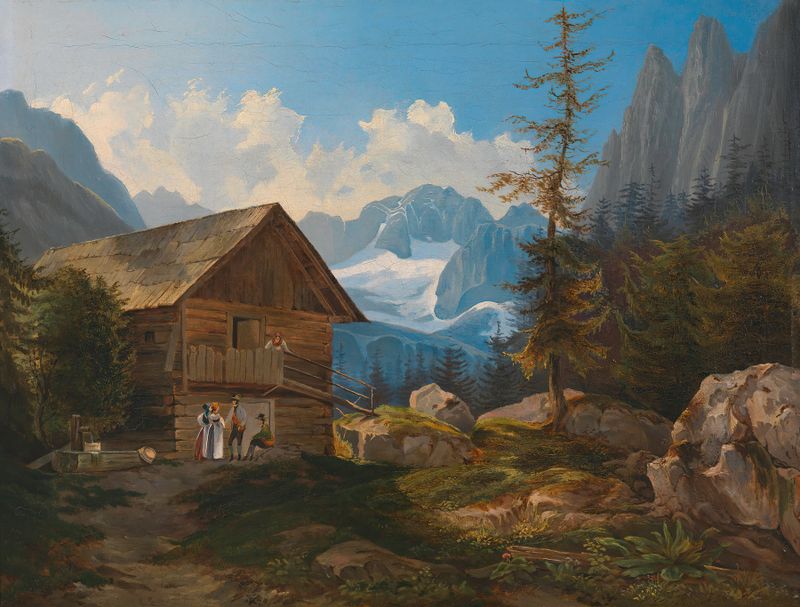
Im Gosautal (Oberösterreich)
Adalbert Stifter
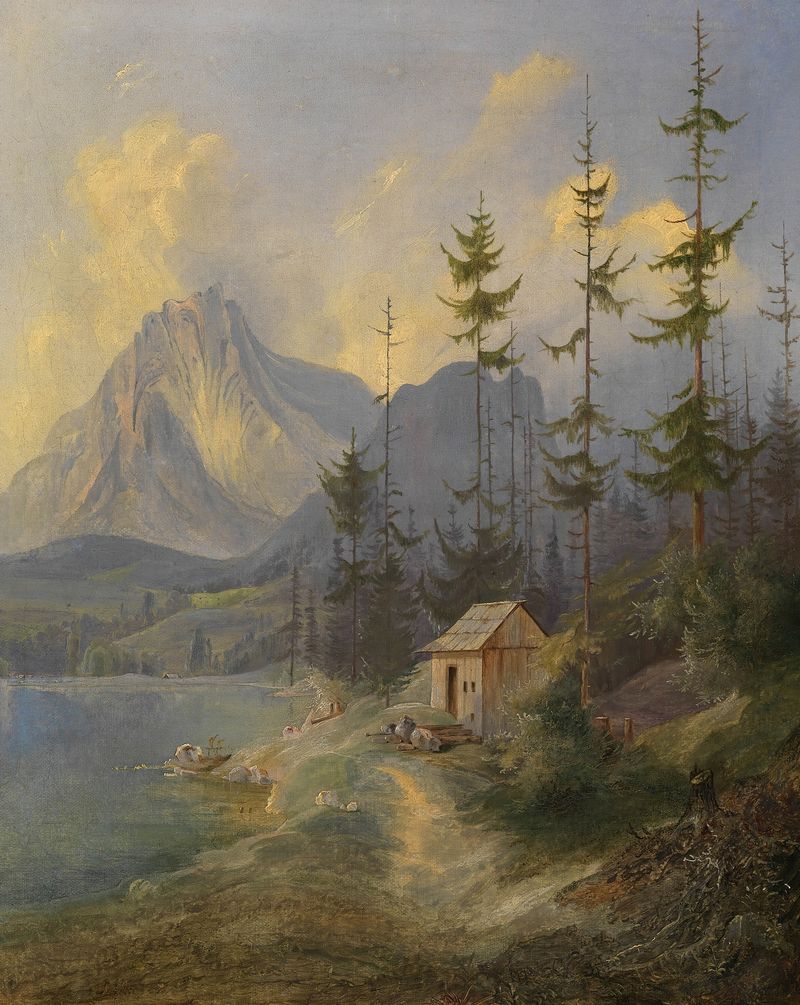
Der Sarstein bei Alt-Aussee
Adalbert Stifter





