
Monk Meditating near a Ruin by Moonlight — History & Facts
Who listens when art speaks of silence? In the stillness of the night, the essence of tranquility unfolds in a single frame, inviting contemplation and balance. Look to the center of the canvas, where a solitary monk sits in deep meditation, bathed in the gentle glow of moonlight. The soft luminescence creates a striking contrast against the dark, crumbling ruins that frame him, drawing the eye immediately to his serene posture. Notice how the light falls upon his robes, highlighting the folds in contrast to the shadowy background, infusing the scene with an ethereal quality.
The careful use of cool blues and soft grays evokes a sense of calm, while the moon’s reflection hints at a connection to the divine. Delve deeper into the interplay of elements within this piece. The juxtaposition of the monk’s peaceful demeanor against the backdrop of decay symbolizes the harmony found within solitude, suggesting that even in ruin, there is an opportunity for spiritual rebirth. The moonlight serves not just as illumination but as a metaphor for enlightenment, guiding the viewer's understanding of balance between darkness and light, life and death.
In this still moment, the tension and serenity coexist, inviting viewers into a contemplative space. In 1862, the Dutch painter created this thoughtful work during a period marked by an increasing interest in Romanticism and spiritual themes in art. Living in the Netherlands, he was influenced by the Dutch landscape and the emerging symbolist movement, which sought to express the inner workings of the soul. This piece reflects his personal exploration of meditative states and the quest for inner peace amidst the tumultuous changes in both his life and the wider art world.
More Artworks by Frederik Marinus Kruseman
Browse all →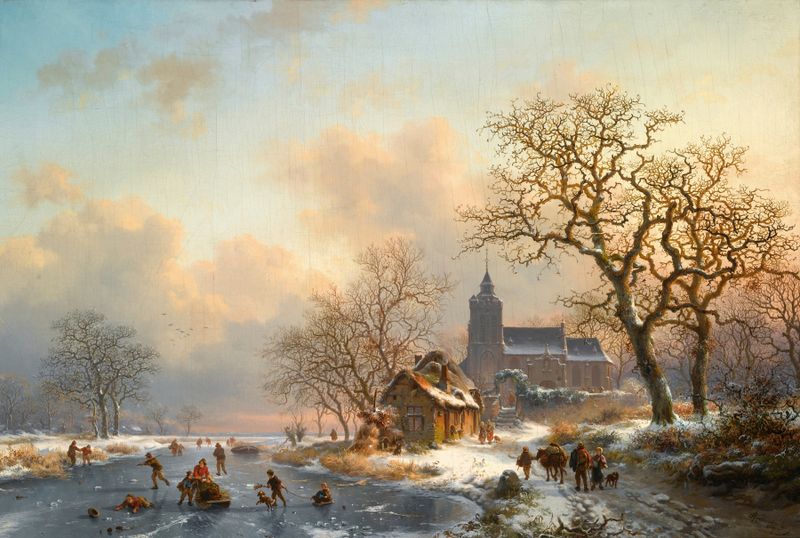
A Winter Landscape With Skaters On A Frozen River
Frederik Marinus Kruseman

Winter Landscape With Strollers And Skaters
Frederik Marinus Kruseman
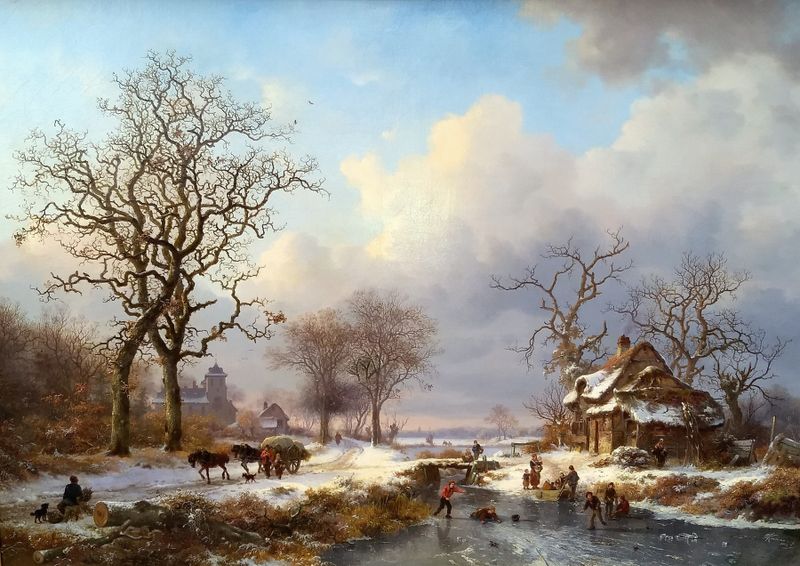
Dutch Winter Landscape with Skaters
Frederik Marinus Kruseman

Winter landscape with figures on a frozen river
Frederik Marinus Kruseman
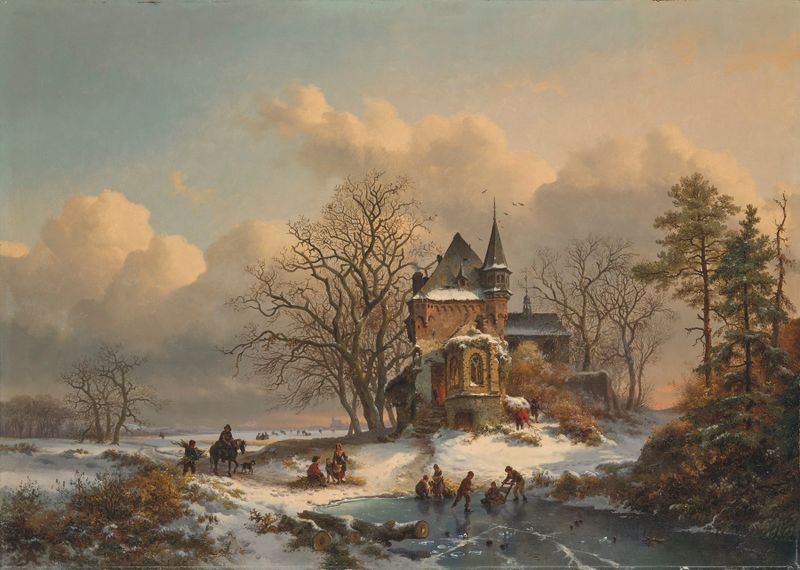
Winter landscape with skaters
Frederik Marinus Kruseman
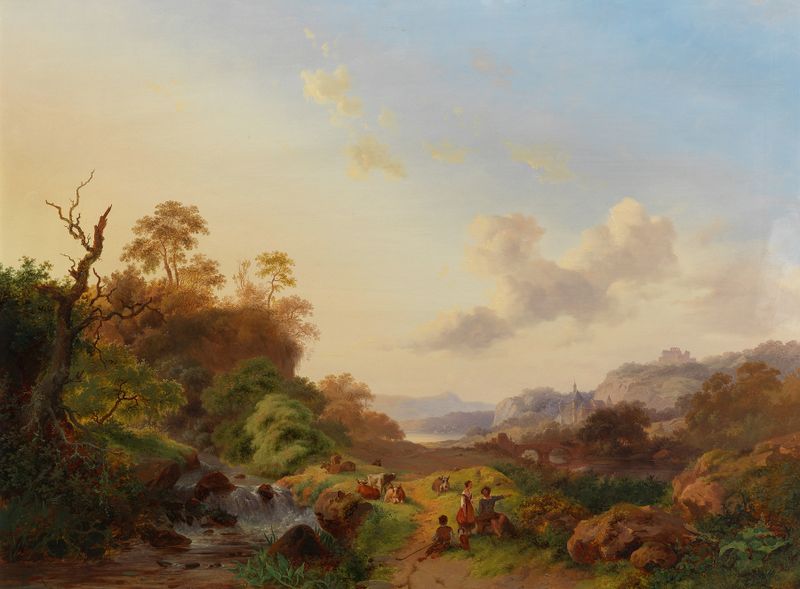
Summer landscape with figures and cattle near a waterfall
Frederik Marinus Kruseman
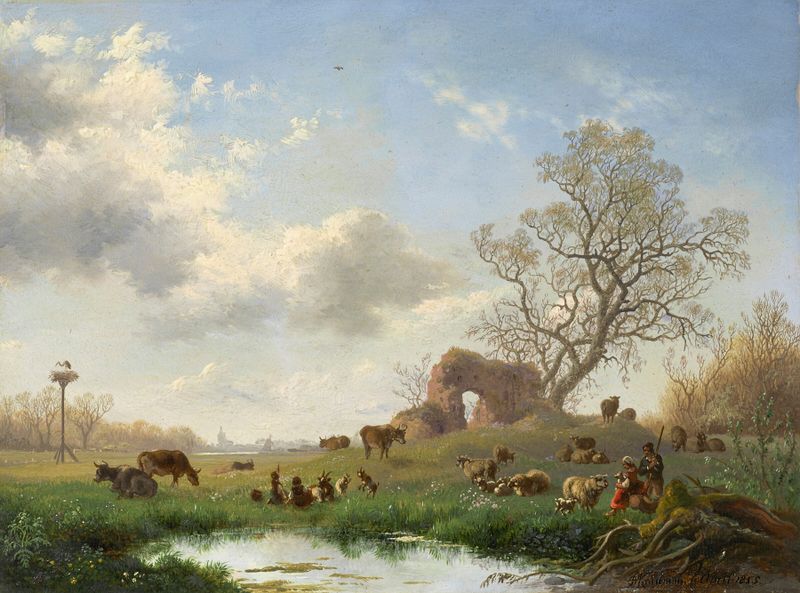
April
Frederik Marinus Kruseman
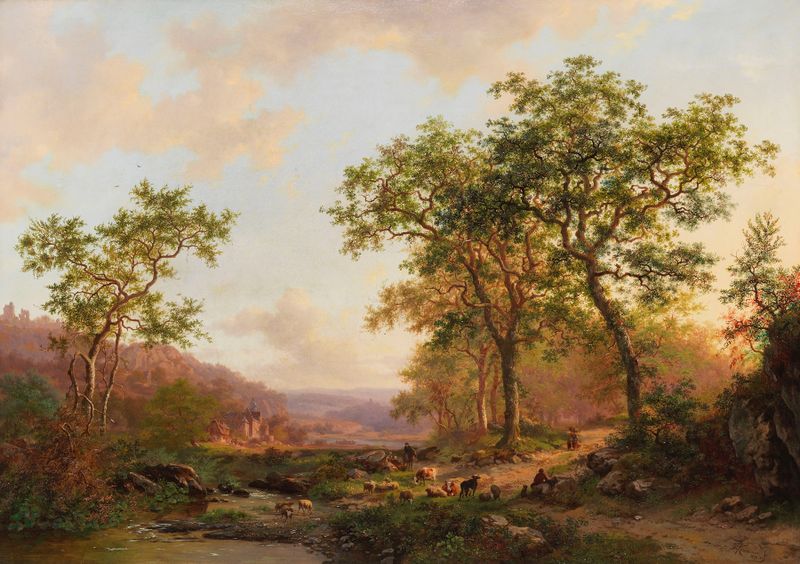
Weite Landschaft im Abendlicht
Frederik Marinus Kruseman
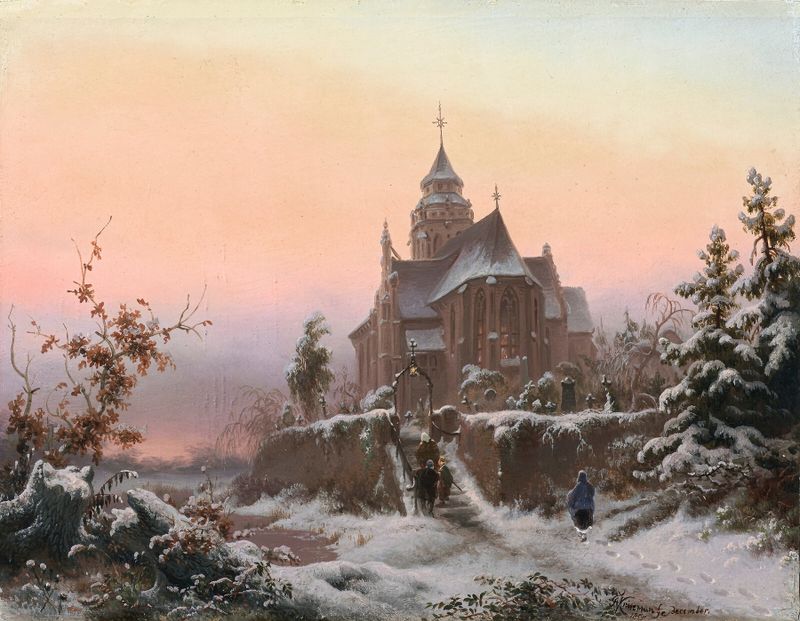
December
Frederik Marinus Kruseman
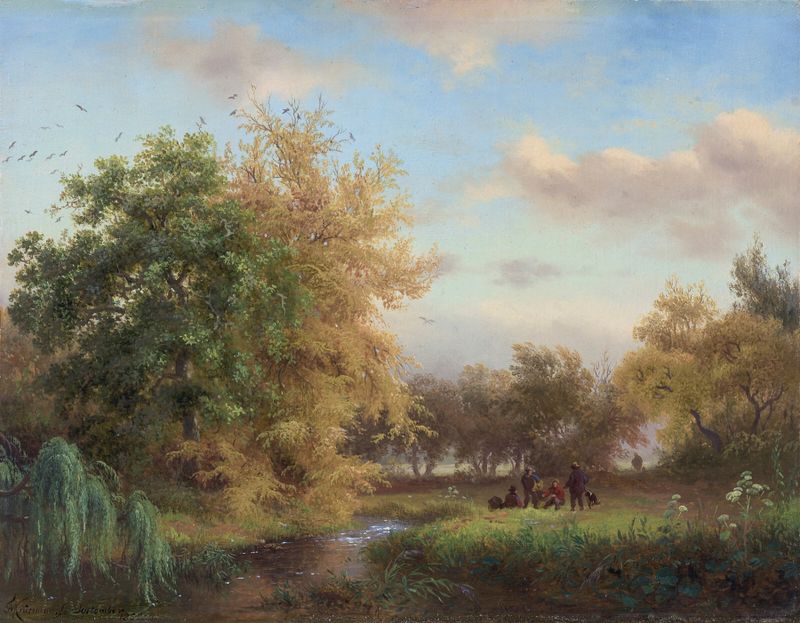
September
Frederik Marinus Kruseman
More Religious Art
Browse all →
The Return of the Prodigal Son
Rembrandt van Rijn

The Garden of Earthly Delights
El Bosco

Count Orgaz’ funeral
El Greco

The Hundred Guilder Print: the central piece with Christ preaching, the plate arched
Rembrandt van Rijn

The Descent from the Cross
Rogier van der Weyden

The return of the prodigal son
Rembrandt van Rijn