
December — History & Facts
In a fleeting moment, memory intertwines with the essence of a season, capturing the emotional landscapes we often overlook. Look to the center of December, where soft, muted tones of browns and grays envelop a wintry scene. The gentle brushwork, reminiscent of a snow-dusted landscape, draws the eye toward a solitary figure, hunched against an invisible chill. The contrasts between light and shadow reveal the quiet solitude of winter, with a faint glow hinting at warmth beyond the canvas, urging viewers to consider what lies within the heart of the scene. Amidst the stillness, the painting evokes a profound sense of nostalgia; the figure, cloaked against the harshness of nature, hints at the universal experience of isolation.
The sparse tree branches, stripped bare, echo the fragility of memory, while the subtle layering of paint communicates a richness of thought beneath the apparent simplicity. This moment of stillness is charged with the tension between the external world and internal reflection, inviting contemplation of one’s own memories during the coldest months. In 1855, Kruseman was living and working in the Netherlands, a time when Romanticism was giving way to Realism. Influenced by the changing tides of artistic expression, he began to experiment with capturing not just the physical world but the emotional resonance of both man and nature.
This period was marked by introspection, as Kruseman sought to document the subtleties of human experience against the backdrop of a rapidly modernizing society.
More Artworks by Frederik Marinus Kruseman
Browse all →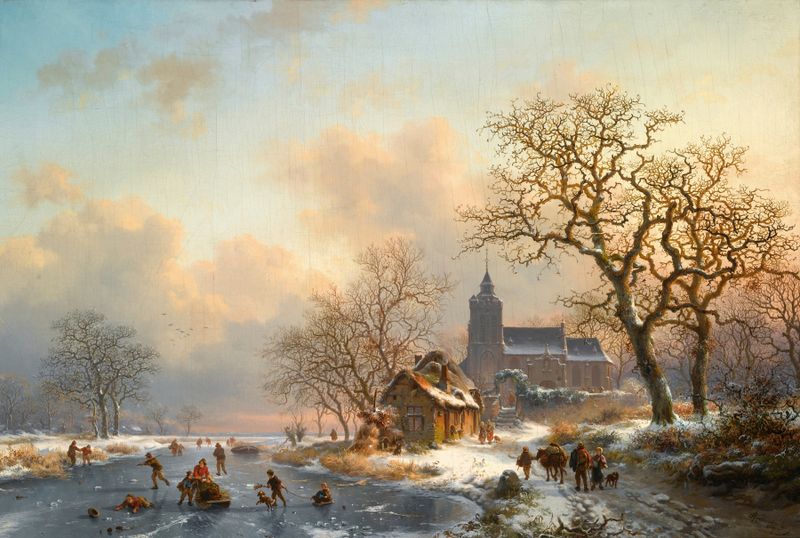
A Winter Landscape With Skaters On A Frozen River
Frederik Marinus Kruseman

Winter Landscape With Strollers And Skaters
Frederik Marinus Kruseman

Monk Meditating near a Ruin by Moonlight
Frederik Marinus Kruseman
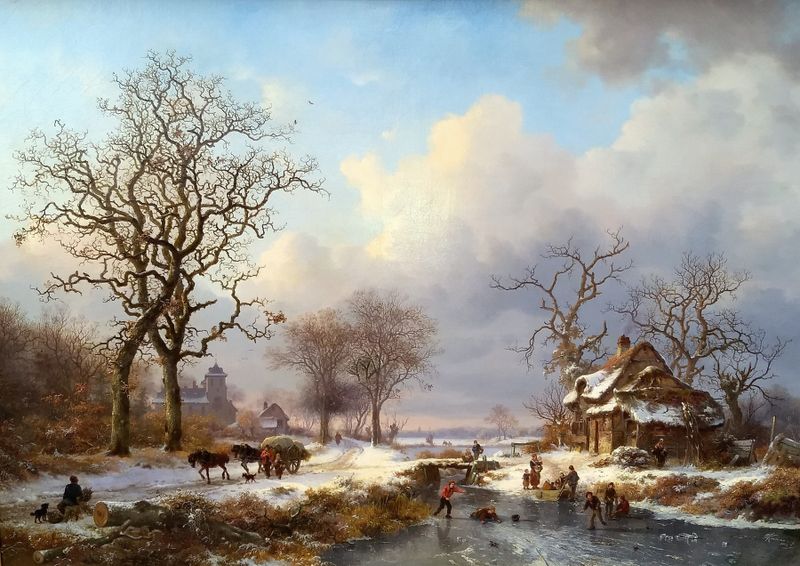
Dutch Winter Landscape with Skaters
Frederik Marinus Kruseman

Winter landscape with figures on a frozen river
Frederik Marinus Kruseman
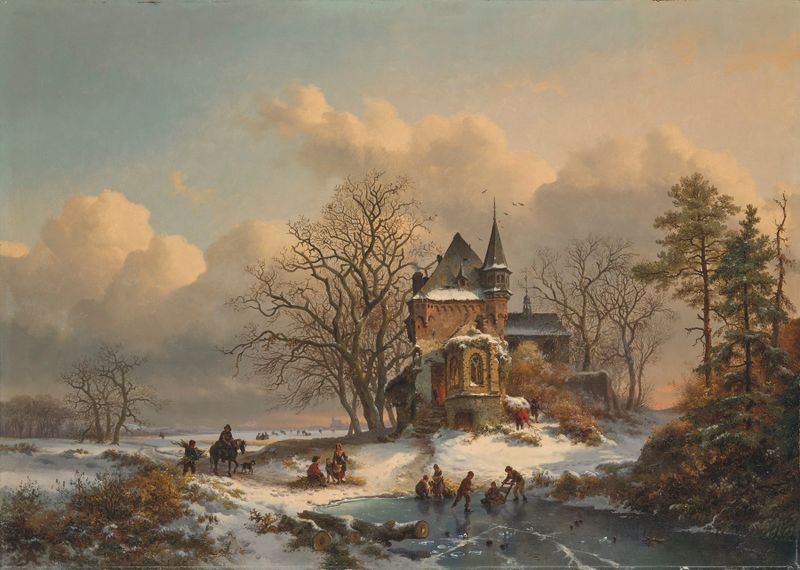
Winter landscape with skaters
Frederik Marinus Kruseman
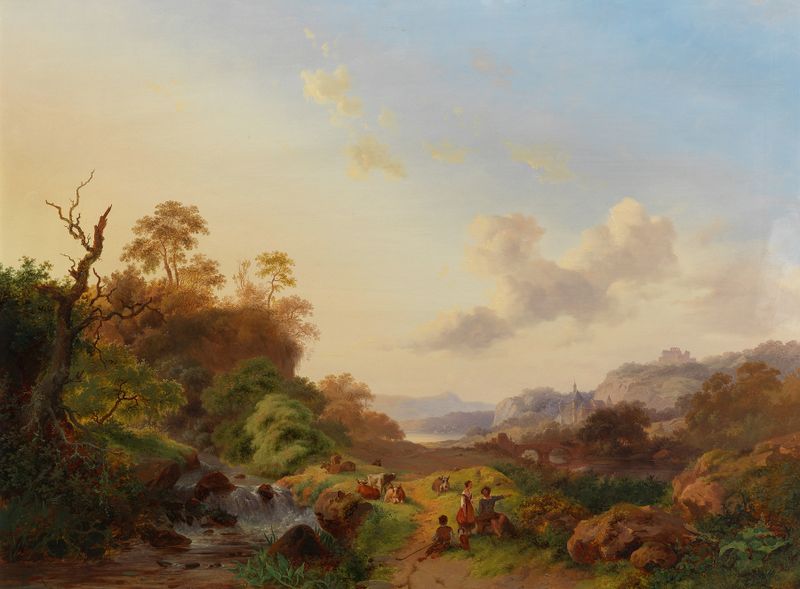
Summer landscape with figures and cattle near a waterfall
Frederik Marinus Kruseman
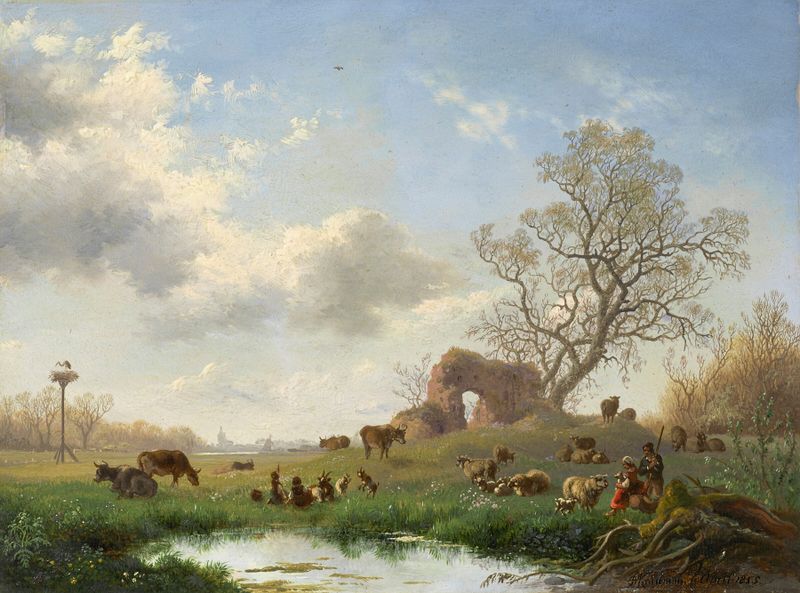
April
Frederik Marinus Kruseman
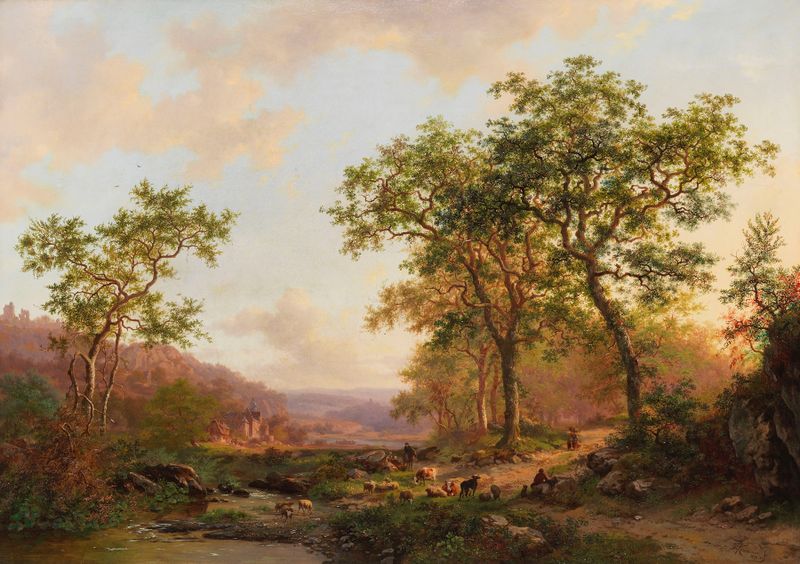
Weite Landschaft im Abendlicht
Frederik Marinus Kruseman
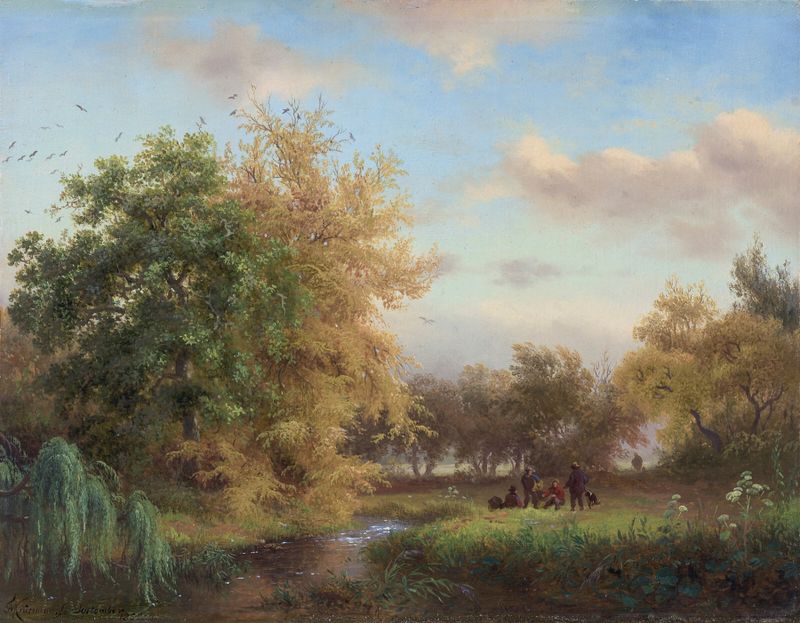
September
Frederik Marinus Kruseman





