
Montévrain, la partie de campagne — History & Facts
In the delicate strokes of this painting, a subtle violence lingers beneath the surface of idyllic leisure. The vibrant hues suggest joy, yet the composition hints at an underlying tension that invites deeper contemplation. Look to the left at the group of figures gathered under the dappled shade of leafy trees. The soft greens and warm yellows envelop them, creating a cocoon of warmth, while their poses convey a sense of both camaraderie and distance.
The brushwork is loose yet intentional, inviting your eye to wander among the details—a forgotten glass tipped on its side, a shadow cast ominously across the ground. Each element is meticulously placed, guiding the viewer’s gaze while simultaneously teasing apart the layers of emotion present in the scene. At first glance, this portrayal of a countryside outing may seem serene, but glimpses of disarray—like the abandoned glass—hint at a disruption of peace. The juxtaposition of light and shadow serves not only to highlight the figures but also to evoke a deeper narrative of fragility and the potential for chaos hidden within moments of tranquility.
The vivid colors, while enticing, also serve to mask a nuanced discontent, suggesting that even in joyful gatherings, there can be unspoken turmoil. In 1903, while creating this work, Henri Lebasque was immersed in the vibrant Parisian art scene, a period marked by the rise of Post-Impressionism and the emphasis on color and emotion. He had recently returned from a journey to the South of France, where the sun-drenched landscapes fueled his passion for capturing the essence of leisure. At this time, artists were grappling with how to express the emotional weight of such idyllic pleasures, often juxtaposing joy with underlying tension, a dance that is palpable in this striking piece.
More Artworks by Henri Lebasque
Browse all →
Sur les bords de la Marne
Henri Lebasque

Le Jardin Fleuri
Henri Lebasque

Voiliers dans le port de Saint-Tropez
Henri Lebasque
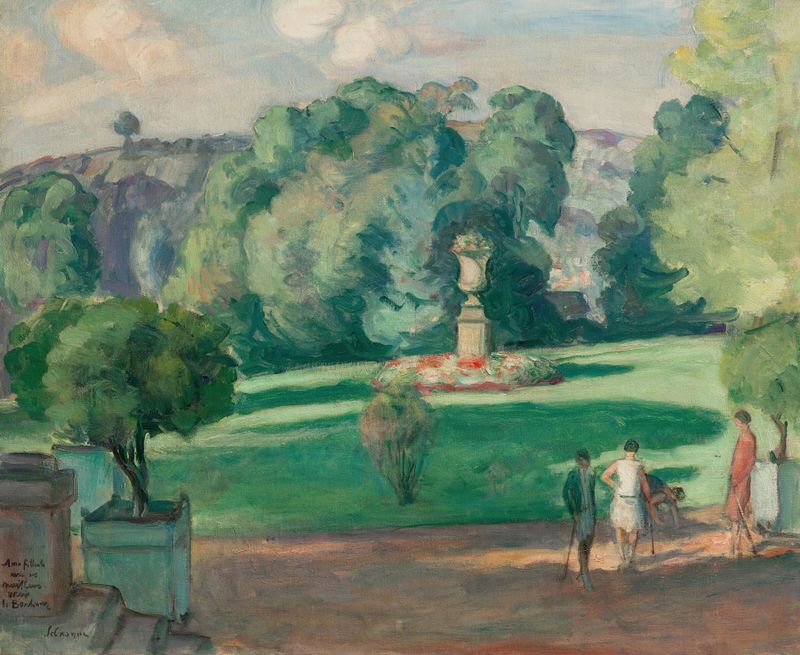
Joueurs de criket dans un parc
Henri Lebasque

Paysage de neige aux environs de Paris
Henri Lebasque
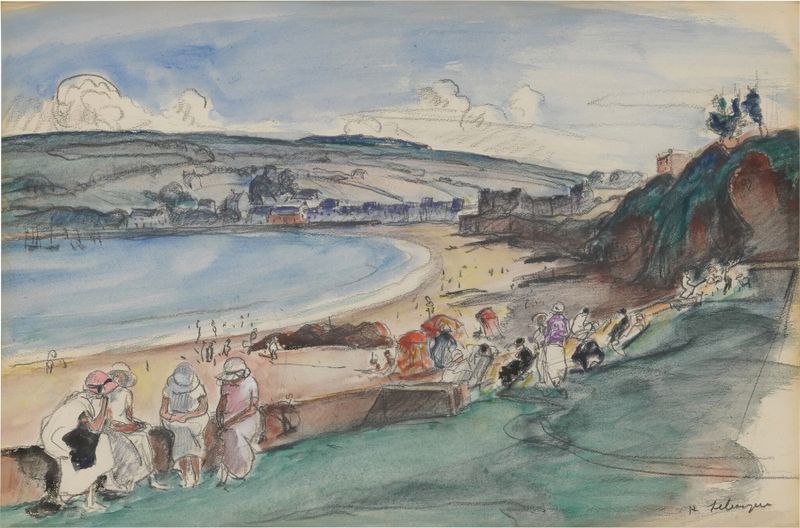
Paysage
Henri Lebasque

Jeunes Femmes Et Fillettes Dans Un Paysage
Henri Lebasque

Saint-Tropez, deux jeunes filles à la fontaine
Henri Lebasque

Le Repos sous les arbres
Henri Lebasque
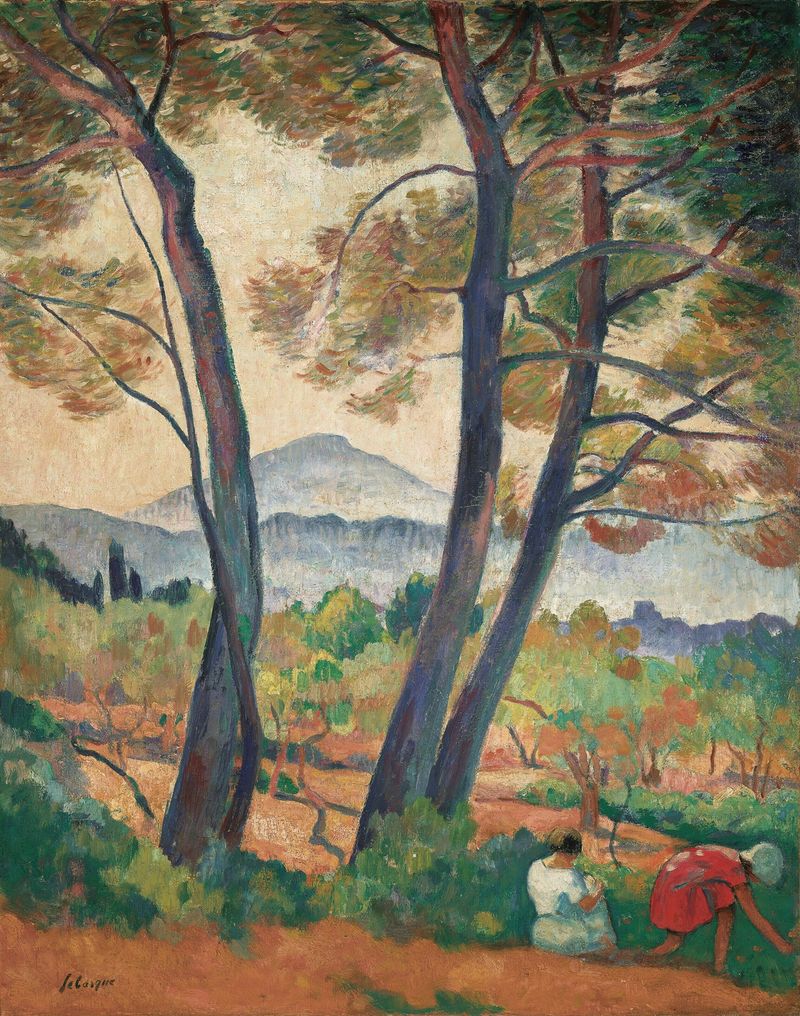
Sanary, vue sur le Cap Sicié
Henri Lebasque





