
Moonlight in Dieppe — History & Facts
In the soft embrace of moonlight, shadows stretch and bend, weaving a tapestry of melancholy across the canvas. A sense of longing lingers in the cool hues, as if the night itself holds its breath, inviting the viewer to meander through the tranquil yet haunting landscape. Look to the left at the cerulean water, gently lapping against the shore, reflecting the silvery glow of the moon overhead. Notice how the artist skillfully captures the rippled surface, each brushstroke a delicate balance between chaos and serenity.
The distant silhouettes of boats, mere whispers against the soft glow, suggest stories untold, while the muted palette — deep blues mingling with soft whites — enhances the atmosphere of quiet introspection. The painting resonates with contrasts; the stillness of the night opposes the unseen activity of fishermen unseen in the distance, a melancholic reminder of lives intertwined with the ebb and flow of the sea. The play of light and shadow evokes a sense of time suspended, heightening the emotional weight of solitude. Thaulow’s masterful technique encapsulates not just a scene, but a feeling — one that evokes nostalgia for moments lost, resonating with the viewer like an unfinished note in a lullaby. During the years of 1894 to 1898, the artist found himself in Dieppe, a coastal town in France that served as both inspiration and refuge.
This period marked a significant evolution in his work, as he delved deeper into Impressionist techniques, responding to the shifting landscape of European art. The growing popularity of plein air painting influenced his approach, allowing him to explore the play of light and color with newfound freedom and emotional depth.
More Artworks by Frits Thaulow
Browse all →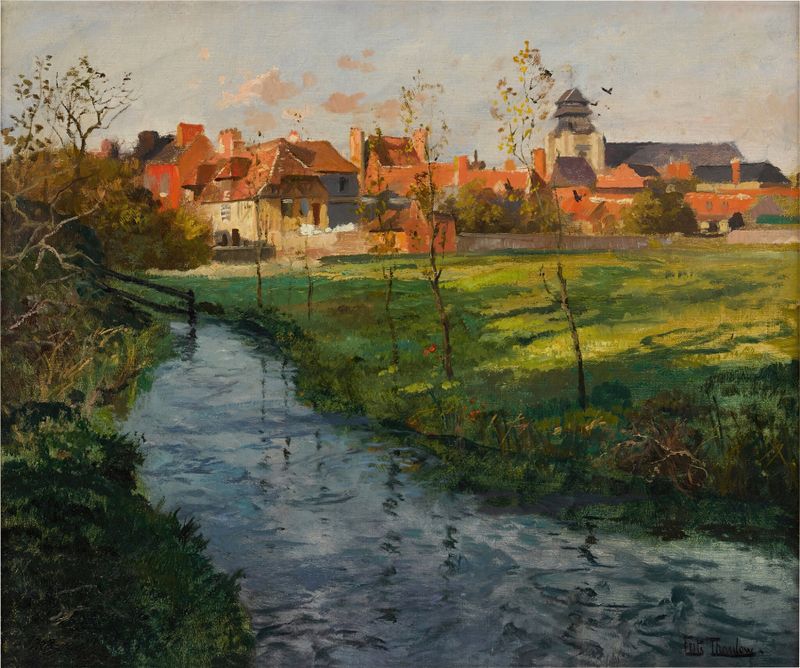
Village by a Stream
Frits Thaulow

Spring Thaw
Frits Thaulow
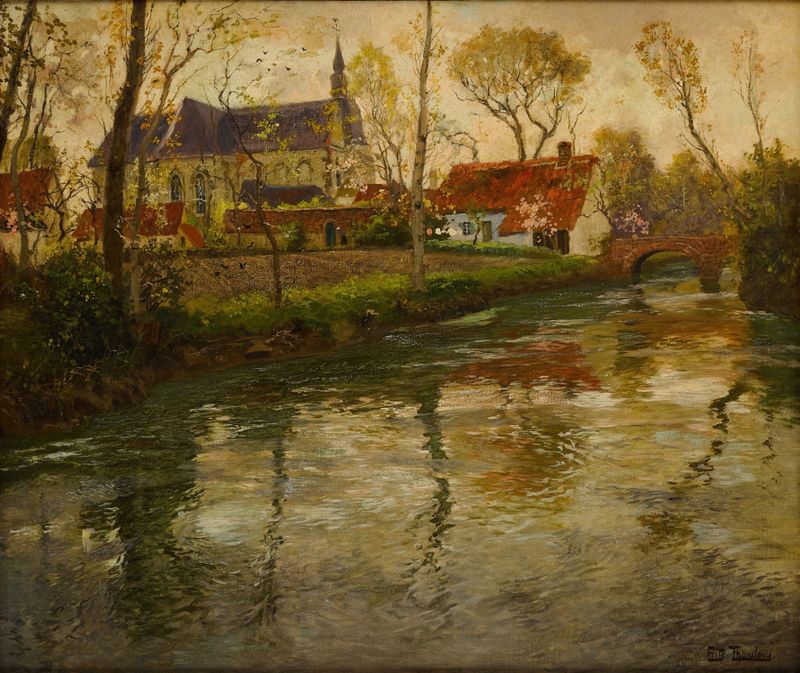
A River Landscape with a Church Beyond
Frits Thaulow

Hameau en bord de rivière
Frits Thaulow
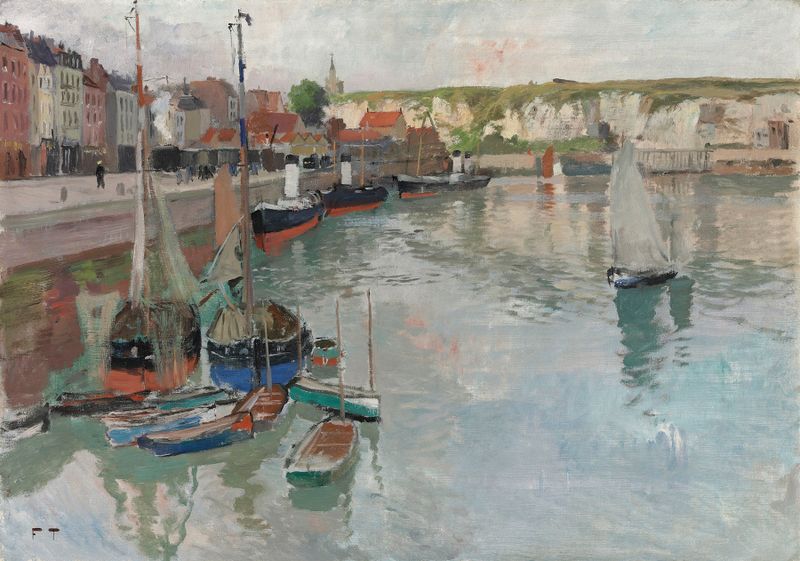
Dieppe
Frits Thaulow
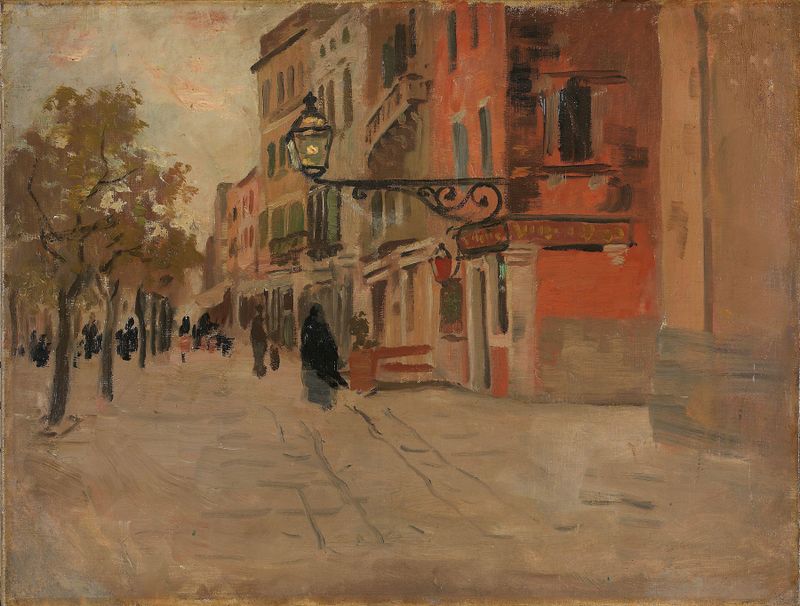
Street in Venice
Frits Thaulow

The Lysaker River In Winter
Frits Thaulow
Street in Kragerø
Frits Thaulow
Canal en hiver
Frits Thaulow

Marble Arch, London
Frits Thaulow





