Moonlight Scene with House, Lake and Trees — History & Analysis
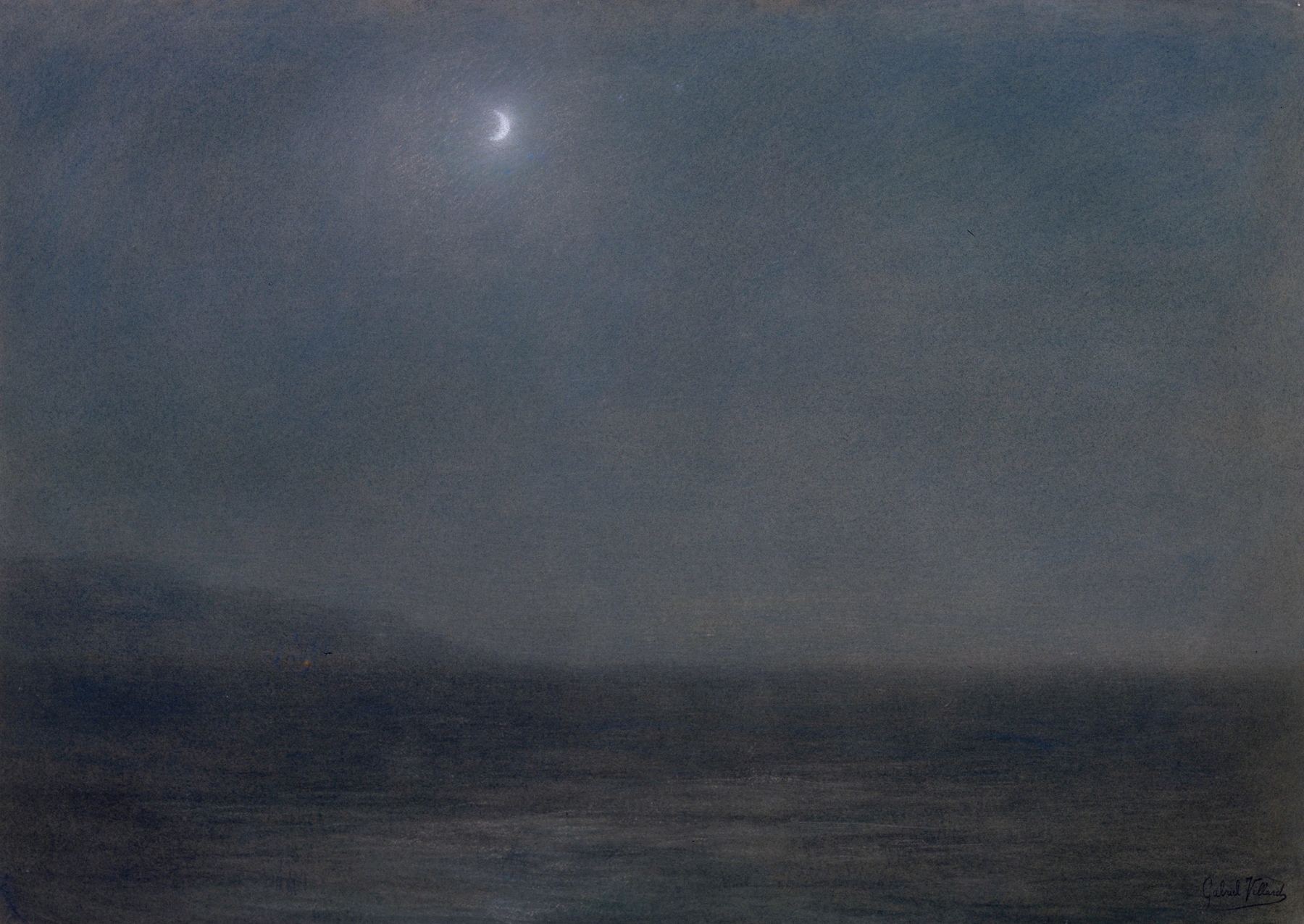
Can beauty exist without sorrow? The delicate balance of joy and melancholy is captured in the serene landscape before you, a timeless reflection of fleeting moments. Focus on the tranquil lake at the center, where the moon’s silver light dances across the water's surface, creating a shimmering path that leads the eye to the quaint house nestled among the trees. Notice how the shadows of the towering pines stretch gracefully along the water's edge, their dark shapes contrasting with the ethereal glow above.
The palette combines deep blues and silvery whites, evoking a sense of calm and introspection, while soft brushstrokes impart a dreamlike quality that invites contemplation. Yet, there lies a whisper of solitude in this harmony. The solitary house, illuminated gently by the moonlight, suggests both warmth and isolation—a sanctuary untouched by the noise of the outside world. The trees, though majestic, stand in stillness, perhaps guarding secrets of the night.
Together, they evoke feelings of nostalgia for moments long past, where time seems suspended in this perfect stillness. In the late 19th century, during a period of artistic exploration and burgeoning modernism, the artist created this piece while living in France. Villard was influenced by the Impressionists, yet he maintained a unique style that resonated with a more poignant emotional depth. The world around him was shifting, filled with new ideas and technological advancements, yet his work focused on the intimate relationship between nature and the human experience.