Moorland Landscape — History & Facts
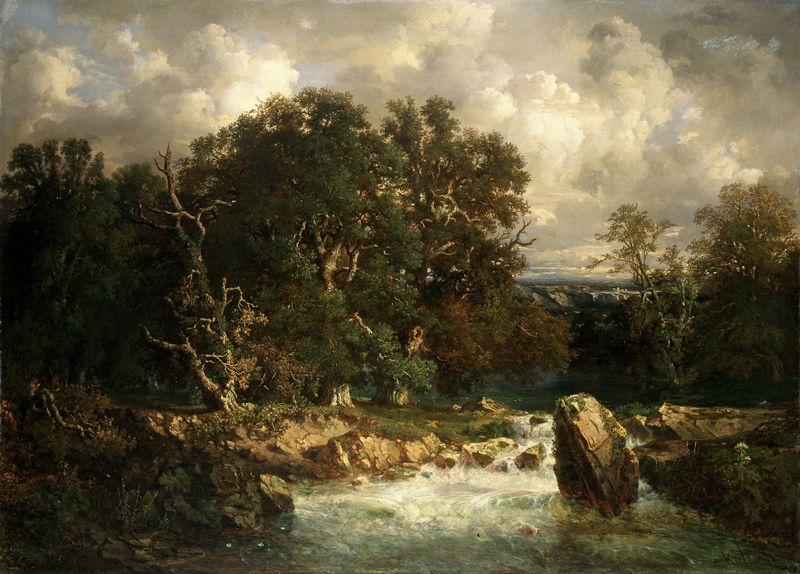
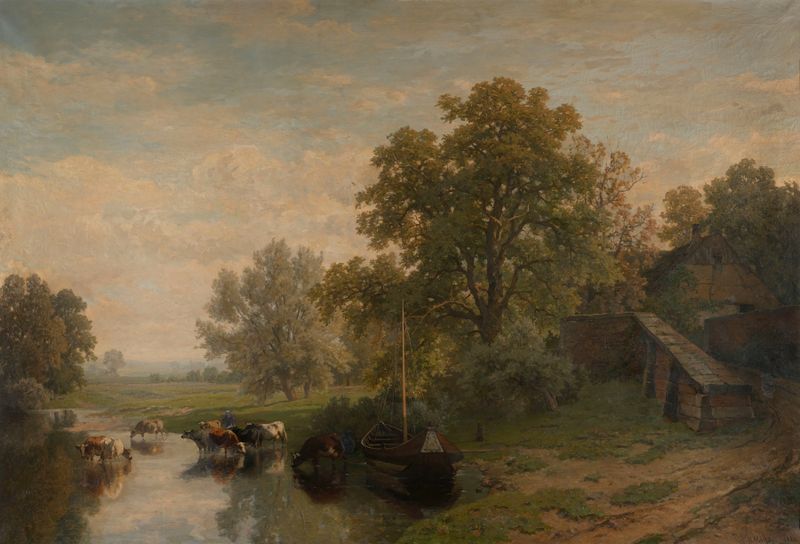
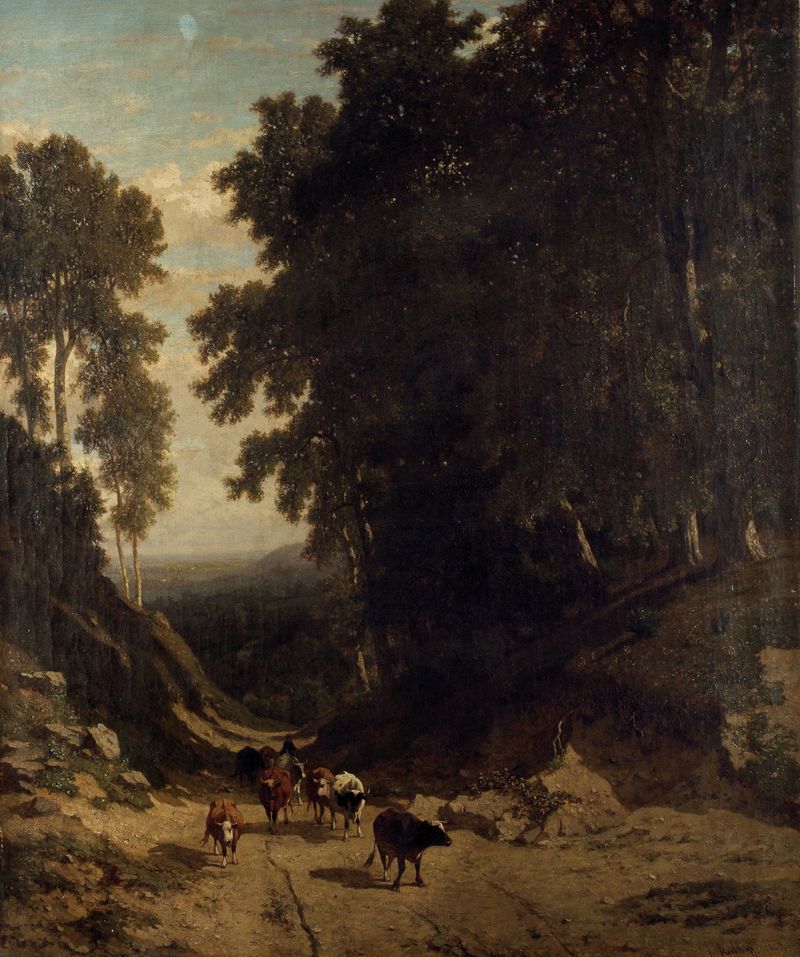
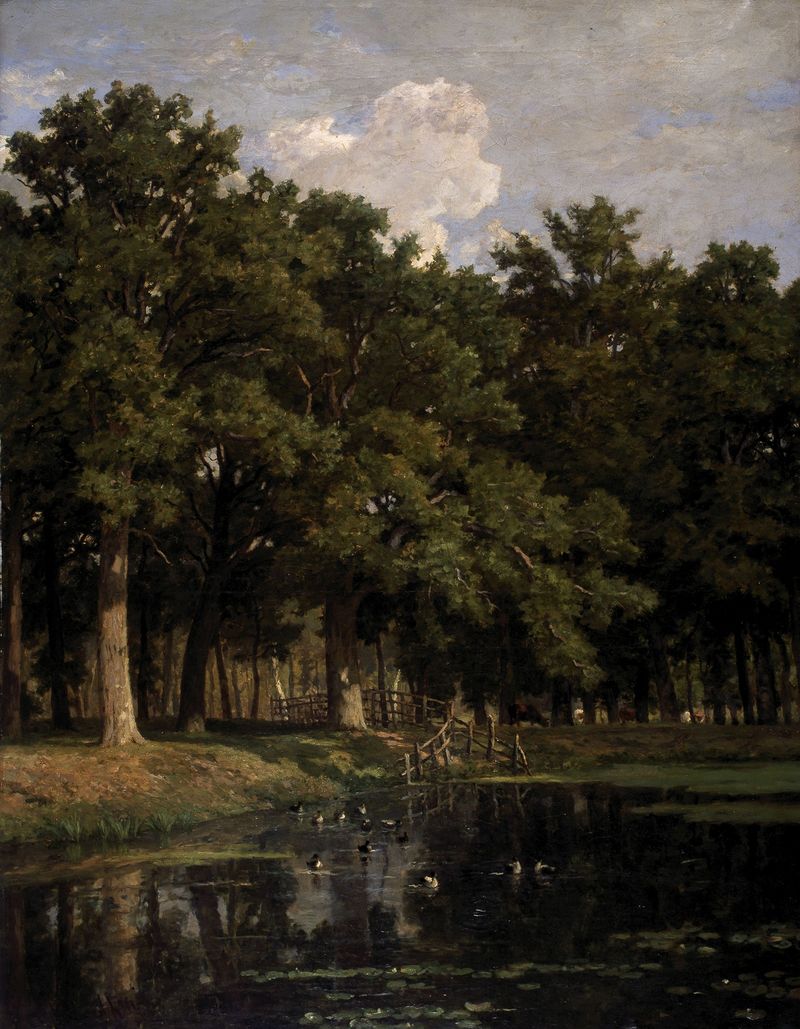
In Moorland Landscape, the essence of emptiness resonates, inviting contemplation within the void of the natural world. The silent expanse depicted stirs a sense of something profound—an echo of existence, whispering secrets of nature untouched. Focus on the sweeping horizon, where subtle greens and browns meld in a harmonious gradient. Notice how the gentle strokes of the brush create texture in the lush grass, while the sky reveals soft, diffused light that bathes the scene in tranquility.
The composition draws the eye towards the distant hills, hinting at a quiet promise of exploration beyond the visible, urging the viewer to wander deeper into thought. Delve into the rich interplay between light and shadow, which speaks to the duality of presence and absence. The subtle contours of the land seem to cradle an unspoken narrative, where stillness holds both beauty and desolation. Small, almost imperceptible details, such as the wisps of grass bending in an unseen breeze, remind us that life persists even in the face of seeming voids, suggesting that absence is filled with possibility. This painting emerged from the hand of Frans Keelhoff in a time that remains uncertain, reflecting the broader context of 17th-century Dutch landscape painting, which sought to capture the sublime beauty of the natural world.
Little is known about the exact circumstances of its creation, but the artist was part of a period that celebrated the interaction between man and nature, serving as a poignant backdrop for his exploration of solitude in Moorland Landscape.