
Moret-sur-Loing — History & Facts
In a world often overshadowed by loss, art emerges as a poignant refuge for grief, capturing the complexities of our emotions in breathtaking detail. Look to the tranquil waters of the river in Moret-sur-Loing, where ripples dance delicately beneath a canopy of soft blues and greens. The light spills over the scene, illuminating the quaint village nestled along the bank, inviting your gaze to linger on the charming reflections. Notice how the brushwork ebbs and flows with such rhythm, creating an almost palpable serenity, while the dappled sunlight adds an ethereal quality that transforms the mundane into the sublime. Yet underneath this idyllic surface lies a deeper narrative.
The juxtaposition of the vibrant landscape against the stillness of the water evokes a sense of longing, as if the very essence of the place is intertwined with the artist’s own heartache. One can sense the whispers of unspoken stories flitting through the trees, and the quietude punctuated by the weight of memory. It is a landscape where joy and sorrow coexist, illustrating the bittersweet nature of existence itself. In 1933, Gustave Loiseau painted Moret-sur-Loing during a time when he was grappling with the impact of personal losses, which informed his exploration of nature and emotion.
Living in France, he was part of the post-impressionist movement, creating works that resonated with a profound sensitivity to light and color. This period marked a commitment to capturing the fleeting beauty of life, even as he navigated the shadows of grief that lingered in his own experience.
More Artworks by Gustave Loiseau
Browse all →
Rue de village en Normandie
Gustave Loiseau
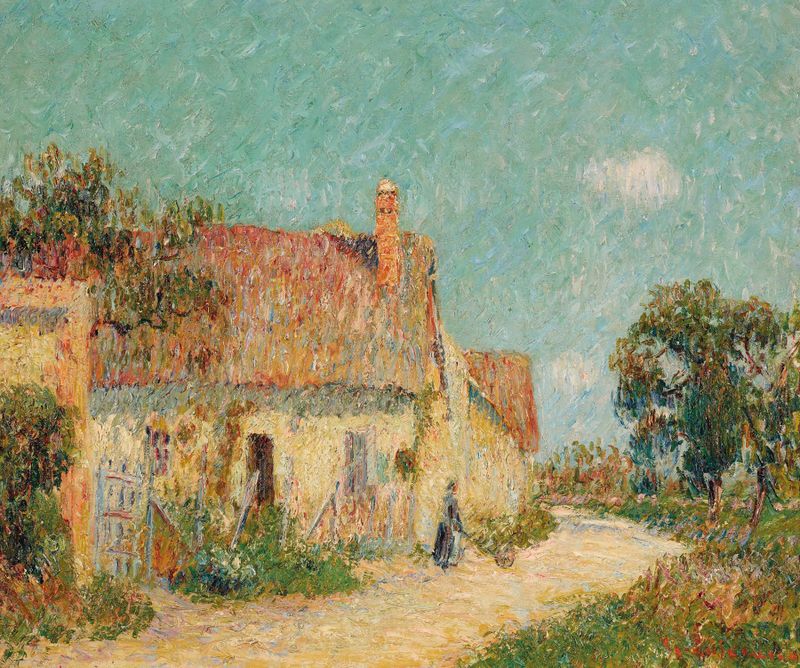
Chaumière en Normandie
Gustave Loiseau

Paysage d’Hiver à Chaponval
Gustave Loiseau
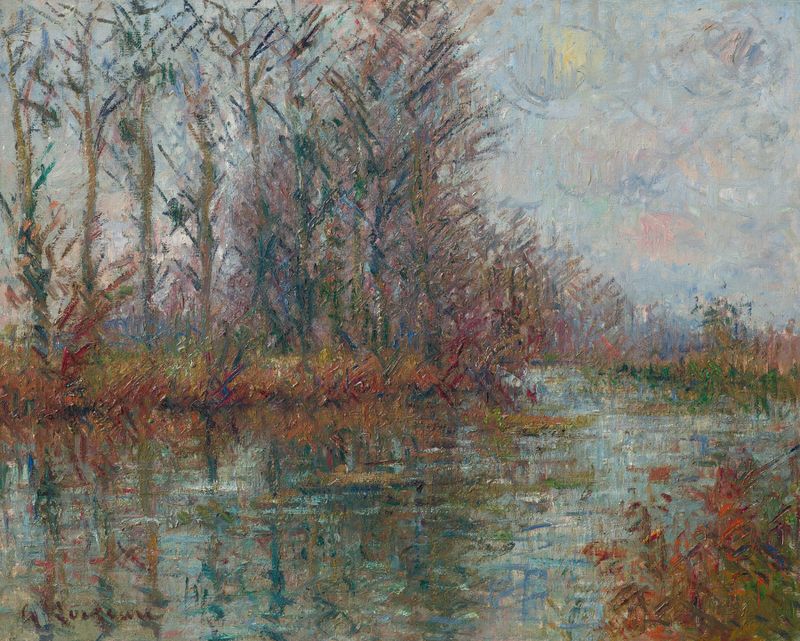
Tournant de rivière, L’Eure
Gustave Loiseau

Pont Marie, Paris
Gustave Loiseau

Le Bras De Mer
Gustave Loiseau

Le Pont Suspendu À Triel
Gustave Loiseau

Bord de la rivière
Gustave Loiseau
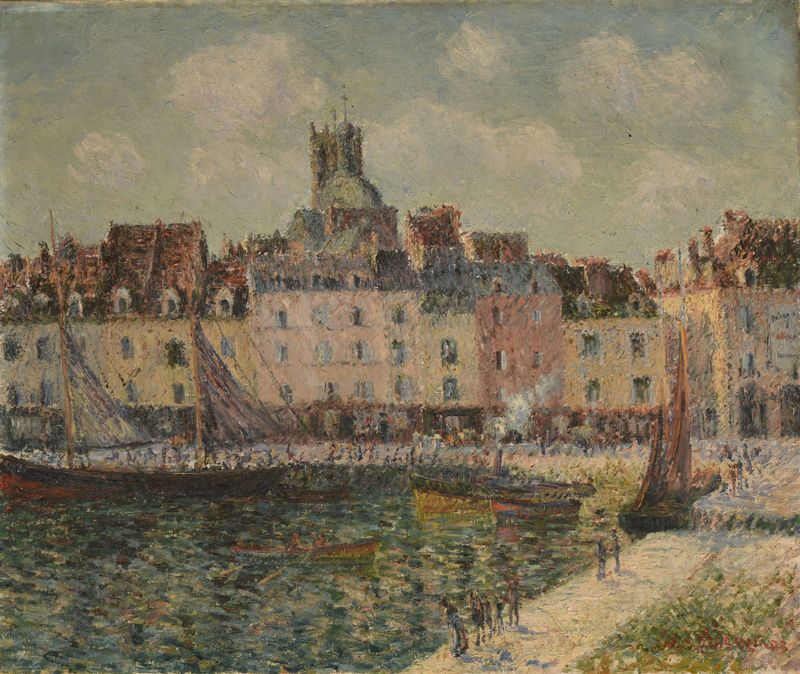
Le Quai Duquesne à Dieppe
Gustave Loiseau

Rocher la Teignouse, Cap Fréhel
Gustave Loiseau





