
Moret- The Banks of the River Loing — History & Facts
In the gentle ebb of nature's cycle, a haunting beauty emerges, reflecting the quiet decay that time bestows upon the landscape. Focus on the tranquil, flowing waters of the River Loing, which dominate the lower section of the canvas. Notice how the brushstrokes shimmer with vibrant hues of blue and green, capturing the water's movement while hinting at its deeper undertones. The trees that frame the scene stand tall and weary, their muted browns and golds whispering tales of change.
The light dances upon the surface, illuminating the contrast between life and the decay that gradually envelops the banks. Look closely at the interplay of shadows and light—how they weave a narrative of transience. The soft reflections in the water seem to echo the fleeting moments of beauty, suggesting that even in decline, there is a profound elegance. The delicate tension between the vitality of the landscape and the inevitable passage of time invites contemplation about the relationship between nature and humanity's imprint on it. In 1877, Sisley painted this piece while living in France, amid the Impressionist movement that sought to capture the ephemeral qualities of light and atmosphere.
His dedication to the plein air technique allowed him to embrace the changing seasons and moods of the landscape. At this time, the artist was grappling with personal challenges, including financial instability. Yet, through his brush, he immortalized the beauty of decay, infusing it with a sense of serenity and acceptance.
More Artworks by Alfred Sisley
Browse all →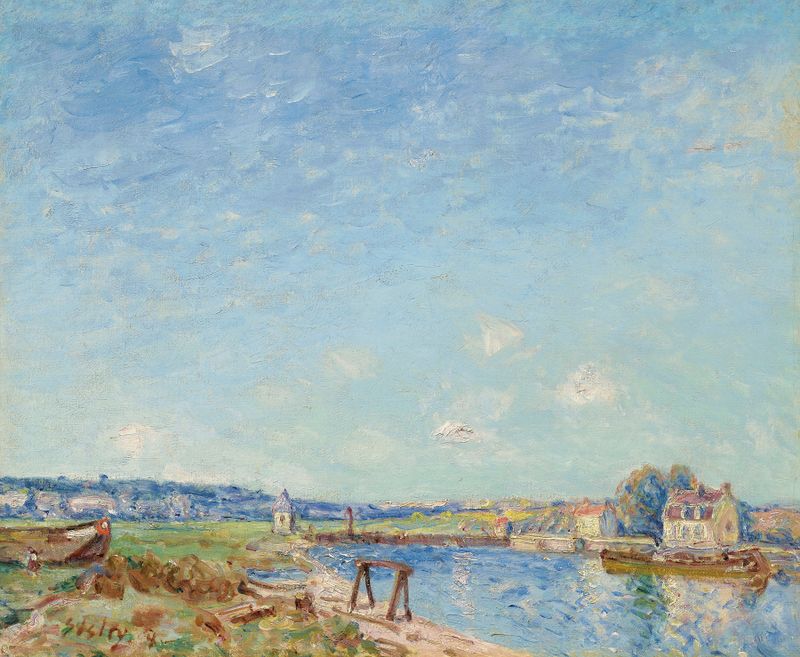
Le Loing à Saint-Mammès
Alfred Sisley
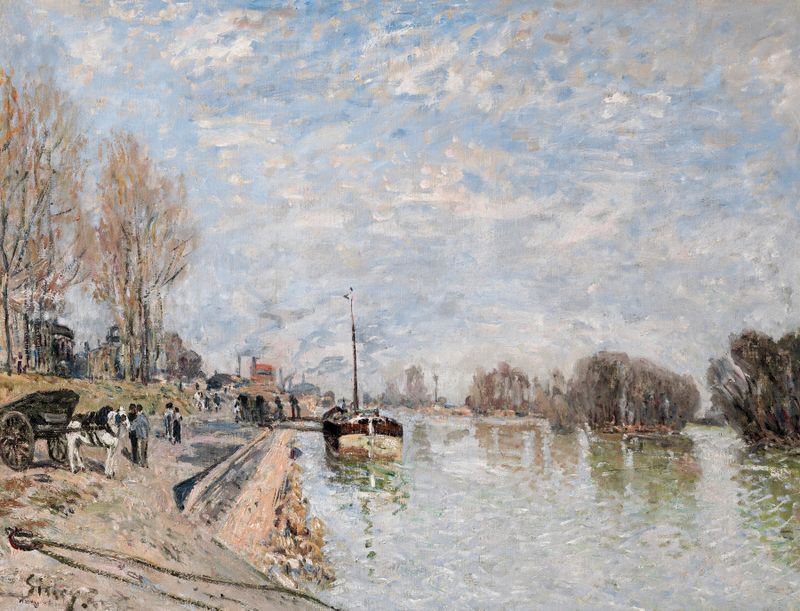
La Seine à Suresnes
Alfred Sisley
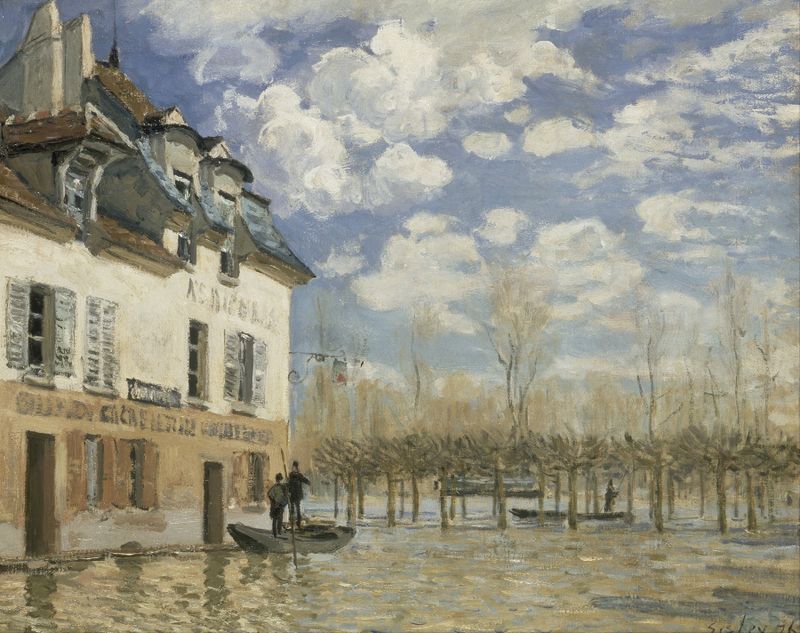
Boat in the Flood at Port Marly
Alfred Sisley
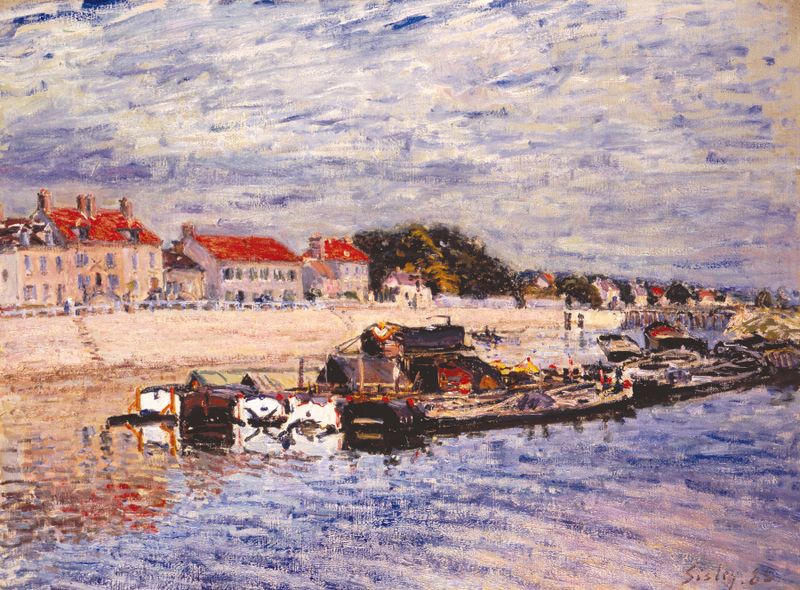
Barges on the Loing at Saint-Mammès
Alfred Sisley

L’allée des peupliers au bord du Loing
Alfred Sisley

Molesey Weir, Hampton Court
Alfred Sisley
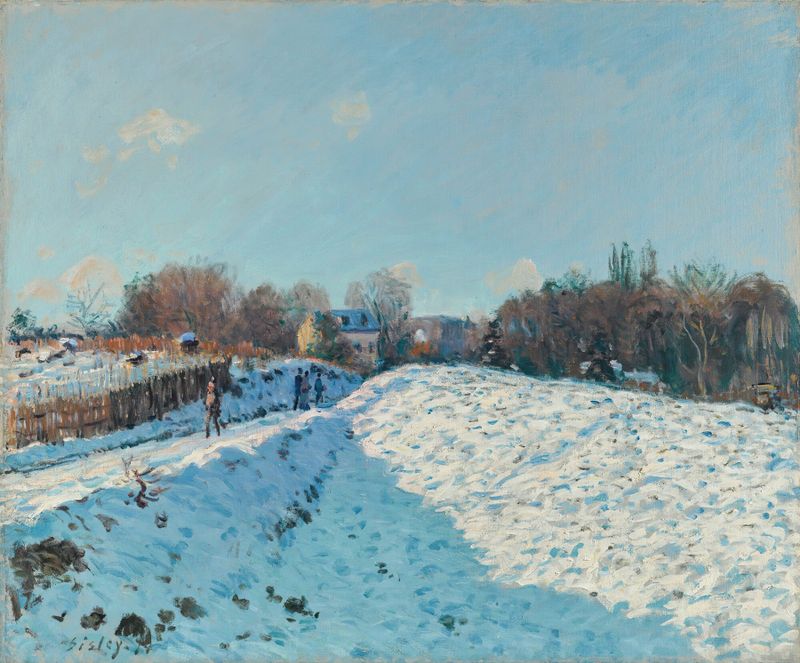
Effet De Neige À Louveciennes
Alfred Sisley
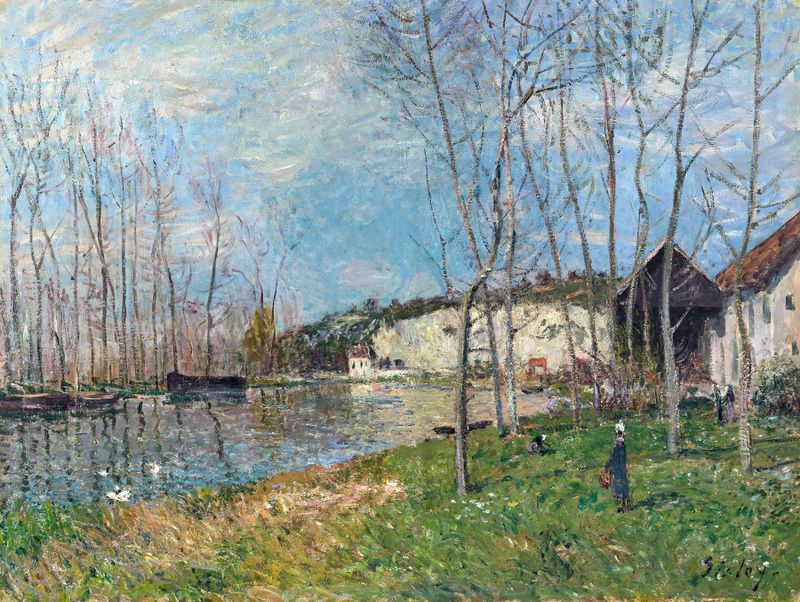
Printemps au bord du Loing
Alfred Sisley
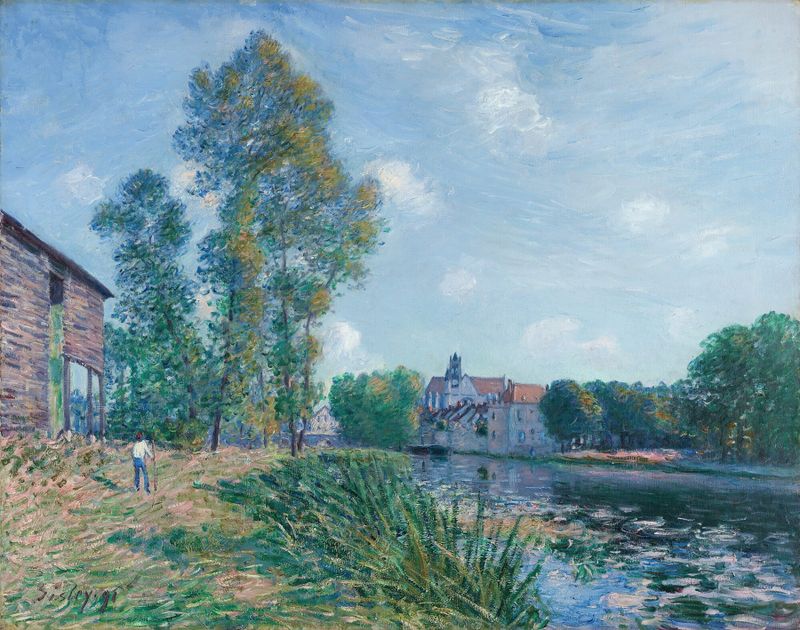
Le Loing À Moret, En Été
Alfred Sisley
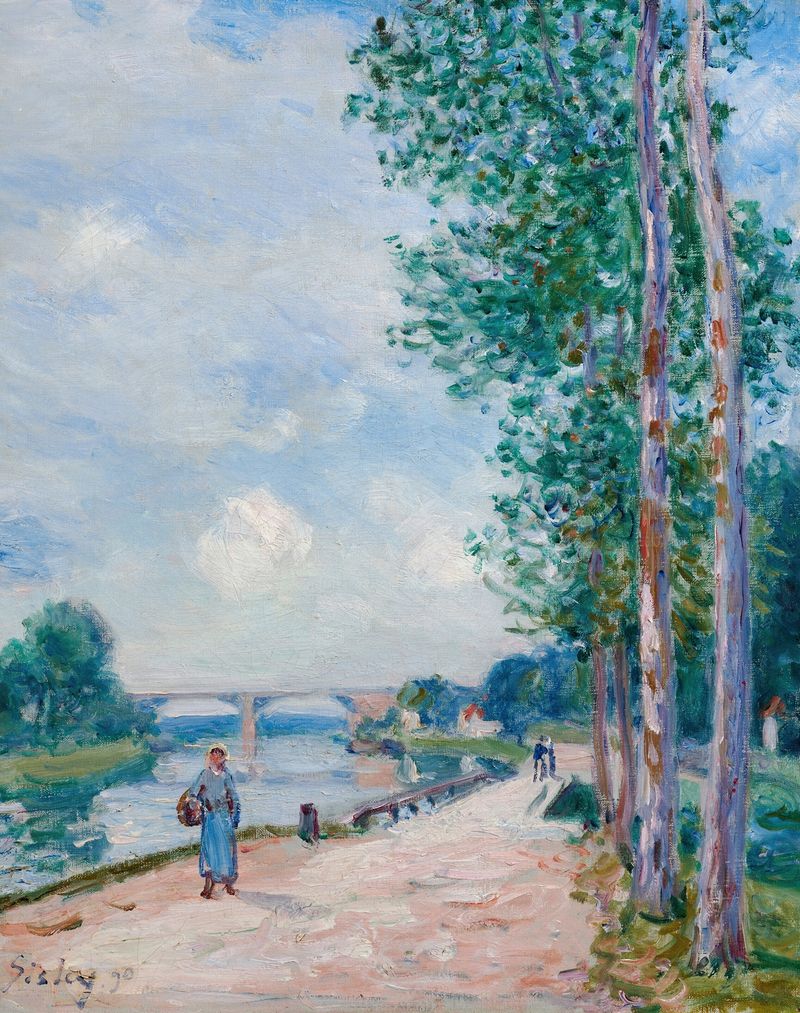
Les bords du Loing près de Moret
Alfred Sisley





