Morning light — History & Facts
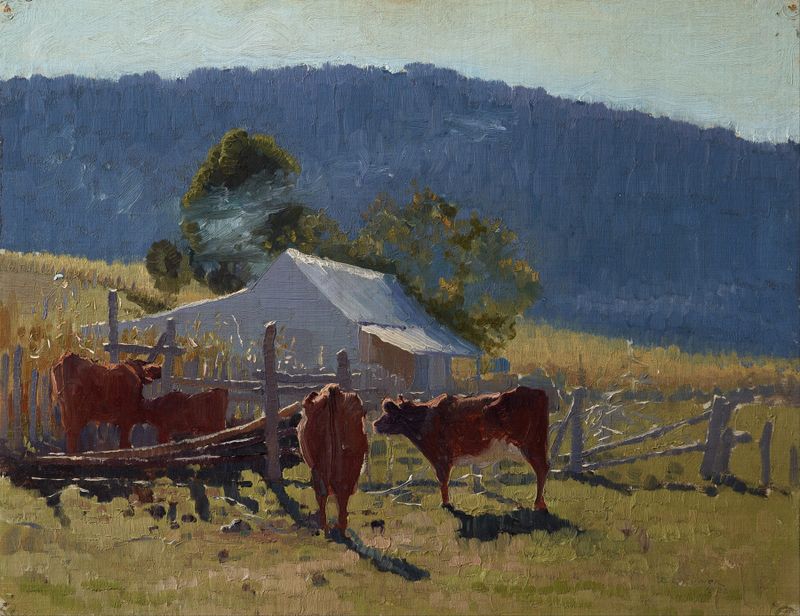
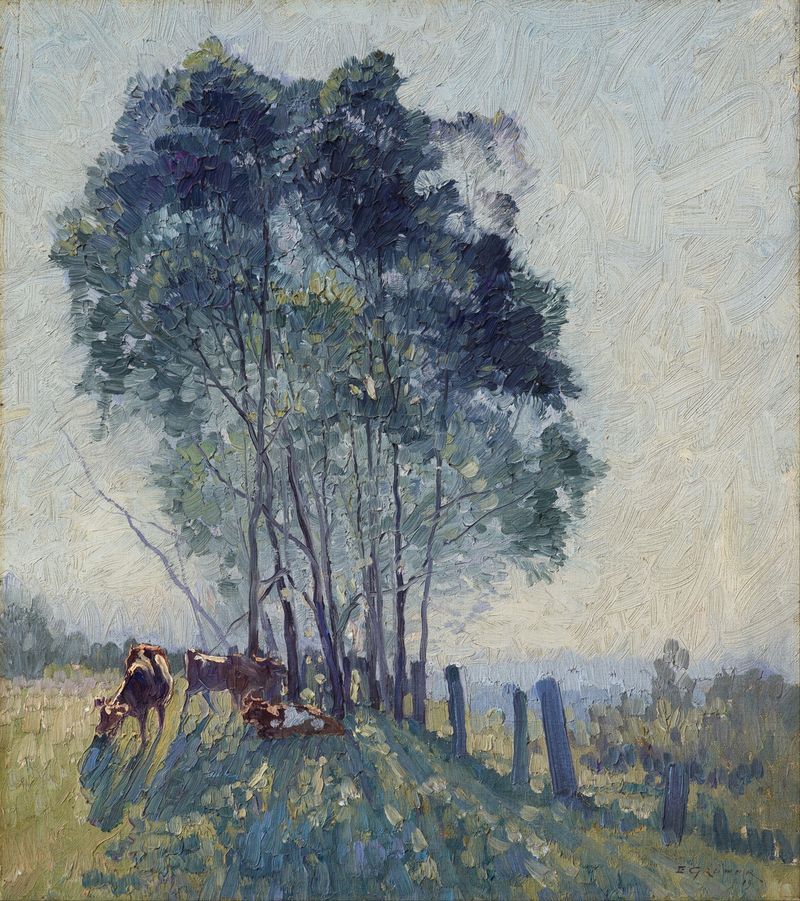
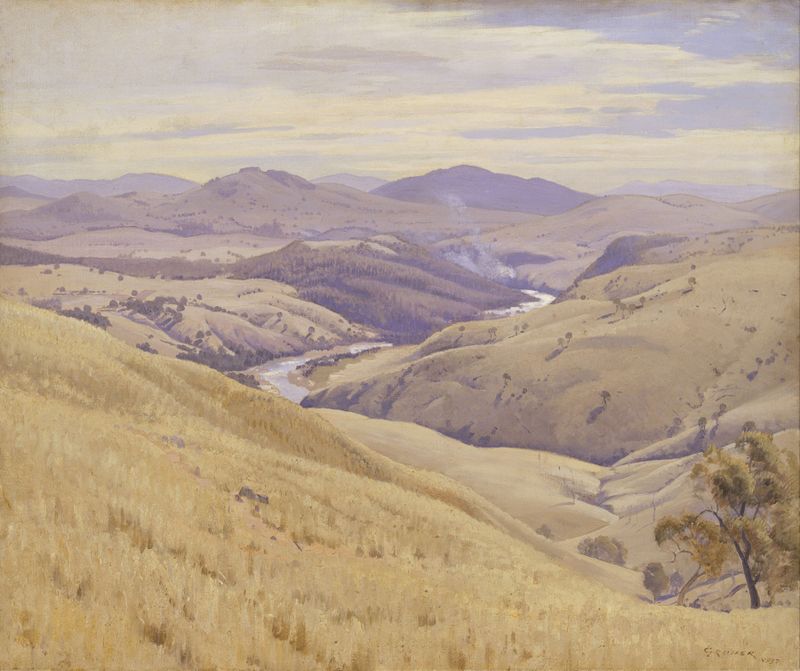
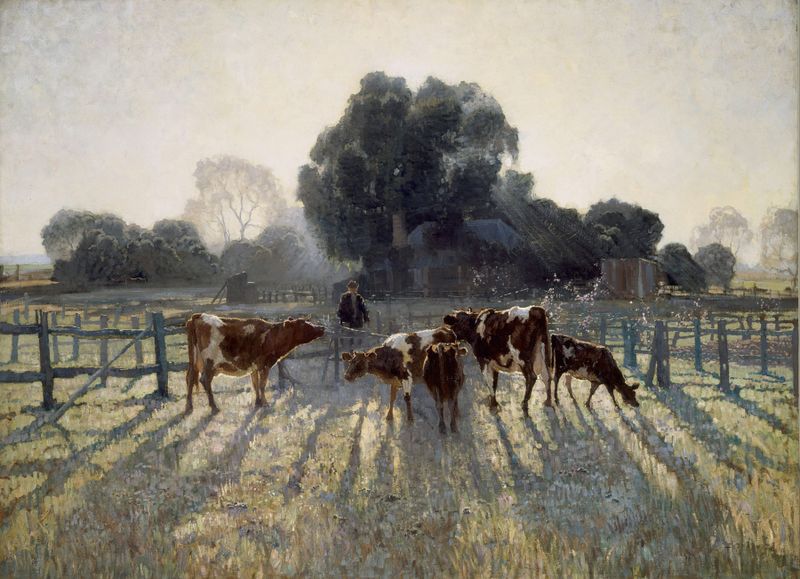
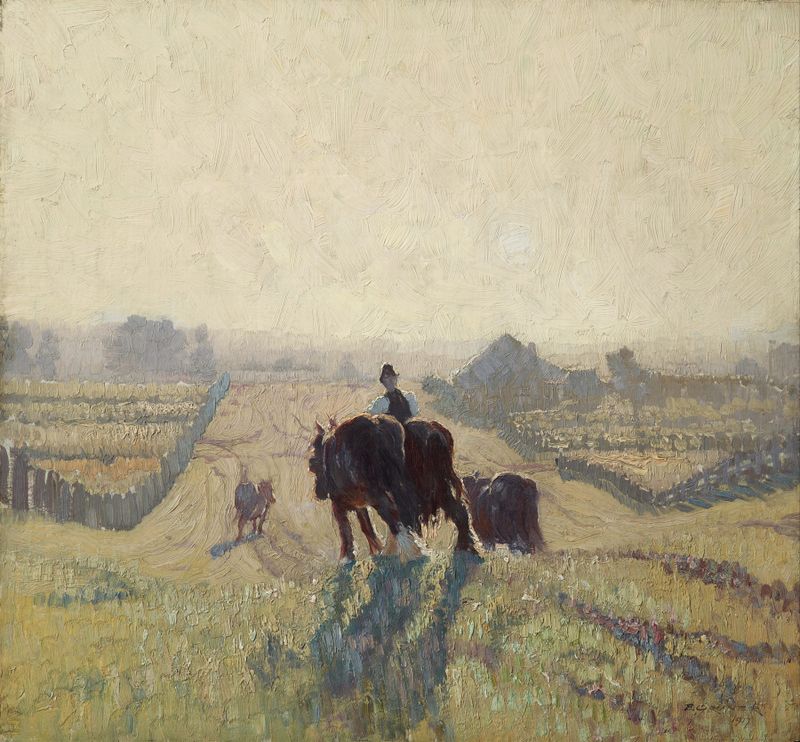
Where does light end, and longing begin? In the embrace of dawn, the world awakens, whispering secrets to those who will listen. Look to the left at the gentle caress of sunlight spilling through the trees, illuminating the forest floor. The artist’s deft brushwork captures the delicate interplay of color—soft yellows mingling with tender greens, creating an atmosphere that feels both serene and alive. Each stroke suggests movement, as if the air itself is stirring with the promise of a new day.
The composition draws the eye across the canvas, inviting us to wander among the dappled shadows and bask in the tranquil glow. In this ethereal light, one finds not just beauty, but an underlying tension between serenity and anticipation. The sun’s ascent symbolizes hope, embodying the belief in renewal and the countless possibilities of the day ahead. Yet, there’s a hint of melancholy, a suggestion that with every dawn comes the awareness of fleeting moments.
The trees stand as silent witnesses, rooted yet longing for change, embodying the faith that life persists even in its quietest forms. Elioth Gruner painted this work in 1916, during a time when he was deeply inspired by the Australian landscape, reflecting both his personal journey and the broader artistic movement towards Impressionism. The early 20th century marked a shift in perception, where artists sought to capture the transient nature of light and atmosphere. Gruner’s exploration of these themes in Morning Light speaks to his engagement with both nature and the evolving artistic dialogue of his time.