Weetangera, Canberra — History & Facts
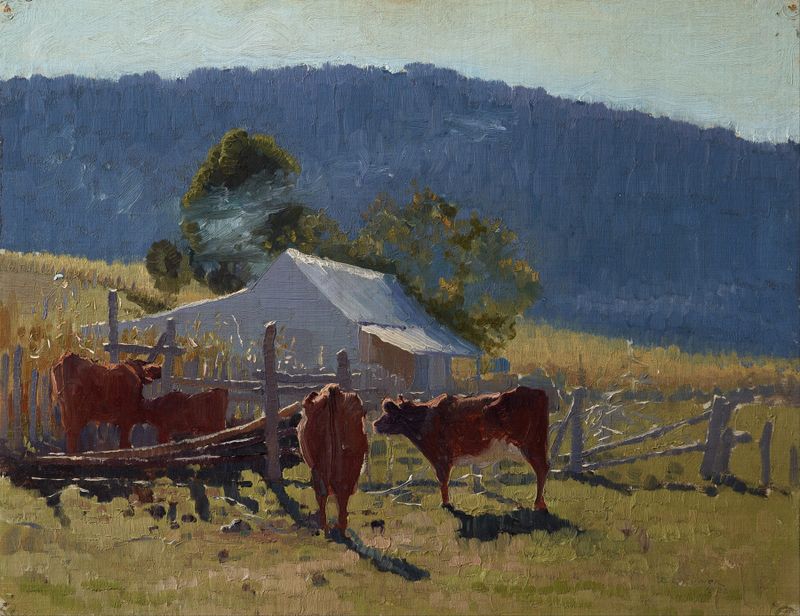
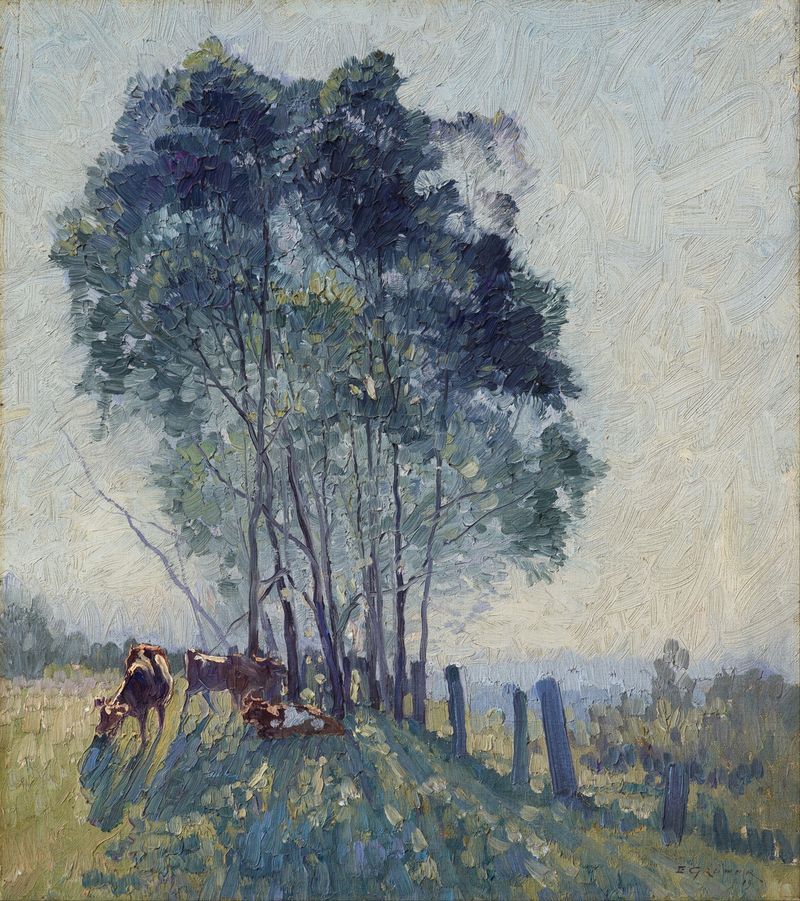
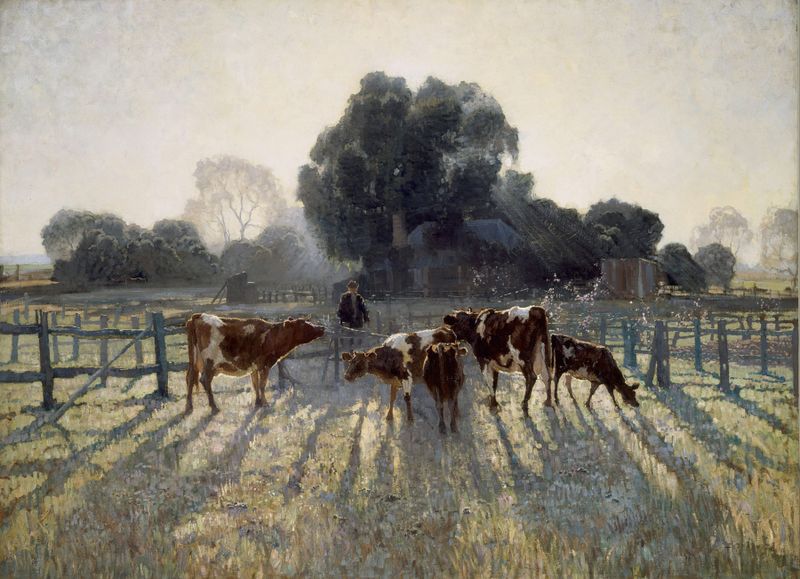
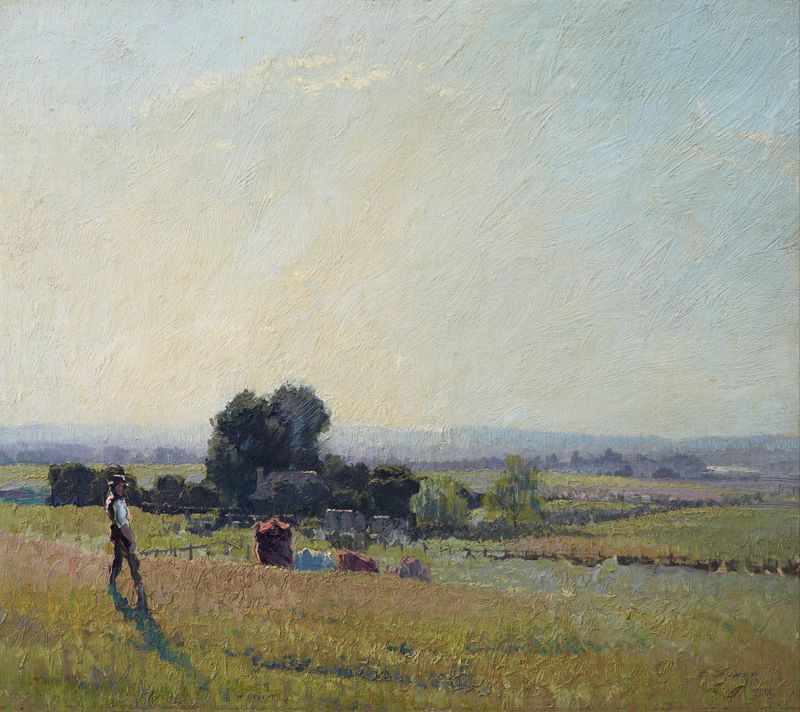
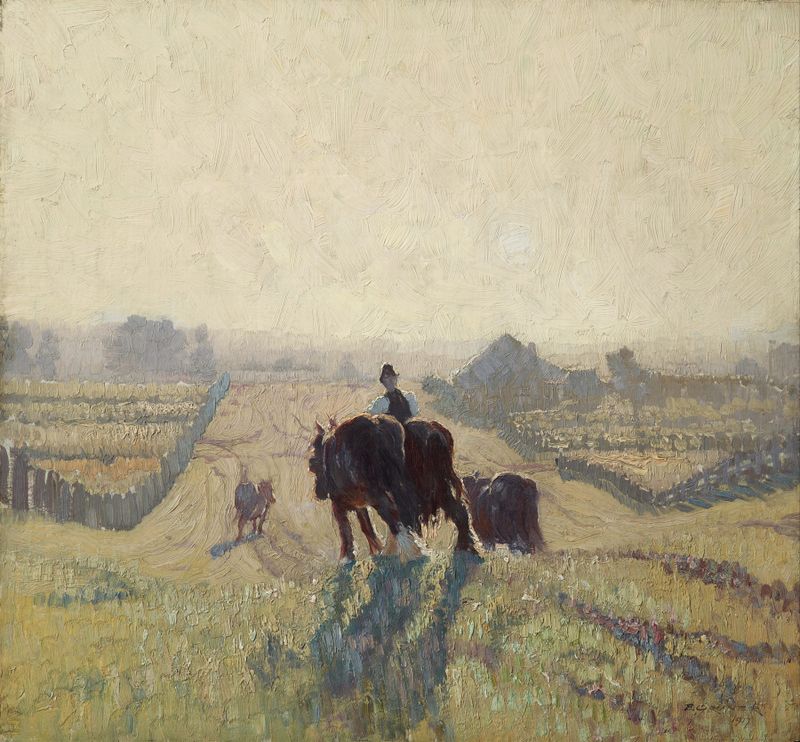
In Weetangera, Canberra, the canvas radiates a sense of rebirth, inviting the viewer to explore the delicate interplay between nature and emotion. Look to the lower right, where a golden light spills across the landscape, illuminating a patch of wildflowers that seem to dance gently in the breeze. The artist's deft brushwork creates a rich texture, layering vivid greens and warm earth tones that evoke the lushness of the Australian bush. The horizon, a soft gradient of blue and gold, draws the eye upward, suggesting a sky alive with possibility, while the soft, diffused light bathes the entire scene in an ethereal glow. Yet, beneath this serene beauty lies a tension that speaks to deeper themes of transience and resilience.
The flowers, vibrant yet fragile, embody the dual nature of existence—where joy and sorrow coexist in an unbroken cycle. The contrast between the luminous foreground and the shadowy contours of the distant hills serves as a reminder of the challenges that often underlie moments of peace, hinting at the struggles that are inevitably woven into the fabric of life. In 1937, Elioth Gruner painted this landscape during a time of personal reflection, as the world was recovering from the upheaval of the Great Depression. As an influential figure in the Australian Impressionist movement, he sought to capture the profound connection between the land and its inhabitants.
This work resonates with a renewed hope, reflecting both the beauty of the Australian countryside and the transformative power of nature amidst life's trials.