The wattles — History & Facts
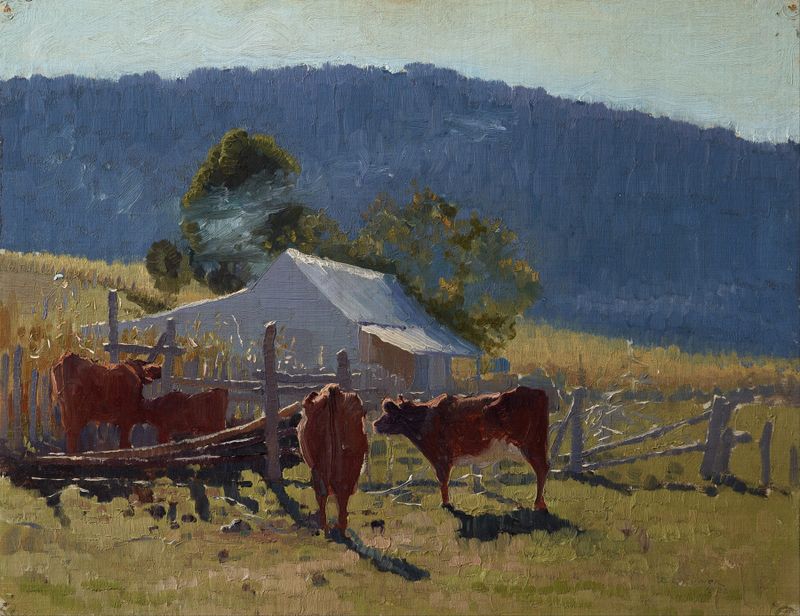
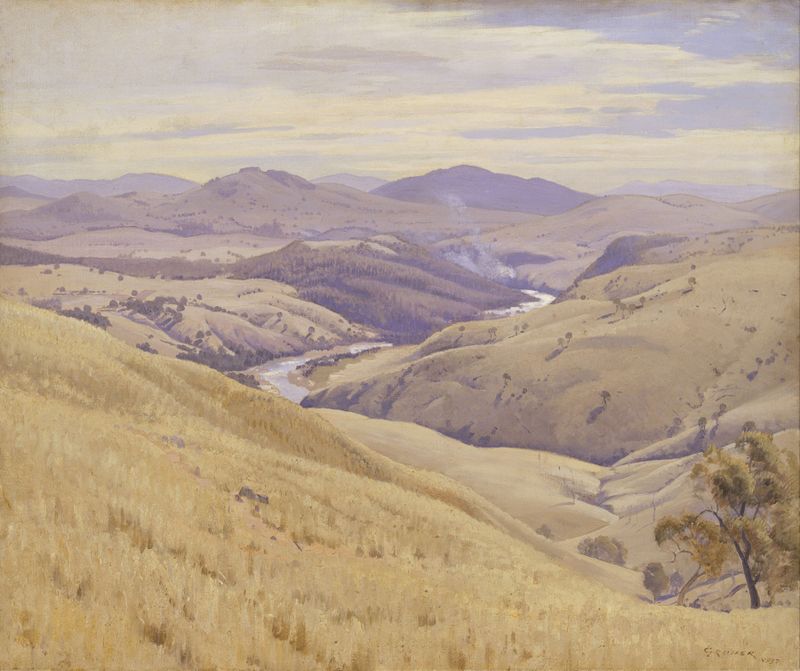
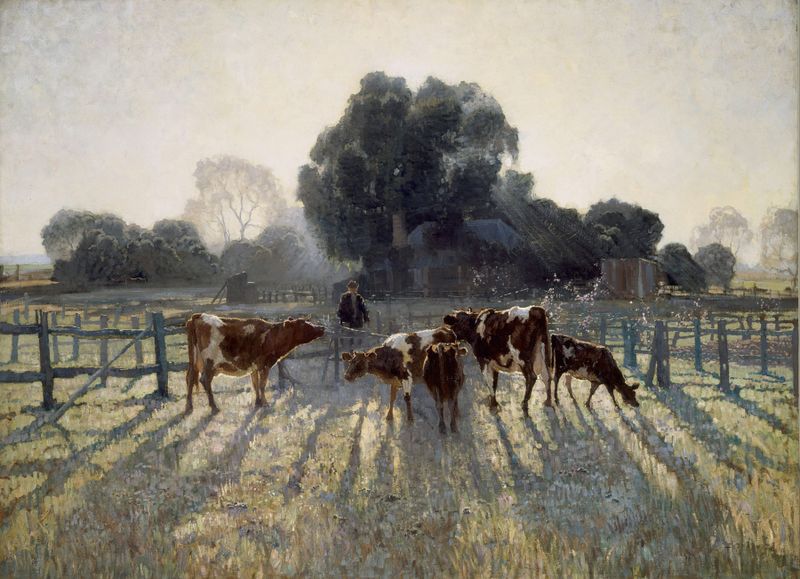
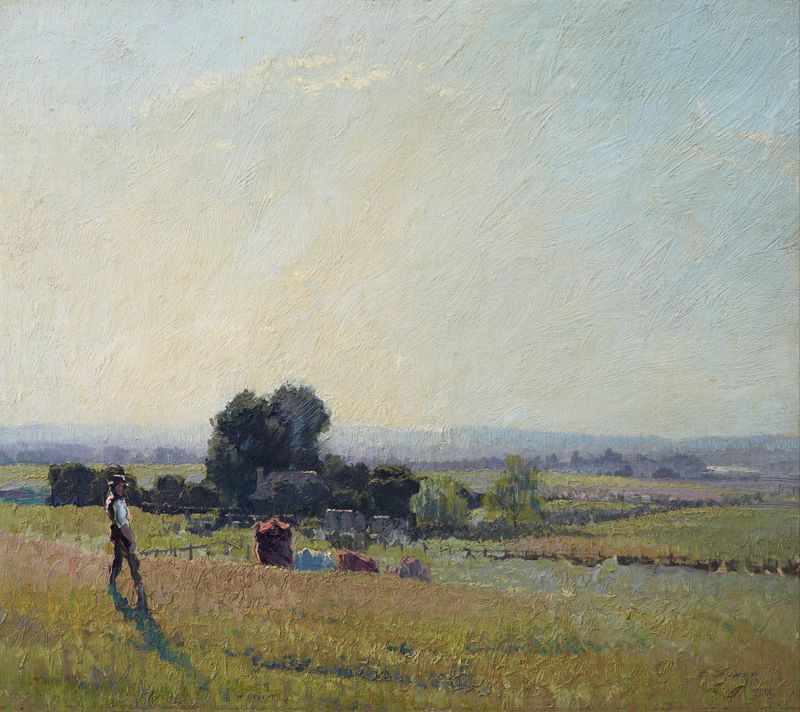
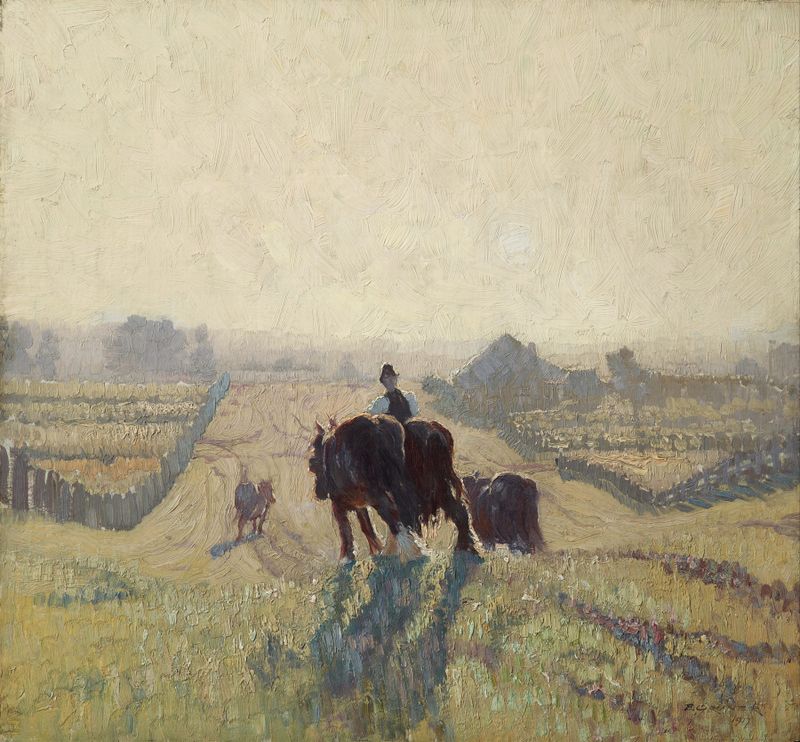
When did color learn to lie? In a realm where every hue dances with an undeniable truth, the vibrancy of life and rebirth beckons us to gaze anew upon the familiar. Focus your attention on the lush greens that dominate the canvas, wrapping around the viewer like a warm embrace, and notice how they pulse with vitality. Explore the dappled sunlight that filters through the leaves, creating patterns that capture fleeting moments of beauty. Each brushstroke reveals Gruner's masterful technique, where the blending of colors elicits not just sight but a palpable sensation, evoking the very essence of nature's revival. Yet, beneath the surface lies a tension — the quiet whispers of change.
The interplay of light and shadow speaks of fragility, hinting at the transient nature of life. The flowers, vivid and bright, symbolize hope and renewal, while the encroaching shadows remind us of the inevitability of decay. This duality encourages reflection on the cycles that govern existence, a reminder of both our resilience and vulnerability. Elioth Gruner painted this work in 1919, during a time of profound transition in Australia and the art world.
Returning from service in World War I, he was immersed in a society yearning for healing and renewal. Influenced by the Impressionists yet carving his own path, he sought to capture the essence of the everyday landscape, embodying the spirit of rebirth that resonated deeply with a recovering nation.