
Mot aften — History & Facts
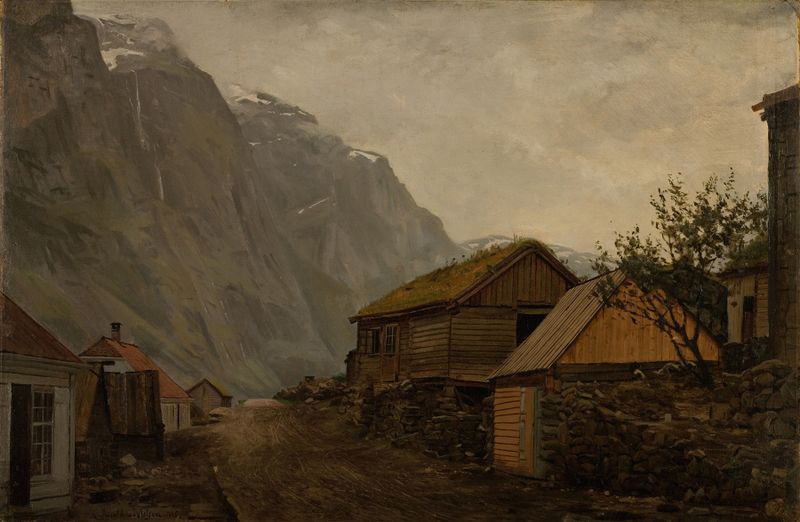
This sentiment lingers within the hazy layers of illusion that dance across the canvas, inviting us to lose ourselves in the ethereal beauty of twilight. Look to the center of the composition, where a delicate interplay of soft blues and warm ochres creates a shimmering horizon. This gradient draws the eye toward the water’s edge, where gentle ripples reflect the fading light. Notice how the artist employs a fluid technique that mirrors the tranquility of the evening sky, blurring the boundaries between land and sea—a masterful illusion that encapsulates an ephemeral moment. Yet, beneath the surface of this serene landscape lies an emotional tension.
The fading light, symbolizing the passage of time, evokes a sense of longing for what is transient and fleeting. The lush greenery flanking the water hints at life flourishing, yet the encroaching dusk suggests an inevitable surrender to darkness. This duality of vibrancy and stillness invites contemplation, urging the viewer to ponder the delicate balance between presence and absence. In the summer of 1893, while living in Norway, the artist captured Mot aften, a reflection of both personal and artistic exploration.
This period marked a transition in his style, influenced by the emerging trends of Impressionism, as he sought to convey the emotional essence of landscapes rather than mere realistic depictions. Amidst a world awakening to modernity, he found solace in nature, channeling that tranquility into his work.
More Artworks by Amaldus Nielsen
Browse all →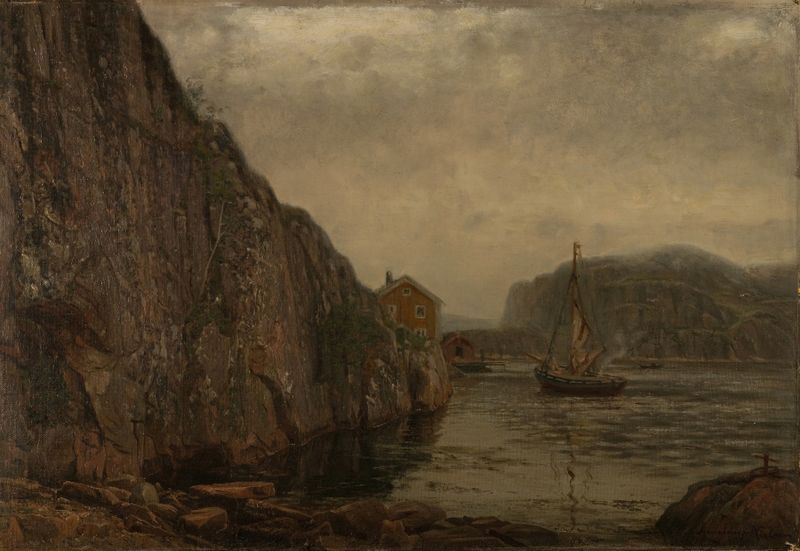
Skjærgård, Ny-Hellesund
Amaldus Nielsen
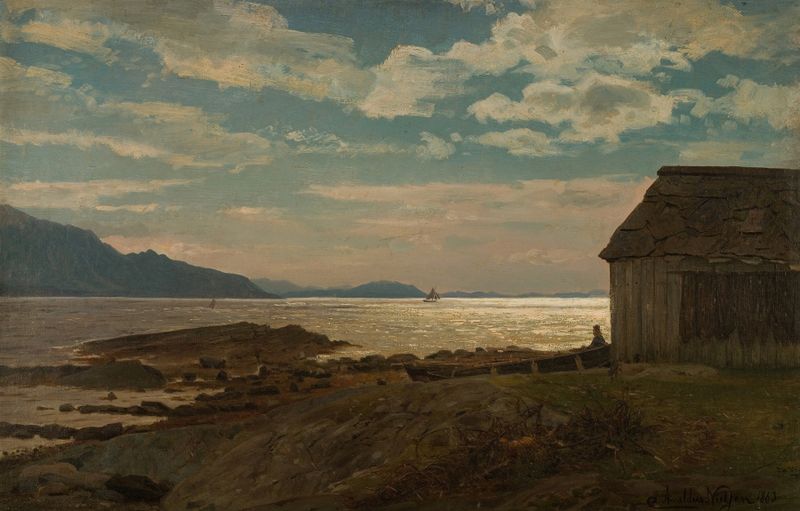
Fra Ølvestranden, Hardanger
Amaldus Nielsen
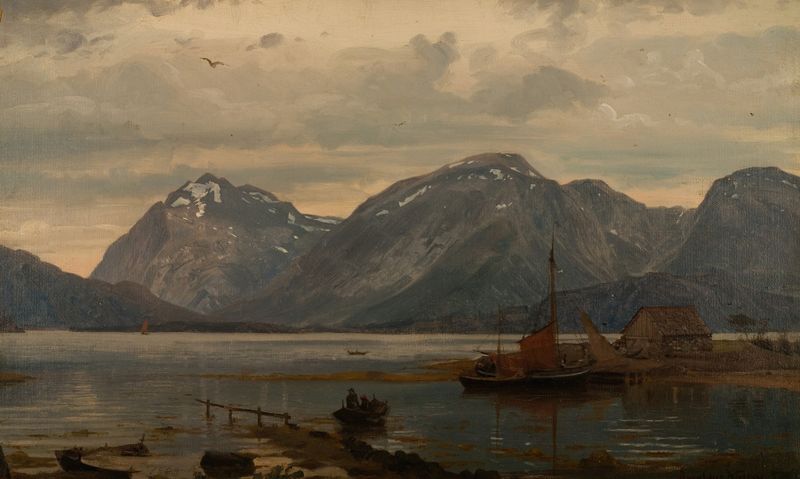
Fra Englafjellene, Hardanger
Amaldus Nielsen
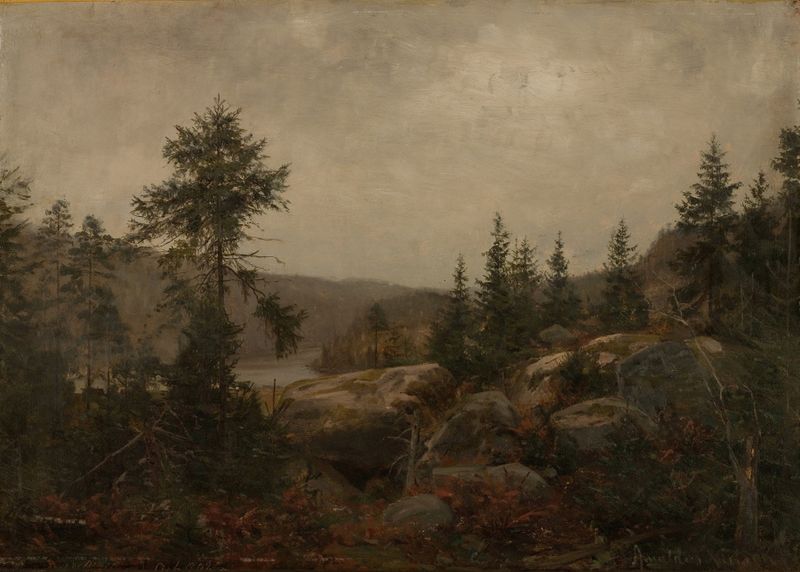
Duskregn . Gården Foss, Mandalselven
Amaldus Nielsen
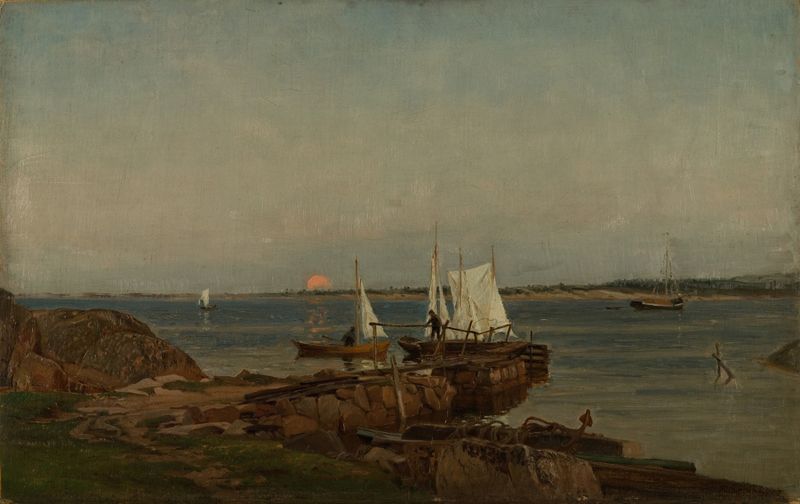
Sommernatt, Hvaler
Amaldus Nielsen
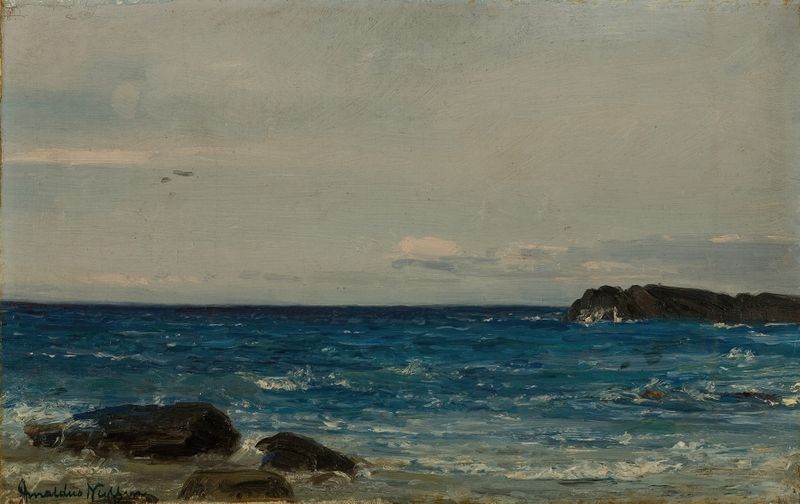
Fra Jæren
Amaldus Nielsen
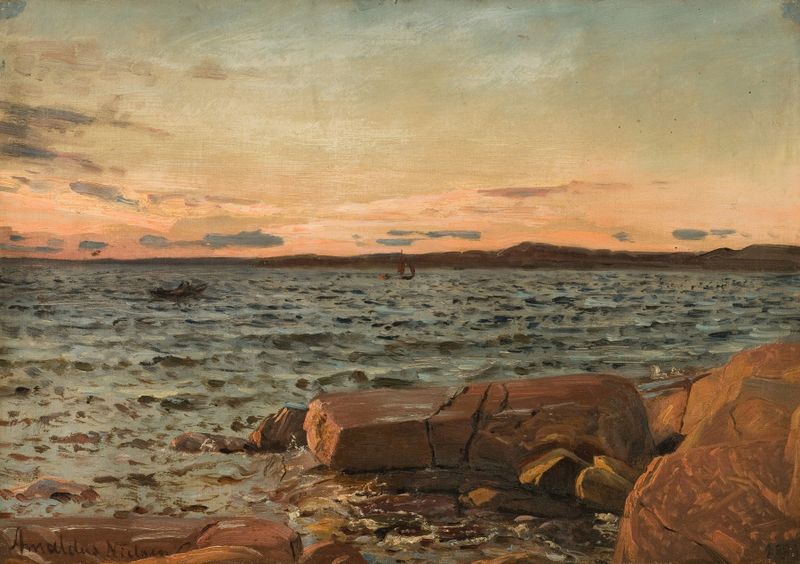
Solgangsvind, Hvaløene
Amaldus Nielsen
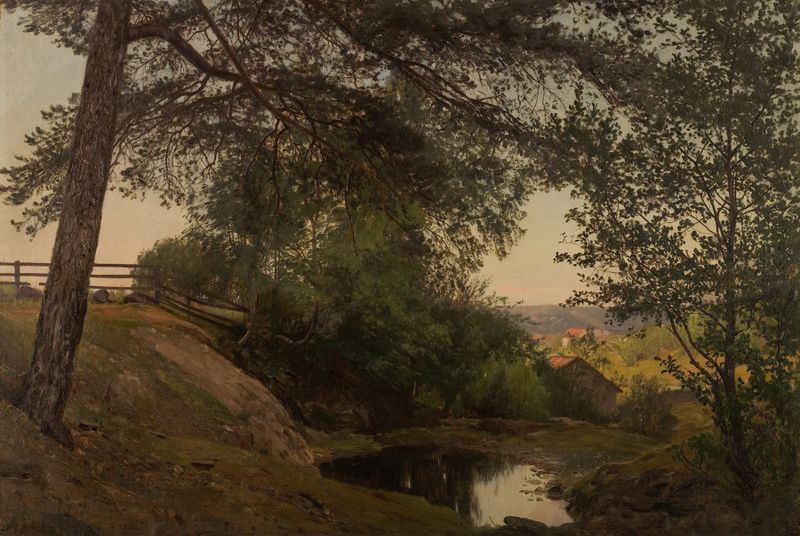
Mellom trærne. Lervik, Stord
Amaldus Nielsen

Båtbyggeri, Lillesand
Amaldus Nielsen
Regnstemning, Gudvangen
Amaldus Nielsen





