
Moulin d’Edam — History & Facts
Could beauty survive in a century of chaos? In Moulin d’Edam, the answer lies within the vibrant strokes of color, each one a testament to resilience amid the tumult of the late 19th century. Focus on the swirling blues and greens that define the sky and water, drawing your gaze to the windmill at the center. Notice how the brushwork creates a rhythmic movement, evoking a sense of life in the landscape. The dappled sunlight dances across the canvas, illuminating the scene and inviting the viewer to linger.
Every stroke feels deliberate, a celebration of the pointillist technique that captivates the eye while simultaneously beckoning the heart. The juxtaposition of the serene windmill against the fluidity of the rippling waters captures a profound stillness amid nature’s chaos. Hidden details, like the faint reflection of the windmill in the water, suggest a dialogue between the elements, urging viewers to ponder the connection between man and nature. The color choices highlight the emotional tension of tranquility amidst the background of a rapidly changing world, a stark reminder of the fragility of such beauty. Paul Signac created Moulin d’Edam in 1896 while living in France, a period marked by artistic experimentation and the burgeoning movement of Neo-Impressionism.
At this time, Signac's dedication to color theory and light was at its peak, reflecting both personal exploration and a collective response to the artistic chaos of the era. The painting stands not only as a visual delight but as a philosophical commentary on the enduring power of beauty to emerge from uncertainty.
More Artworks by Paul Signac
Browse all →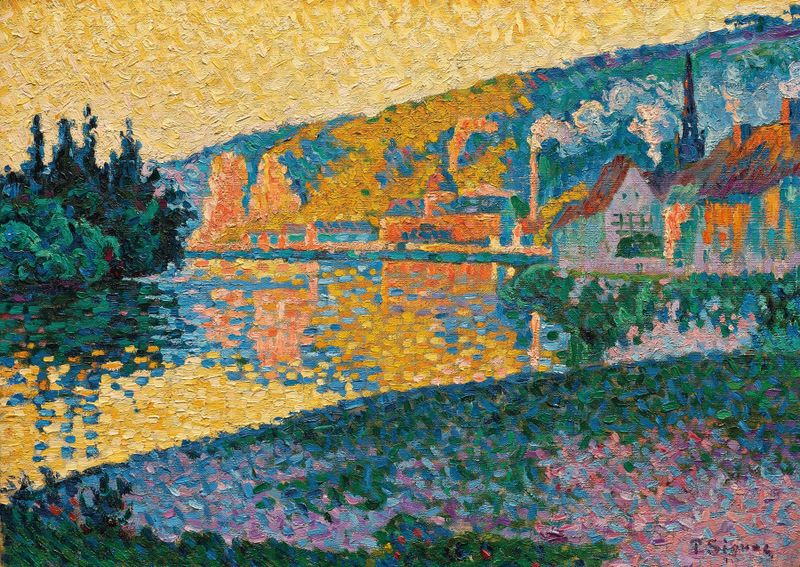
Les Andelys. Soleil couchant
Paul Signac
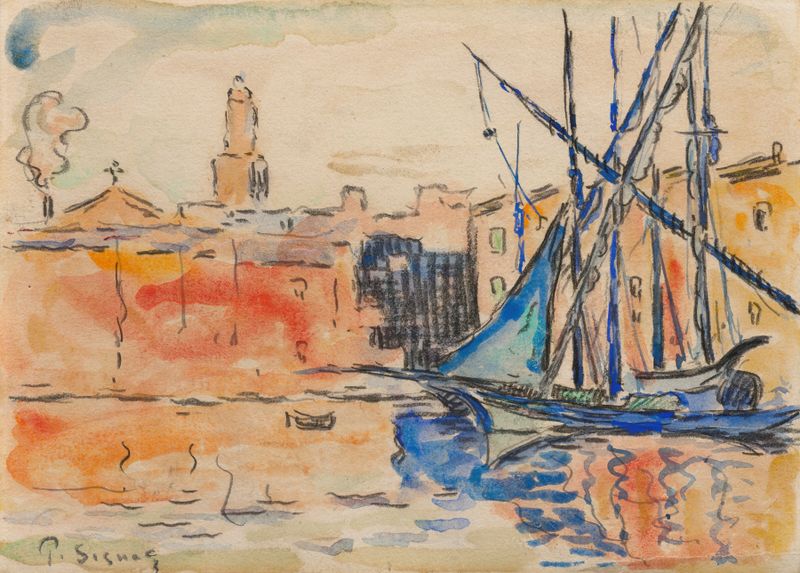
Saint-Tropez, le port
Paul Signac
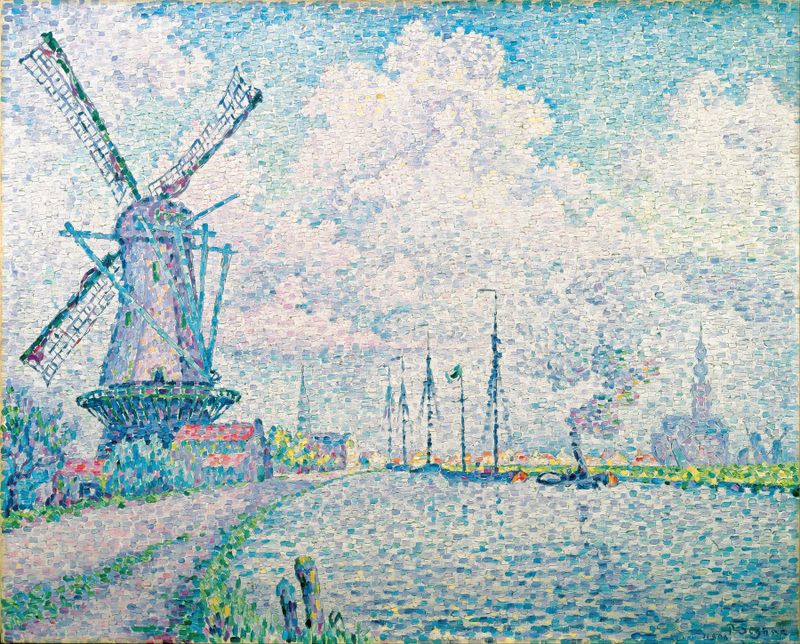
Canal of Overschie
Paul Signac
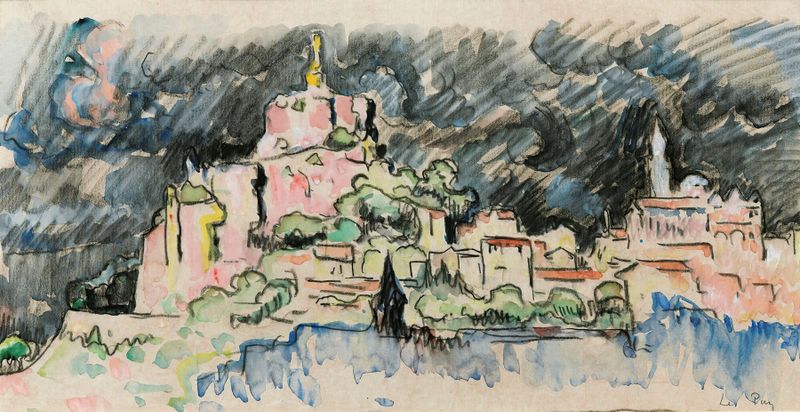
Le Puy-En-Velay, Ciel D’orage
Paul Signac
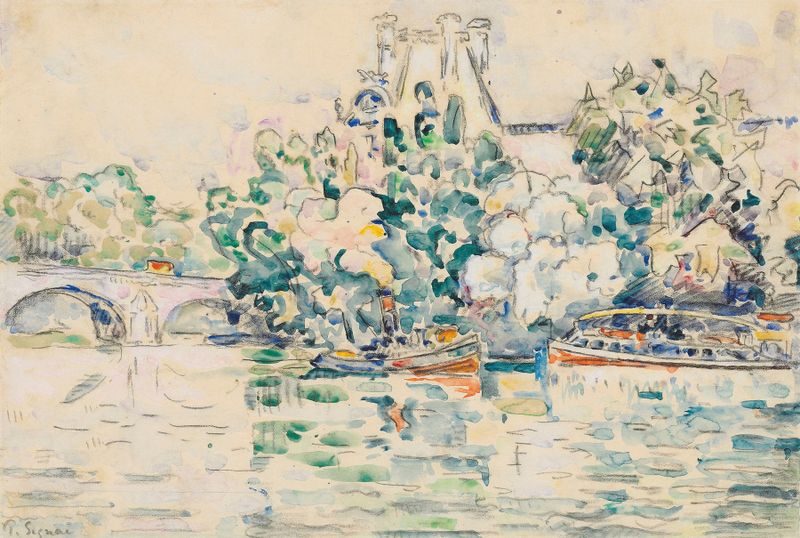
Paris, La Seine au Pont-Royal
Paul Signac
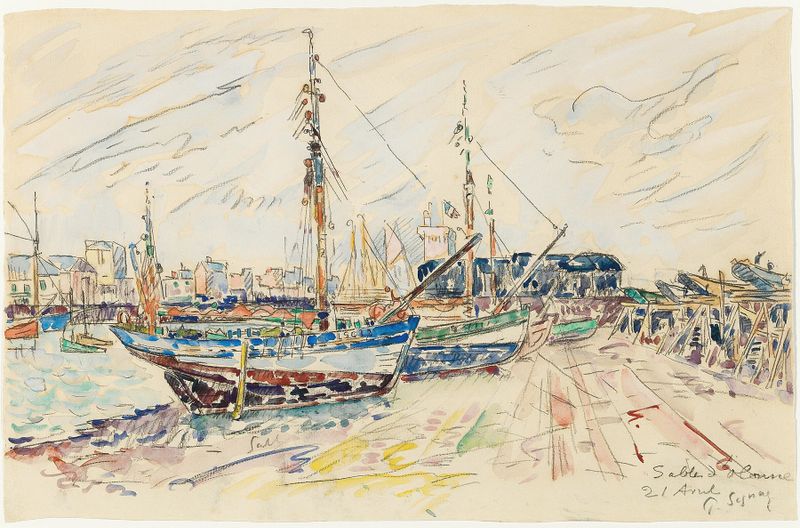
Sables d’Olonne
Paul Signac
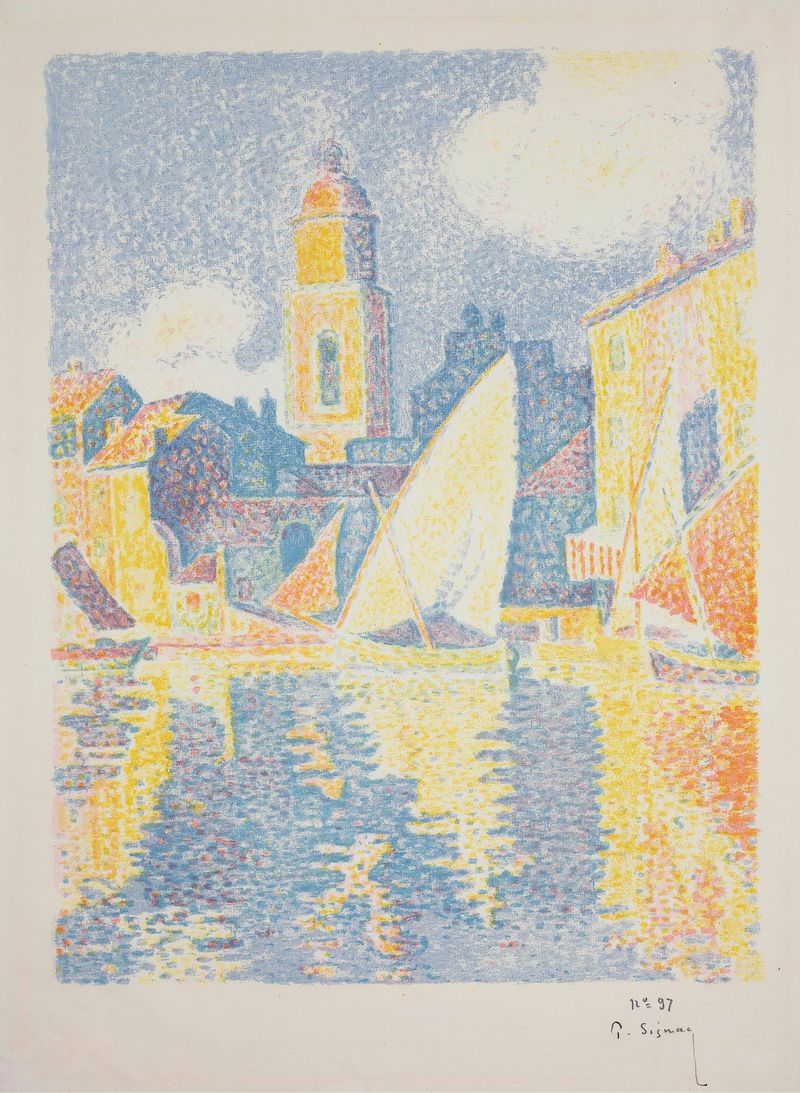
The Port of St. Tropez
Paul Signac
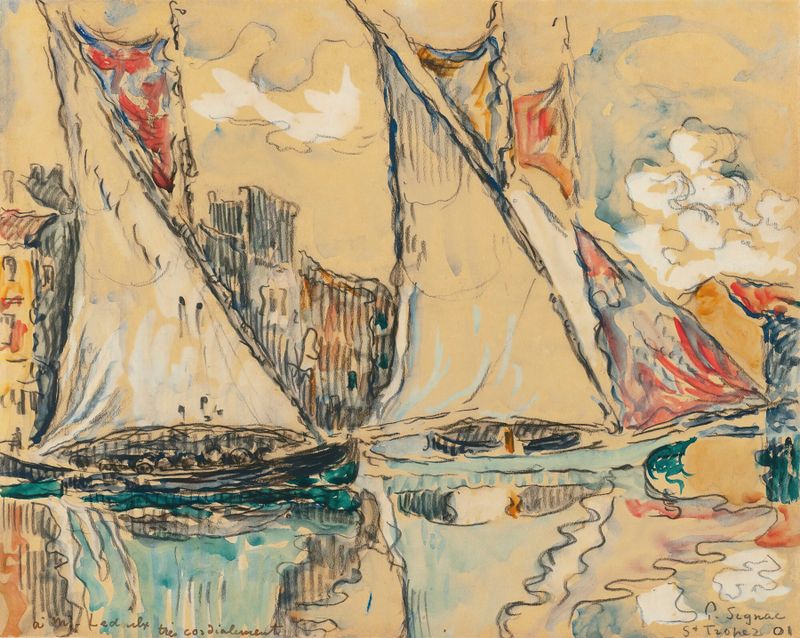
Saint-Tropez, Voiles Au Sec
Paul Signac
Antibes
Paul Signac

Saint-Tropez
Paul Signac





