
Mountain Creek — History & Facts
What if beauty was never meant to be finished? In Mountain Creek, one can almost hear the gentle rustle of leaves giving way to a quiet, yet profound sense of decay. Focus on the cascading water, where the stream rushes from the jagged rocks. The artist’s meticulous brushwork captures the translucent quality of the water, reflecting shades of turquoise and emerald that evoke a sense of freshness. Notice the way the light dances on the surface, illuminating the edges of the foliage in warm hues.
As your gaze travels across the canvas, the stark contrasts between the vibrant greenery and the muted browns of the decaying trees invite contemplation on the cycle of life and nature's resilience. Delve deeper into the details: the broken branches and crumbling stones seem to whisper stories of time’s passage, hinting at the inevitable decay that accompanies beauty. The interplay of light and shadow accentuates this tension, suggesting that even in splendor, there exists a trace of melancholy. Each element of the composition speaks to the fragility of the scene—an exquisite moment caught in the relentless march of time, frozen yet fleeting. Friedrich Carl von Scheidlin painted Mountain Creek in 1860, during a period when Romanticism was deeply influencing the art world.
Living in Germany, he was engulfed in a transformative era, where nature was celebrated as a powerful muse. This work reflects his fascination with landscapes that evoke emotion, exploring themes of beauty and transience in the natural world, a mirror to the changing tides of his own life and artistry.
More Artworks by Friedrich Carl von Scheidlin
Browse all →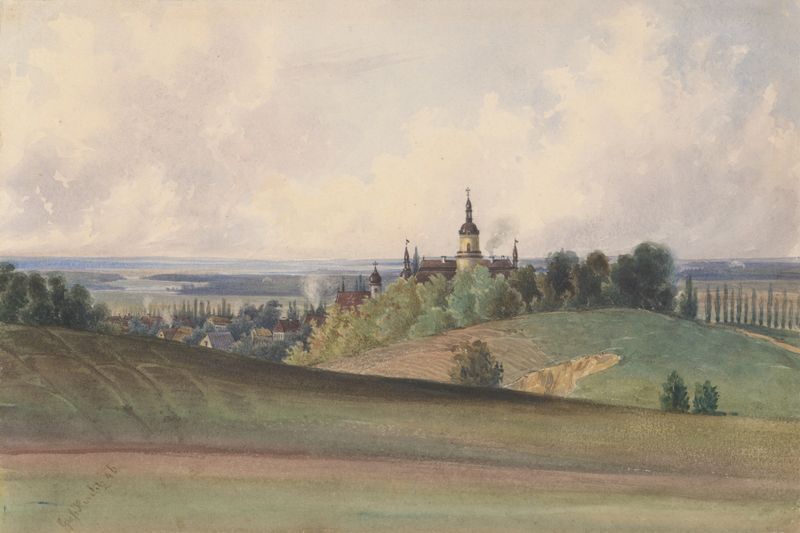
View of Gross Herrlitz
Friedrich Carl von Scheidlin
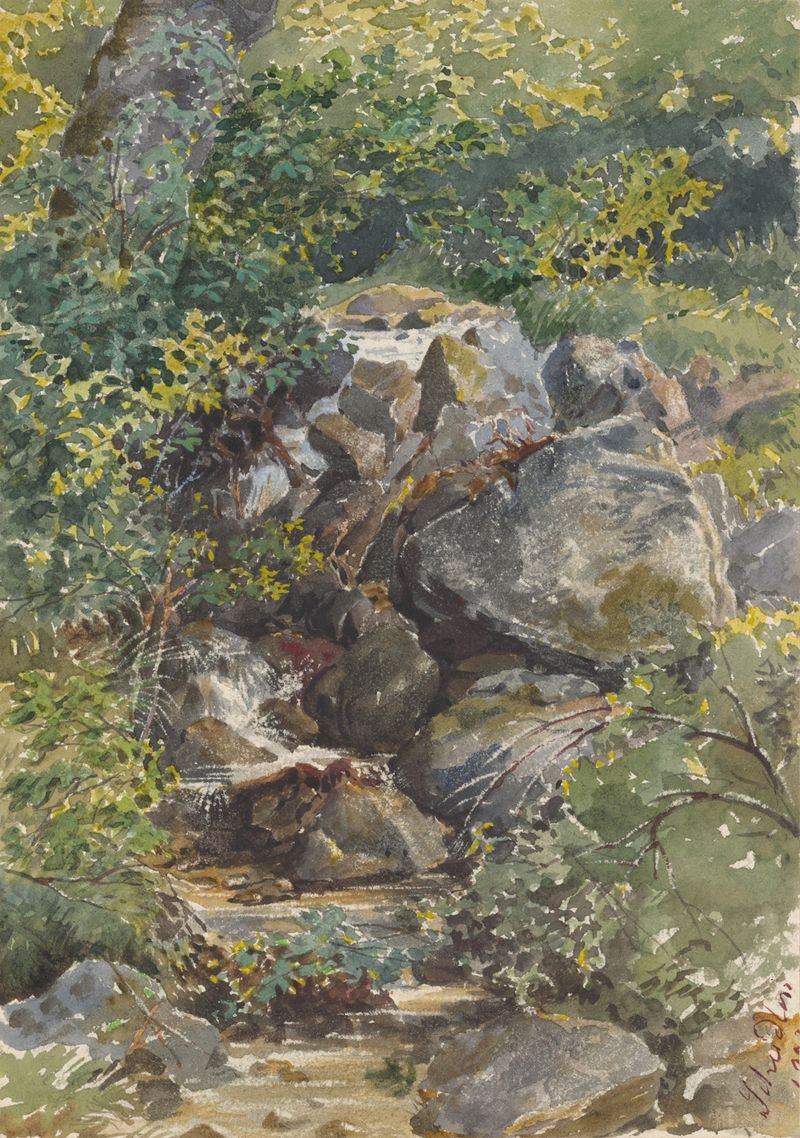
Forest Brook
Friedrich Carl von Scheidlin
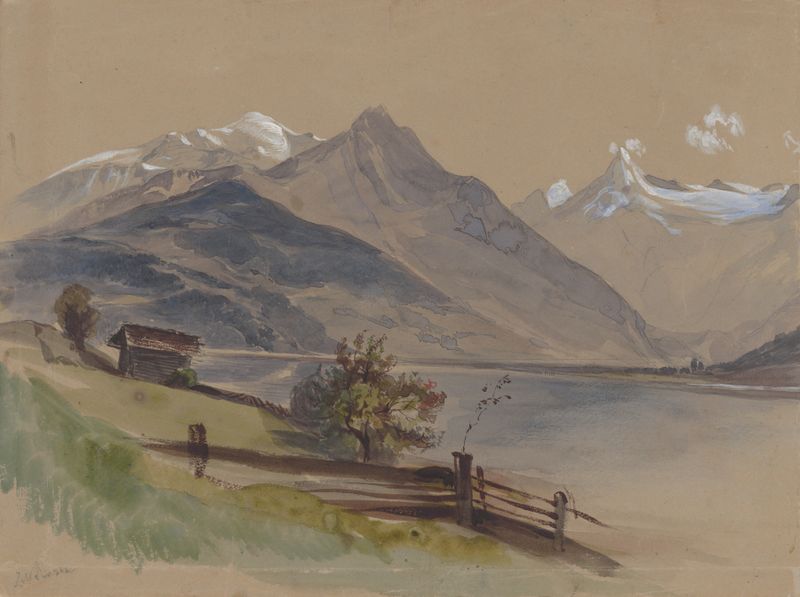
Alpine Landscape with a Lake
Friedrich Carl von Scheidlin
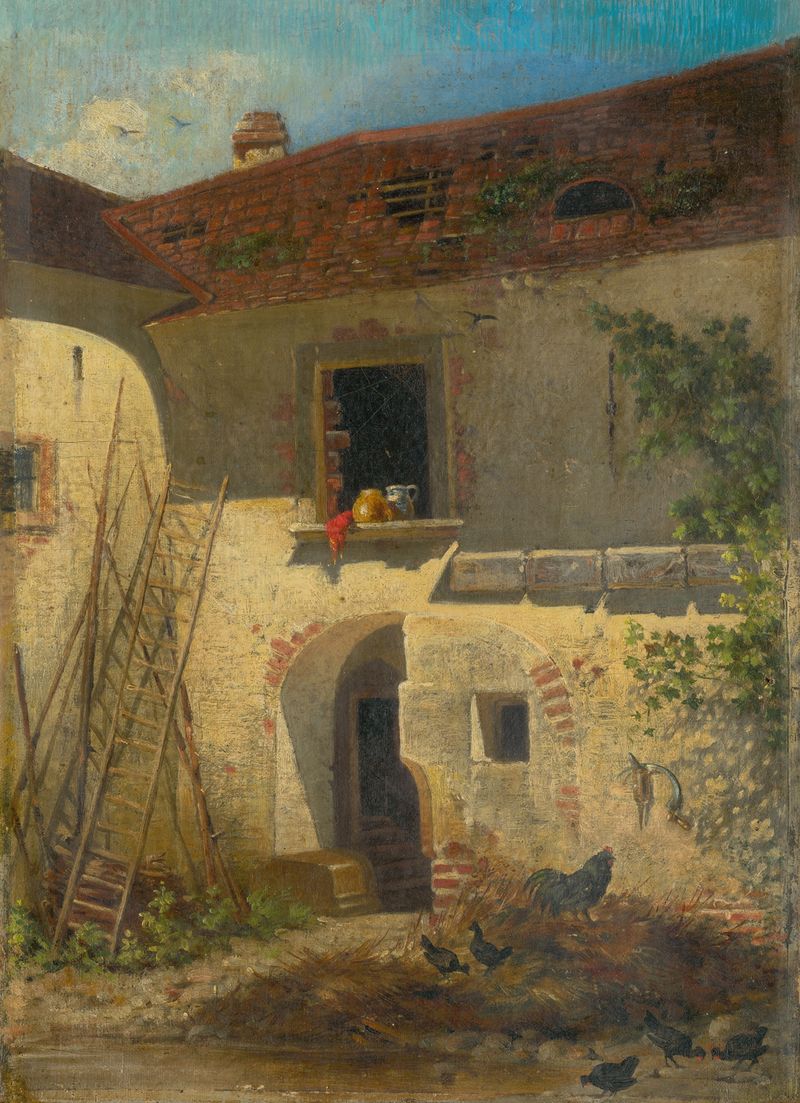
Old Farm Yard in Jur
Friedrich Carl von Scheidlin
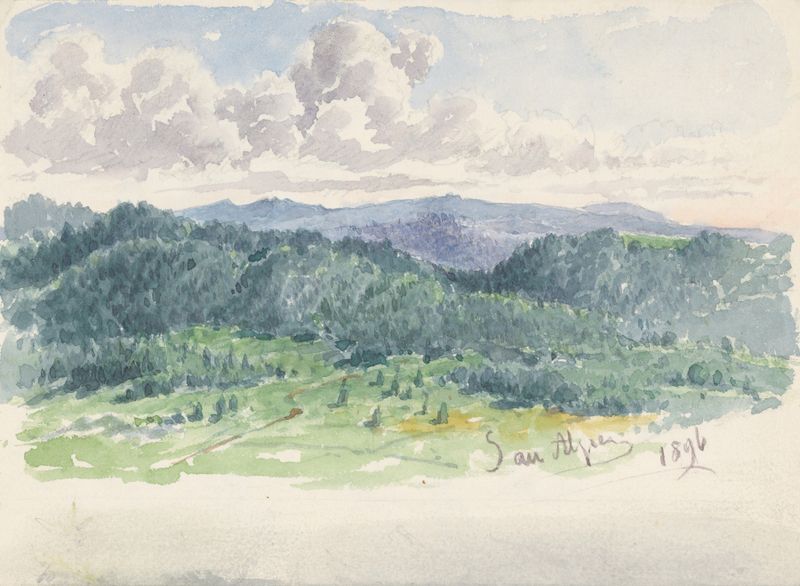
Mountain Landscape
Friedrich Carl von Scheidlin
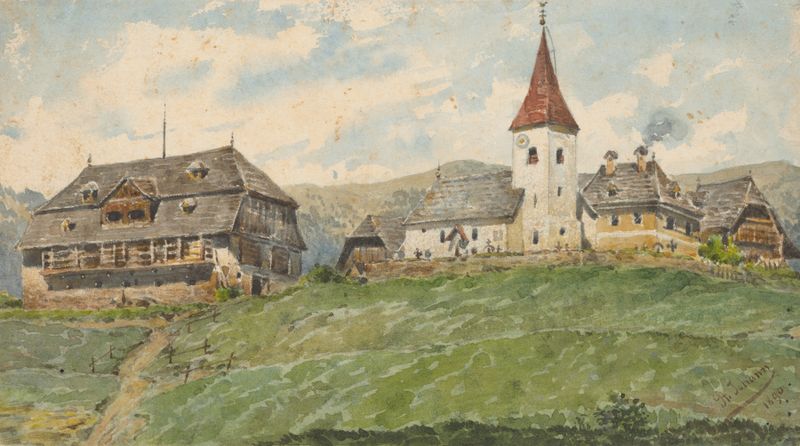
View of St. Johann
Friedrich Carl von Scheidlin
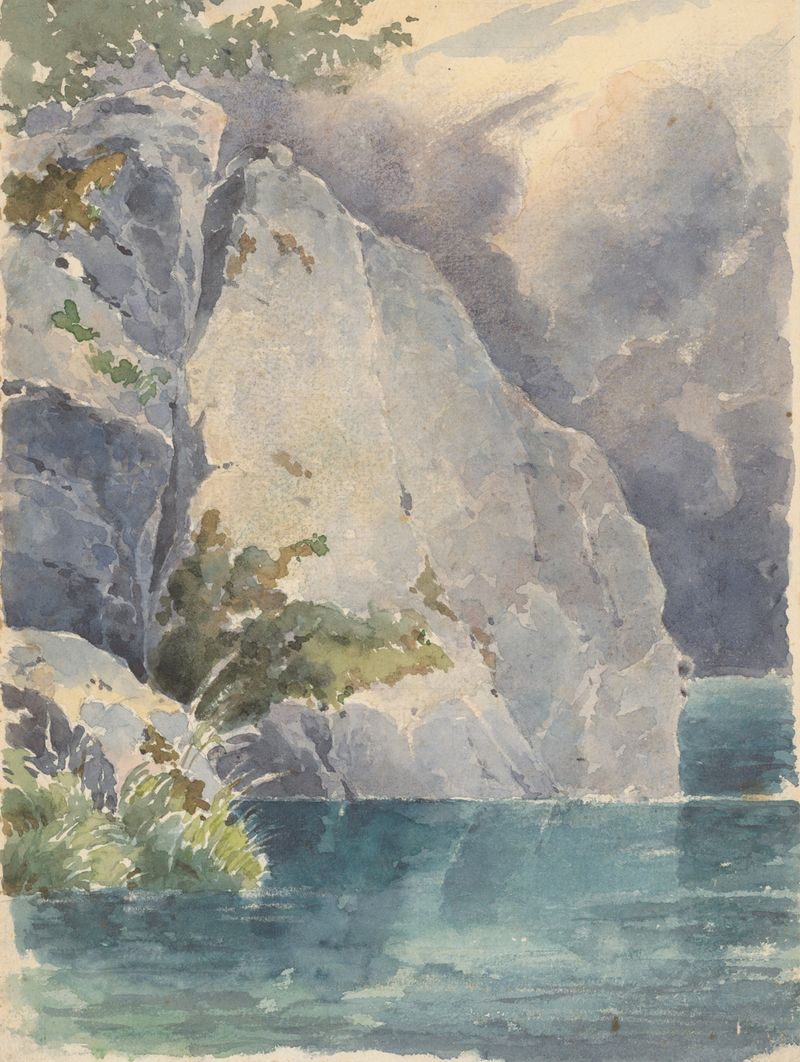
Rock above a Lake
Friedrich Carl von Scheidlin
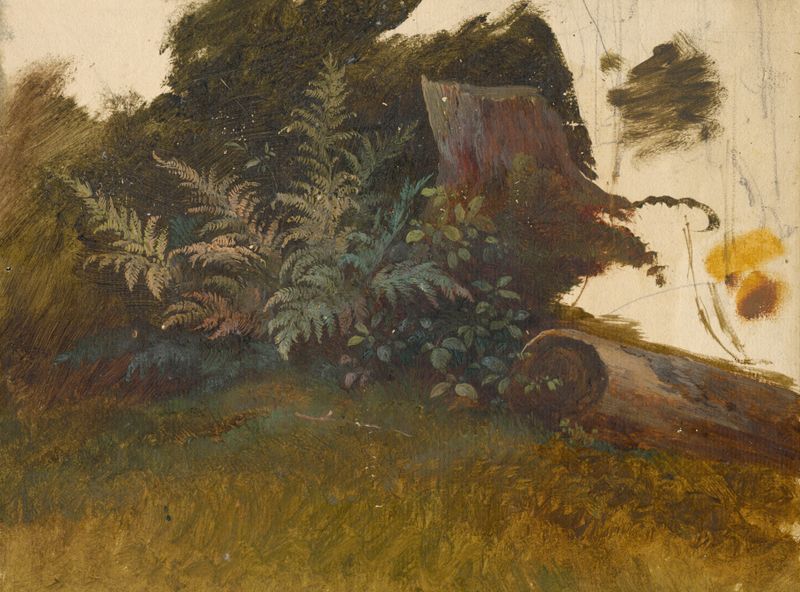
Mountain Vegetation
Friedrich Carl von Scheidlin
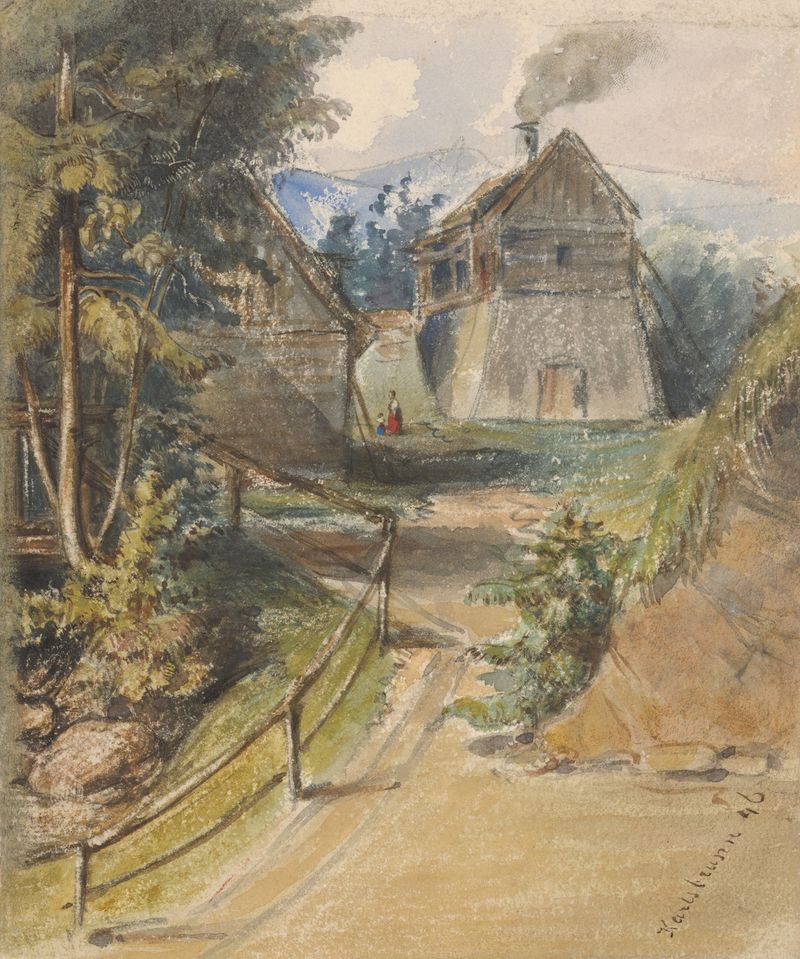
Motif from Karlsbrunn
Friedrich Carl von Scheidlin
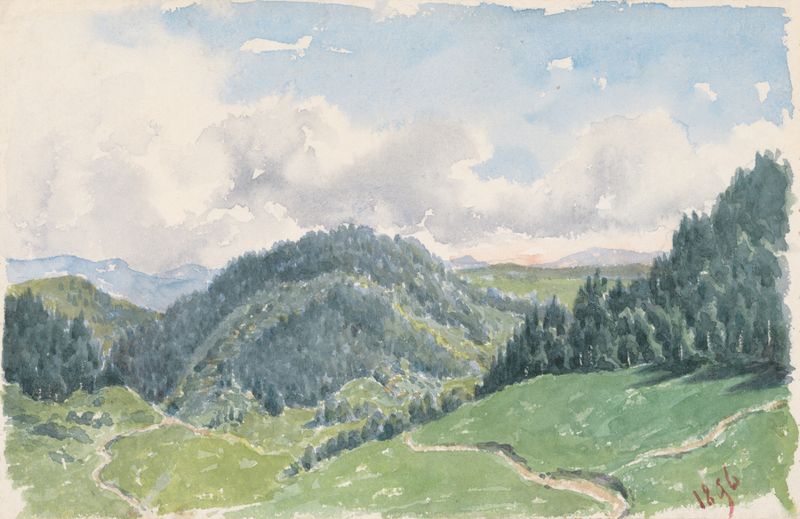
Mountain Landscape
Friedrich Carl von Scheidlin





