
Mountain resort near the Delaware Water Gap — History & Facts
This sentiment resonates deeply in the tranquil scene captured by the artist, where moments of leisure and nature intertwine, evoking a bittersweet nostalgia for simpler times. Focus on the lush greens that blanket the mountains, beckoning you into a serene embrace. Look to the left, where the quaint wooden structures blend seamlessly with the landscape, their soft outlines softened by the gentle mist that hangs in the air. The artist uses a muted palette, allowing the foliage to take center stage, contrasting the vibrancy of life with the stillness of the moment—a sanctuary away from the chaotic world beyond. Within this idyllic setting, emotional tensions simmer beneath the surface.
The calmness of the scene contrasts with an underlying sense of longing, a feeling that speaks to the transient nature of happiness. Notice how the figures in the foreground interact with each other and their environment, embodying a fleeting moment of connection that hints at the impermanence of such joy. The delicate brushstrokes capture not only the beauty of the landscape but also the profound human experience of cherishing fleeting experiences. During the years between 1850 and 1869, Queen was navigating the growing popularity of landscape painting in America, a period marked by a profound appreciation for nature and its restorative qualities.
Working primarily in Pennsylvania, he reflected the burgeoning movement towards romanticism in art, a response to the industrialization transforming society. This piece, emerging from that pivotal moment, invites viewers to pause, reflect, and remember the beauty that time often seeks to blur.
More Artworks by James Fuller Queen
Browse all →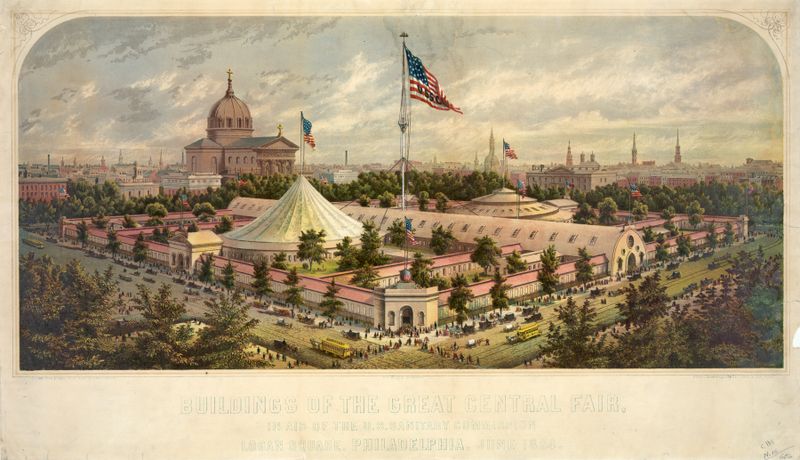
Buildings of the Great Central Fair, in aid of the U.S. Sanitary Commission, Logan Square, Philadelphia, June 1864
James Fuller Queen
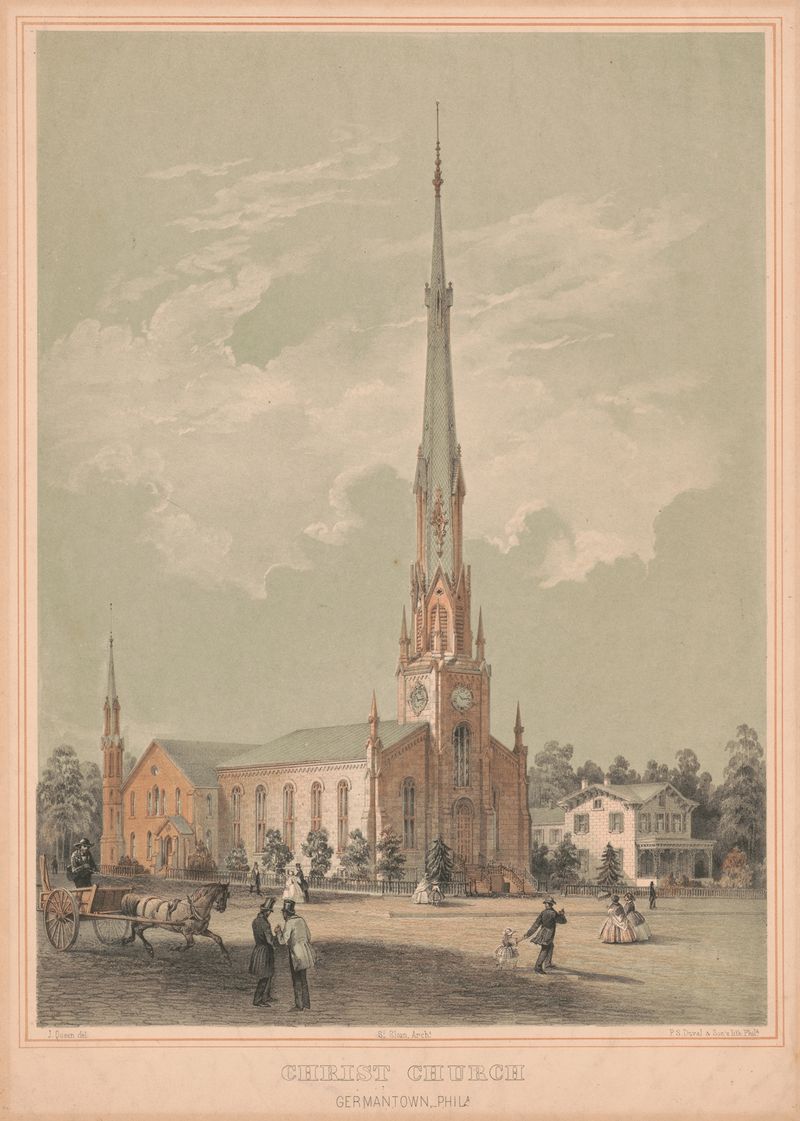
Christ Church, Germantown, Phila.
James Fuller Queen
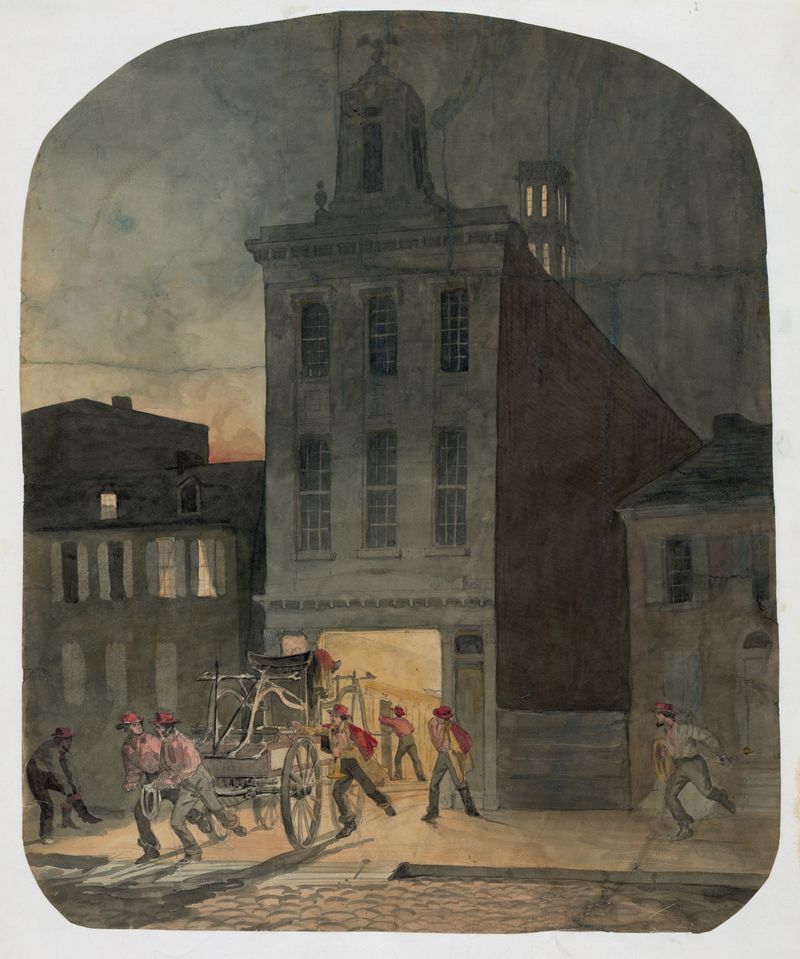
Firehouse scene in Philadelphia showing firemen from the Weccacoe Engine Company
James Fuller Queen
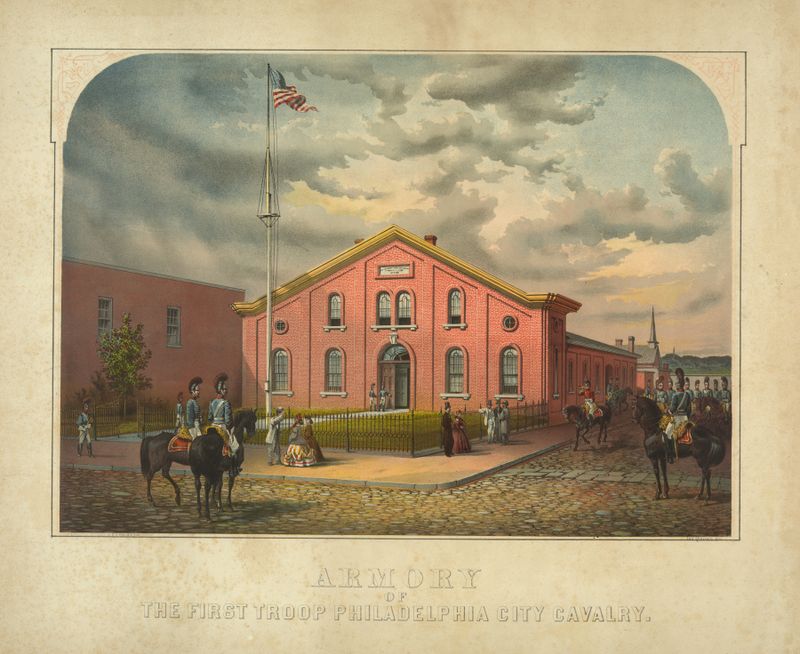
Armory of the First Troop Philadelphia City Cavalry
James Fuller Queen
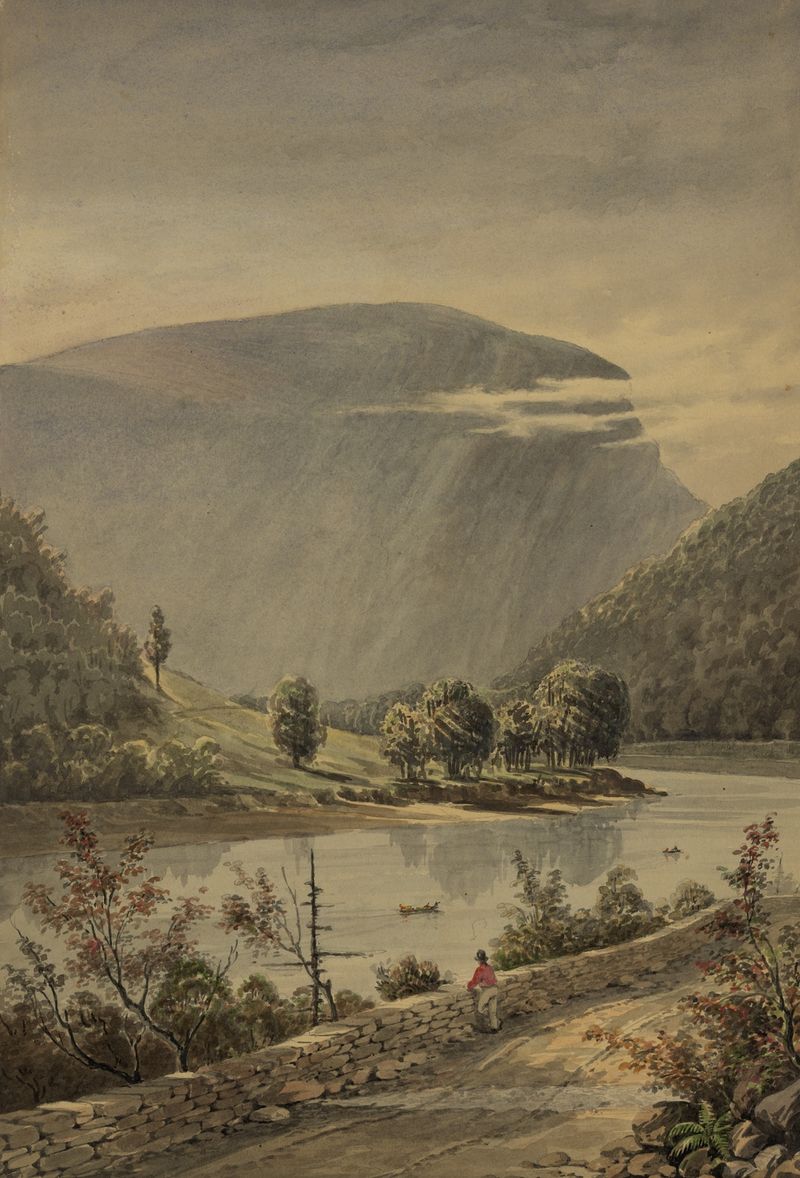
Delaware Water Gap
James Fuller Queen
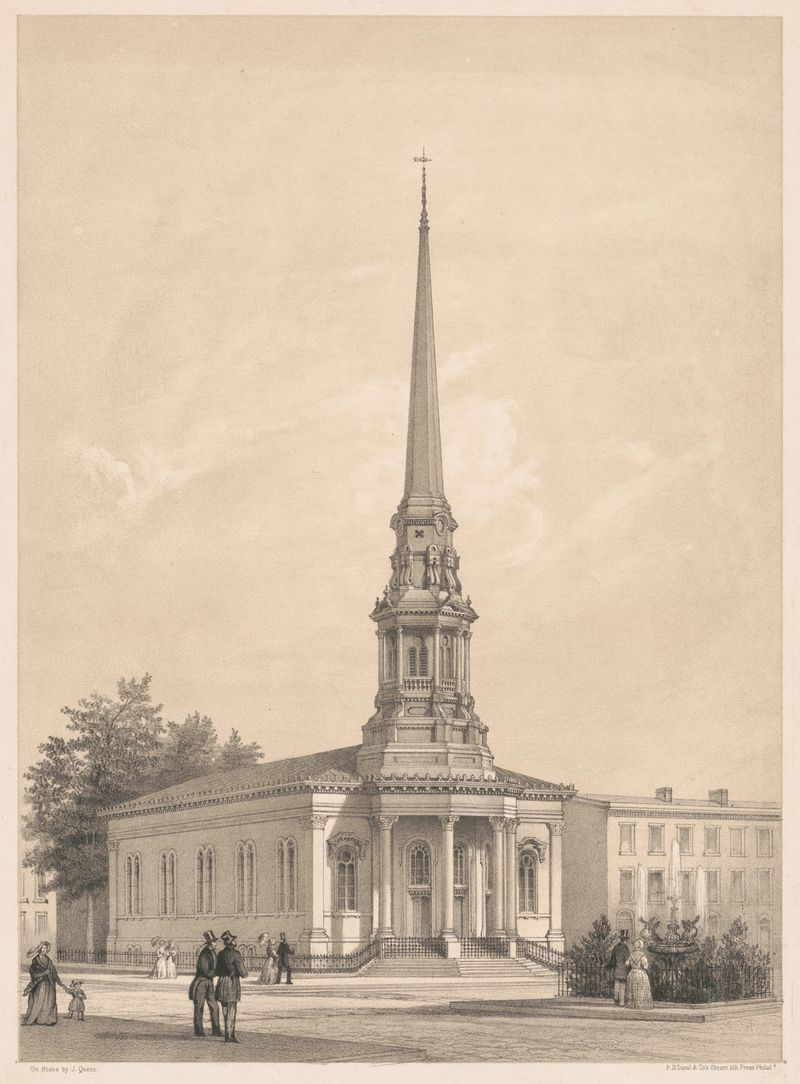
The Fourth Baptist Church, N.W. corner of Fifth & Buttonwood Streets, Philadelphia
James Fuller Queen
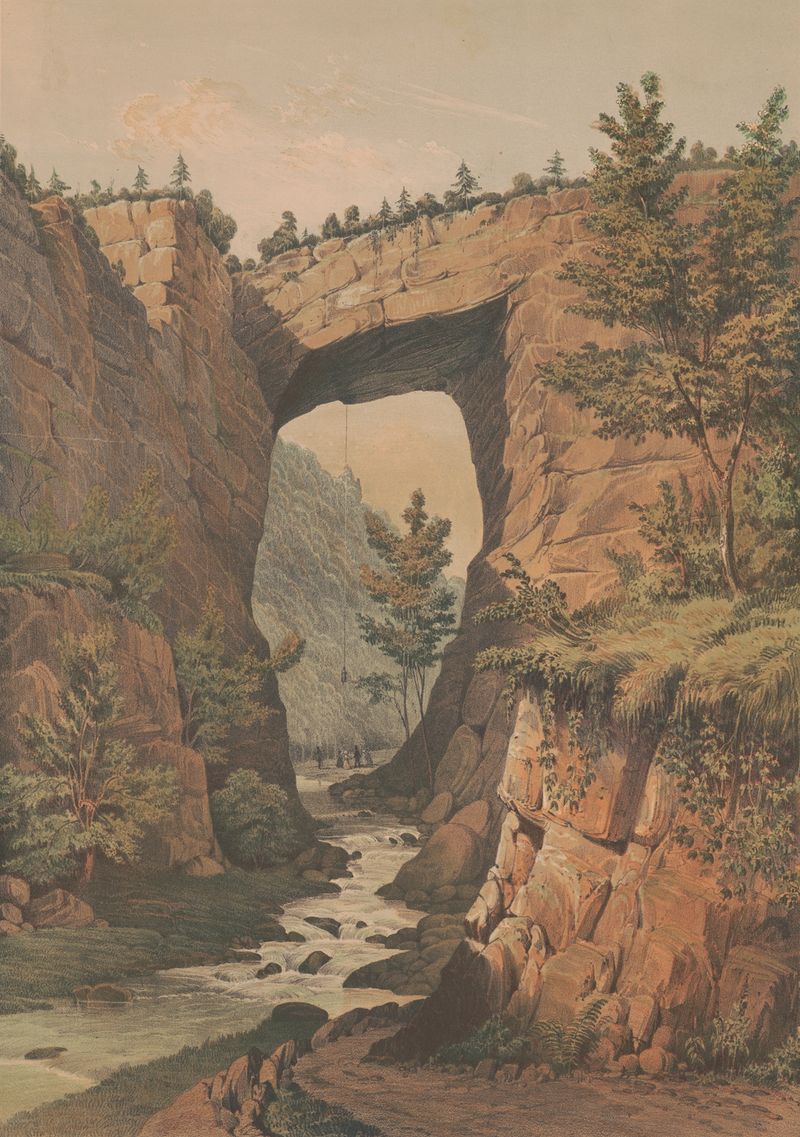
The natural bridge, Rockbridge County, Va. from a sketch by Maj. Ths. H. Williamson
James Fuller Queen
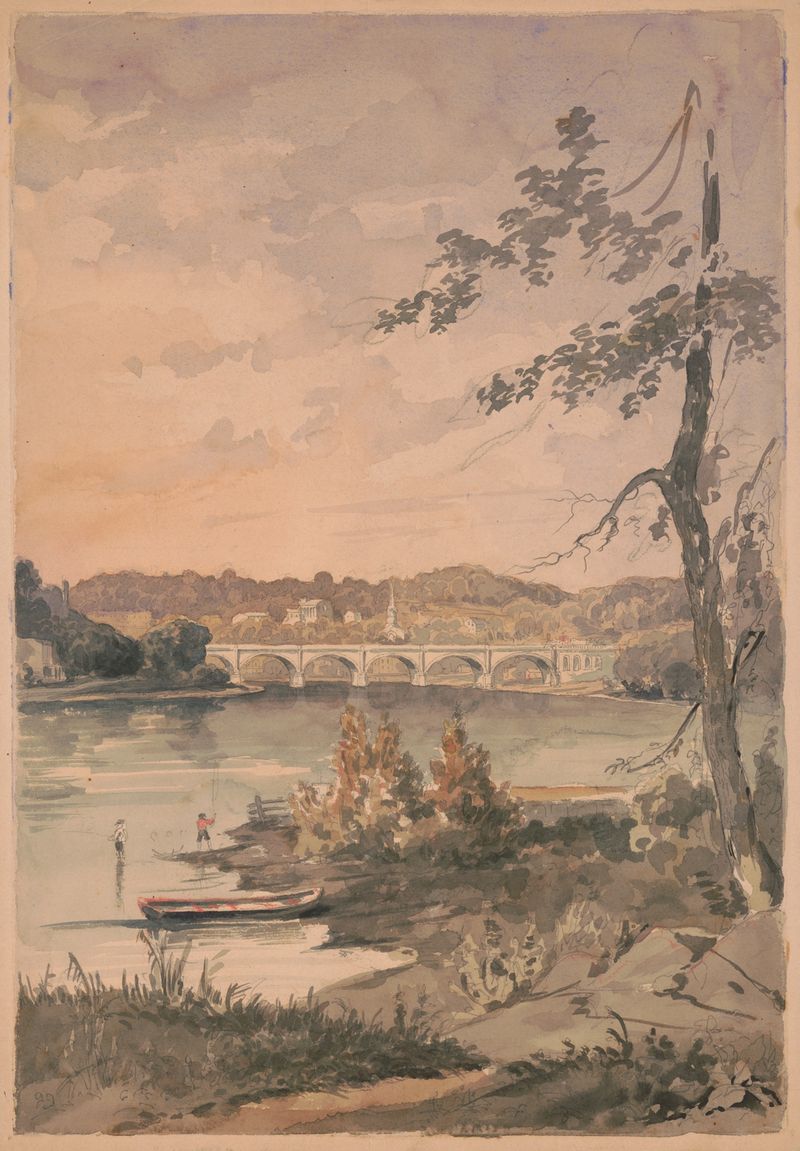
Boys fishing on the banks of the Schuylkill River in Philadelphia
James Fuller Queen

Schuylkill Arsenal at sunset, from across the Schuylkill River, looking west
James Fuller Queen

Explosion of the Alfred Thomas at Easton Pa. March 6th 1860
James Fuller Queen





