Mountain View — History & Facts
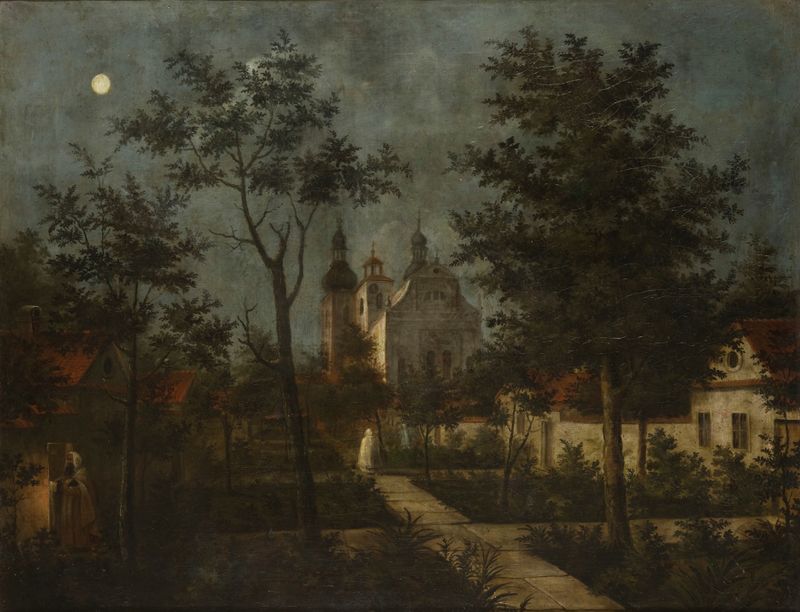
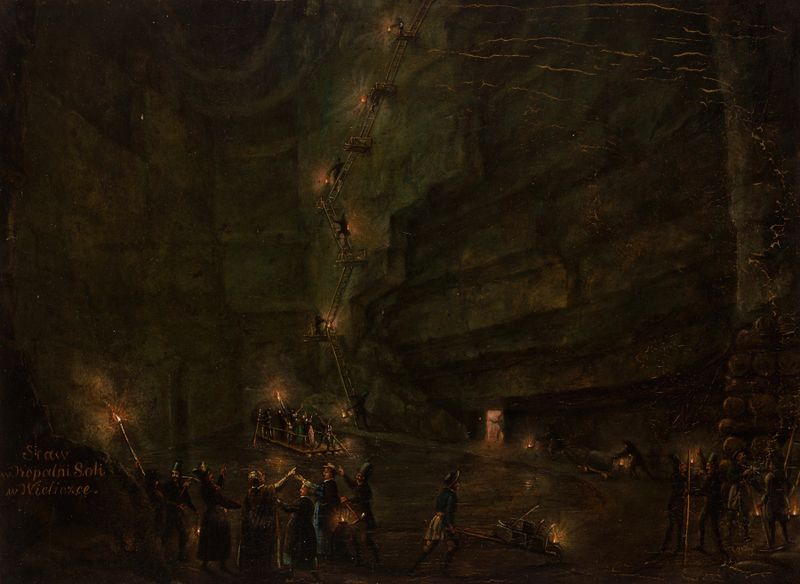
This sentiment resonates deeply with the transformative power of nature, where moments of struggle birth breathtaking vistas. In Mountain View, the landscape transcends its physical form, inviting contemplation on the duality of beauty and hardship. Focus on the horizon where ethereal peaks rise majestically, painted in soft hues of lavender and deep indigo. Notice how vibrant strokes of green and gold weave through the base, creating a rich tapestry that draws the eye inward.
The gentle interplay of light and shadow reveals the texture of the mountains, accentuating their formidable presence while the subtle mist hints at the mysteries they conceal. This manipulation of color and layer invites viewers to journey both visually and emotionally through the landscape. Delve into the contrasts at play: the serene calm of the foreground juxtaposed against the imposing peaks, which evoke a sense of foreboding. The golden glow that bathes the landscape suggests hope, yet it also masks the underlying struggle inherent in nature's beauty.
This tension between tranquility and the raw power of the mountains serves as a reminder that transformations often come with both light and dark, beauty and pain. In 1840, Teodor Baltazar Stachowicz found himself in a period marked by Romantic ideals, seeking to capture the sublime in nature’s grandeur. Working in Poland, he aimed to express the spirit of his homeland through expansive landscapes. This painting reflects the cultural pursuit of beauty during a time when artists were increasingly drawn to the emotional resonance found in the natural world, bridging personal experience and broader existential themes.