
Mountainous landscape with waterfall — History & Facts
Could a single brushstroke hold eternity? In the flowing strokes and vibrant hues of the mountainous landscape, one can sense the divine intermingling with nature, whispering stories of creation. Look to the left at the cascading waterfall, its white froth contrasted against the rich greens and deep blues of the surrounding hills. The artist’s masterful use of light creates a shimmer as it dances upon the water, drawing your eye to the dynamic movement that breathes life into the canvas. Notice how the peaks rise majestically in the background, their rugged edges softened by a veil of mist, inviting contemplation of the sublime within the mundane. Delve deeper into the hidden layers of this serene vista: the juxtaposition of the tumultuous waterfall against the stillness of the mountains suggests the eternal struggle between chaos and harmony.
The way the light bathes the terrain evokes a sense of divinity, hinting at the presence of a higher power orchestrating the beauty of the natural world. Each detail, from the finely painted trees to the distant clouds, invites personal reflection and reverence for the grandeur of creation. Created between 1650 and 1692, this landscape emerged during a time of great transition in the art world. Roghman, influenced by the burgeoning Baroque movement, sought to express both the grandeur of nature and the spiritual depth inherent in the landscape.
His work reflects the era’s fascination with the sublime, capturing not just a scene but an intertwining of earthly beauty and celestial awe.
More Artworks by Roelant Roghman
Browse all →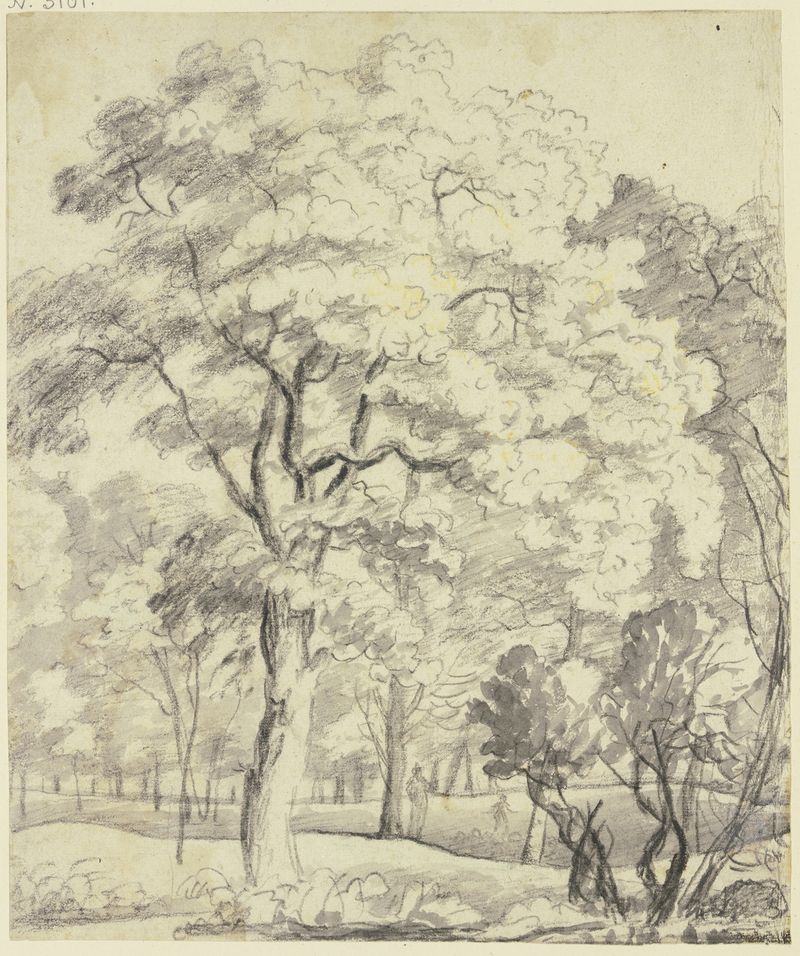
Waldpartie mit zwei Figuren
Roelant Roghman
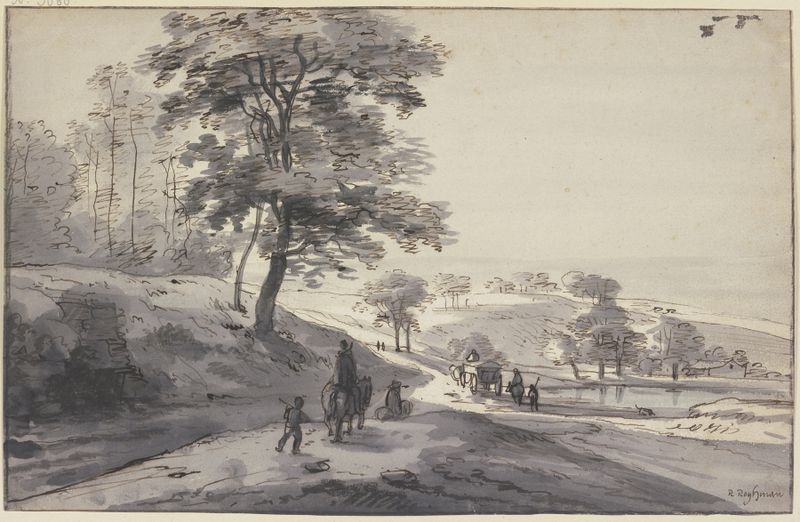
An einem Wasser vorbei über einen Hügel zieht sich ein mit einem Wagen, Reitern und Fußgängern belebter Weg
Roelant Roghman
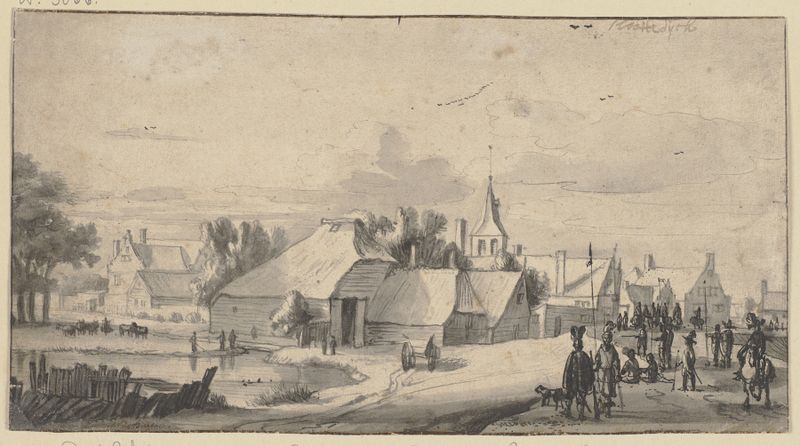
Das Dorf Sloterdyk zur Zeit des Durchzuges der Truppen des Prinzen Wilhelm II von Oranien im Jahre 1650
Roelant Roghman

Landschap met een reiswagen voor een boerderij
Roelant Roghman

The Ruin of Huis ‘t Sant at Katwijk aan Zee
Roelant Roghman
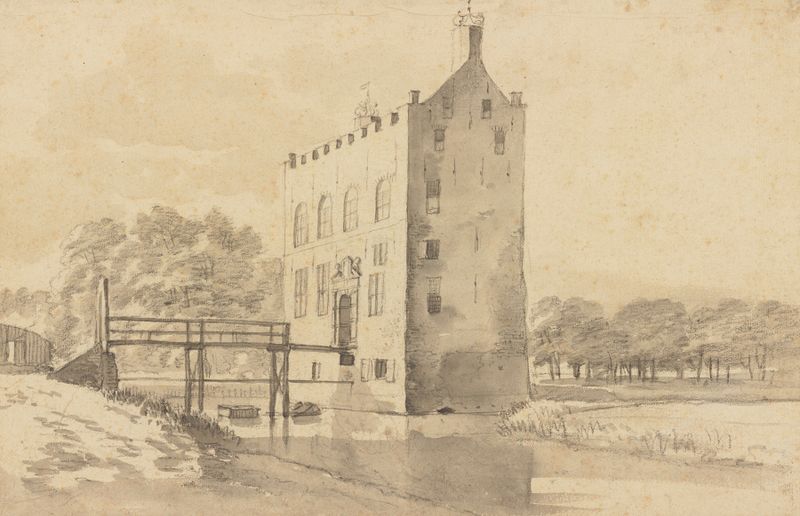
The Castle Giessenburg, near Gorinchem
Roelant Roghman
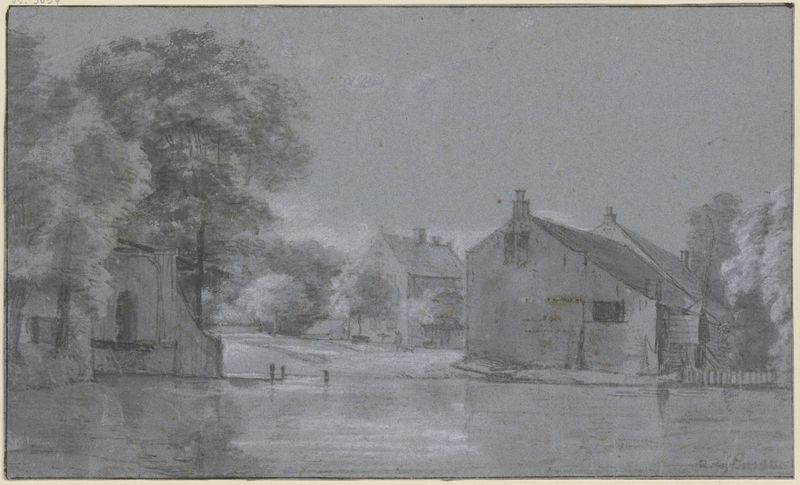
Ein Dorf mit Baumgruppen an einem Fluss
Roelant Roghman
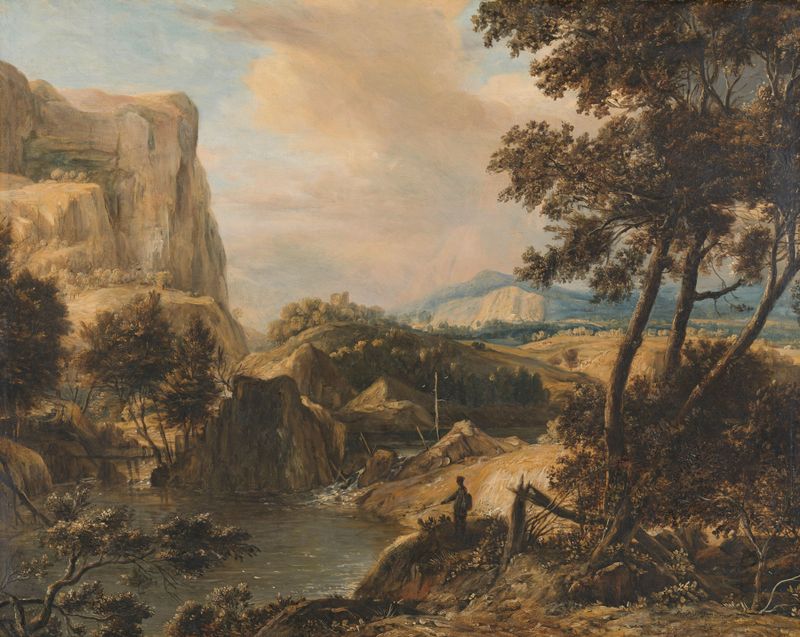
Mountainous landscape with fisherman
Roelant Roghman

Waldlandschaft mit Wasserfall
Roelant Roghman
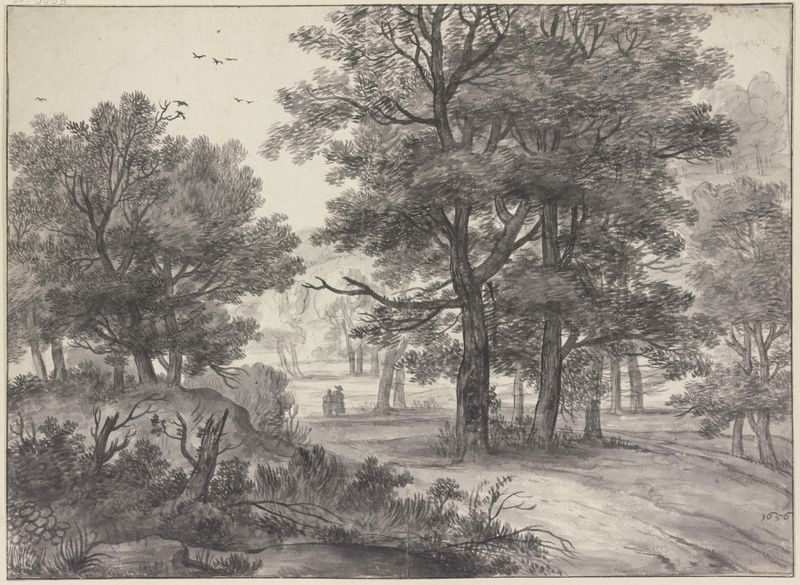
Waldpartie, auf dem Weg zwei Figuren, links oben mehrere Raben
Roelant Roghman





