
Mouth of the Meuse — History & Facts
What if beauty was never meant to be finished? In Jan van Goyen’s Mouth of the Meuse, the viewer is enveloped in a serene landscape that hints at the transient nature of existence and the promise of rebirth. Look to the horizon where the Meuse River gently meets the sky—this is where the eye is drawn first. The soft, muted palette of blues and earthy browns creates a calm atmosphere, while fluffy clouds drift lazily overhead. Notice how the painter skillfully balances shadow and light; the delicate brushwork reflects an almost ethereal glow on the water's surface, inviting contemplation about the passage of time and life itself. As you explore the scene, a deeper narrative unfolds.
The subtle interplay between the flowing river and the firm land suggests a dialogue between permanence and change. Tiny boats dot the water, symbolizing fleeting moments and the human experience, while the distant silhouettes of trees stand as quiet witnesses to this perpetual cycle of life. Each element embodies a stillness, yet evokes underlying currents of transformation, hinting at the inevitability of rebirth inherent in nature. Painted in Dordrecht during the early 17th century, this work emerged amidst a flourishing Dutch Golden Age, a period marked by advancements in trade and prosperity.
Van Goyen was exploring the interplay of light and atmosphere during this time, reflecting both the beauty of his homeland and the uncertainties that came with economic and cultural growth. The painting serves as both a testament to his artistic evolution and an engagement with the broader themes of life and renewal.
More Artworks by Jan van Goyen
Browse all →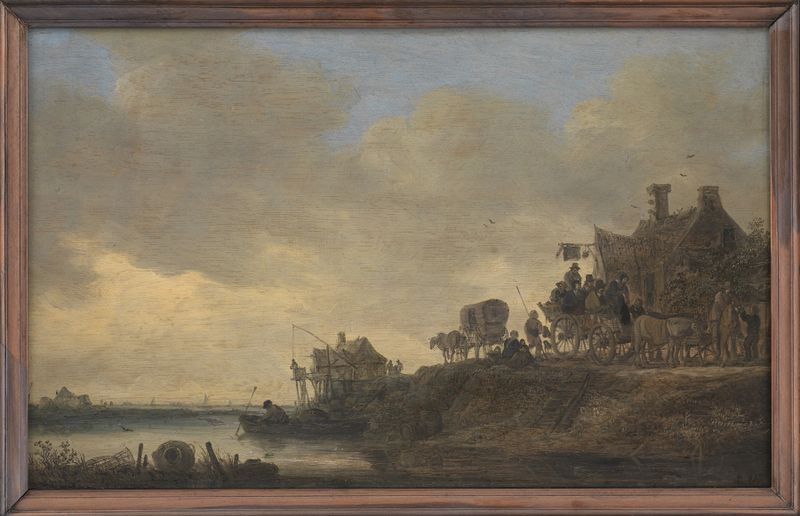
River Scene with the ‘Swan’ Tavern
Jan van Goyen

The Valkhof in Nijmegen
Jan van Goyen
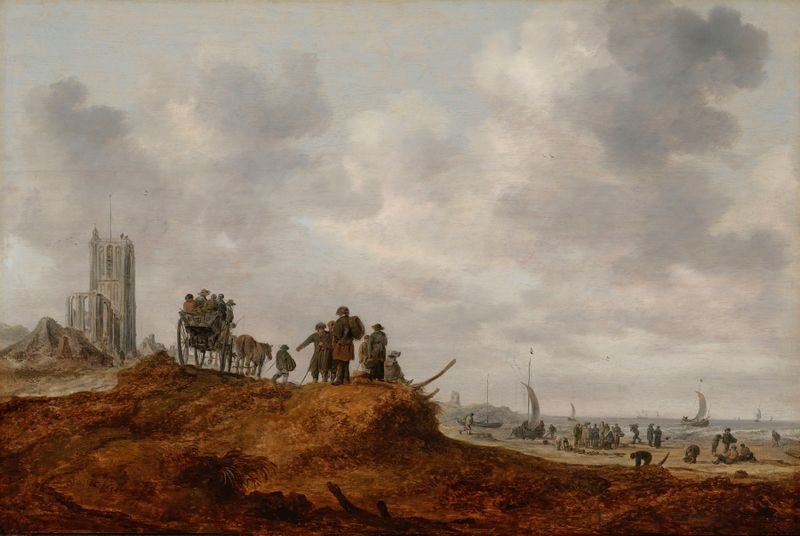
The Old Church at Egmond aan Zee
Jan van Goyen
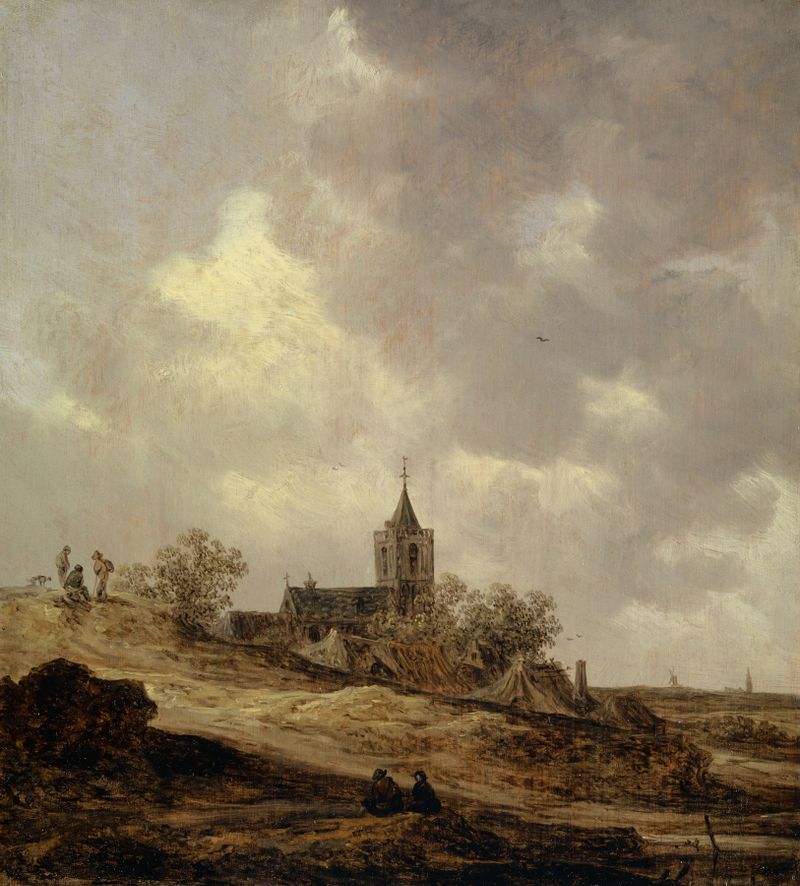
Village Church seen from the Dunes
Jan van Goyen

River Landscape with the Pellecussen Gate near Utrecht
Jan van Goyen
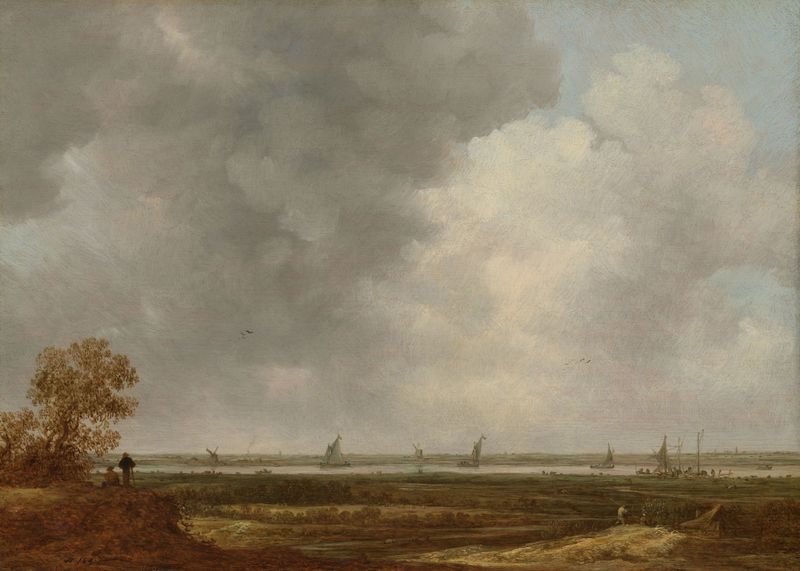
Panoramic View of a River with Low-lying Meadows
Jan van Goyen
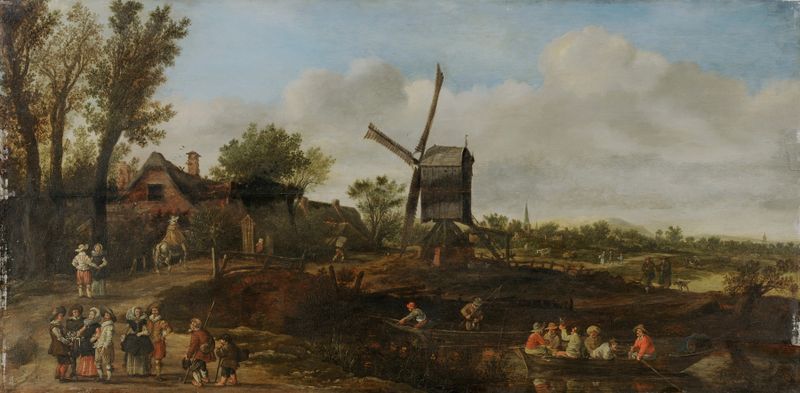
Dutch Landscape
Jan van Goyen
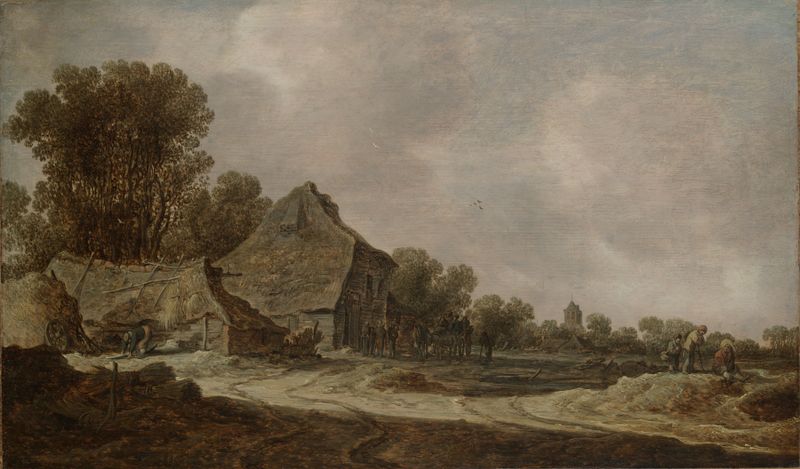
A Sandy Road with Thatched Cottages
Jan van Goyen
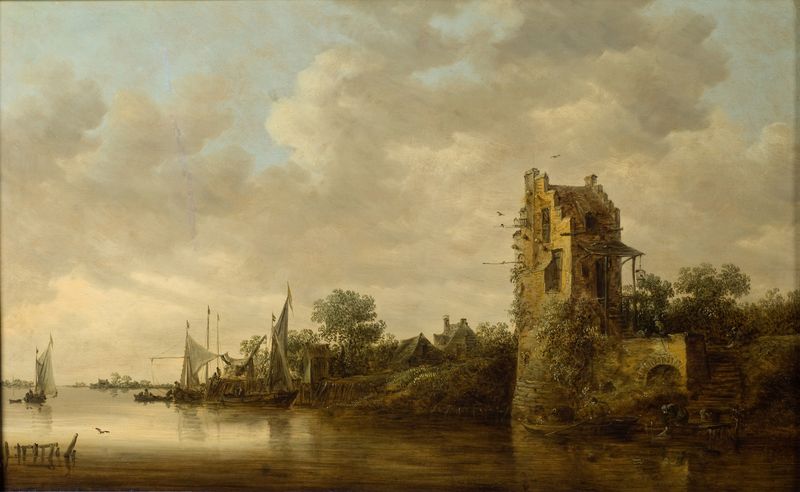
Riverside with an Old Tower
Jan van Goyen
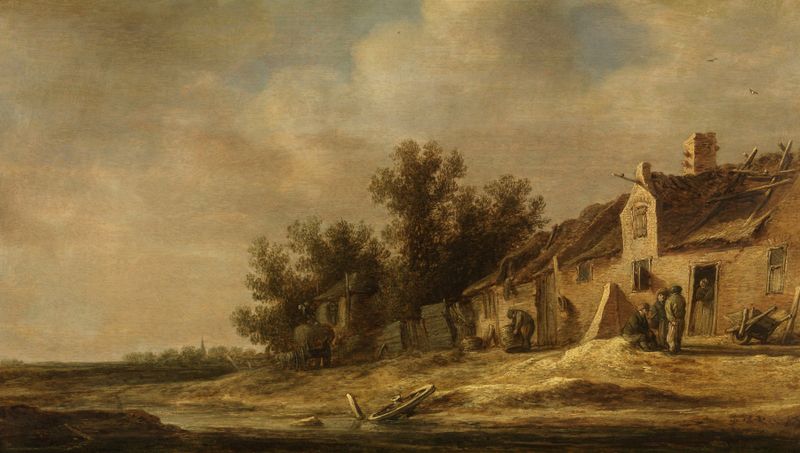
Landscape
Jan van Goyen





