
Panoramic View of a River with Low-lying Meadows — History & Facts
When did color learn to lie? The interplay of hue and light in this work speaks volumes about perception and reality, reminding us that nature can be as deceptive as it is beautiful. Focus first on the gentle sweep of the river that dominates the canvas, inviting the eye to trace its meandering path. Notice how the soft blues and greens blend seamlessly, creating an illusion of depth as the water reflects the sky. The low-lying meadows are painted with such delicate strokes that they appear to sway beneath an unseen breeze, while the ethereal light bathes the scene in a warm glow, suggesting a fleeting moment in time. Hidden beneath this tranquil exterior lies a tension between calm and chaos.
The contrast of shadowed banks against the illuminated water hints at the duality of nature—a serene surface that could mask tumultuous undercurrents. The varying intensity of color reveals a narrative about the passage of time; the fading light suggests dusk, a time for reflection and contemplation. Each element—the river, the meadows, the expansive sky—whispers secrets of both peace and unease. Jan van Goyen painted this work in or after 1644, during a period marked by the flourishing of Dutch landscape painting.
At this time, artists sought to capture the essence of their surroundings with a focus on atmospheric effects and natural beauty. Van Goyen, influenced by both the techniques of his contemporaries and his own early experiences in the countryside, aimed to reveal the poetic relationship between light and landscape, crafting a scene that resonates with both simplicity and complexity.
More Artworks by Jan van Goyen
Browse all →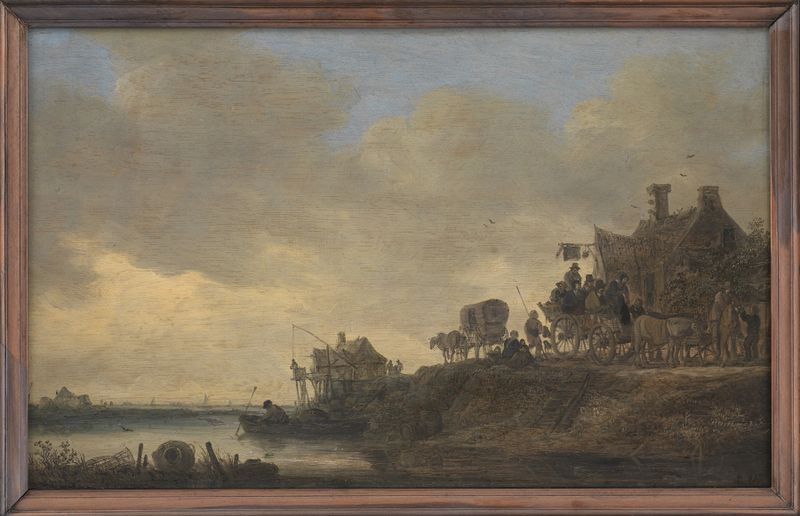
River Scene with the ‘Swan’ Tavern
Jan van Goyen

The Valkhof in Nijmegen
Jan van Goyen
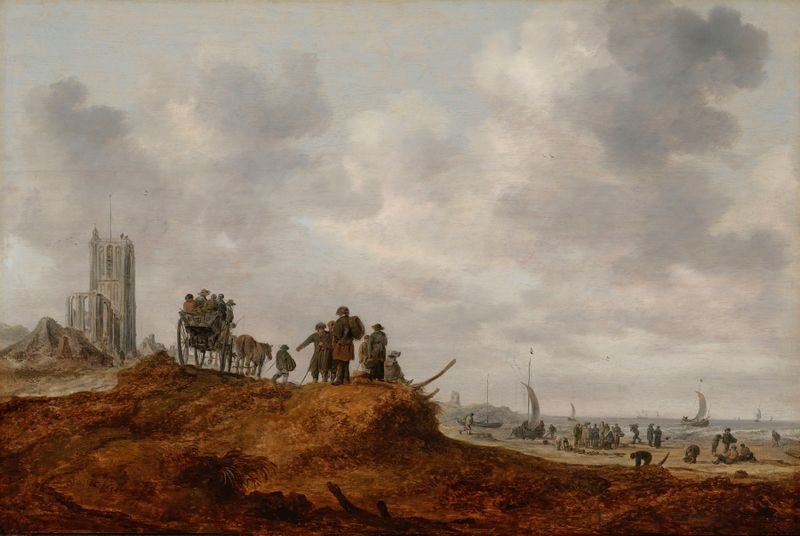
The Old Church at Egmond aan Zee
Jan van Goyen
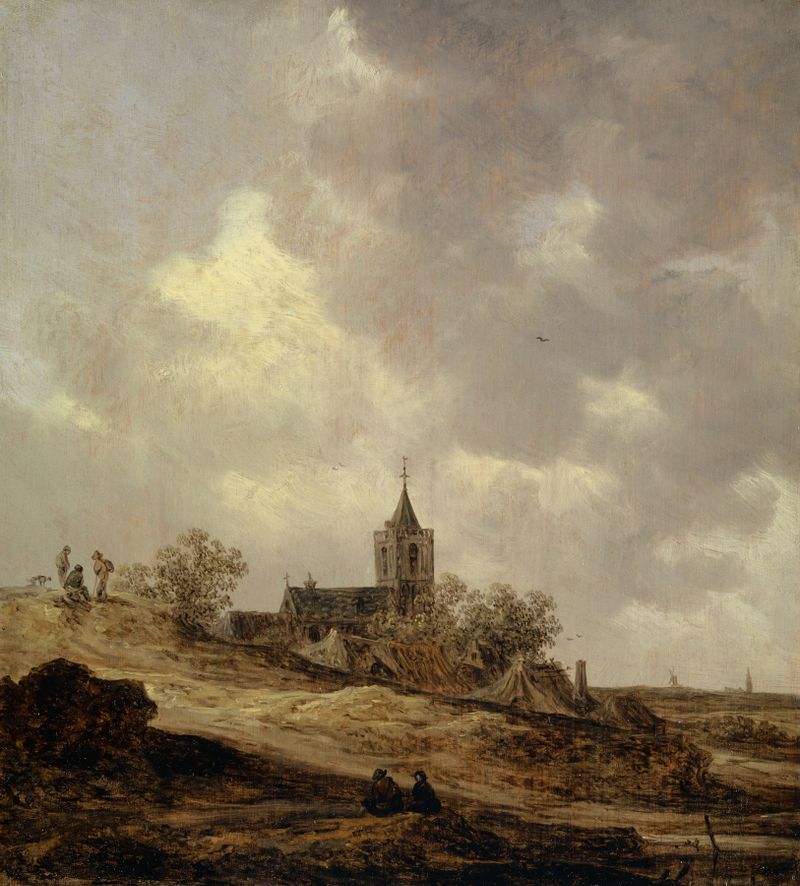
Village Church seen from the Dunes
Jan van Goyen
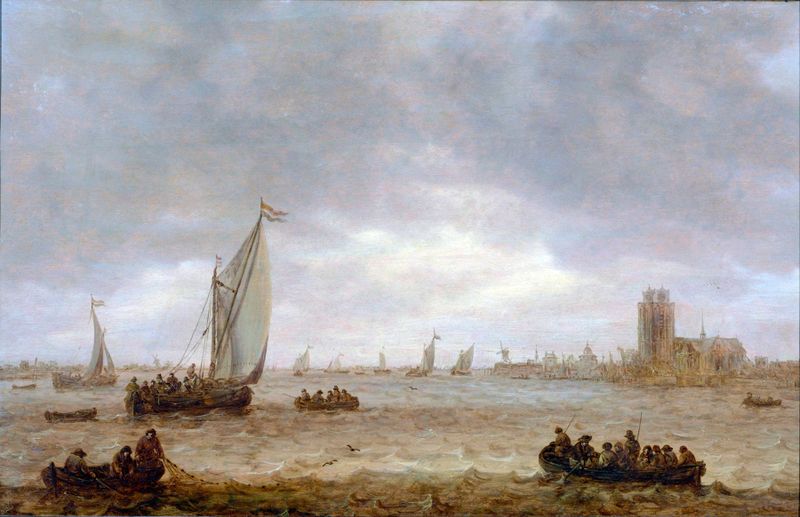
Mouth of the Meuse
Jan van Goyen

River Landscape with the Pellecussen Gate near Utrecht
Jan van Goyen
Dutch Landscape
Jan van Goyen
A Sandy Road with Thatched Cottages
Jan van Goyen
Riverside with an Old Tower
Jan van Goyen
Landscape
Jan van Goyen





