Mouth of the River Scheldt — History & Facts
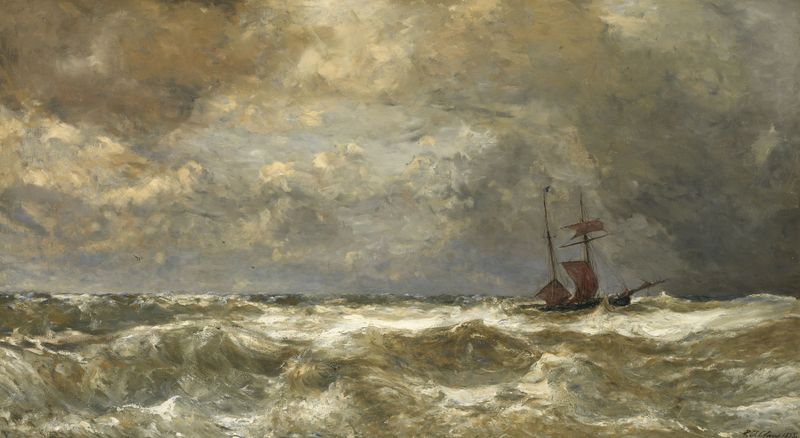
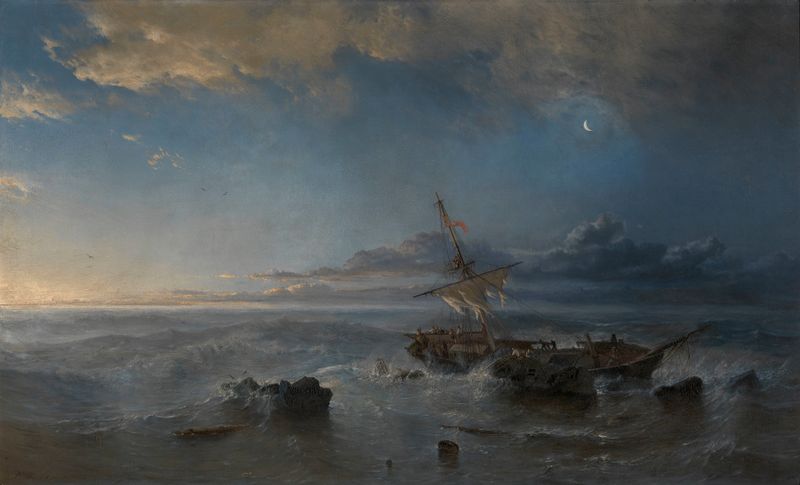
When did color learn to lie? In a world awash with hues, serenity emerges as the ultimate truth, telling stories of nature's tranquil embrace. Focus on the soft interplay of blues and greens, where the river gently winds its way through the landscape. Notice how the brushstrokes dance across the canvas, leading your eyes along the serene banks and inviting you deeper into the scene. The subtle gradient of color captures the shifting light, suggesting the time of day and the mood it invokes.
The composition is balanced yet dynamic, as if nature itself breathes through the strokes. Look closely at the details: the delicate ripples on the water's surface reflect not just light, but a sense of peace that envelops the entire setting. The juxtaposition of the lush, verdant foliage against the gentle flow of the river speaks to the harmony between land and water. This balance illustrates the artist's understanding of nature's rhythm, inviting contemplation and stillness, revealing how serenity can flourish even amid movement. Created in the mid-19th century, during a period of significant change in the art world, this work reflects Paul Jean Clay's exploration of landscape painting, merging realism with a touch of romanticism.
As he developed his style between 1852 and 1875, Clay navigated the challenges of his time, including the rise of Impressionism, which was beginning to revolutionize the perception of light and color in art.