
Mur d’enceinte de Philippe Auguste — History & Facts
In the stillness of Mur d’enceinte de Philippe Auguste, the walls speak through their weathered stones, each crevice a whisper of history and movement long gone. The painting invites contemplation of time’s passage and the stories embedded within the ancient structure, urging us to reflect on what has been lost and what remains. Focus first on the imposing fortifications that dominate the canvas, rising majestically against a twilight sky. The earthy hues of ochre and deep brown blend harmoniously, evoking a sense of age and stability, while the soft play of light highlights the contours of the wall’s surface.
Notice how the artist uses texture to give life to the stone, making it almost pulsate with the energy of the past, as if the very air around it vibrates with the echoes of distant footsteps. Bonnardot’s work is rich with contrasts: the solidity of the stone against the ethereal quality of the light; the sense of security offered by the walls juxtaposed with the looming uncertainty of time’s relentless march. These elements together convey the paradox of permanence within the impermanent, illuminating the tension between the past that is physically present and the future that remains uncertain. Created in 1839, during a period when France was deeply engaged in its own historical narrative, the artist sought to capture the essence of the medieval city walls that once protected Paris. Bonnardot was part of a movement that embraced realism and sought to document the architectural treasures of the past, allowing viewers to connect with their shared cultural heritage.
More Artworks by Alfred Bonnardot
Browse all →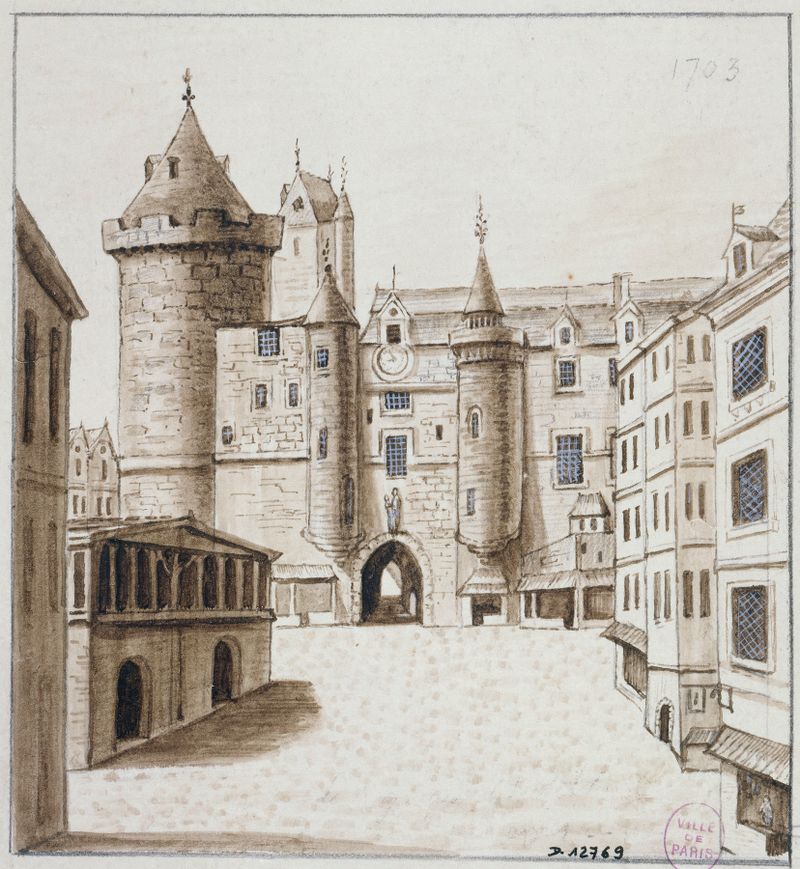
Le grand Châtelet
Alfred Bonnardot
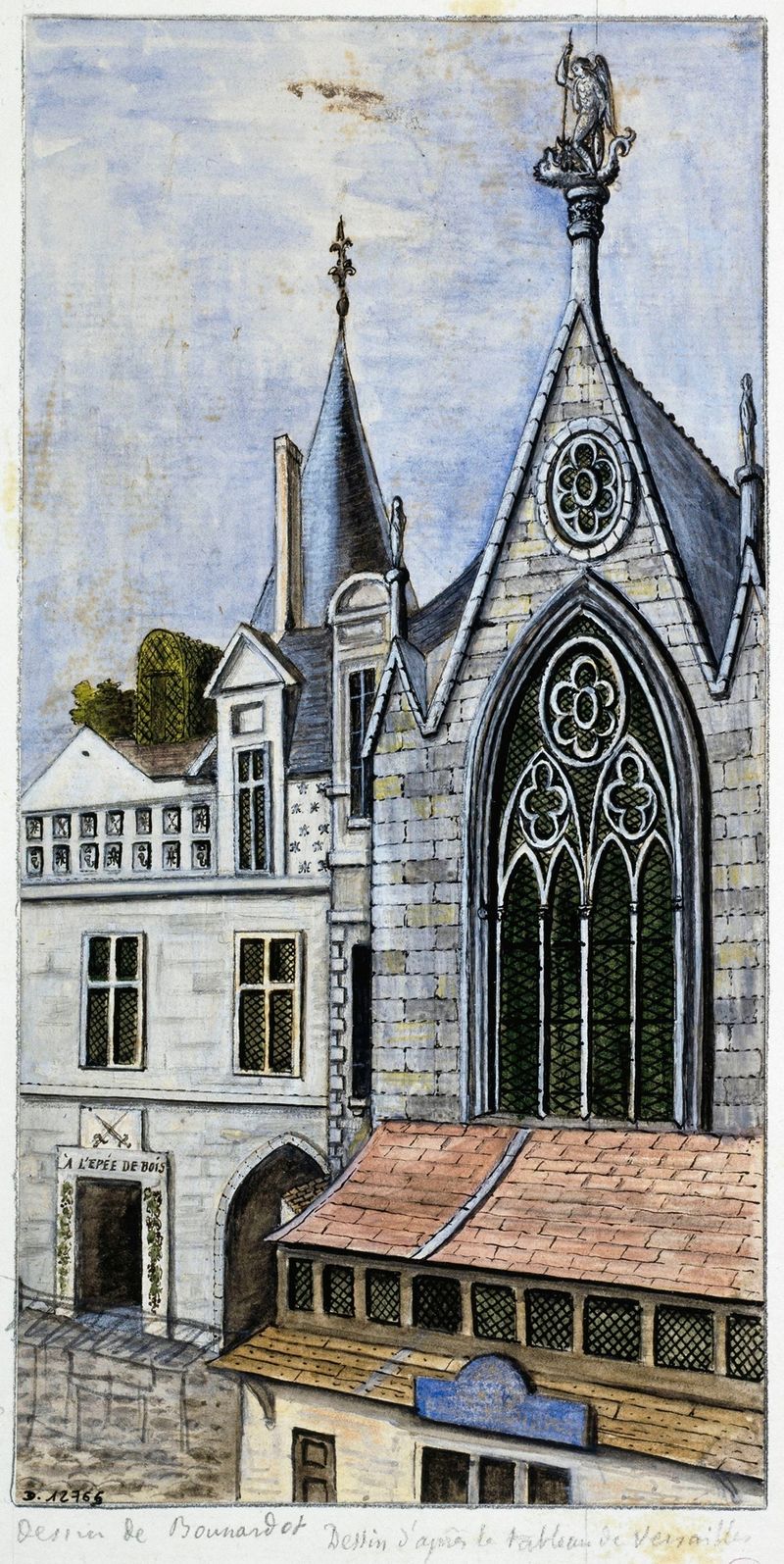
La Sainte-Chapelle, Palais de Justice
Alfred Bonnardot

Ancienne cour des Comptes, portail de l’escalier
Alfred Bonnardot
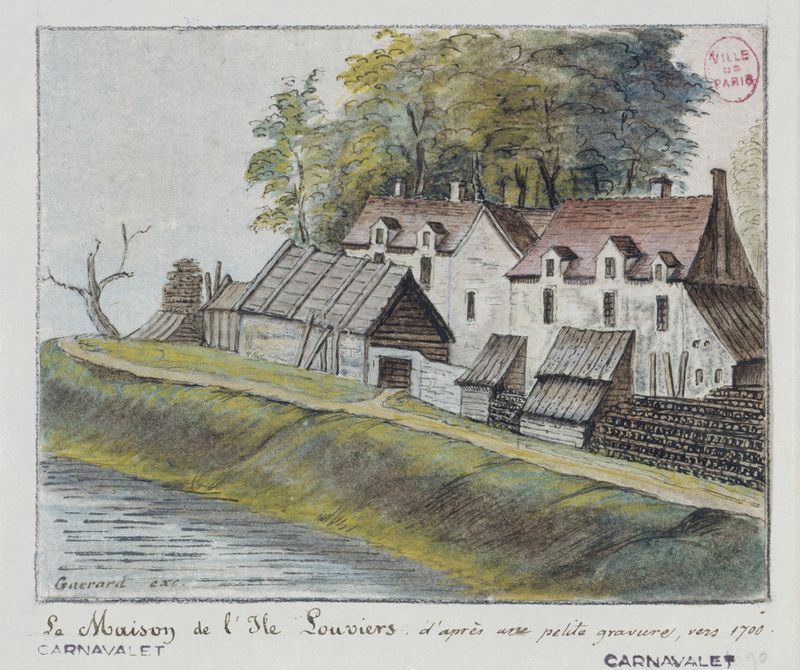
La maison de l’île Louviers
Alfred Bonnardot
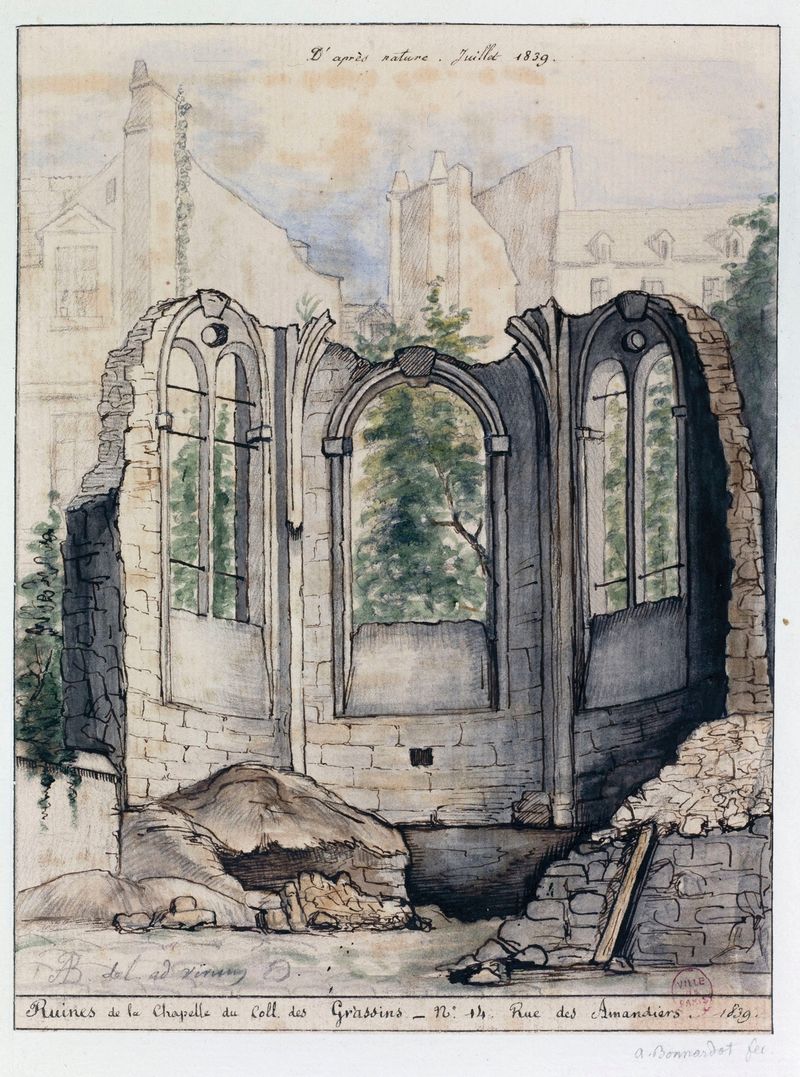
Ruines de la chapelle du collège des Grassins, 14 rue des Amandins
Alfred Bonnardot
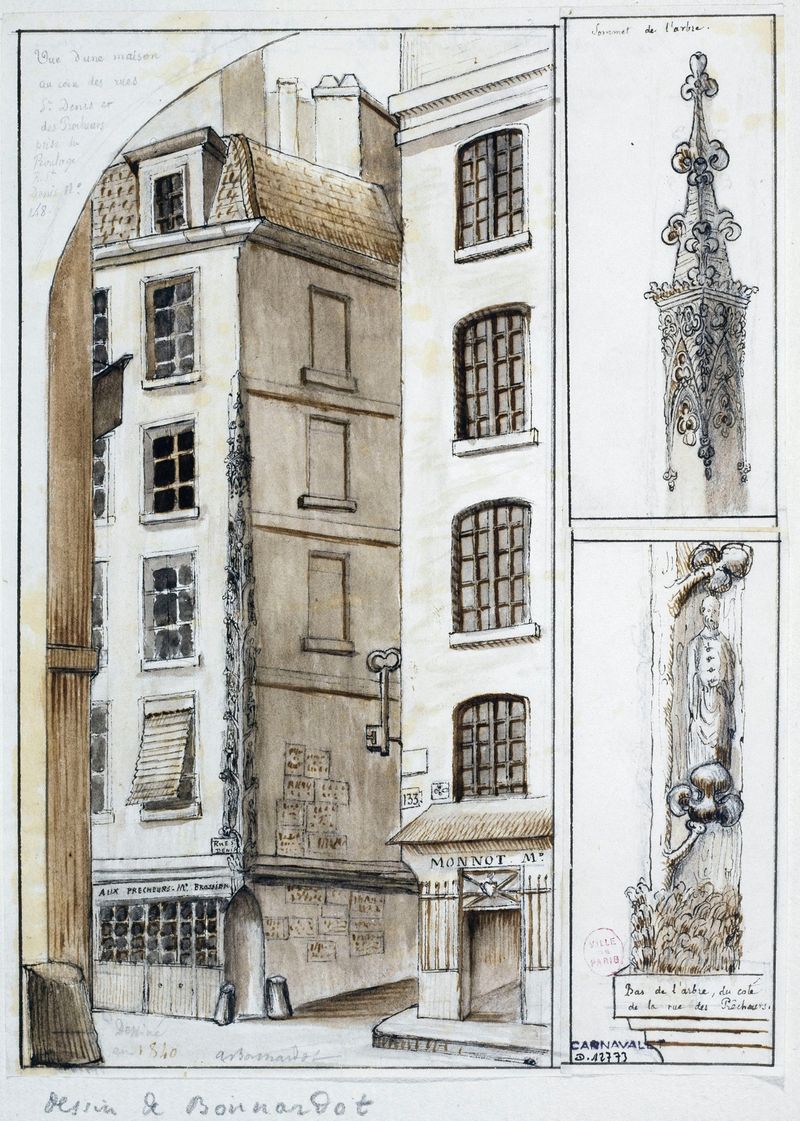
Angle des rues Saint-Denis et des Prêcheurs
Alfred Bonnardot
More Architecture Art
Browse all →
The statue of Liberty
Frédéric Auguste Bartholdi

View of Houses in Delft, Known as ‘The Little Street’
Johannes Vermeer

View of Houses in Delft, Known as ‘The Little Street’
Johannes Vermeer

The Cathedral in Rouen. The portal, Grey Weather
Claude Monet

The yellow house
Vincent van Gogh

The Church in Auvers-sur-Oise, View from the Chevet
Vincent van Gogh