
Ruines de la chapelle du collège des Grassins, 14 rue des Amandins — History & Facts
What secret hides in the quiet of the canvas? In the stillness of Ruines de la chapelle du collège des Grassins, a whisper of melancholy lingers, inviting introspection and reflection. Look to the left at the crumbling walls that speak of time's relentless passage. The muted earth tones imbue the scene with a sense of nostalgia, while delicate strokes and textured surfaces evoke the weight of history. Notice how the gentle light filters through the skeletal remains of the chapel, casting soft shadows that dance along the ground, hinting at the stories once lived within these walls.
Each brushstroke captures not just decay but also the beauty of what was lost, enveloping the viewer in a haunting embrace. Beyond the immediate allure of decay, deeper meanings arise in the contrast between nature and architecture. The surrounding foliage, lush and vibrant, seeks to reclaim its territory, resilient against the remnants of human endeavor. This tension between growth and ruin reflects a poignant cycle of life and death, inviting the viewer to contemplate the passage of time and the ephemeral nature of existence.
Such contrasts are further heightened by the juxtaposition of light and shadow, symbolizing hope amidst despair. Alfred Bonnardot painted this piece in 1839, during a period marked by Romanticism's exploration of emotion and nature. At this time, he was immersed in the vibrant art scene of Paris, where he sought to capture the essence of places touched by history. The chapel, once a center of learning and community, now stands as a metaphor for the inevitable decay of all things, mirroring the societal shifts and transformations occurring in France.
More Artworks by Alfred Bonnardot
Browse all →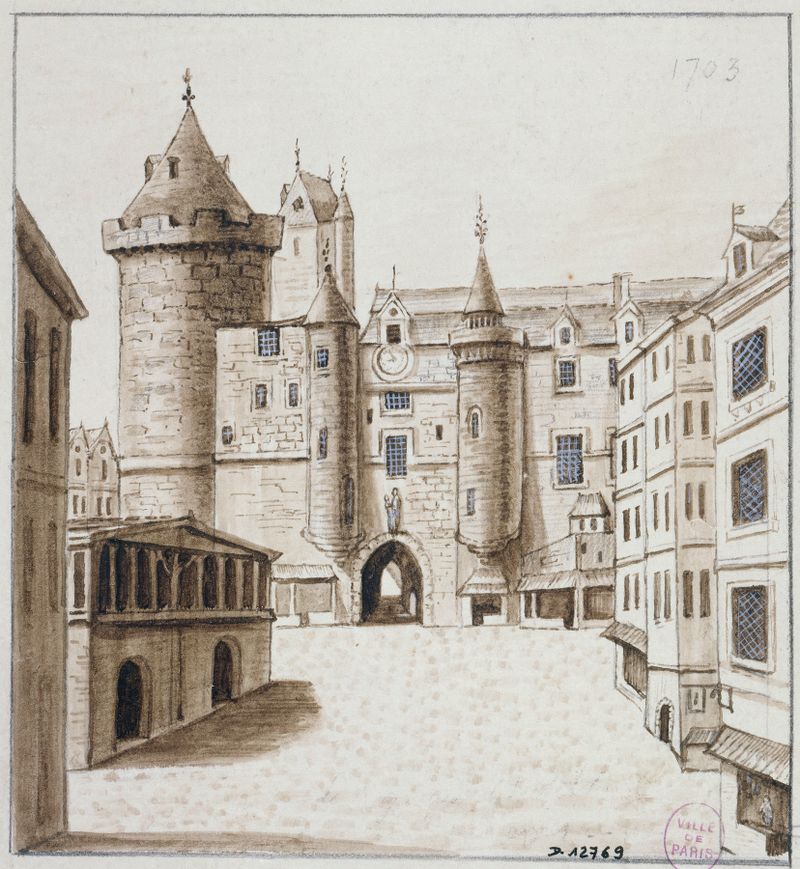
Le grand Châtelet
Alfred Bonnardot
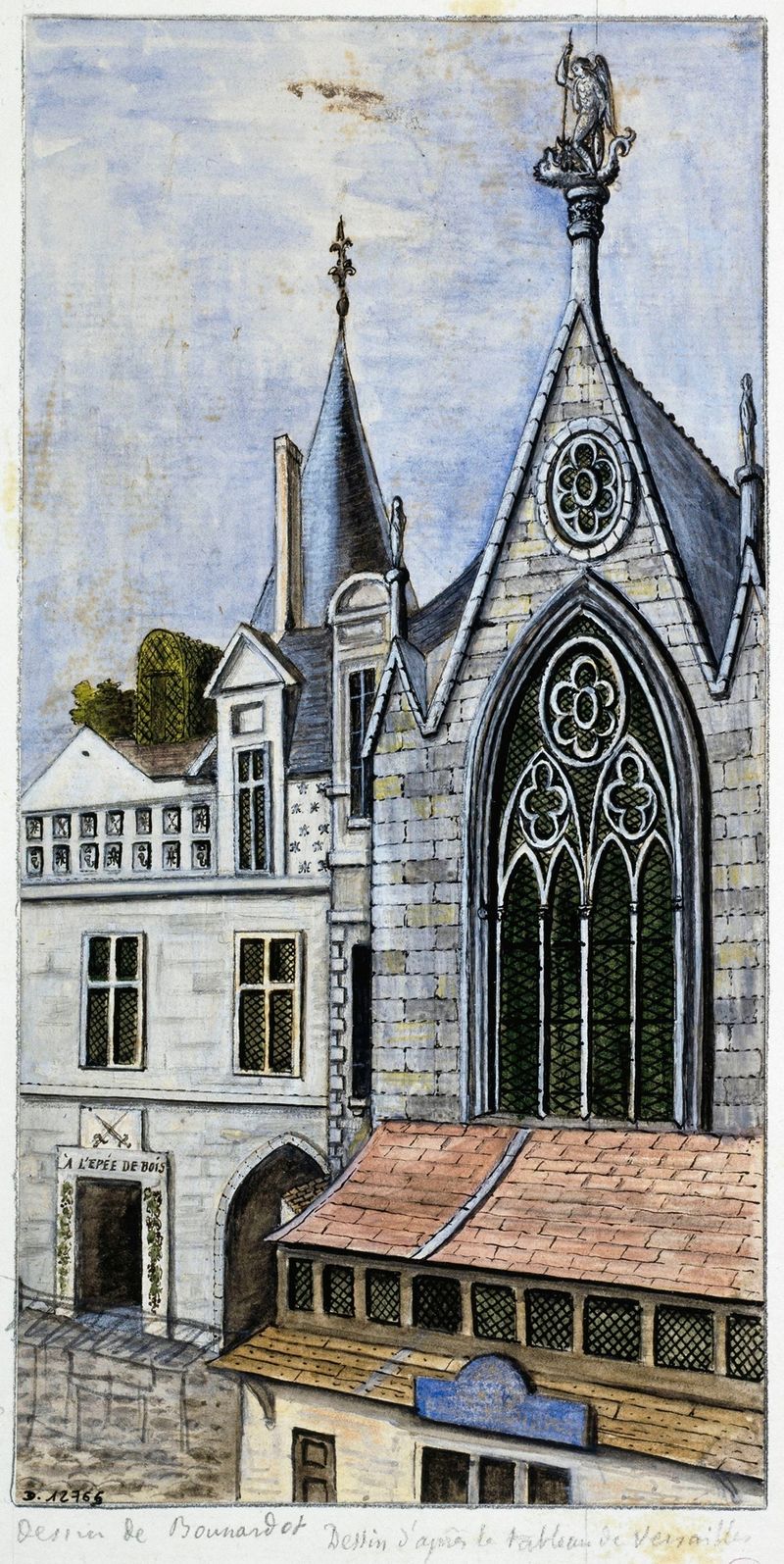
La Sainte-Chapelle, Palais de Justice
Alfred Bonnardot

Ancienne cour des Comptes, portail de l’escalier
Alfred Bonnardot
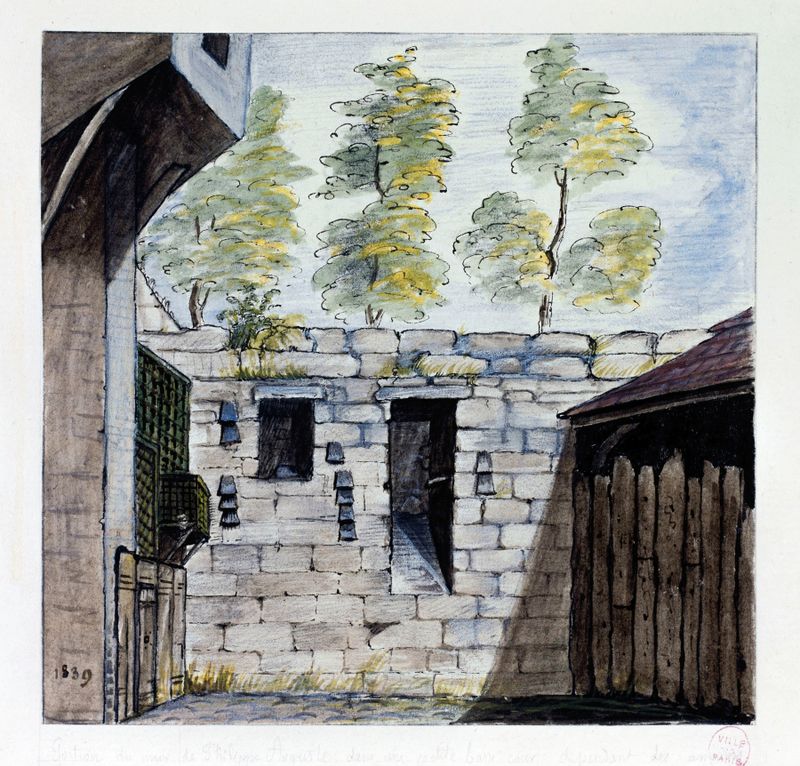
Mur d’enceinte de Philippe Auguste
Alfred Bonnardot
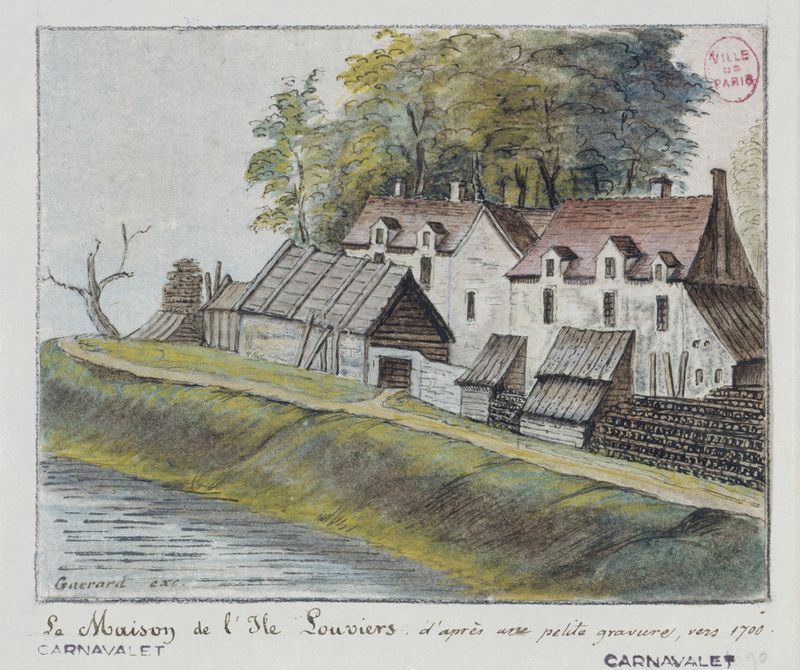
La maison de l’île Louviers
Alfred Bonnardot
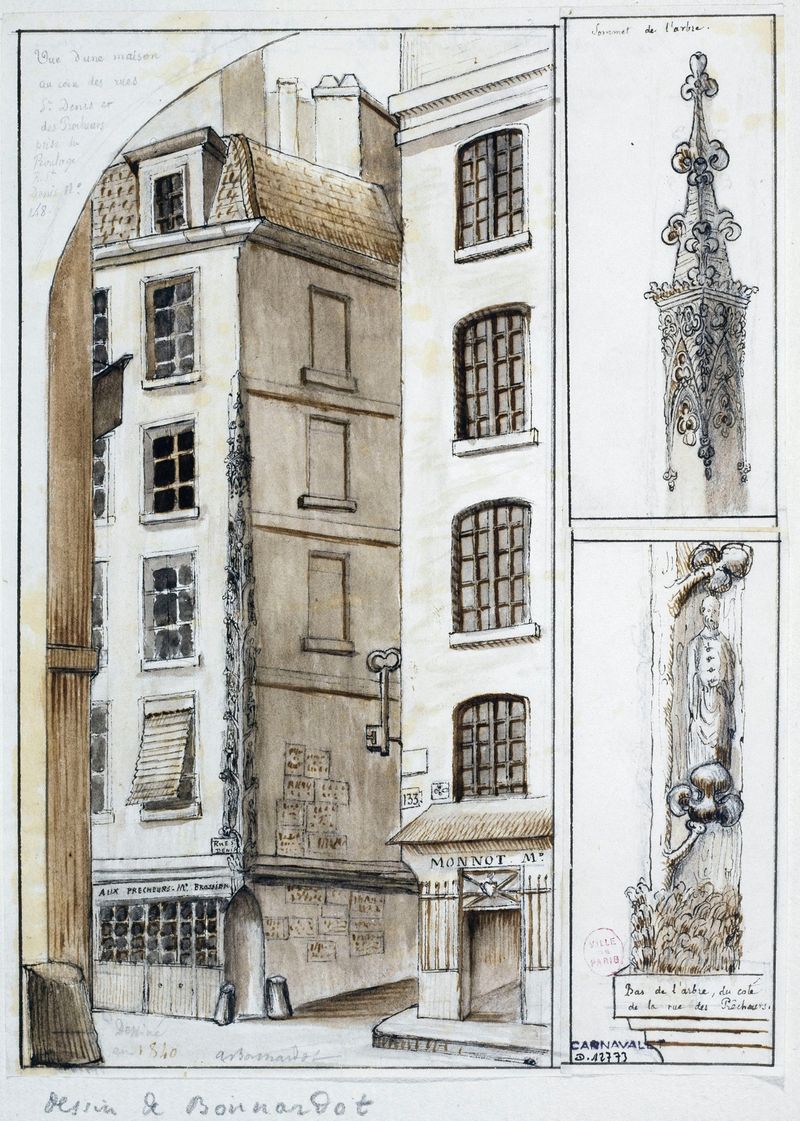
Angle des rues Saint-Denis et des Prêcheurs
Alfred Bonnardot
More Architecture Art
Browse all →
The statue of Liberty
Frédéric Auguste Bartholdi

View of Houses in Delft, Known as ‘The Little Street’
Johannes Vermeer

View of Houses in Delft, Known as ‘The Little Street’
Johannes Vermeer

The Cathedral in Rouen. The portal, Grey Weather
Claude Monet

The yellow house
Vincent van Gogh

The Church in Auvers-sur-Oise, View from the Chevet
Vincent van Gogh