
Musicerende saters en dansende kinderen — History & Facts
Who listens when art speaks of silence? In Musicerende saters en dansende kinderen, the echoes of joy and laughter resonate even in stillness, inviting us to contemplate the music lingering just beyond our grasp. Look to the center of the composition, where a group of children dances with abandon, their forms fluid and expressive. The sater, with his rustic charm, plays a flute that seems to summon the very essence of the scene. Notice how the vibrant greens of the surrounding foliage cradle the figures, while dappled sunlight filters through, highlighting the children's gleeful faces and casting playful shadows that dance along the earth. Beneath the surface of this jovial gathering lies a contrast between the innocence of youth and the untamed yet nurturing presence of nature.
The sater's watchful gaze hints at a deeper wisdom, suggesting the fleeting nature of childhood joy. The intertwining of music and movement invites viewers to reflect on the ephemeral moments that shape our lives, capturing a world suspended in harmony and exuberance. Created in the late 17th century, Musicerende saters en dansende kinderen emerged during a period of flourishing artistic expression in the Dutch Baroque. Jonas Umbach, a notable figure in this era, painted this work while he navigated the shifting tides of artistic influence, weaving together themes of merriment and nature amidst the backdrop of a society increasingly captivated by the interplay of light and form.
More Artworks by Jonas Umbach
Browse all →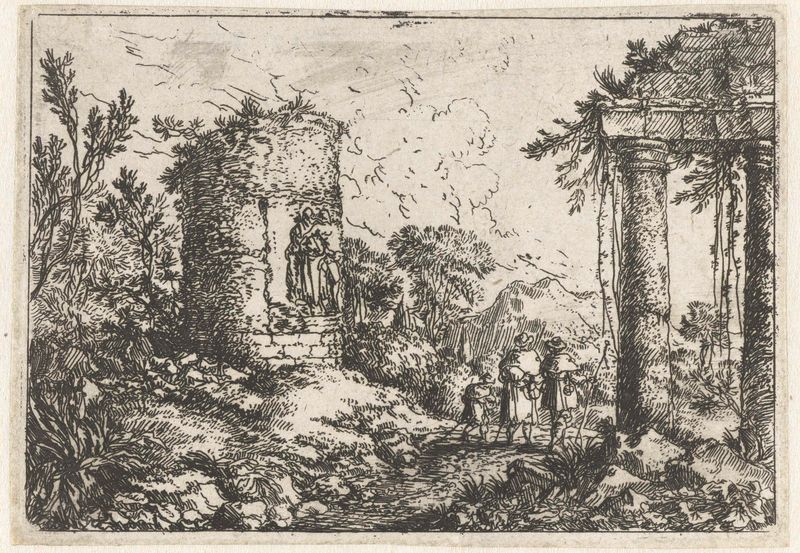
Landschap met ruïnes en drie pelgrims
Jonas Umbach

Johannes de Doper water drinkend
Jonas Umbach

Heilige Antonius van Padua en zijn visioen van het Christuskind
Jonas Umbach
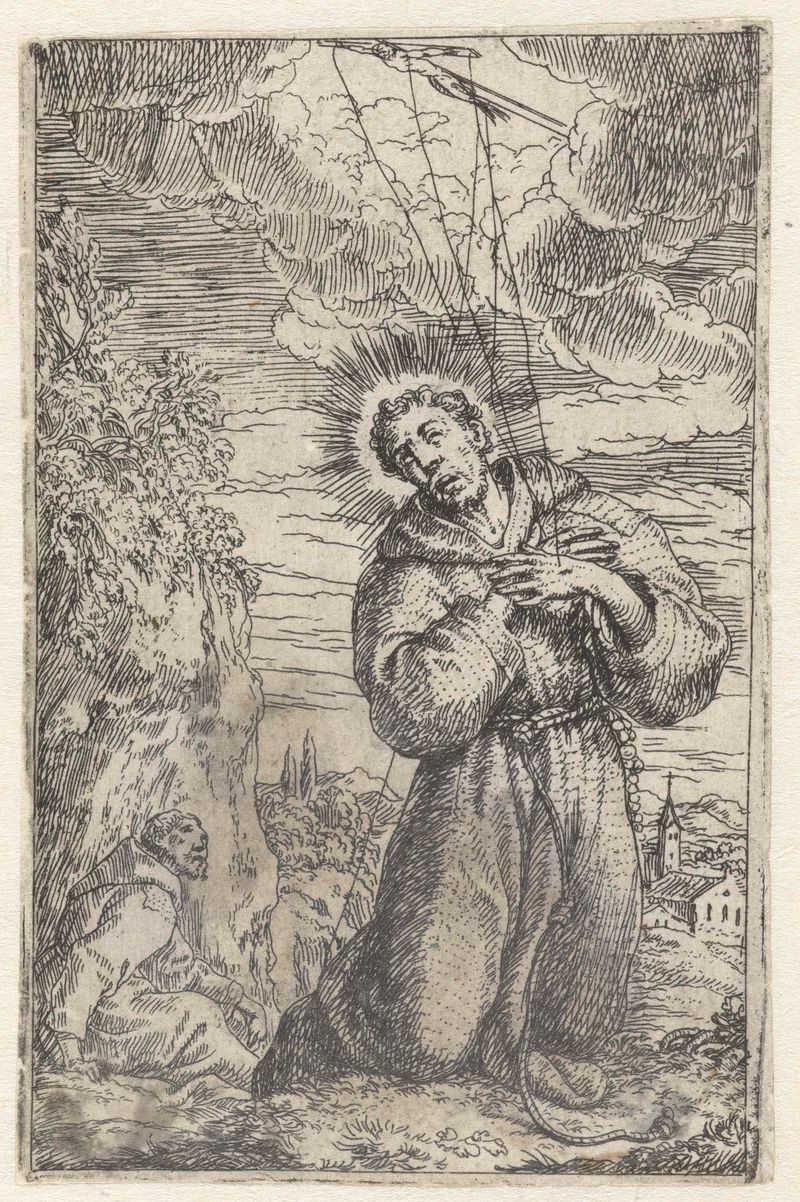
Stigmatisatie van heilige Franciscus
Jonas Umbach
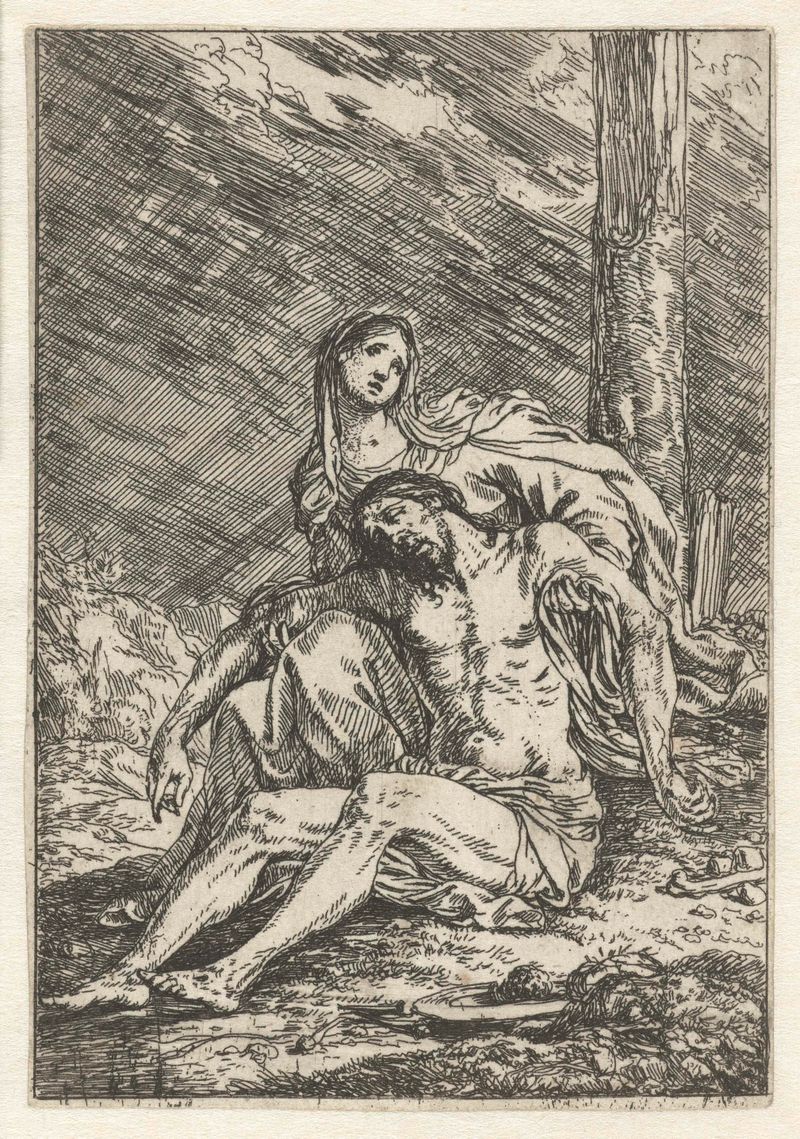
Maria met het lichaam van Christus (Pietà)
Jonas Umbach

Stigmatisatie van heilige Franciscus
Jonas Umbach
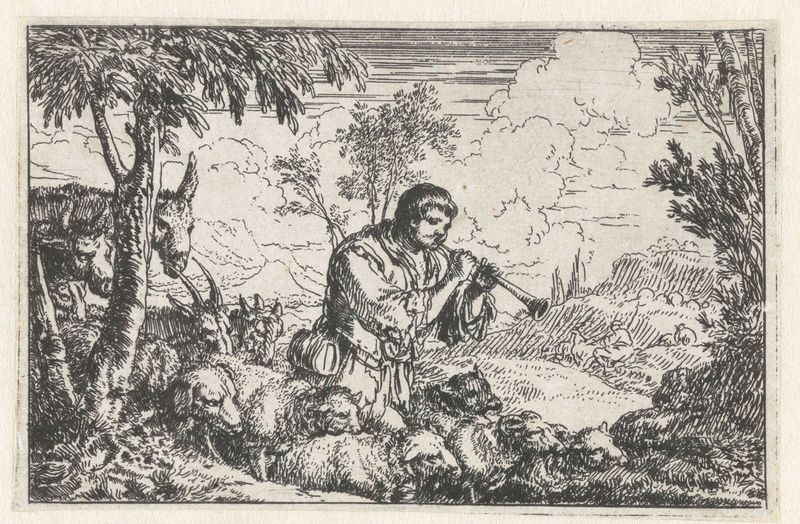
Schalmeispelende herder met kudde
Jonas Umbach
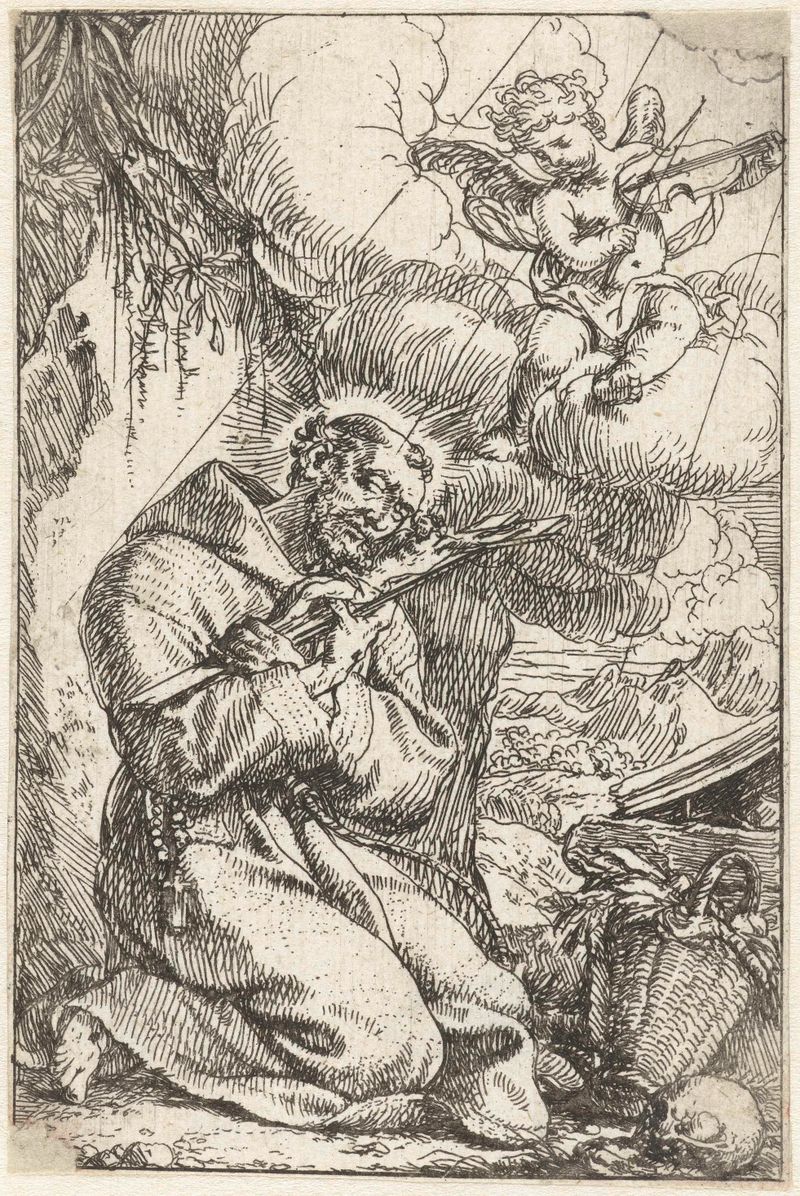
Heilige Franciscus het kruis kussend
Jonas Umbach
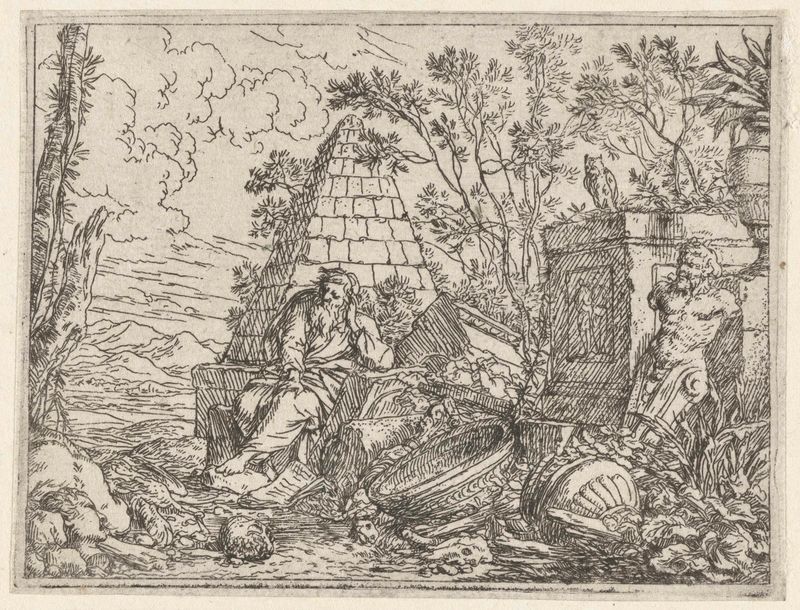
Democritus mediterend
Jonas Umbach

Twee rustende jagers met hun honden en buit
Jonas Umbach





